
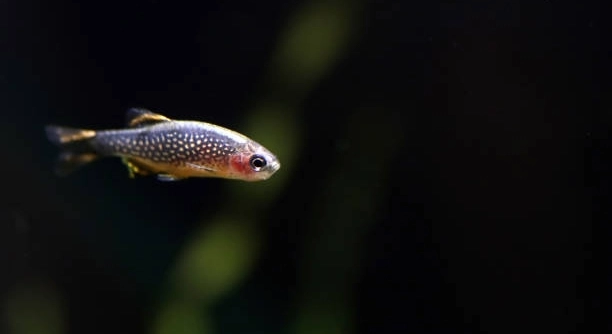
Raising danios without plants can seem simple at first, but many new aquarium keepers quickly notice small struggles. These colorful fish need a stable environment to thrive, and a plant-free tank changes how they behave.
Danios kept without plants face challenges related to water quality, stress levels, territorial behavior, and limited hiding spaces. Absence of vegetation can increase aggression, reduce natural foraging, and make maintaining stable tank conditions more difficult for long-term health.
Understanding these difficulties helps you create a healthier environment for your danios and avoid common mistakes that can affect their growth and wellbeing.
Water Quality Fluctuations
Maintaining water quality in a plant-free danio tank is more demanding than it seems. Without plants to naturally absorb nitrates, ammonia, and other toxins, these compounds can build up quickly. Regular water testing becomes essential, as small changes in pH or hardness can stress the fish. Filtration alone is often not enough to compensate for the lack of natural filtration provided by live plants. Overfeeding can worsen the problem, leaving uneaten food to decompose and increase waste levels. Temperature stability also plays a role, as sudden fluctuations can further weaken fish immune systems. Observing the behavior and coloration of danios can give early signs of stress or poor water conditions. Providing aeration and frequent partial water changes helps maintain a healthy environment. Even with diligent care, water quality management in plant-free tanks requires consistent attention and effort to keep the danios thriving and active.
Regular water testing and partial changes are essential to prevent toxic buildup and keep fish healthy.
Without live plants, managing water chemistry demands constant monitoring. Adjusting filtration, aeration, and water changes ensures toxins do not accumulate. Danios are sensitive to ammonia, nitrite, and nitrate spikes, which can cause lethargy, faded colors, or illness. Observing their behavior helps identify subtle signs of stress, while maintaining a consistent feeding schedule prevents overfeeding and excess waste. Seasonal temperature changes may also affect water stability, so heaters or chillers may be necessary. Although this approach requires effort, consistent care keeps the tank environment safe and predictable. Over time, even small adjustments make a significant difference in the health and activity levels of your fish, allowing them to flourish without the natural support of plants.
Increased Aggression
Danios can show more aggression without plants to break up the space and provide hiding areas.
A lack of visual barriers in the tank can make territorial disputes more frequent. In planted tanks, plants act as natural dividers and retreat zones, allowing fish to escape conflict. Without them, danios may chase or nip at each other, leading to stress or injuries. Group dynamics become more noticeable, and proper stocking density is critical to minimize fights. Aggression can increase during feeding times or if tank decorations are sparse. Providing floating objects or artificial structures can help, but these are not as effective as live plants. Observing behavior daily is important to intervene before serious injuries occur. Adjusting group size, rearranging decorations, or creating separate zones can reduce tension. Over time, a well-monitored plant-free tank can still function, but aggression management requires careful planning and consistent attention to the fish’s interactions.
Limited Hiding Spaces
Without plants, danios have fewer places to retreat when stressed or threatened.
Artificial decorations like rocks or caves can help, but they do not fully replace natural foliage. Fish may feel exposed, increasing stress and reducing confidence.
The lack of natural cover can lead to skittish behavior, especially during feeding or when sudden movements occur near the tank. Danios rely on plants for shelter to rest or avoid dominant fish. Without this, they may swim erratically, hide in corners, or crowd together. Over time, constant exposure to open space can weaken their immune systems, as stress hormones remain elevated. Even simple additions like floating logs or plastic plants help, but maintaining mental comfort for danios in a bare tank requires extra thought and careful arrangement of the environment. Observing their behavior regularly is necessary to ensure their wellbeing and prevent long-term stress.
Stress reduction and proper tank arrangement are essential to keep fish active and healthy.
Increased Algae Growth
Bare tanks often experience faster algae growth due to the lack of competing plants.
Live plants absorb nutrients that algae would otherwise use, so without them, algae can spread quickly on glass, decorations, and substrate. Regular cleaning and monitoring of light exposure become essential.
Controlling algae in plant-free tanks requires consistent maintenance. Water changes, reducing excess feeding, and carefully managing lighting schedules help limit nutrient availability. Scrubbing surfaces and vacuuming the substrate prevents buildup that could impact water quality and fish health. Chemical treatments are available but can stress fish if overused. Using floating plants or artificial foliage can partially reduce light penetration and nutrient availability, slowing algae growth. Even with these measures, plant-free setups often demand more frequent manual cleaning than planted tanks, making upkeep a significant ongoing task. Planning maintenance routines and observing water clarity ensures that algae does not interfere with the health and activity of the danios.
Reduced Natural Foraging
Danios explore plants for food and stimulation, which is missing in bare tanks.
Without plants, they rely solely on prepared foods, which may limit natural behaviors and mental stimulation.
Less Oxygen Circulation
Plants naturally produce oxygen, improving water conditions. Without them, oxygen levels may fluctuate, especially at night or in densely stocked tanks. Proper aeration and filtration become essential to maintain stable oxygen levels and prevent stress or suffocation risks.
Difficulty Breeding
Bare tanks make it harder for danios to reproduce naturally. Spawning requires sheltered areas or surfaces for eggs, which plants normally provide. Without these, eggs are exposed and may be eaten by adults or other fish. Artificial substitutes like spawning mops help but are not as effective.
Limited Shade Areas
Without plants, there are fewer shaded areas for danios to rest or escape bright lighting. Providing floating objects or decorations helps reduce exposure but does not fully replace natural plant cover.
FAQ
How often should I change water in a plant-free danio tank?
In tanks without plants, water changes need to be more frequent because there is no natural filtration from plants absorbing nitrates and other waste. A 20–30% water change once or twice a week is usually sufficient, depending on tank size and fish load. Monitoring water parameters regularly is important to prevent spikes in ammonia or nitrite, which can stress danios.
Can I use artificial plants instead of real ones?
Yes, artificial plants provide hiding spaces and visual barriers, which can reduce stress and aggression. They do not absorb nutrients like live plants, so you still need consistent water changes and proper filtration. Choose smooth materials to prevent injury, as sharp edges can harm the fish.
Why are my danios more aggressive in a bare tank?
Without plants to create territories or break up line of sight, danios can become territorial and chase each other more often. Aggression increases in smaller tanks or when fish numbers are too high. Adding decorations, rearranging the layout, or reducing the group size can help minimize conflicts.
How can I reduce algae growth without plants?
Algae control requires careful management of light, nutrients, and feeding. Reduce excessive lighting, avoid overfeeding, and perform regular water changes. Cleaning the tank surfaces manually or using algae-eating species like snails can also help. Floating objects or artificial plants can shade parts of the tank and slow algae growth.
Do danios need more food in a bare tank?
Not necessarily. Feeding amounts should stay consistent with the number and size of your fish. Without plants, they may spend more time swimming and exploring, but overfeeding can quickly degrade water quality. Observe how much they consume within a few minutes and remove uneaten food.
How can I provide hiding spaces without live plants?
Use decorations like rocks, caves, PVC pipes, or artificial plants to create zones where danios can hide or rest. Floating objects can also provide cover. The goal is to break up open space and give fish areas to retreat, reducing stress and aggressive interactions.
Will danios breed in a bare tank?
Breeding is more difficult without plants, as eggs need surfaces or cover to attach. Spawning mops or artificial spawning sites can be used, but egg survival is often lower than in a planted tank. Careful observation and separation of eggs may be necessary to improve hatch rates.
Can bare tanks affect fish health long-term?
Yes. Constant exposure to open space, fluctuating oxygen levels, and lack of mental stimulation can increase stress, which weakens immune systems. Regular maintenance, aeration, proper hiding spots, and consistent monitoring of water quality are critical to keeping danios healthy over time.
How do I keep the tank visually appealing without plants?
Use varied substrate, rocks, driftwood, or decorations to create depth and structure. Floating ornaments and background images can also improve aesthetics. A thoughtful arrangement not only looks better but also supports fish wellbeing by providing zones for exploration and retreat.
Are there benefits to keeping a plant-free danio tank?
Plant-free tanks are easier to clean, require less trimming, and reduce the risk of plant-related pests or decay. They can be suitable for hobbyists who want a low-maintenance setup but are willing to manage water quality, oxygen, and hiding spaces carefully to keep fish healthy and stress-free.
Raising danios without plants can be manageable, but it requires consistent attention and planning. Plants naturally help maintain water quality, provide hiding spaces, and support healthy behaviors, so removing them changes how the tank functions. Without this natural support, tank maintenance becomes more critical. Regular water testing and partial water changes are essential to prevent the buildup of toxins that could harm your fish. Filtration and aeration need to be monitored carefully, and adjustments may be necessary to maintain stable conditions. Even small fluctuations in pH, temperature, or oxygen can affect the health of danios, so careful observation of their behavior is necessary to catch potential problems early.
Providing hiding spaces and structure becomes a priority in a plant-free tank. Danios are active and social, but they can feel stressed or exposed without places to retreat. Adding artificial decorations, caves, rocks, or floating objects can help reduce aggression and provide some security. These additions also encourage natural swimming patterns and give the fish zones to explore. While these alternatives do not replace all the benefits of live plants, thoughtful tank design can make a bare tank more comfortable. Paying attention to group size, spacing, and behavior is essential to reduce conflicts and support mental well-being for your fish.
Keeping a plant-free tank also requires attention to algae and feeding habits. Without plants to compete for nutrients, algae can grow quickly and affect water clarity and quality. Light management, moderate feeding, and regular cleaning are necessary to maintain a healthy environment. Feeding should be measured and consistent, as uneaten food can deteriorate water quality. Despite these challenges, a bare tank can still support active, healthy danios if care is consistent and thoughtful. Understanding these requirements and implementing proper strategies will allow your fish to thrive, even without live plants, while keeping the tank visually clean and safe.

Hello,
If you enjoy the content that we create, please consider saying a "Thank You!" by leaving a tip.
Every little bit helps us continue crafting quality advice that supports the health, happiness, and well-being of pets around the world, for pets of all shapes, sizes, and species.
We really appreciate the kindness and support that you show us!