
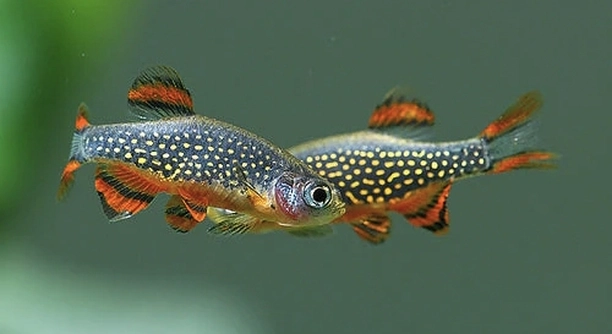
Danios are lively fish that bring energy to any aquarium. Keeping them healthy requires attention to small details in their tank and daily care routines, which can make a big difference in their overall stability and well-being.
Maintaining stable conditions for Danios involves consistent water parameters, proper tank size, adequate filtration, regular feeding schedules, and monitoring behavior closely. Implementing minor adjustments to temperature, lighting, and decoration placement can significantly reduce stress and promote long-term health.
Even subtle changes can influence your Danios’ stability, making it important to recognize which small tweaks have the biggest impact on their daily life and tank environment.
Consistent Water Temperature
Danios are sensitive to sudden changes in temperature, so keeping the tank within a steady range is essential. Small fluctuations can stress them, leading to lethargy or illness. Using a reliable heater with a thermometer allows you to monitor the water closely. Avoid placing the tank near windows or vents, as drafts or direct sunlight can cause rapid temperature swings. Even a few degrees difference can affect their behavior and metabolism, so checking the water daily is helpful. Gentle adjustments, rather than rapid changes, keep them comfortable and maintain their natural activity levels. Temperature stability also supports proper digestion and immune function, reducing the likelihood of disease. If multiple heaters are needed for larger tanks, ensure they are placed evenly to distribute warmth. Combining this with consistent feeding and clean water routines creates an environment where Danios feel secure. Over time, you will notice calmer swimming patterns and fewer signs of stress when the temperature remains stable.
Keeping a thermometer near the tank makes monitoring easier and ensures you can adjust quickly if needed.
A steady water temperature also supports the tank’s biological balance. Fluctuations can affect bacteria in the filter, impacting water quality. Stable water encourages natural breeding behaviors and reduces aggression among Danios. Even small changes in temperature can trigger stress hormones, weakening their defenses against disease. By maintaining consistent warmth, their energy remains balanced, allowing them to swim actively and interact normally with tank mates. Consistency in temperature pairs well with proper filtration and regular water changes, helping the tank ecosystem remain healthy. Properly acclimating new Danios before adding them to the tank also prevents shock and sudden stress.
Proper Tank Size
Danios need space to swim freely, so a cramped tank can lead to stress and health problems.
A tank that is too small restricts movement, increasing aggression and decreasing overall activity. Danios thrive in groups, but a crowded environment can prevent natural schooling behavior. Providing at least a 20-gallon tank for a small group allows them to spread out and reduces territorial disputes. Decorations should be placed thoughtfully to create open swimming areas while offering hiding spots. Regular observation of their swimming patterns helps identify if space is sufficient. Overcrowding can also affect water quality, making it harder to maintain stable conditions. Adequate space encourages healthy growth, proper digestion, and natural social interactions. Investing in a larger tank upfront prevents frequent adjustments and stress for your Danios. Watching them explore their environment confidently reflects a balanced and comfortable habitat, making maintenance more manageable and predictable over time.
Balanced Diet
Feeding Danios a varied diet keeps them healthy and active. High-quality flakes, occasional frozen foods, and small live treats ensure they get proper nutrition without overfeeding.
A consistent feeding schedule prevents digestive issues and water contamination. Overfeeding can lead to bloating, lethargy, and poor water quality. Small portions twice a day allow them to eat fully without leftover food decaying in the tank. Including protein-rich options like brine shrimp or daphnia supports muscle development and natural energy levels. Vegetables like blanched spinach or zucchini can add essential fiber and prevent constipation. Rotating foods keeps them interested in meals and ensures they receive a broad spectrum of nutrients, which promotes bright coloration and active swimming. Careful attention to portion size also reduces the risk of obesity and stress on internal organs, allowing your Danios to thrive in a healthy, stable environment.
Proper nutrition impacts overall health, immunity, and activity. Fish fed varied diets display stronger coloration, better stamina, and more natural behaviors. A consistent diet also supports the tank’s biological balance by preventing excessive waste and maintaining cleaner water. Over time, Danios become more predictable in feeding routines, reducing stress during meal times. Tracking their appetite and adjusting portions when needed ensures long-term stability and comfort in the aquarium.
Clean Water Routine
Regular water changes maintain a safe environment and remove toxins that stress Danios.
Cleaning the tank weekly or biweekly helps maintain stable pH, ammonia, and nitrate levels. Using a siphon to remove debris from the substrate prevents harmful buildup. Replacing 25-30% of the water keeps conditions stable without shocking the fish. Filter maintenance is equally important; rinsing filter media in old tank water preserves beneficial bacteria while removing trapped particles. Monitoring water parameters with a test kit allows early detection of issues before they affect Danios. Clean water reduces disease risk, supports growth, and encourages natural behaviors. Even minor neglect in water care can lead to noticeable stress, so staying consistent is key.
Maintaining a steady cleaning routine supports both fish health and tank appearance. It reduces algae growth, prevents cloudy water, and keeps decorations looking fresh. Observing water clarity after each change gives immediate feedback on tank stability. Using dechlorinated water for top-ups and changes prevents chemical shock. Over time, Danios thrive in a well-maintained environment, showing more vibrant colors and energetic swimming. Combining water changes with careful feeding ensures the tank remains balanced and stress-free.
Proper Lighting
Balanced lighting supports natural behavior and reduces stress in Danios. Too much brightness can trigger hiding, while too little can slow activity and affect their sleep cycles.
A timer helps maintain a consistent day-night rhythm. Around 8-10 hours of light per day is sufficient for most aquariums, supporting plants and fish alike.
Gentle Filtration
A reliable filter keeps water clean without creating strong currents that exhaust Danios. Sponge or canister filters are effective for maintaining water clarity while preserving gentle flow. Proper filtration stabilizes oxygen levels and prevents waste buildup. Monitoring flow and cleaning filters regularly ensures the tank remains safe and comfortable for active swimming.
Thoughtful Decoration Placement
Open swimming spaces combined with hiding spots reduce stress and aggression among Danios. Decorations should allow exploration without overcrowding the tank, creating a balanced environment that mimics natural habitats.
FAQ
How often should I feed my Danios?
Feeding small portions twice a day works best. Overfeeding can lead to bloating and water pollution, while underfeeding may stunt growth. Use high-quality flakes as a base, with occasional frozen or live treats like brine shrimp or daphnia. Vegetables such as blanched spinach or zucchini can add fiber. Stick to portions your Danios can finish in 2-3 minutes to prevent leftover food from decaying. Monitoring their appetite helps adjust the amount over time and keeps them active and healthy. Consistency in feeding routines also reduces stress and maintains water stability.
What water temperature is ideal for Danios?
Danios thrive in water between 72°F and 78°F. Sudden fluctuations can stress them and lead to illness. Using a heater and thermometer ensures you can maintain a stable temperature. Avoid placing the tank near windows or vents where sunlight or drafts may create rapid changes. Gentle adjustments are better than abrupt shifts. Temperature stability supports digestion, immune function, and overall activity. Observing swimming behavior can indicate if the tank is too cold or too warm. Consistent warmth helps the tank’s ecosystem, benefiting both fish and beneficial bacteria.
How much space do Danios need?
A minimum of 20 gallons is recommended for a small group of Danios. They are active swimmers and enjoy schooling behavior, which a cramped tank can prevent. Overcrowding increases stress and aggression, affecting growth and health. Decorations should allow open swimming areas while providing hiding spots. Adequate space also helps maintain water quality, making it easier to keep ammonia, nitrate, and pH levels stable. Large tanks reduce the frequency of adjustments and create a predictable, comfortable environment. Observing their behavior shows whether they have enough room to thrive naturally.
How often should I change the water?
Water changes should be done weekly or biweekly, replacing 25-30% each time. This removes toxins like ammonia and nitrate, prevents algae buildup, and keeps pH stable. Using a siphon to remove debris from the substrate ensures cleaner water without disturbing fish. Filters should be rinsed in old tank water to preserve beneficial bacteria. Test kits help track water parameters and detect early issues. Clean water improves health, reduces stress, and encourages natural behavior. Over time, regular maintenance keeps the tank visually appealing and biologically balanced.
What kind of filter should I use?
Gentle filtration is key for Danios. Sponge or canister filters provide effective cleaning while avoiding strong currents that tire the fish. Proper filtration maintains oxygen levels and reduces waste buildup. Cleaning and monitoring filters regularly ensures efficiency without disrupting the tank’s ecosystem. Balancing flow and water circulation supports active swimming while keeping the tank stable and healthy.
How should I set up decorations?
Arrange decorations to create open swimming areas and provide hiding spots. Overcrowding can stress Danios and limit schooling behavior. Plants, rocks, and small caves can mimic natural habitats. Spacing objects evenly allows exploration and reduces aggression. Proper decoration placement supports activity, encourages natural behavior, and creates a comfortable environment.
How do I prevent disease in Danios?
Maintaining clean water, stable temperature, proper diet, and adequate space are the main steps to prevent illness. Quarantine new fish before adding them to the tank to reduce risk. Observing behavior and checking for physical changes early allows for prompt action. Regular cleaning, water changes, and careful feeding all contribute to long-term health.
Can Danios live with other fish?
Yes, but tank mates should be peaceful and similar in size. Avoid aggressive species that may stress Danios or compete for food. Schools of Danios thrive in small groups, and compatible species enhance activity and reduce boredom. Proper space, decorations, and monitoring interactions prevent conflict and maintain a harmonious tank.
What is the best way to monitor tank health?
Test water regularly for ammonia, nitrite, nitrate, and pH. Observe fish behavior, swimming patterns, and appetite. Look for signs of stress or illness. Keeping a journal of maintenance tasks, water changes, and observations helps track trends and address issues quickly. Consistent monitoring keeps the environment stable, healthy, and predictable.
How do I acclimate new Danios?
Float the bag in the tank for 15-20 minutes to equalize temperature. Gradually mix small amounts of tank water into the bag over 30-60 minutes. Slowly release the fish to reduce stress. Proper acclimation prevents shock, supports immune function, and allows new Danios to adjust comfortably to their environment.
Maintaining a stable environment for Danios requires attention to small details, but the results are worth the effort. Simple adjustments, like keeping water temperature consistent and feeding the right portions, have a noticeable impact on their health and behavior. Observing their daily activity helps identify minor issues before they become bigger problems. Danios are active fish that show stress through subtle changes, so noticing shifts in swimming patterns or appetite can be an early indicator that something in the tank needs attention. These small changes, when applied consistently, create a calm and balanced environment where your fish can thrive and display their natural behaviors.
Tank size and decoration placement also play a crucial role in their stability. Providing enough space for swimming and hiding reduces aggression and promotes natural schooling behavior. Open areas allow them to move freely, while thoughtful decorations create comfort and security. Balancing hiding spots with open swimming space supports both physical activity and mental well-being. A crowded or poorly arranged tank can increase stress and negatively affect overall health. By arranging decorations with care and keeping the tank uncluttered, you create a habitat that encourages activity, natural interaction, and proper growth. These changes may seem small, but they contribute significantly to long-term stability and happiness for your Danios.
Water quality and filtration cannot be overlooked in keeping Danios stable. Regular water changes remove toxins and maintain a balanced environment, while filters help keep water clean without creating strong currents that tire the fish. Monitoring water parameters, like pH, ammonia, and nitrate levels, ensures early detection of potential issues. Maintaining a regular cleaning schedule and testing water consistently helps prevent disease and supports strong immune function. Combined with proper diet, tank size, and gentle filtration, these practices create an overall system that supports health and longevity. Stability comes from consistent care, attention to small adjustments, and observing how your Danios respond. Over time, the result is a lively, active, and healthy aquarium where the fish thrive naturally.

Hello,
If you enjoy the content that we create, please consider saying a "Thank You!" by leaving a tip.
Every little bit helps us continue crafting quality advice that supports the health, happiness, and well-being of pets around the world, for pets of all shapes, sizes, and species.
We really appreciate the kindness and support that you show us!