
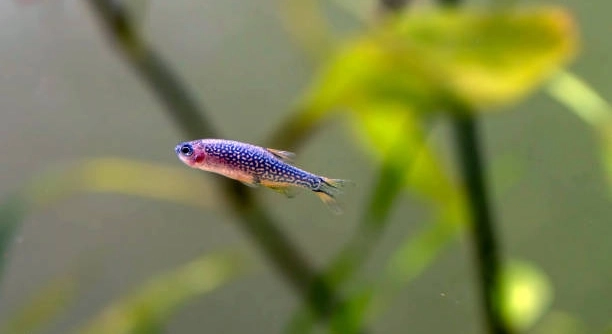
Danios are small, lively fish that brighten up any aquarium. Keeping their water clean is important, but harsh chemicals can harm them. Many fish owners look for gentle cleaners that maintain a healthy tank environment safely.
Choosing gentle cleaners for danios involves selecting products that do not contain harmful chemicals, are non-toxic, and maintain stable water parameters. Safe options often include natural, plant-based, or mild cleaning agents that preserve fish health and tank balance.
Using the right cleaners can make tank maintenance easier and keep danios thriving in their home. These choices help maintain a clean and safe aquatic environment.
Mild Vinegar Solutions
Vinegar is a common household item that works well for gently cleaning aquarium surfaces. Diluted properly, it can remove algae and mineral deposits without harming danios. Many fish owners use a solution of one part vinegar to three parts water to scrub glass walls, decorations, and even filter parts. Rinsing everything thoroughly afterward is key because leftover acidity can irritate fish. Vinegar is also effective at preventing buildup if used consistently, making routine cleaning easier. It’s a simple, affordable method that avoids harsh chemicals. Using vinegar occasionally can keep the tank clean without affecting water quality, pH balance, or the overall health of the fish. Some aquarists combine vinegar cleaning with partial water changes to improve clarity and reduce odor. While it may take a little extra time to rinse decorations completely, the safety it provides to danios makes it worth the effort.
Vinegar is safe when diluted and rinsed properly. It cleans without harming danios.
Using vinegar regularly prevents stubborn algae and keeps the tank visually appealing. It supports a healthy environment, allowing danios to swim freely and comfortably, and helps maintain stable water conditions. A consistent, careful approach ensures that cleaning is effective without stressing the fish. Even small debris on the tank walls can be removed with this simple method, keeping their habitat neat. Vinegar also works on stubborn spots in decorations that might otherwise require chemical cleaners, making it a reliable, gentle choice. Over time, regular vinegar cleaning reduces the need for frequent heavy maintenance. This method supports water clarity, prevents odor, and allows for a safe, clean environment that promotes active behavior and reduces stress in danios. Combining vinegar cleaning with occasional partial water changes ensures a balanced ecosystem without disturbing their routine.
Aquarium-Safe Brushes
Soft brushes designed for aquarium use are ideal for cleaning without disturbing danios. They can remove algae, leftover food, and waste from hard-to-reach areas. Using gentle pressure prevents scratching the glass or decorations, protecting both the tank and the fish. Brushes come in various sizes, allowing careful cleaning of corners, rocks, and artificial plants. They help maintain clear water and reduce the buildup of harmful bacteria. Many fish owners find that keeping a set of dedicated aquarium brushes prevents cross-contamination from other household cleaning tasks. Brushing can be combined with partial water changes to make maintenance more efficient. The technique is simple, requiring slow, steady movements to avoid startling the fish. For heavily soiled areas, brushing after removing some water helps reduce mess and keeps debris from floating freely. Regular brush use allows tanks to stay attractive while keeping danios safe and comfortable in their environment.
Soft aquarium brushes gently clean algae and debris while keeping danios safe.
Using brushes effectively requires care and patience. Start by brushing lightly along walls and decorations to loosen algae without stressing the fish. Rinse brushes in tank water, never tap water, to avoid introducing chlorine or chemicals. For stubborn spots, a soft bristle toothbrush or a small sponge dedicated to the tank can help. Always avoid abrasive brushes that can scratch glass or damage silicone seals. Brushing regularly prevents thick algae buildup, making each cleaning easier and maintaining water clarity. By combining brushing with partial water changes, you can remove debris more efficiently without disturbing the fish. Brushes also help reach areas difficult to clean with nets or siphons, like behind rocks or plants. Keeping brushes separate from other cleaning tools ensures no harmful residues enter the tank. Over time, a simple brushing routine keeps decorations and surfaces tidy, reduces the risk of bacteria, and supports the overall health of danios.
Plant-Based Cleaners
Plant-based cleaners are gentle on water and safe for danios. They break down grime without adding harsh chemicals and are often biodegradable, making them an eco-friendly choice for aquarium maintenance.
These cleaners, often made from citrus or coconut derivatives, can remove light algae and residue from surfaces and decorations. They do not interfere with pH levels or introduce toxins that can stress fish. Many aquarists use them on tank glass, artificial plants, and even silicone seals to maintain a safe, clean environment. Plant-based cleaners work best when applied with a soft cloth or sponge, ensuring even coverage while avoiding sharp scrubbing. They are effective in keeping the tank visually clear and can reduce the need for stronger chemical alternatives, making them a reliable part of regular tank care. Their mild nature allows frequent use without concern for harming the delicate balance of the aquarium.
Regular use of plant-based cleaners keeps water clear and decorations spotless. They support a calm, healthy habitat and reduce the buildup of grime. By maintaining surfaces gently, danios can swim freely without exposure to harsh substances.
Baking Soda Treatments
Baking soda can help neutralize odors and remove stubborn mineral deposits in aquariums without harming danios. Its mild alkalinity makes it safe for occasional cleaning.
Sprinkling a small amount of baking soda on decorations or using a diluted paste on glass helps remove tough stains. Rinse thoroughly afterward to prevent residue from altering water chemistry. Baking soda is especially useful for tanks with hard water, as it softens mineral buildup while remaining non-toxic to fish. Many hobbyists find it effective for cleaning tank walls, rocks, and other surfaces without needing chemical cleaners. It can be combined with brushing to remove algae or accumulated debris efficiently. Overuse should be avoided to maintain stable water parameters, but careful application ensures safety. This method is affordable, widely available, and simple, offering a reliable way to maintain a clean aquarium.
Baking soda treatments are gentle, inexpensive, and effective. They help maintain clear water and clean surfaces while keeping danios safe and comfortable.
Aquarium Salt Solutions
Aquarium salt can help clean certain surfaces and improve fish health when used carefully. It’s mild and doesn’t harm danios in low concentrations.
Adding a small amount to water during partial changes can reduce algae growth and gently disinfect decorations. Always follow recommended dosages to avoid stressing the fish.
Hydrogen Peroxide Spot Cleaning
Hydrogen peroxide is useful for targeted cleaning of tough algae or debris on decorations. It breaks down quickly into water and oxygen, leaving no lasting chemicals behind. Use only small amounts on removed decorations, rinse thoroughly, and never apply directly into the tank with fish present. This method provides a safe, controlled way to tackle stubborn spots without disturbing the aquarium’s balance.
Soft Cloths and Sponges
Soft cloths and sponges can remove algae and residue from glass and surfaces safely. Avoid abrasive materials that may scratch or damage the tank.
Commercial Aquarium Cleaners
Some commercial cleaners are formulated specifically for fish tanks and labeled safe for danios. These products can remove algae and deposits efficiently. Always follow instructions carefully, choose non-toxic options, and rinse thoroughly to maintain a safe environment for the fish.
FAQ
What are the safest cleaners for danios?
The safest cleaners are those that are non-toxic and free of harsh chemicals. Vinegar solutions, plant-based cleaners, baking soda, and aquarium-safe brushes are ideal. They clean surfaces effectively without disrupting water chemistry or stressing the fish. Always rinse thoroughly after cleaning to remove residues.
Can I use household detergents in my aquarium?
No, household detergents are too strong and contain chemicals that can harm or kill danios. Even small traces can change pH levels or damage gills. Stick to cleaners specifically labeled safe for aquariums or mild, natural alternatives like vinegar or baking soda.
How often should I clean my danio tank?
A light cleaning every one to two weeks is usually sufficient, with partial water changes at the same time. Deep cleaning of decorations and glass can be done monthly. Regular maintenance prevents buildup of algae and debris, keeping fish healthy and active.
Is it safe to use hydrogen peroxide in the tank?
Hydrogen peroxide can be safe when used for spot cleaning on removed decorations. Never apply it directly into the tank with fish. It breaks down into water and oxygen, leaving no harmful residue, but careful handling is necessary to avoid accidental exposure.
Can aquarium salt harm my danios?
When used in low concentrations during partial water changes, aquarium salt is generally safe. It can help reduce algae growth and support fish health. Overuse, however, can stress danios and alter water chemistry, so following recommended dosages is important.
Are soft cloths and sponges really effective?
Yes, soft cloths and sponges remove algae and residue safely from glass and surfaces. Avoid abrasive materials, which can scratch decorations and create surfaces where algae regrows more easily. These tools are simple and effective for regular tank upkeep.
Do commercial aquarium cleaners work better than natural options?
Some commercial cleaners are convenient and efficient, especially for tough algae or stains. Choose products labeled safe for danios and rinse thoroughly. While natural alternatives like vinegar and baking soda are gentler, commercial options can save time when used correctly.
How do I prevent algae without harming my danios?
Control lighting, feed fish properly, and use gentle cleaners regularly. Plant-based or mild solutions, soft brushes, and partial water changes help prevent algae while keeping the tank safe. Over-cleaning or strong chemicals can stress fish, so balance is key.
Can I mix different cleaners in the aquarium?
It’s best not to mix cleaners directly in the tank. Some combinations can cause chemical reactions or change water parameters. Use one cleaner at a time, rinse decorations thoroughly, and return them only when they are safe for danios.
How do I clean decorations safely?
Remove decorations from the tank and scrub with a soft brush or sponge using a mild solution like vinegar or baking soda paste. Rinse well with dechlorinated water before placing them back in the tank. This prevents chemical residues from affecting fish.
Are these cleaning methods safe for other fish too?
Yes, gentle cleaners like vinegar, baking soda, plant-based solutions, soft brushes, and aquarium salt are generally safe for most small, freshwater fish. Avoid harsh chemicals, which can harm sensitive species, and always follow dosage instructions.
How do I know if a cleaner is safe for my danios?
Check labels for non-toxic, fish-safe claims. Research ingredients and choose products used by aquarists for small freshwater fish. When trying a new cleaner, test it on a removed decoration first and observe any changes in water quality.
What is the best routine for maintaining a healthy tank?
Combine partial water changes, light cleaning with brushes or sponges, and gentle cleaners on decorations every one to two weeks. Monthly deeper cleaning keeps surfaces clear of algae, reduces odor, and ensures water parameters remain stable, supporting active and healthy danios.
Can over-cleaning harm my danios?
Yes, cleaning too aggressively or too often can stress fish and disturb beneficial bacteria in the tank. Stick to a gentle, consistent routine and avoid strong chemicals. Gentle cleaning methods protect water quality and allow fish to thrive naturally.
How do I safely remove tough algae spots?
Use hydrogen peroxide on removed decorations or a baking soda paste. Scrub gently with a soft brush or sponge, then rinse thoroughly. Avoid introducing these substances directly into the tank with fish present to prevent irritation or changes to water chemistry.
Are there eco-friendly cleaners that are safe for danios?
Plant-based, biodegradable cleaners are safe and environmentally friendly. They remove grime and algae without harsh chemicals. When applied carefully with soft brushes or sponges and rinsed thoroughly, they maintain a healthy tank for danios while being gentle on the ecosystem.
Can I use vinegar on live plants?
Vinegar can harm delicate live plants if applied directly. It’s best for decorations and glass surfaces. If live plants need cleaning, gently remove algae manually or use diluted, plant-safe solutions specifically designed for aquatic plants to avoid damage.
How do I avoid changing water parameters while cleaning?
Use mild cleaners, rinse decorations thoroughly, and avoid adding concentrated substances directly into the tank. Partial water changes and careful measurement help maintain pH, hardness, and other parameters, ensuring danios remain comfortable and healthy during maintenance.
Is brushing enough to maintain a clean tank?
Brushing removes algae and debris but works best alongside partial water changes and gentle cleaners. Regular brushing prevents buildup and keeps decorations and glass clear. Combining methods ensures the tank stays clean without disturbing danios or altering water chemistry.
How long should I wait after cleaning before putting decorations back?
Rinse decorations thoroughly with dechlorinated water and ensure all residues from cleaners are gone. Waiting a short period to confirm no lingering smell or taste ensures safety. Proper rinsing protects danios from irritation or stress in the cleaned environment.
Are there signs that a cleaner harmed my danios?
Watch for unusual behavior like gasping at the surface, lethargy, or hiding. Cloudy water or strong odors may indicate chemical residues. Stop using the cleaner immediately, perform a partial water change, and monitor fish closely to restore a safe habitat.
Can I clean the tank while fish are inside?
Light maintenance like siphoning debris or brushing surfaces can be done carefully with fish present. Avoid using chemicals directly in the water while fish are inside, as even small amounts can cause stress or harm. Gentle methods keep the tank safe during routine cleaning.
What’s the most cost-effective way to maintain a danio tank?
Use household items like vinegar, baking soda, soft brushes, and plant-based cleaners. These are inexpensive, widely available, and safe for regular maintenance. Combining them with partial water changes provides an effective, budget-friendly routine for a clean, healthy aquarium.
Can I mix hydrogen peroxide and vinegar?
No, mixing them can create chemical reactions that may release gases or alter water chemistry. Always use one cleaner at a time on removed decorations and rinse thoroughly. This prevents harm to danios and ensures safe, controlled cleaning practices.
How do I maintain a clean tank without stressing my fish?
Use gentle cleaners, soft brushes, and regular partial water changes. Avoid strong chemicals, sudden temperature changes, or over-cleaning. Move slowly during maintenance and minimize disturbances to the water, allowing danios to remain calm and healthy throughout the process.
Keeping a danio tank clean doesn’t have to be complicated. Using gentle cleaners and safe maintenance methods helps maintain a healthy environment for the fish while keeping the aquarium visually appealing. Simple solutions like diluted vinegar, plant-based cleaners, and baking soda can remove algae, mineral deposits, and other debris without harming the water chemistry or stressing the fish. Regular cleaning with soft brushes and sponges ensures surfaces stay clear, decorations remain attractive, and the tank avoids the buildup of harmful bacteria. Even small, consistent efforts go a long way in supporting the well-being of danios and maintaining a stable, balanced ecosystem.
It’s important to remember that safety comes first. Harsh household chemicals, detergents, and strong commercial cleaners can be toxic to danios, even in small amounts. Using products labeled safe for aquariums or naturally mild options is the best approach. Partial water changes should accompany any cleaning routine to maintain consistent water quality, and thorough rinsing of decorations and surfaces prevents residues from affecting the fish. Tools like soft brushes, sponges, and even small cloths are effective for removing algae and debris without scratching the tank or decorations. When tougher cleaning is necessary, hydrogen peroxide or baking soda pastes applied to removed decorations can tackle stubborn spots safely, as long as the fish are not present during application.
Establishing a simple, regular cleaning schedule benefits both the tank and the fish. Light maintenance every one to two weeks, combined with monthly deeper cleaning, keeps water clear and ensures that decorations, plants, and surfaces remain in good condition. Gentle cleaners and careful techniques reduce stress on danios, allowing them to swim freely and display natural behaviors. Using these approaches consistently helps prevent the need for stronger chemicals and creates a safe, comfortable environment where the fish can thrive. Over time, the tank remains clean, stable, and visually pleasing without compromising the health of the danios. With patience, consistency, and the right tools, maintaining a safe and healthy aquarium becomes a manageable and rewarding part of fish care.

Hello,
If you enjoy the content that we create, please consider saying a "Thank You!" by leaving a tip.
Every little bit helps us continue crafting quality advice that supports the health, happiness, and well-being of pets around the world, for pets of all shapes, sizes, and species.
We really appreciate the kindness and support that you show us!