
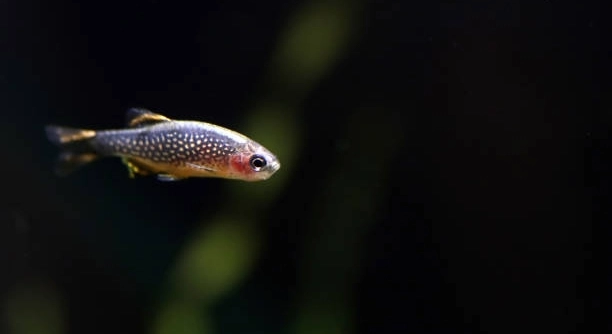
Creating a home for danios can be a rewarding experience, but it takes more than just filling a tank with water and fish. Many owners want their aquariums to feel closer to the fish’s natural environment.
The most effective way to make a danio tank feel natural involves replicating their native habitat through proper plant selection, substrate choice, water flow, and lighting. Including hiding spots and open swimming areas promotes healthy behavior and reduces stress.
By paying attention to these small details, your danios will feel more comfortable, active, and healthy in their environment. Learning these techniques can greatly improve their daily life.
Choosing the Right Plants
Adding live plants can make a danio tank feel more natural and provide hiding spots for the fish. Hardy plants like Java fern, Anubias, and hornwort are easy to maintain and tolerate different water conditions. Placing taller plants at the back and shorter ones near the front helps create depth and open swimming areas. Floating plants can also soften the lighting and provide shelter. Plants not only improve aesthetics but also enhance water quality by absorbing nitrates. It’s important to anchor plants properly in the substrate to prevent them from being uprooted by active danios. Avoid overcrowding the tank, as danios need open space for swimming. A balance of dense plant areas and clear swimming zones helps mimic their natural rivers and streams. Adjust plant placement over time as they grow, ensuring that the tank remains visually appealing and functional. Watching your fish explore and interact with plants can be very satisfying.
Healthy plants contribute to the tank’s ecosystem and reduce stress for the danios.
Regular trimming and plant care ensure the tank stays organized and visually natural, supporting both fish and plant growth in the long term.
Substrate and Decoration
Choosing the right substrate is essential for a natural tank. Gravel or sand that resembles riverbeds works well.
The substrate should allow for easy planting and provide a comfortable base for danios. Smooth rocks and driftwood can create hiding spots and break up open areas. Avoid sharp decorations that could injure the fish. Using a mix of fine sand and small pebbles mimics natural habitats, allowing fish to forage and explore naturally. Driftwood adds texture, and its natural tannins can slightly soften water, benefiting fish health. Rocks can be arranged to form caves or crevices, providing additional shelter and a sense of security. Decorations should be spaced to maintain open swimming paths, as danios are active swimmers. Avoid overcrowding, which can stress the fish or restrict movement. Keep in mind that regular cleaning is necessary to prevent debris buildup, especially around plants and rocks. A well-chosen substrate and thoughtful decoration arrangement make a tank visually appealing while supporting natural behavior. Over time, the tank will feel balanced, lively, and comfortable for the danios, reflecting their natural environment without overwhelming the space.
Lighting and Water Flow
Proper lighting helps plants grow and keeps danios active. Soft, natural light that mimics daytime cycles works best for both plants and fish.
Maintaining moderate water flow is important for danios, as they are used to gentle currents in rivers and streams. A filter that circulates water without creating strong turbulence helps oxygenate the tank while keeping the environment calm. Positioning the filter output to create subtle movement allows fish to swim naturally against currents, encouraging exercise and healthy behavior. Avoid placing decorations directly in front of the flow, as this can create strong, stressful currents. Observing how your fish interact with water movement helps adjust the setup for a more balanced environment. Proper lighting and flow not only benefit fish behavior but also promote plant growth, maintaining a natural look in the tank.
Balanced lighting and gentle water movement reduce stress, enhance plant growth, and create a more realistic river-like environment for danios.
Creating consistent water flow patterns helps fish establish territories and interact naturally. It also ensures even distribution of nutrients and temperature throughout the tank, supporting both plant health and fish activity. By paying attention to flow patterns and light cycles, the aquarium becomes a stable and engaging habitat. Adjusting flow gradually when changing tank features helps prevent sudden stress, and combining these elements with plants and decorations enhances the overall natural feel of the tank.
Temperature and Water Quality
Maintaining proper temperature keeps danios healthy and active. Water should stay between 72 and 78°F.
Regular water changes help maintain quality and reduce toxins like ammonia and nitrates. Using a reliable heater ensures consistent temperature, preventing stress from sudden fluctuations. Testing water for pH, hardness, and chemical levels allows you to adjust as needed. Filters should be cleaned routinely without disturbing beneficial bacteria. A combination of regular water changes, careful monitoring, and stable temperature keeps the environment predictable for danios. Sudden changes can stress fish and make them prone to illness. Soft, slightly acidic to neutral water often mimics their natural habitat. Monitoring and adjusting water conditions gradually helps fish adapt and thrive. Clean water also supports plant growth, making the tank healthier overall.
Stable temperature and consistent water quality encourage natural behaviors and swimming patterns. Danios feel safer, healthier, and more active when their environment is reliable.
By keeping water parameters stable and making small adjustments gradually, the tank maintains equilibrium. Fish show less stress, feed more consistently, and interact naturally. Plants benefit from clean water, and the tank looks more vibrant. Over time, a well-maintained temperature and quality system allows the aquarium to function like a miniature ecosystem, where danios can swim freely, explore hiding spots, and live comfortably without unnecessary stress. Combining temperature control with water quality maintenance ensures both fish and plants flourish harmoniously.
Tank Size and Fish Numbers
Danios are active swimmers and need space to move freely. A small tank can stress them and limit natural behaviors.
Keeping them in groups of at least six allows social interaction and reduces aggression. Crowding can cause stress and health issues, so plan tank size carefully.
Adding Hiding Spots
Caves, rocks, and driftwood provide shelter and security for danios. Fish feel more comfortable with places to hide. A mix of open swimming areas and covered spots allows them to explore safely. These hiding places also reduce stress during feeding or changes in the tank environment.
Feeding Naturally
Provide a varied diet that reflects their natural intake. High-quality flakes, small live foods, and occasional frozen treats meet their nutritional needs. Feeding small amounts multiple times a day encourages natural foraging behavior. Avoid overfeeding, as leftover food can pollute the tank and harm water quality.
Maintaining Cleanliness
Regular cleaning keeps the tank safe and healthy. Remove uneaten food, trim plants, and vacuum the substrate to prevent buildup. Consistent maintenance ensures the tank remains comfortable for danios and supports a balanced environment for both fish and plants.
FAQ
How often should I change the water in a danio tank?
Water changes are essential for keeping the tank clean and maintaining healthy water conditions. Generally, replacing 20-25% of the water every week works well. This removes excess waste, reduces nitrates, and keeps the environment stable for the fish. When performing water changes, make sure the new water is treated to remove chlorine and is close to the tank’s temperature. Avoid changing too much water at once, as sudden shifts can stress the fish. Consistency is key—regular small changes are better than occasional large ones. Observing the tank for signs of waste buildup or cloudy water helps adjust the schedule if needed.
What is the best diet for danios?
Danios are omnivores, so they need a mix of protein and plant-based foods. High-quality flake or pellet food designed for small tropical fish works well as a staple. Supplementing with live or frozen foods like brine shrimp, daphnia, or bloodworms adds variety and encourages natural hunting behavior. Occasionally adding blanched vegetables, such as spinach or zucchini, provides extra nutrients and fiber. Feed small amounts two to three times per day, making sure the fish can consume all the food within a few minutes. Overfeeding can pollute the water and harm both the fish and the plants, so careful portioning is important.
How can I tell if my danios are stressed?
Signs of stress include hiding excessively, staying at the bottom, erratic swimming, or loss of appetite. Color fading and clamped fins are also common indicators. Stress can result from poor water quality, overcrowding, sudden changes in temperature, or aggressive tankmates. Monitoring their behavior daily helps spot problems early. Addressing the cause—like adjusting water conditions, providing more hiding spaces, or reducing tank crowding—can quickly improve their wellbeing. Stress prevention is always easier than treatment, so maintaining stable, natural conditions benefits the fish long-term.
Do danios need a heater in their tank?
Yes, maintaining a consistent temperature is important. Danios prefer water between 72 and 78°F. Depending on the room temperature, a heater may be necessary to keep the tank stable, especially in cooler climates. Sudden drops or spikes in temperature can stress the fish and weaken their immune system. A reliable heater with a thermostat ensures the water stays consistent. Check the temperature regularly with a thermometer to confirm accuracy, and adjust the heater slowly if needed. Proper temperature control encourages active swimming, healthy feeding, and overall better behavior in the tank.
Can danios live with other fish?
Danios are generally peaceful but active fish. They do well with other small, non-aggressive species that share similar water requirements. Avoid slow-moving or long-finned fish that may become stressed by danios’ constant swimming. Keeping them in groups of at least six reduces aggression among themselves and helps them feel secure. Introducing new fish slowly and monitoring interactions prevents stress or bullying. Compatibility depends on tank size, hiding spaces, and water parameters. When set up properly, a mixed-species tank can be dynamic and interesting, while still providing a natural-feeling environment for the danios.
How do I prevent algae in the tank?
Algae grows when light and nutrients are excessive. Controlling light duration, avoiding overfeeding, and maintaining regular water changes help keep algae in check. Live plants compete for nutrients and reduce algae growth naturally. Removing visible algae manually during maintenance also prevents it from spreading. Balance is key—too little light can harm plants, and too much can fuel algae blooms. Using a scraper or soft brush ensures decorations and glass stay clean. Monitoring the tank weekly allows early intervention, keeping both fish and plants healthy.
How often should I trim plants?
Regular trimming prevents plants from overgrowing and blocking swimming space. Fast-growing plants may need trimming every one to two weeks, while slower species can go longer. Removing dead or decaying leaves keeps water clean and prevents algae growth. Proper trimming encourages healthy growth and helps maintain an organized tank layout. Be careful not to remove too much at once, as this can shock the plants and reduce shelter for the fish. Observing plant growth patterns helps determine the best trimming schedule.
What type of filter is best for a danio tank?
A filter that provides moderate water flow is ideal. Danios enjoy gentle currents, so avoid strong, turbulent outputs. Canister filters or hang-on-back filters with adjustable flow work well. The filter should provide mechanical, biological, and chemical filtration to maintain water clarity and health. Regular maintenance, such as rinsing filter media in tank water, ensures efficient operation without killing beneficial bacteria. Proper filtration keeps the tank balanced, reduces stress for the fish, and supports plant growth. Choosing the right filter size for your tank volume is also essential.
Is it necessary to have a lid on the tank?
Yes, a lid prevents danios from jumping out. They are active swimmers and can easily leap if startled or exploring. A secure lid also reduces evaporation and helps maintain water temperature. Mesh or glass lids work well, ensuring adequate airflow while keeping the fish safely inside. Checking the lid daily and making sure it fits properly helps avoid accidents. Some lids come with feeding slots, making it easy to offer food without fully opening the tank.
How can I encourage natural behavior in danios?
Providing space, plants, hiding spots, and a balanced diet encourages natural activity. Gentle water flow and consistent conditions allow swimming, exploring, and social interactions. Observing and adjusting the environment gradually helps fish feel secure. Maintaining a routine feeding schedule and clean tank fosters predictable behavior. Regularly rearranging decorations slightly can simulate environmental changes they would experience in nature. Avoid sudden disruptions or overcrowding. By mimicking their natural habitat as closely as possible, danios display healthy, active, and social behaviors, making the tank lively and engaging.
This FAQ covers common concerns and practical tips to maintain a natural, healthy environment for danios, supporting both their wellbeing and the overall balance of the tank.
Creating a natural-feeling tank for danios takes attention to detail and consistent care, but it doesn’t have to be complicated. Each element, from plants to decorations to water flow, contributes to the comfort and health of the fish. When the tank is thoughtfully arranged, it not only looks pleasing but also provides a safe environment where danios can swim freely, explore hiding spots, and interact with each other. Simple choices, like selecting hardy plants, smooth substrate, and moderate water flow, can make a big difference. Even small changes, such as adding a few rocks or a piece of driftwood, can create a more dynamic and engaging space that mimics their natural habitat. The goal is balance—enough cover to feel secure but plenty of open swimming areas for activity. Observing how the fish respond to the setup helps refine the environment over time.
Maintaining stable water conditions is one of the most important parts of keeping a danio tank natural and healthy. Temperature, water quality, and filtration all play key roles in reducing stress and supporting long-term wellbeing. Weekly water changes, careful feeding, and monitoring chemical levels prevent problems before they start. Overfeeding, sudden temperature changes, or overcrowding can quickly upset the balance, so regular observation is essential. Danios are active and social, and when the tank is well-maintained, they are more likely to display natural behaviors such as schooling, exploring, and foraging. Providing a mix of hiding spots, plants, and open swimming areas encourages these behaviors while giving the fish confidence in their environment. Over time, a consistently cared-for tank becomes a stable ecosystem where fish, plants, and even beneficial bacteria thrive together.
Planning the layout, decorations, and daily care routines with the fish’s natural preferences in mind ensures that the tank remains both functional and visually appealing. Even small adjustments, like trimming plants or rearranging rocks, can help maintain a sense of variety and interest. Attention to details like lighting schedules, water flow, and feeding patterns reinforces natural rhythms for the fish, which contributes to their overall health. Watching the fish interact, swim, and explore their environment can be rewarding, showing that the effort put into creating a natural tank pays off. Ultimately, a natural-feeling danio tank is about creating a balanced space that meets the fish’s needs while remaining manageable for the owner. With regular care and thoughtful planning, the tank will not only look natural but also provide a stable, comfortable home where danios can live actively and happily for years.

Hello,
If you enjoy the content that we create, please consider saying a "Thank You!" by leaving a tip.
Every little bit helps us continue crafting quality advice that supports the health, happiness, and well-being of pets around the world, for pets of all shapes, sizes, and species.
We really appreciate the kindness and support that you show us!