
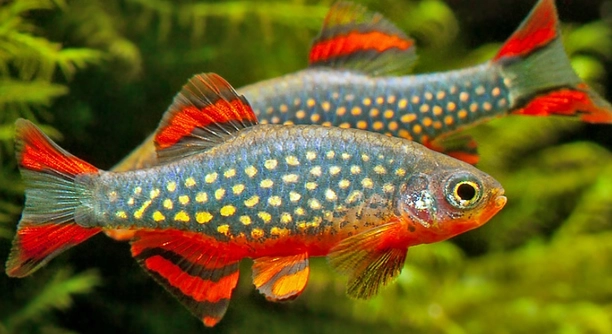
Do you ever notice how traditional rectangular tanks dominate pet stores, leaving little thought for creative alternatives? For those keeping danios, exploring different tank shapes can make a surprising difference in their swimming and activity patterns.
Danios thrive in tanks that provide both horizontal swimming space and consistent water flow. Unconventional tank shapes, such as bow-fronts, hexagons, or circular setups, can support these needs effectively while also adding aesthetic variety to the aquarium environment.
Learning about these options opens up new possibilities for tank design and fish wellbeing, offering both functional and visually appealing setups for your danios.
Bow-Front Tanks
Bow-front tanks have a curved front glass that slightly extends outward, giving a panoramic view of the aquarium. This shape provides danios with extra horizontal swimming space near the front, which they seem to enjoy. The curved design can also make small tanks feel larger, giving the impression of more open water. Many people choose this shape because it blends well with living room furniture or office spaces. It’s easier to view fish from different angles without leaning over the tank. Filtration and heating equipment can be hidden behind the tank corners, keeping the setup clean. While the curve adds visual appeal, it does not restrict water flow when a proper filter is used. This tank shape supports both aesthetics and function, making it a practical choice for active schooling fish like danios. Lighting also spreads more evenly across the curved front, enhancing colors.
Bow-front tanks are ideal for small groups of danios, giving them a wider swimming plane.
With the added width at the front, danios have room to swim in long arcs. They can use the extra space to chase one another without bumping into corners, which reduces stress. Plants and decorations can be arranged along the edges, leaving the central area open for swimming. The curve allows for more natural viewing angles and encourages interaction with the fish without disturbing them. Regular maintenance is straightforward, as the shape does not trap debris differently than a standard tank. Overall, bow-front tanks combine visual appeal with practical space for danios to thrive.
Hexagonal Tanks
Hexagonal tanks offer multiple viewing angles and an interesting geometric shape. The six sides create a more spacious feeling and encourage exploration.
These tanks provide unique corners for decorations and plants while giving danios enough open swimming space. Their shape can make a small aquarium feel less confined and adds a modern touch to any room.
The angles of hexagonal tanks create a flow that danios can follow in loops, which keeps them active and reduces aggression. Filtration placement can be adapted to any corner, making water circulation smooth. Hexagonal tanks often allow for taller decorations in the corners without blocking open swimming space. Lighting reaches most areas evenly because of the shape, enhancing the colors of the fish. For a small school, the tank offers enough horizontal and vertical swimming space to encourage natural behaviors. It also encourages creative aquascaping, letting you use plants and rocks to define areas while keeping central swimming zones clear. Maintenance is easy when each side is accessible. Overall, hexagonal tanks provide both a functional and visually engaging habitat.
Circular Tanks
Circular tanks allow danios to swim continuously without sharp corners to turn around in. This keeps their movement smooth and reduces stress. The shape is visually striking and makes the fish appear to glide effortlessly.
The continuous curve of a circular tank encourages natural swimming patterns. Danios can maintain steady movement, which helps with exercise and overall health. Decorations can be placed in the center or along the edges without obstructing swimming space. Water circulation is usually even, which keeps temperature and oxygen levels stable. Filtration and heating systems work well in these tanks, ensuring water quality stays consistent. Observing danios in a circular tank is satisfying because their movement feels more natural and flowing. While it may take a bit more planning to decorate effectively, the tank shape offers both aesthetic appeal and functional benefits for active schooling fish.
Circular tanks also allow for creative aquascaping, including central features like driftwood or plants, while leaving plenty of open swimming space along the perimeter.
Tall Column Tanks
Tall column tanks are perfect for vertical space, giving danios more room to explore up and down. They offer a unique perspective and make small floorspace feel efficient. Their height allows for layered decorations and plants without crowding swimming areas.
The vertical dimension encourages danios to swim in bursts from top to bottom, which can improve fitness and stimulate natural behavior. Plants or rocks can be stacked in layers, creating distinct zones while leaving horizontal space clear for movement. Filtration should ensure strong water circulation to prevent stagnant areas at the bottom. Lighting can highlight tall decorations and create depth in the tank. While not ideal for very large schools, a moderate group of danios thrives in this shape because it promotes active swimming patterns and keeps the fish engaged. Vertical tanks also offer a striking visual display that stands out in a room.
Oval Tanks
Oval tanks create a gentle curve that gives danios a sense of open swimming space. Their elongated shape allows fish to move freely from one end to the other without sharp corners, reducing stress and promoting natural behavior.
The smooth edges make it easier to place decorations and plants along the sides. Open areas in the center encourage schooling and active swimming, which is important for danios. Water flow tends to remain consistent, and filtration placement is flexible. The shape also offers good viewing angles from multiple positions, making it enjoyable to watch the fish interact naturally.
Corner Tanks
Corner tanks fit neatly into room corners, using space efficiently while still providing horizontal swimming room. Their triangular shape allows danios to swim along the angled sides comfortably.
These tanks often encourage creative decoration along each corner, while keeping the central area open. Filtration can be placed unobtrusively, and lighting reaches all zones effectively. Danios benefit from both swimming space and hiding spots created by plants or rocks along the corners.
Rectangular Nano Tanks
Rectangular nano tanks are compact but still functional for small groups of danios. They allow for horizontal swimming in a minimal footprint, making them suitable for desks or shelves.
FAQ
What tank size is best for danios?
For small groups, a minimum of 20 gallons is recommended. Danios are active swimmers and need horizontal space. Taller or uniquely shaped tanks can work if the total water volume is sufficient. Avoid very small tanks, as they can stress the fish and reduce oxygen levels.
Can danios thrive in non-rectangular tanks?
Yes, they can adapt to many shapes like circular, bow-front, or hexagonal tanks. The key is ensuring there is enough open swimming space and proper water circulation. Decorations should not block movement, and filters must maintain consistent water quality.
Do unusual tank shapes affect water flow?
Some shapes may slightly change circulation patterns. Curved tanks like circular or bow-front models tend to have smooth flow. Tall column tanks need strong filters to prevent stagnant zones. Ensuring even circulation helps maintain oxygen and temperature consistency.
Are danios social enough for small tanks?
Danios are schooling fish and prefer being in groups of at least five. Even in smaller tanks, keeping a school prevents stress and encourages natural behavior. Decorations can provide resting spots, but central swimming space is most important.
Which tank shapes reduce aggression?
Curved or open tanks like circular and oval shapes reduce sharp corners where fish can get trapped, minimizing chasing and aggression. Hexagonal tanks also allow multiple swimming lanes. Avoid very narrow or segmented tanks, as these can increase competition among fish.
How should I arrange decorations in unusual tanks?
Place plants and rocks along the edges or corners, leaving open central space for swimming. Use tall decorations in column tanks to encourage vertical movement. Avoid overcrowding, as danios need clear paths for schooling and active swimming.
Do unusual shapes affect feeding?
Feeding behavior may slightly change depending on tank shape. In wider or curved tanks, food may spread out, so ensure even distribution so all fish can eat. Floating or sinking foods work as long as fish have room to swim and access all areas.
Is maintenance harder in non-traditional tanks?
Maintenance can be slightly trickier if the tank has curves or angles, as debris may collect in certain spots. Regular cleaning, proper filtration, and water testing ensure consistent water quality. Bow-front or hexagonal tanks may require extra care around corners.
Do danios need hiding spots in shaped tanks?
Yes, even in open swimming tanks, danios benefit from plants or decorations that offer cover. This helps reduce stress and gives fish a sense of security. Avoid blocking open swimming space while providing scattered hiding areas.
Can small tanks with unusual shapes support multiple fish species?
Yes, but compatibility must be considered. Danios are active swimmers, so tank mates should tolerate similar movement and water conditions. Avoid very slow or territorial species, as unusual tank shapes can amplify stress in confined spaces.
Do unusual tanks highlight danio colors differently?
Curved and angled glass can enhance the appearance of danios. Bow-front and circular tanks allow light to reflect evenly, making colors more vibrant. Lighting placement is important to avoid shadows or glare in specific areas.
Are non-rectangular tanks suitable for beginners?
They can be, as long as proper filtration, heating, and maintenance are maintained. Beginners should choose a shape that offers easy access for cleaning and feeding. Observing water flow and fish behavior ensures the tank remains suitable for danios.
Do decorations need to match tank shape?
Decorations should complement the space but mainly serve functionality. In circular tanks, central features work well, while tall column tanks benefit from vertical plants. The goal is to leave open swimming areas while providing natural cover.
Can unusual tank shapes improve fish activity?
Yes, tanks with smooth curves or unique angles encourage swimming in arcs or loops. Danios enjoy horizontal and vertical movement, so a well-planned non-traditional tank can keep them more active and healthier.
Is filtration different for shaped tanks?
Filtration may need adjustment based on tank shape. Bow-front and circular tanks generally have smooth circulation, but tall or angular tanks may require strategically placed filters to maintain even flow and prevent dead zones.
Are certain tank shapes better for breeding danios?
Open tanks with horizontal swimming space, like oval or bow-front models, are ideal. Decorations can provide areas for laying eggs, but maintaining consistent water quality is more important than shape alone.
Do unusual tanks affect oxygen levels?
Oxygen distribution is mostly influenced by water movement and surface area. Curved tanks with good circulation can maintain oxygen well. Tall column tanks may need surface agitation or additional aeration for optimal levels.
How often should water be changed in unusual tanks?
Weekly water changes of 20–30% are recommended regardless of tank shape. Regular maintenance prevents ammonia spikes, keeps water clear, and supports danios’ health. Tank shape may slightly influence debris collection, so check corners and curves.
Can unusual shapes make aquascaping easier or harder?
It depends on design. Hexagonal and bow-front tanks offer creative angles for layering plants or rocks, while circular tanks require central-focused layouts. Plan decorations to maximize swimming space while creating visually appealing zones.
Do shaped tanks impact fish visibility?
Curved tanks enhance viewing from multiple angles, making danios appear more dynamic. Hexagonal or bow-front models allow panoramic views, while tall tanks may limit visibility unless placed at eye level. Observing behavior helps assess the best placement.
Is temperature control affected by tank shape?
Shape does not drastically change heating, but taller tanks may need heaters that distribute warmth evenly. Filters and circulation help maintain consistent temperatures throughout, keeping danios comfortable and healthy.
Do unusual shapes require special lids or covers?
Most shapes need secure covers to prevent jumping. Bow-front or circular tanks may require custom-fit lids. A tight lid keeps water quality stable and protects danios from escaping.
Can unusual tanks work for both freshwater and planted setups?
Yes, many shapes support planted aquariums. Open swimming areas should remain clear, while plants can fill edges or corners. Lighting should reach all zones for plant growth, enhancing both aesthetics and fish comfort.
Are unusual tanks more expensive?
Some shapes cost more due to custom glass or design features. Bow-front, circular, or hexagonal models can be pricier than standard rectangles, but the investment supports fish wellbeing and aesthetic appeal.
Do danios need schooling in all tank shapes?
Yes, danios are social and perform best in groups. Even unusual shapes should accommodate at least five fish, allowing natural schooling and reducing stress. Open swimming areas are key to supporting their active behavior.
Can shaped tanks reduce algae buildup?
Shape alone does not prevent algae. Proper filtration, lighting, and maintenance are necessary. However, curved or angled tanks may make algae easier to spot and clean compared to very deep or obstructed setups.
Do unusual tanks require special water testing routines?
No special tests are needed, but frequent checks are important. Monitoring pH, ammonia, nitrites, and nitrates ensures the water remains suitable for danios. Tank shape may affect debris accumulation, so observe corners or curves closely during testing.
Are certain tank shapes better for children or shared spaces?
Compact but visually interesting shapes like hexagonal or oval tanks can fit well in shared rooms. Open central swimming areas allow safe observation, while decorations add interest without crowding fish. Safety and accessibility should always be considered when choosing a location.
Can unusual tank shapes influence feeding routines?
Yes, fish may spread out more in wider or curved tanks. Distribute food evenly to ensure all danios receive nutrients. Floating and sinking foods can work, but central open areas may need more attention to prevent uneaten particles.
Do unusual tanks need specific lighting setups?
Lighting should highlight the tank’s design and support plant growth. Bow-front and circular tanks benefit from evenly distributed lighting, while tall or angled tanks may require adjustable fixtures to reach all zones. Proper lighting also enhances fish coloration.
Can unusual tanks make fish more active?
Yes, tanks that allow free swimming in curves or along unique angles encourage movement. Danios will use all available space, promoting exercise, healthy growth, and natural behavior patterns.
Is it harder to introduce new fish to shaped tanks?
No, acclimation routines remain the same. Slowly adding new fish and monitoring interactions ensures a smooth transition. Open swimming areas in unusual shapes help reduce stress and allow newcomers to find space.
Are non-traditional tanks suitable for long-term setups?
Yes, as long as proper care, filtration, and maintenance are maintained. Regular water changes, monitoring, and ensuring enough swimming space allow danios to thrive long-term in a variety of tank shapes.
Can unusual tank shapes support both active and shy fish?
Yes, open areas allow active fish like danios to swim freely, while corners or taller zones provide hiding spaces for more reserved species. Proper layout and decorations balance activity and security for all inhabitants.
Do unusual tank shapes influence breeding success?
Yes, tanks that provide horizontal swimming space and scattered hiding spots encourage natural breeding behavior. Clean, stable water and adequate schooling conditions remain more important than shape alone.
Are shaped tanks more difficult to move?
Some shapes, like circular or bow-front, are heavier or harder to handle. Careful planning is needed for placement, cleaning, and transport. Rectangular tanks are generally easier to move, but unusual shapes can provide long-term aesthetic and functional benefits.
How do unusual tanks affect water surface agitation?
Surface agitation may vary slightly. Circular and bow-front tanks usually have smooth flow, while tall or angular tanks may need pumps or filter adjustments to maintain proper oxygen levels. Agitation is essential for overall fish health.
Do unusual shapes require custom stands or furniture?
Many curved or uniquely angled tanks need sturdy, level surfaces. Bow-front and circular models may require specialized stands to support weight evenly. Proper support ensures safety and prevents stress on the tank structure.
Are non-traditional tanks harder to decorate?
Decorating requires planning to maximize open swimming space. Curved tanks need central features, while corners can be used in hexagonal tanks. The goal is to balance aesthetics, hiding spots, and clear swimming lanes.
Can unusual shapes work with automated feeding or maintenance systems?
Yes, automated feeders and water changers can be adapted to most shapes. Ensure open areas allow food to spread evenly and filters remain accessible for maintenance routines.
Do unusual tanks affect water temperature stability?
Shape may slightly impact heat distribution. Taller tanks may require heaters that reach all levels, while curved tanks usually maintain even temperature when water circulates properly. Consistent heating is key for danio health.
Are unusual tanks suitable for live plants?
Yes, most shapes accommodate live plants. Curved tanks can highlight foreground plants, while taller tanks allow vertical layers. Lighting and water flow should support plant growth while leaving open swimming space for danios.
Can unusual tanks improve the overall aquarium experience?
Yes, visually engaging shapes combined with functional swimming areas create a more dynamic and enjoyable environment. Watching danios use all areas of the tank can be rewarding and satisfying.
Do unusual tanks need special filtration setups?
Filters should maintain strong circulation for oxygen and waste removal. Placement may vary depending on curves or angles, but standard aquarium filtration principles apply. Adequate flow ensures even temperature and clean water.
Are unusual tanks more prone to leaks or cracks?
Quality glass and proper construction minimize risk. Curved glass may require extra care, but well-made tanks are safe. Regular inspection ensures structural integrity, especially in bow-front or circular designs.
Do unusual tanks make it easier to observe danio behavior?
Yes, curved and angled tanks offer multiple viewing angles. Bow-front and circular models enhance natural swimming patterns, making interactions, schooling, and feeding behaviors easier to monitor.
Can unusual tanks support mixed-species setups?
Yes, as long as species have compatible activity levels and water requirements. Open swimming areas and scattered hiding spots help maintain harmony, particularly in active schooling fish like danios.
Do unusual tanks need special cleaning tools?
Some curves or angles may require flexible brushes or scrapers, but most standard aquarium tools work. Focus on areas where debris collects, especially in corners or curved sections.
Are unusual tanks more visually appealing?
Yes, bow-front, circular, hexagonal, and other unique shapes enhance aesthetics. They provide dynamic views of fish behavior and allow creative decoration, making the tank a focal point in any room.
Do unusual tanks require extra monitoring?
Regular water testing, observation of fish behavior, and filter checks remain essential. Unique shapes may change flow patterns, so monitoring ensures a stable environment and healthy danios.
Can unusual tanks reduce boredom in danios?
Yes, shapes that allow continuous swimming and varied routes help keep danios stimulated. Decorations along edges and open swimming lanes encourage exploration and activity, preventing lethargy.
Is setup different for unusual tanks?
Basic principles of water cycling, filtration, heating, and aquascaping remain the same. Planning placement and decorations may require more thought, but the setup process follows standard aquarium practices.
Do unusual tanks support long-term fish health?
Yes, with proper care. Open swimming space, consistent water quality, and attention to temperature and filtration ensure danios remain healthy, active, and stress-free in non-traditional tanks.
Can unusual tanks improve viewing for multiple people?
Yes, curved and angled designs allow more viewing angles. Bow-front and hexagonal tanks make observing fish easier from different sides, providing a shared experience without disturbing the fish.
Do unusual tanks impact water clarity?
Shape does not directly affect clarity. Proper filtration, water changes, and lighting are more important. Some angles may highlight debris, making maintenance slightly easier or more noticeable.
Are unusual tanks harder to decorate for natural habitats?
Not necessarily. Curved and angled tanks allow creative placement of plants, rocks, and driftwood while maintaining open swimming areas. Careful planning maximizes both aesthetics and function.
Do unusual tanks affect schooling patterns?
Curved and open designs encourage natural schooling movement. Danios swim in arcs or loops, which reduces stress and improves fitness. Narrow or segmented tanks may restrict this behavior, so open shapes are preferred.
Can unusual tanks support automated filtration systems?
Yes, filters, heaters, and air pumps can be installed as in standard tanks. Ensure placement supports smooth water flow and reaches all corners or levels in non-traditional shapes.
Do unusual tanks affect feeding competition?
Yes, wider or curved tanks may spread food more, requiring even distribution. Maintaining open swimming lanes ensures all danios can feed without stress or dominance issues.
Are unusual tanks suitable for beginners?
Yes, if proper filtration, heating, and maintenance routines are followed. Observing water flow and fish behavior ensures the tank remains suitable, while unique shapes can make the experience enjoyable.
Can unusual tanks influence light distribution?
Yes, curves and angles can help reflect light evenly, enhancing fish colors. Placement of lighting should consider tank shape to avoid shadows or dark areas that limit plant growth.
Do unusual tanks require special care for live plants?
Curved and angled tanks may need layered planting strategies. Lighting should reach all zones, and flow should prevent debris from settling on leaves. Central swimming lanes should remain clear for danios.
Can unusual tanks help prevent stress?
Yes, smooth swimming paths, open space, and thoughtful decoration reduce stress. Curved or spacious tanks allow danios to express natural behavior, improving overall health and activity levels.
Are unusual tanks compatible with standard aquarium equipment?
Yes, heaters, filters, and lights work with most non-traditional shapes. Placement may need adjustment for corners or curves, but standard equipment remains functional.
Do unusual tanks influence breeding behavior?
Tanks that offer horizontal swimming space, hiding spots, and stable water conditions encourage natural breeding. Shape supports activity, but water quality and group size remain critical factors.
Can unusual tanks make maintenance easier or harder?
Curves or angles may require flexible tools, but open layouts help with debris removal. Monitoring corners and edges ensures thorough cleaning without disturbing swimming areas.
Do unusual tanks require custom lighting fixtures?
Adjustable lighting may be needed for tall or curved tanks to reach all areas. Standard fixtures often work with minor adjustments to ensure full coverage for plants and fish.
Are unusual tanks better for active fish like danios?
Yes, open swimming lanes and smooth curves allow danios to maintain natural, continuous movement. Activity improves health, reduces stress, and encourages social interaction.
Do unusual tanks affect water testing routines?
No special tests are needed, but check areas where debris may accumulate. Corners, curves, or tall zones may require extra attention for consistent water quality.
Can unusual tanks reduce fish boredom?
Yes, varied swimming routes, open space, and creative decorations encourage exploration and activity. Danios remain engaged, healthy, and active in these environments.
Do unusual tanks require more planning for placement?
Yes, some shapes are heavier or wider, requiring stable surfaces. Consider visibility, access for maintenance, and room layout when selecting tank placement.
Can unusual tanks improve aquarium aesthetics?
Yes, bow-front, circular, hexagonal, and other designs enhance viewing and provide visually appealing layouts. Open swimming lanes, smooth curves, and layered decorations make the aquarium a focal point.
Do unusual tanks affect oxygen levels?
Proper circulation is key. Curved tanks often maintain smooth flow, while tall or angular tanks may need additional aeration. Adequate surface movement supports oxygen distribution.
Are unusual tanks safe for children or pets?
Yes, with secure lids and stable placement. Curved or custom-shaped tanks may require extra caution, but proper safety measures make them safe in shared spaces.
Can unusual tanks support both active and shy fish?
Yes, open swimming lanes allow active species like danios to move freely, while corners or tall zones provide hiding spots for more reserved fish.
Do unusual tanks require special decorations?
Not necessarily. Decorations should maximize swimming space while providing hiding spots. Curved tanks may use central features, and angled tanks can place plants or rocks in corners effectively.
Are unusual tanks harder to sell or replace?
Some custom shapes are less common, which may affect resale. However, their unique appearance and functional benefits often make them desirable for certain buyers.
Do unusual tanks support live plants well?
Yes, proper lighting and water circulation allow plants to thrive. Open swimming lanes should remain clear while plants occupy edges, corners, or vertical layers.
Can unusual tanks make fish behavior easier to observe?
Yes, curved and angled designs allow multiple viewing angles. Bow-front and circular tanks highlight natural swimming and social interactions, making it easier to monitor behavior.
Do unusual tanks require extra attention to filtration?
Filters should maintain strong flow for consistent water quality. Placement may need adjustment depending on curves or angles, but standard filtration principles still apply.
Can unusual tanks support automated systems?
Yes, feeders, filters, and water changers can be adapted. Open areas and careful placement ensure equipment functions efficiently without disrupting swimming paths.
Do unusual tanks affect fish health long-term?
With proper care, non-tr
Choosing the right tank shape for danios can make a noticeable difference in their behavior and overall health. While rectangular tanks are the most common, exploring unconventional options like bow-front, circular, or hexagonal tanks can offer benefits for active swimming and visual appeal. Each shape provides unique advantages that cater to danios’ natural tendencies. For example, curved tanks allow continuous swimming without sharp corners, while taller column tanks encourage vertical movement. Even smaller shapes, such as oval or nano rectangular tanks, can support a small group of danios as long as they provide enough open swimming space. The key is to balance aesthetics with functionality, ensuring that the fish have space to move freely, areas to explore, and spots to hide when needed. This approach supports both the well-being of the fish and the enjoyment of watching them interact naturally.
Filtration, lighting, and decorations play an important role regardless of the tank shape. Water flow needs to be consistent, especially in taller or angular tanks, to maintain oxygen levels and proper temperature. Decorations should be arranged to maximize open swimming areas while offering resting or hiding spots along edges and corners. Live plants are beneficial and can be used creatively depending on the tank design. In curved or circular tanks, central features work well, while in hexagonal or bow-front tanks, decorations along sides or corners create interesting layers. Regular maintenance, including water changes, cleaning, and testing for ammonia, nitrites, and pH, remains essential. Even a visually appealing tank will not support healthy fish without proper care. By considering the needs of danios first and planning the tank layout thoughtfully, unusual shapes can be both functional and attractive.
Ultimately, choosing a non-traditional tank shape is not just about style—it directly impacts the daily life of the fish. Danios are active, social swimmers, and they benefit from tanks that encourage natural movement and provide safe, open space. By selecting a tank that matches their activity level and combining it with proper filtration, lighting, and decoration, you create an environment that supports both health and behavior. Unique tank shapes can also make observing the fish more engaging, as the angles and curves allow you to see their schooling and interaction more clearly. Over time, these shapes can enhance the experience of keeping danios, providing a dynamic, stimulating environment that promotes long-term well-being. Thoughtful planning, attention to water quality, and attention to space requirements ensure that even unconventional tanks become a successful and enjoyable home for these lively fish.

Hello,
If you enjoy the content that we create, please consider saying a "Thank You!" by leaving a tip.
Every little bit helps us continue crafting quality advice that supports the health, happiness, and well-being of pets around the world, for pets of all shapes, sizes, and species.
We really appreciate the kindness and support that you show us!