
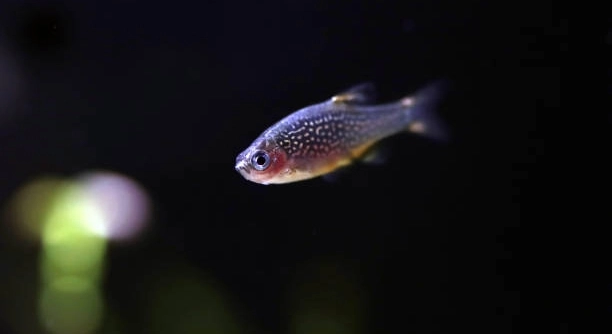
Danios are lively fish that often brighten up any aquarium. Observing their daily routines can be fascinating, as small changes in their environment or care can influence how energetic they appear throughout the day.
Danios show increased activity during predictable daily intervals. These moments are influenced by feeding schedules, light changes, water flow adjustments, social interactions, and environmental enrichment, all of which stimulate movement, exploration, and natural behaviors in the fish.
Knowing these activity patterns allows fish owners to better plan feeding, interaction, and tank management for healthier and more vibrant danios.
Morning Feeding Time
Morning feeding is often the liveliest part of the day for danios. As soon as food is introduced, they dart around the tank, competing for flakes and pellets. This burst of energy is natural and reflects their instinct to forage early in the day. Providing a consistent morning feeding schedule helps reinforce this active period. Many danios will anticipate the feeding, gathering near the surface or exploring every corner of the tank to find stray food. The excitement often encourages swimming patterns that are both quick and erratic, which helps keep their muscles toned. Adding small variations in food type, like occasional frozen or live options, can further stimulate their activity. Observing this behavior offers insight into their preferences and natural instincts. Tank decorations should allow for open swimming while offering spots to rest, so danios can alternate between bursts of motion and brief breaks comfortably throughout their feeding time.
This morning energy sets a positive tone for the rest of the day in the tank.
Tracking feeding behavior can reveal subtle health or social cues, helping you maintain a balanced and stimulating environment for all the danios.
Midday Exploration
Danios often show another peak in activity around midday. They swim more broadly across the tank, inspecting plants, rocks, and decorations.
This is a natural response to daylight and environmental cues. A well-lit tank encourages exploration, and varying the arrangement of decorations can maintain interest and movement. Midday activity allows danios to interact socially, chase one another, and establish swimming patterns. They may explore different levels of the tank, from the surface to the bottom, demonstrating their versatility and curiosity. Maintaining stable water conditions, including temperature and oxygenation, ensures these periods remain consistent. Subtle changes like a gentle water current or floating plants can create microenvironments that danios investigate, stimulating both physical and mental activity. Observing these periods helps owners understand social dynamics, preferred areas, and how the fish respond to small environmental changes. Consistent monitoring ensures that all individuals stay active and healthy, and that dominant behaviors do not overwhelm more timid fish during exploration periods. This midday activity complements feeding and encourages overall fitness.
Afternoon Playtime
Danios often become more active in the afternoon. They swim rapidly, chase one another, and investigate every corner of the tank. This is a natural burst of energy between feeding and rest periods.
This time of day is perfect for encouraging playful behavior. Adding floating toys or rearranging small decorations can stimulate curiosity and exploration. Gentle water currents or bubbles from an air stone also increase movement. Danios often respond to changes in their environment, and brief variations keep them mentally engaged. Observing their interactions helps identify social hierarchies and ensures that all fish remain active. Afternoon activity supports exercise, promotes healthy metabolism, and strengthens their swimming muscles. This predictable energy boost can be a highlight of the day in a well-maintained tank.
Providing a variety of textures and spaces, like plants, caves, or open areas, encourages danios to explore different swimming patterns. Rotating these elements occasionally prevents boredom, maintaining consistent activity and interest throughout the afternoon.
Evening Feeding Response
Danios respond strongly to evening feedings. They gather near the surface and swim more energetically when flakes or pellets are introduced.
Evening activity is often calmer than the morning but still significant. Fish that may rest during midday often rejoin the group during feeding. Providing the final meal before dimming the lights helps maintain their natural rhythm. Slightly smaller portions encourage sustained movement as they search for food. Feeding in this period also reinforces the tank’s daily schedule, helping danios associate light changes with activity periods. Observing their behavior during evening feeding reveals their hierarchy and alertness.
Ensuring consistent feeding and stable water conditions in the evening supports healthy digestion and prepares the fish for nighttime rest. Subtle variations, such as occasional treats or floating options, can stimulate movement and encourage a final active period, keeping them lively and engaged before the lights go down.
Early Morning Light
Danios often respond quickly to the first light of the day. They swim actively near the surface, exploring and adjusting to the gradual increase in brightness.
This early activity helps them transition from rest to full alertness. Gentle morning light encourages natural behavior and movement without startling the fish.
Water Flow Stimulation
Introducing a moderate water current can trigger bursts of energy in danios. They enjoy swimming against the flow, which promotes exercise and enhances overall fitness. Consistent water movement also keeps oxygen levels stable, encouraging exploration and interaction throughout the tank.
Social Interaction
Danios become noticeably more active when interacting with each other. Chasing, darting, and synchronized swimming help maintain their natural behaviors and physical health.
FAQ
How often should I feed my danios to keep them active?
Feeding danios twice a day, once in the morning and once in the evening, usually works best. Small, consistent portions encourage them to swim and forage actively without overeating. Avoid skipping meals, as irregular feeding can reduce their natural activity levels.
Can light changes affect danio activity?
Yes, danios respond strongly to light cues. Gradual increases in light in the morning and decreases in the evening help regulate their activity. Bright midday light encourages exploration, while dimming at night signals rest. Using a consistent lighting schedule helps maintain regular active periods.
Do decorations influence how active danios are?
Absolutely. Plants, rocks, and hiding spots stimulate exploration. Open areas encourage fast swimming and chasing, while varied textures and obstacles allow them to investigate their environment safely. Rotating decorations occasionally prevents boredom and keeps them engaged throughout the day.
Is tank size important for danio activity?
Tank size plays a key role. Danios are energetic swimmers that need space to move freely. A larger tank allows natural schooling behavior, chasing, and exploration. Crowded conditions can reduce activity and increase stress, so maintaining adequate space is essential for their health.
Do water conditions impact daily activity?
Yes. Stable temperature, pH, and oxygenation directly influence how lively danios are. Sudden changes can cause stress and lethargy. Regular testing and maintaining clean, filtered water ensures that their natural activity patterns remain consistent throughout the day.
Can feeding different types of food affect energy levels?
Introducing variety, such as flake, frozen, or live foods, encourages movement and interest. Danios often show excitement when given new or preferred foods. Occasional treats stimulate swimming, chasing, and foraging behaviors, supporting both physical and mental engagement.
Does social interaction change how active they are?
Danios are schooling fish, so they thrive in groups. Being alone often reduces activity, while a group encourages chasing, darting, and synchronized swimming. Observing interactions also reveals dominant or timid behaviors that can impact individual activity levels.
How does water flow contribute to movement?
Moderate water currents encourage swimming against the flow, providing exercise and stimulation. Currents mimic natural environments and help fish explore different levels of the tank. Strong flow may be stressful, so gentle movement is best for consistent activity.
Are there signs that my danios are too inactive?
Yes, signs include floating in one spot for long periods, hiding excessively, or avoiding food. Lethargy may indicate poor water conditions, illness, or insufficient stimulation. Regular observation and environmental adjustments can help restore normal activity patterns.
When is it normal for danios to rest?
Danios are active during the day and rest primarily at night. Minimal movement, slow swimming, or resting near the bottom or in hiding spots at night is normal. Consistent light-dark cycles help reinforce these natural rest periods.
Can rearranging tank elements boost activity?
Yes, changing the layout occasionally keeps danios curious. New hiding spots, plants, or open swimming areas encourage exploration and bursts of swimming. Simple adjustments can have a noticeable impact on their energy levels.
Do temperature fluctuations affect activity?
Danios prefer stable temperatures. Cooler water can slow them down, while slightly warmer, consistent temperatures maintain lively movement. Avoid sudden changes, as they can cause stress and reduce natural activity.
How do feeding times and light cycles work together?
Feeding schedules aligned with light changes reinforce natural behavior. Morning light with food encourages energetic foraging, while evening feedings allow a final active period before rest. This routine supports physical health and predictable daily activity.
Are there health issues that reduce activity?
Yes, illness, parasites, or poor water conditions can make danios lethargic. Behavioral changes like reduced chasing, hiding, or slow swimming often indicate problems. Early detection and care help maintain their natural energy and prevent long-term issues.
Does variety in the tank’s environment keep them active?
Variety is crucial. Multiple plants, rocks, open spaces, and occasional water flow changes stimulate natural behaviors. A monotonous tank can lead to boredom, reducing activity levels. Simple adjustments keep danios exploring and interacting naturally.
Can other species affect danio activity?
Yes. Peaceful tank mates usually enhance activity, encouraging chasing and schooling behaviors. Aggressive or overly dominant fish may stress danios, reducing movement. Observing interactions ensures a balanced environment for all inhabitants.
How long should danios be active each day?
Danios are generally active throughout the daylight hours, with peaks during feeding and exploration periods. Maintaining consistent lighting, feeding, and water conditions ensures predictable activity. Rest periods at night are equally important for health and energy renewal.
Does tank cleanliness influence daily activity?
Clean water is essential. Waste buildup or algae overgrowth can reduce oxygen and limit swimming areas, slowing movement. Regular maintenance and filtration support natural activity and overall health.
How can I tell if activity changes are normal?
Minor variations in daily energy are normal, but prolonged inactivity or erratic swimming may signal stress or health issues. Keeping a routine and monitoring behavior helps distinguish between normal fluctuations and concerning changes.
What small adjustments can boost activity quickly?
Adjusting decorations, adding gentle currents, varying food types, or slightly modifying feeding times can create immediate interest. These simple changes often result in noticeable bursts of swimming and exploration, keeping danios engaged throughout the day.
Final Thoughts
Danios are naturally energetic fish that respond strongly to their environment, feeding routines, and social interactions. Observing their behavior throughout the day shows that they are most active during predictable moments, such as feeding times, light changes, and exploration periods. Their activity is not random but guided by instincts and environmental cues. Maintaining a stable tank with proper temperature, oxygen levels, and clean water is essential to support their energy. When these conditions are consistent, danios are more likely to swim actively, explore decorations, and interact with one another. Even small details, like the placement of plants, rocks, or hiding spots, can encourage movement. Open spaces allow them to dart and chase, while sheltered areas offer rest and security. By paying attention to these factors, owners can help danios maintain their natural daily rhythms and overall health.
Feeding schedules play a significant role in encouraging activity. Danios typically respond eagerly to morning and evening meals, showing bursts of energy as they forage. Providing small, consistent portions prevents overfeeding while stimulating swimming and chasing behavior. Offering a variety of foods, such as flakes, frozen, or live options, also helps keep them engaged. These feeding routines, combined with a reliable light schedule, create a predictable environment that encourages regular bursts of movement. Between meals, mid-day exploration and playtime allow danios to remain active, investigate their surroundings, and socialize. Gentle water currents or air bubbles can enhance these behaviors by creating small challenges that mimic natural conditions. Observing these patterns provides insight into their preferences and helps owners adjust their environment for maximum activity and well-being.
Social interaction is another key factor in maintaining danio activity. These fish thrive in groups, where chasing, synchronized swimming, and playful darting are common. Being alone can reduce activity, while being in a well-balanced school encourages consistent movement. Monitoring social dynamics is important, as dominant or timid fish may behave differently, affecting overall tank energy. Even small changes, like rearranging decorations, adding floating plants, or introducing new textures, can create curiosity and stimulate activity. Regular attention to water quality, tank layout, and social balance ensures that all fish remain healthy and active throughout the day. By understanding these patterns, owners can provide a stable and engaging environment that supports both physical health and natural behavior in danios, keeping them lively and vibrant in their home aquarium.

Hello,
If you enjoy the content that we create, please consider saying a "Thank You!" by leaving a tip.
Every little bit helps us continue crafting quality advice that supports the health, happiness, and well-being of pets around the world, for pets of all shapes, sizes, and species.
We really appreciate the kindness and support that you show us!