
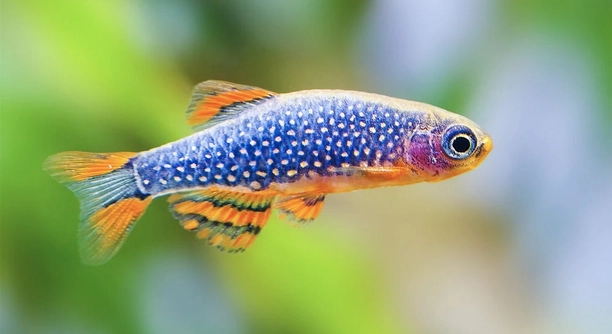
Capturing photos of danios can be tricky because of their quick movements and reflective scales. Many hobbyists find it challenging to get a sharp, clear image that truly shows the fish’s vibrant colors and patterns.
The key to photographing danios clearly involves controlling lighting, camera settings, and environment. Using fast shutter speeds, minimizing reflections, and maintaining calm water conditions significantly improves image sharpness, color accuracy, and overall photo quality in aquarium photography.
Learning a few practical techniques can make a big difference in your photos. Small adjustments in setup and approach often lead to much clearer, more detailed images of your danios.
Preparing Your Aquarium for Photography
Before taking photos, it’s important to prepare your tank properly. Clean the glass inside and out to avoid smudges and streaks that can blur images. Remove unnecessary decorations or algae that distract from the fish. Adjust the water level to reduce reflections and make it easier to focus on your danios. Position your aquarium in a place with steady, natural light, or use soft artificial lighting. Avoid harsh overhead lights that can create glare or shadows. Make sure the water is calm, as waves and bubbles can distort the photo. Consider adding a plain background to help the colors of your danios stand out. Small adjustments like these make a big difference when trying to capture sharp, clear images.
These steps reduce distractions and improve the visibility of your danios, making it easier to focus on their movements and patterns.
Even minor changes can improve clarity dramatically. By keeping the tank clean, water calm, and background simple, your camera will capture sharper images. Lighting is crucial; diffused light prevents glare and highlights the natural colors of your danios. Adjusting your tank’s surroundings minimizes reflections and emphasizes the fish. With steady water and a clean environment, even a basic camera can produce impressive results, letting you capture crisp details and smooth colors.
Camera Settings for Sharp Danio Photos
Setting your camera correctly is essential for sharp images of fast-moving danios. Use a fast shutter speed to freeze motion and a higher ISO if lighting is limited.
Choosing the right camera settings ensures crisp images. Shutter speed, aperture, and ISO balance are key to capturing detailed, clear shots.
A fast shutter speed, usually 1/250 or faster, prevents motion blur from the quick movements of danios. Set the aperture wide enough to allow light in while keeping the fish in focus. If your tank is dimly lit, increase the ISO carefully to avoid grainy photos. Use continuous shooting mode to catch the perfect moment when your danios swim in appealing positions. Adjust white balance to maintain natural colors, especially under artificial lighting. Focus manually if your camera struggles with auto-focus through the glass. Tripods or stable surfaces help avoid camera shake. Experiment with angles and distance to highlight the patterns and colors of the fish without disturbing them. Mastering these settings makes photographing danios much easier and consistently improves image quality.
Using Lighting to Highlight Colors
Proper lighting makes your danios’ colors stand out. Soft, diffused light prevents glare and reflections, bringing out natural patterns. Position lights at angles that reduce shadows and avoid shining directly through the glass.
Experimenting with lighting angles and intensity can dramatically enhance photo quality. Using LED lights or natural daylight allows you to highlight the vibrant colors of your danios without creating harsh reflections. Avoid bright overhead lights that cast shadows or distort colors. Adjusting the light’s position, either above or to the side of the tank, can reduce glare on the glass. Using a plain, neutral background helps colors pop further. Consistent lighting also allows your camera to focus more easily, producing sharper, more detailed images. Small tweaks in lighting often result in photos that look more professional.
Soft lighting not only enhances colors but also minimizes stress for your fish. Harsh lights can make them dart around, causing blur. By using gentle, steady illumination, you create a calm environment and capture natural behavior while keeping colors vivid.
Timing Your Shots
Taking photos when your danios are active improves composition and clarity. Early morning or late afternoon often works best for steady light.
Choosing the right moment ensures your danios are in motion but still visible. Observing their swimming patterns helps you anticipate ideal positions for clear shots.
Danios are most vibrant when feeding or swimming in groups. Watching their patterns allows you to predict movements and prepare your camera. Avoid times when they hide or rest near decorations, as shadows can obscure details. Using a timer or continuous shooting mode increases chances of capturing the perfect shot. Patience is key; staying ready while maintaining calm around the tank ensures the fish remain relaxed. Even small adjustments in timing can make a major difference in clarity, composition, and overall color vibrancy in your photographs.
Choosing the Right Lens
A macro or zoom lens captures details of danios without disturbing them. Close-up shots reveal scale patterns and colors clearly, enhancing overall image quality.
Using a lens that allows focus through glass helps reduce distortion. Longer focal lengths keep you at a comfortable distance, letting the fish swim naturally while still filling the frame.
Reducing Reflections
Minimizing reflections on the tank glass improves clarity. Turn off room lights and use a dark background behind your camera. Avoid wearing bright clothing that can appear in the glass.
Patience and Observation
Observing danios closely helps predict their movements. Waiting for calm moments or interesting positions increases the chances of sharp, well-composed shots.
FAQ
How do I keep my danios still for photos?
Danios are fast and always moving, so it’s best to photograph them when the water is calm. Feeding time can be useful because they gather in one area. Using a quiet hand and avoiding sudden movements helps them stay relaxed. Small, gentle movements around the tank prevent startling them, allowing you to capture sharper images. You can also use continuous shooting mode to take multiple shots quickly, increasing the chance of getting a clear frame without stressing the fish.
What is the best background for danio photography?
A plain, neutral background works best. White, black, or soft blue backgrounds highlight their colors without adding distractions. Avoid patterned or bright backgrounds that compete with the fish’s natural patterns. You can use a sheet of paper or a piece of fabric behind the tank to create a smooth surface. This also reduces reflections on the glass and helps your camera focus properly. A simple background allows the fish to stand out and makes post-editing easier if you want to adjust color or contrast.
Should I use flash when photographing danios?
Flash can cause glare and reflections on the glass, making photos less clear. It may also startle your fish, causing them to dart around. Using natural light or a soft, diffused LED light is much more effective. Positioning the light at an angle rather than directly in front reduces reflections and highlights natural colors. Continuous lighting also allows your camera to maintain focus and shutter speed without needing a sudden burst. Flash is generally only useful if you can bounce it outside the tank to avoid stressing your fish.
How do I focus on small, moving fish?
Manual focus often works better than auto-focus when photographing danios through glass. Auto-focus can get confused by reflections or bubbles in the tank. Pre-focusing on an area where the fish usually swim increases your chance of a sharp shot. Using a smaller aperture improves depth of field, keeping more of the fish in focus. Patience is key; waiting for the fish to swim into the pre-focused area allows you to snap clear images without chasing them across the tank.
Can I photograph danios in a planted tank?
Yes, but plants can block light or distract from the fish. Arrange decorations so that there’s a clear area for shooting. Avoid cluttering the tank with too many elements that create shadows. Using a shallow depth of field helps blur the background slightly, keeping attention on your danios. Observing how they interact with plants allows you to catch natural behaviors while maintaining clarity in your photos. Plants can enhance photos, but positioning and focus matter most to avoid losing sharpness.
How do I prevent water spots on the glass?
Clean the inside and outside of your tank thoroughly before photographing. Use a soft cloth or paper towel to remove smudges, algae, and fingerprints. Rinse carefully to avoid leaving streaks. Drying the outside glass completely reduces reflections and ensures the camera focuses correctly. Even small spots can create blurry areas or distract from your subject. Frequent maintenance and quick cleaning before each session make a noticeable difference in the clarity of your photos.
What settings work best on a smartphone camera?
Use the highest resolution available and enable HDR if your phone supports it. Lock focus on the fish and adjust exposure to avoid overexposed areas. Using a tripod or stable surface prevents camera shake. Burst mode is helpful for capturing fast movements. Avoid digital zoom as it reduces image quality. Using manual controls, if available, lets you adjust ISO and shutter speed to freeze motion, improving sharpness. Lighting and background still matter even with a phone; combining these techniques produces much clearer photos.
How do I edit my danio photos afterward?
Use simple adjustments for brightness, contrast, and color balance. Avoid heavy filters that distort natural colors. Cropping can remove unwanted elements and focus attention on the fish. Sharpening slightly improves clarity but should be used carefully to avoid noise. Consistent editing helps maintain true colors and keeps your photos looking natural. If reflections are visible, selective adjustments can minimize their impact. Editing should enhance the image without changing the appearance of your danios or the tank environment.
What lens is best for close-up shots?
A macro or telephoto lens is ideal for capturing details without disturbing the fish. Macro lenses reveal scales and patterns, while telephoto lenses let you shoot from a distance. A lens with good glass quality reduces distortion through aquarium glass. Longer focal lengths allow you to photograph the fish naturally while maintaining sharp focus. Pairing the lens with steady lighting and proper camera settings ensures crisp, detailed images. Small adjustments to distance and angle can significantly improve the overall result.
How can I photograph multiple danios together clearly?
Position them near the front of the tank and wait for them to swim in groups. A small aperture increases depth of field, keeping multiple fish in focus. Using continuous shooting mode helps capture the best formation. Lighting should be even to prevent shadows between fish. Avoid background clutter that distracts from the group. Observing their natural schooling behavior allows you to anticipate movement and capture dynamic yet clear compositions. Timing, patience, and correct camera settings are essential for successful group shots.
How do I reduce stress on my fish during photos?
Keep sessions short and minimize sudden movements. Avoid loud noises or tapping on the tank. Gentle lighting and calm surroundings keep the fish relaxed. Frequent breaks between shots prevent overexposure to light and disturbance. Watching their behavior helps you know when they are stressed, and stopping briefly improves both fish well-being and photo quality. Calm, patient handling leads to better images and a healthier environment for your danios.
Can I photograph at night?
Yes, but lighting is crucial. Use soft artificial lights to illuminate the tank without startling the fish. Avoid harsh flashes that create reflections. Tripods and slower shutter speeds help maintain clarity in low light. Controlling the environment carefully ensures sharp images even when natural light is unavailable. Consistency in lighting improves color accuracy and reduces blur caused by motion in the dark.
Final Thoughts
Taking clear photos of danios requires a mix of patience, preparation, and attention to detail. These small fish move quickly and can be unpredictable, so understanding their behavior is key. Preparing your aquarium is the first step. A clean tank with calm water, minimal reflections, and a simple background makes a big difference. Even small adjustments, like removing unnecessary decorations or wiping glass smudges, can significantly improve clarity. Lighting also plays an essential role. Soft, diffused light brings out natural colors without causing glare or reflections. Positioning your light at an angle rather than directly in front of the glass helps reduce unwanted shine, and using consistent illumination allows your camera to focus more easily. Paying attention to these details sets the foundation for sharper, more vibrant photos.
Camera settings are just as important as tank preparation. A fast shutter speed prevents motion blur caused by rapid swimming, while the right aperture and ISO balance ensure that your images are neither too dark nor too grainy. Manual focus often works better than auto-focus when photographing through glass, as reflections or bubbles can confuse the camera. Using a tripod or stable surface reduces shake and makes capturing precise shots easier. Continuous shooting mode is useful because it allows you to capture multiple frames, increasing the chances of getting the perfect image. Adjusting the camera’s white balance helps maintain true-to-life colors, which is particularly important if you’re photographing under artificial lighting. These technical choices, combined with a well-prepared tank, provide a strong foundation for successful danio photography.
Patience and observation are the final pieces of the puzzle. Watching how your danios swim and interact with their environment helps you anticipate the right moment to capture them. Feeding times or periods when the fish group together often offer the best opportunities for clear, detailed images. Minimizing stress for your fish is equally important. Keeping sessions short, moving slowly, and avoiding sudden noises ensures that the danios remain calm and behave naturally. Even small adjustments in timing, lighting, and camera angles can have a noticeable impact on the quality of your photos. With consistent practice, attention to detail, and respect for the fish’s natural behavior, you can create clear, vibrant images that showcase the unique patterns and colors of your danios. Over time, the process becomes smoother, and capturing high-quality aquarium photos feels both manageable and rewarding.

Hello,
If you enjoy the content that we create, please consider saying a "Thank You!" by leaving a tip.
Every little bit helps us continue crafting quality advice that supports the health, happiness, and well-being of pets around the world, for pets of all shapes, sizes, and species.
We really appreciate the kindness and support that you show us!