
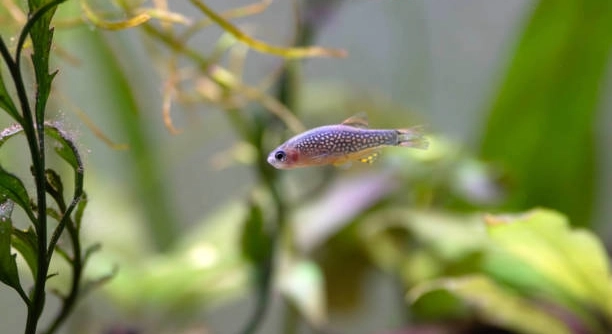
Danios are lively fish that many hobbyists enjoy keeping and breeding. Sometimes, despite careful care, their breeding suddenly stops. Understanding the factors that disrupt their reproductive behavior is essential for maintaining a healthy aquarium environment.
Several tank conditions can prevent danio breeding, including improper water temperature, inconsistent lighting, overcrowding, poor water quality, lack of hiding spaces, incorrect diet, and high stress levels. Addressing these issues systematically helps restore natural breeding patterns.
Maintaining the right environment ensures your danios remain healthy and active, while improving chances for successful breeding in your home aquarium.
Improper Water Temperature
Danios require stable water temperatures between 72 and 78°F to breed successfully. Sudden changes or consistently low or high temperatures can stress the fish, causing them to stop spawning. Even a few degrees above or below the ideal range can disrupt their hormonal cycles, which are essential for reproduction. I once noticed my danios were lethargic and avoided their usual breeding areas, only to realize the heater had stopped working properly. Adjusting the temperature gradually back to the optimal range helped them regain normal behavior. Using a reliable thermometer and monitoring daily can prevent temperature-related issues. Additionally, sudden temperature fluctuations from room drafts, heater malfunctions, or changes in water volume can all influence their breeding activity. Maintaining a consistent environment allows the danios to focus on normal behavior rather than coping with stress. A well-regulated tank temperature not only supports breeding but also overall health and vitality.
Maintaining proper water temperature encourages danios to breed naturally, reducing stress and promoting a stable, healthy environment for all fish.
Monitoring heaters and using thermostats ensures that the tank remains consistent. Stable temperatures allow danios to feel secure and ready to spawn.
Overcrowding
Overcrowded tanks create stress, aggression, and competition among danios. High density limits swimming space, reduces hiding areas, and increases waste buildup, all of which inhibit breeding behavior. Fish may avoid mating or fail to spawn when they feel threatened. I noticed my breeding attempts failed after adding a few extra fish, even though water parameters were correct. Separating fish into appropriately sized tanks allows each danio enough space to swim and display natural behaviors. Overcrowding also affects water quality more rapidly, increasing ammonia and nitrite levels, which further suppress reproductive activity. Even if food is plentiful, too many fish competing can prevent proper feeding and weaken their overall condition. Providing a balanced population helps reduce stress, ensures better water quality, and encourages healthy interaction among the danios. Proper stocking practices directly impact breeding success.
Ensuring an appropriate number of danios per tank minimizes stress and allows natural breeding patterns to occur without interference.
Adjusting population density not only improves tank harmony but also increases the likelihood of successful spawning. Fewer fish reduce territorial disputes and allow males and females to engage in normal courtship behaviors, ensuring a higher chance of egg production.
Poor Water Quality
Dirty water with high ammonia, nitrite, or nitrate levels can quickly stop danios from breeding. Regular testing and partial water changes are necessary to maintain a healthy environment. I learned that even small spikes in toxins can make them avoid spawning entirely.
When water quality declines, danios become stressed, weak, and less active. Poor water conditions can damage their fins, reduce appetite, and disrupt hormonal cycles needed for reproduction. I once delayed a water change for a few days, and my normally active pair stopped spawning immediately. Consistent filtration and regular water changes prevent harmful buildup. Removing uneaten food and monitoring chemical levels ensures the tank remains safe. Stress from poor water quality often shows in unusual behavior, like hiding or reduced swimming, which directly affects breeding readiness. Maintaining cleanliness is essential for long-term success in encouraging danio reproduction.
Proper water quality also protects eggs and fry from infection or death. Even if adults breed, poor conditions can prevent eggs from hatching, making water maintenance crucial for overall reproductive success. Observing and reacting to water issues quickly helps maintain a stable, breeding-friendly environment.
Lack of Hiding Spaces
Danios need plants, decorations, or spawning mops to feel safe during breeding. Open tanks can make them anxious, preventing mating behavior. I noticed my fish ignored breeding attempts until I added dense plants and a few hiding areas.
Providing hiding spots allows females to deposit eggs securely and reduces aggression from males. Without these spaces, females may avoid laying eggs, and males may chase them excessively. I once added artificial plants and moss pads, and the spawning rate improved significantly. Dense areas encourage natural courtship and egg-laying behavior. Hiding spots also protect fry after hatching, increasing survival rates. Properly arranged decorations mimic natural habitats, giving danios confidence to breed.
Strategic placement of plants and decorations reduces stress and supports natural reproductive behavior. Adding a mix of vertical and horizontal hiding spots gives both males and females areas to feel safe during the entire breeding process.
Inconsistent Lighting
Danios rely on a stable day-night cycle to trigger breeding behavior. Irregular lighting can confuse their internal rhythms, causing them to stop spawning. I noticed that sudden changes in room light made my pair inactive for days.
Consistent lighting of about 10–12 hours per day helps maintain hormonal balance and encourages courtship. Using a timer ensures the tank has a predictable cycle, reducing stress and promoting natural behavior.
Incorrect Diet
A poor diet can weaken danios and prevent reproduction. They require a balanced mix of high-quality flakes, live, and frozen foods to stay healthy and fertile. Skipping essential nutrients reduces their energy and interest in spawning, which I observed firsthand.
High Stress Levels
Frequent disturbances, loud noises, or rapid movements around the tank increase stress, stopping danios from breeding. Maintaining a calm environment allows them to focus on natural behaviors and increases the likelihood of successful spawning.
Why are my danios not breeding even though the water looks fine?
Even if the water appears clear, chemical levels may still be off. Ammonia, nitrite, and nitrate spikes can occur without visible signs. I once had perfectly clear water, but my danios refused to spawn. Testing the water regularly and maintaining a proper filtration system ensures the tank environment is truly safe for breeding.
How can I adjust the temperature to encourage spawning?
Danios need stable temperatures between 72–78°F. Gradual changes are key—sudden increases or decreases can stress the fish and stop reproduction. I slowly raised the temperature using an adjustable heater, and within a few days, normal breeding behavior resumed. Using a reliable thermometer and monitoring daily prevents harmful fluctuations.
Can tank size affect danio breeding?
Yes, overcrowding can prevent spawning. Too many fish increase stress and reduce space for courtship and egg-laying. I noticed breeding halted after adding extra fish. Reducing the number of fish or providing a larger tank helps restore natural behavior and increases breeding success. Proper stocking density is critical.
Do danios need specific hiding places to breed?
They do. Danios feel safer and more likely to spawn when provided with plants, decorations, or spawning mops. Open tanks without hiding spaces make them anxious. I added dense plants and moss pads, which improved egg-laying rates. Hiding spots reduce aggression and protect both adults and fry.
How does lighting affect their breeding?
Danios rely on consistent light cycles to maintain hormonal balance. Irregular lighting confuses their natural rhythms, stopping spawning. I use a timer for 10–12 hours of light daily, which stabilized their behavior. Predictable lighting reduces stress and encourages courtship and egg-laying activity.
Can diet really influence spawning?
Absolutely. Danios need a varied diet of high-quality flakes, live, and frozen foods to stay fertile. Lack of essential nutrients reduces energy and interest in breeding. I noticed breeding improved after adding live brine shrimp and daphnia. A balanced diet supports health, energy, and reproductive readiness.
Will stress from tank disturbances stop breeding?
Yes, frequent noise, movement, or disturbances can make danios anxious and inactive. I realized my breeding attempts failed until I minimized activity around the tank. A calm, stable environment allows natural courtship and egg-laying, increasing the likelihood of successful spawning.
Do water changes affect breeding?
Regular partial water changes improve water quality and remove harmful chemicals, which supports breeding. I perform small weekly changes rather than large abrupt ones, which avoids shocking the fish. Consistent maintenance keeps adults healthy and provides a safe environment for eggs and fry.
Can the wrong tank mates prevent spawning?
Yes, aggressive or overly active fish can intimidate danios and disrupt courtship. I had a pair of danios that stopped spawning until I moved larger, more aggressive species to another tank. Compatible tank mates reduce stress and allow natural reproductive behavior to resume.
How long does it take for danios to resume breeding after correcting conditions?
It varies depending on the severity of previous issues. In my experience, danios began showing normal courtship within a week after adjusting temperature, water quality, and hiding spaces. Consistency in tank conditions and minimal disturbances are crucial for successful breeding.
Is it necessary to remove eggs from the main tank?
Removing eggs is not always required, but it can increase survival rates. Adults may eat their eggs in crowded or stressful conditions. I sometimes transfer eggs to a separate hatching tank to protect them, which ensures more fry survive and grow healthy.
Can stress from frequent handling affect breeding?
Handling the fish too often can stop spawning. Danios are sensitive, and repeated disturbances make them anxious. I avoid touching the fish or rearranging the tank frequently, which allows them to focus on courtship and egg-laying without stress interruptions.
Do seasonal changes influence breeding?
Yes, natural light and temperature fluctuations can affect reproductive behavior. I noticed my danios breed more actively in spring-like conditions with stable warmth and bright but controlled light. Simulating seasonal changes carefully can help trigger natural spawning cycles without causing stress.
Are there signs that my danios are ready to spawn?
Males become more colorful, chase females gently, and display courtship behaviors. Females may appear plumper with eggs. I learned to recognize these signs, which helped me create the optimal environment before introducing any changes, improving breeding success.
How do I prevent diseases from affecting breeding?
Healthy fish breed better. Quarantining new fish, maintaining water quality, and providing a balanced diet reduces disease risk. I always observe behavior and check for signs of illness, which helps prevent outbreaks that could halt breeding entirely.
What should I do if eggs are not hatching?
Check water parameters and temperature. Eggs may fail due to fungus, poor water quality, or incorrect temperature. I sometimes use a gentle antifungal treatment and adjust water conditions, which improved hatching rates. Maintaining consistent care is key to raising healthy fry.
How can I encourage fry survival?
Provide gentle filtration, low water flow, and plenty of hiding spots. Feeding small live foods or infusoria supports growth. I found that separating fry from adults initially increases survival rates, allowing them to grow without being eaten or stressed. Consistency and care ensure healthier young fish.
Can breeding be seasonal even in home aquariums?
Yes, danios often respond to simulated seasonal conditions like gradual temperature and light adjustments. I noticed more spawning activity when I mimicked spring conditions in the tank. Controlling these factors carefully promotes natural reproductive cycles while maintaining fish health.
Are some danio species harder to breed than others?
Yes, certain species are more sensitive to water conditions, temperature, and diet. I kept multiple species and found that smaller or more delicate types required stricter water quality and careful handling to successfully breed. Understanding species-specific needs improves breeding outcomes.
How often should I monitor tank conditions for breeding?
Daily observation is ideal. I check temperature, water chemistry, and fish behavior every day. Quick intervention prevents stress or poor conditions from affecting spawning. Regular attention ensures the environment remains stable, supporting continuous breeding activity.
What is the best approach if breeding still fails?
Reassess all environmental factors: water quality, temperature, lighting, diet, and tank mates. I sometimes isolate pairs in a smaller, well-prepared tank, which encourages natural behavior. Patience and consistent care often resolve breeding issues without drastic interventions.
Final Thoughts
Breeding danios can sometimes feel complicated, but understanding their needs makes it much easier. These small fish respond strongly to their environment, and even minor changes can affect their behavior. Proper water temperature, clean water, stable lighting, and enough space are all critical factors. When any of these elements are off, the fish can stop spawning, even if everything else seems fine. I learned that observing daily behavior helps identify small problems before they become major issues. Noticing changes in activity, appetite, or interactions often signals that adjustments are needed. Maintaining a balanced environment allows the fish to focus on natural behaviors rather than coping with stress or discomfort, which directly affects breeding success. Consistency in tank conditions is often more effective than making sudden changes or experimenting with multiple solutions at once.
Diet and stress levels also play a significant role in encouraging breeding. Danios need a varied diet that includes high-quality flakes, live foods, and frozen options to remain healthy and fertile. Skipping nutrients or feeding only one type of food reduces energy and weakens their ability to reproduce. Stress from loud noises, frequent handling, or aggressive tank mates can further prevent spawning. I noticed that reducing disturbances around the tank and creating calm spaces immediately improved behavior. Providing hiding spots and decorations not only reduces aggression but also encourages courtship and egg-laying. Each small adjustment adds up, and the combination of clean water, proper nutrition, stable conditions, and minimal stress creates the ideal environment for danios to breed naturally.
Even when all conditions are met, patience is important. Danios may take time to resume normal breeding patterns after environmental adjustments. Eggs and fry also require careful attention, with suitable hiding areas and gentle water flow to ensure survival. Monitoring water parameters regularly, observing the fish, and making small adjustments as needed are key to long-term success. Breeding danios is a process that rewards consistent care and attention to detail. By focusing on stability, health, and comfort, the chances of successful reproduction increase significantly. Over time, the small changes made to the tank environment become a routine part of care, ensuring that the fish remain healthy and active while supporting natural breeding cycles.

Hello,
If you enjoy the content that we create, please consider saying a "Thank You!" by leaving a tip.
Every little bit helps us continue crafting quality advice that supports the health, happiness, and well-being of pets around the world, for pets of all shapes, sizes, and species.
We really appreciate the kindness and support that you show us!