
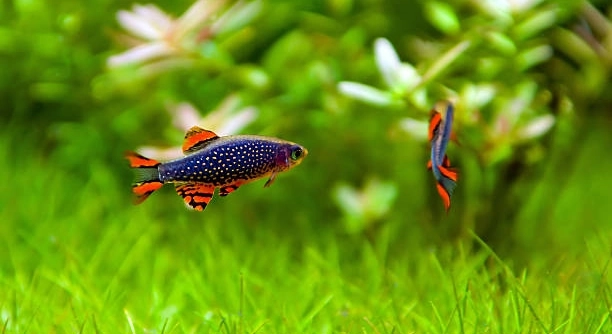
Have you ever watched your danios swim and noticed how their movements change from one moment to the next? These small fish express much more than meets the eye, revealing their mood through patterns and behavior. Observing them closely can give insights into their wellbeing and interactions within their environment.
Danios exhibit distinct movement patterns that correlate with their mood, including rapid darting, hovering, circling, or swimming near the surface. Each pattern reflects states such as curiosity, stress, contentment, or agitation, providing measurable behavioral indicators for research and care.
Recognizing these movement patterns allows fish owners to better understand their pets. Subtle changes can signal emotional shifts and guide adjustments in care routines.
Rapid Darting Movements
Danios often move in quick, sudden bursts across the tank. This rapid darting usually occurs when they are excited or startled by changes in their environment. It can also indicate that the fish is exploring new areas or responding to stimuli such as food being added. Observing the frequency and intensity of these dashes helps determine whether the behavior is playful or stress-related. Over time, patterns emerge that indicate consistent moods, which can be useful in understanding their overall health. Sudden movements paired with hiding may suggest fear, while repeated bursts around familiar spots often signal curiosity. Monitoring these bursts alongside other behaviors provides a clearer picture of how your fish is feeling and adjusting to their habitat.
Rapid darting can signal alertness or mild stress, depending on the context and accompanying actions.
Tracking these movements helps fish owners adapt tank conditions. Frequent darting may mean the water is too warm or the environment lacks enrichment. Observing interactions with other danios can also clarify whether aggression, play, or nervousness is causing these bursts. Adjustments such as rearranging decorations, adding plants, or moderating feeding schedules often calm the fish and encourage more stable, relaxed movements. Understanding how and why danios dart can improve their overall wellbeing, allowing owners to respond to subtle signs before stress escalates into health issues. These small adjustments can have a meaningful impact on the mood and comfort of your fish.
Hovering Near the Surface
Danios hovering near the surface often indicate curiosity or a search for food. Their calm, sustained positioning contrasts with rapid darting.
Hovering may also reflect mild oxygen deficiency or anticipation of feeding.
When danios remain near the surface for extended periods, it can suggest that they are actively seeking food or exploring their surroundings. If this behavior occurs regularly without feeding, it may indicate that the fish prefers higher oxygen levels, signaling potential tank adjustments are necessary. Adding surface agitation or improving filtration can address oxygen concerns, creating a healthier environment. Additionally, observing how danios interact with each other while hovering provides insight into social dynamics. They may cluster together when feeling secure or separate when uneasy. This position also allows them to observe the environment efficiently, reacting quickly to changes or potential threats. Consistent hovering behavior can reveal both physical needs and emotional states.
Circling Patterns
Circling often shows either curiosity or mild stress. Danios swim in loops around decorations, plants, or the tank perimeter.
This repetitive motion can indicate that the fish is exploring its environment or testing boundaries. Circling may also occur when a danio feels slightly confined or when other tankmates dominate open spaces. Observing whether the loops are tight or wide, slow or fast, helps differentiate between stress and natural exploration. Tight, rapid circles often suggest agitation, while slower, wide loops usually indicate comfort and interest in surroundings. Adjusting tank layout or monitoring social interactions can reduce unwanted stress behaviors and promote healthy movement patterns.
Repeated circling should be monitored to ensure it does not signal chronic stress. Changes in speed or frequency provide insight into mood shifts, allowing for timely intervention and better tank management.
Swimming Near the Bottom
Swimming close to the bottom often signals caution or rest. Danios may linger near substrate, plants, or decorations for a sense of security.
This behavior can indicate shyness, fatigue, or preference for cooler water layers. Bottom swimming is sometimes paired with slow, deliberate movements, suggesting the fish is conserving energy or avoiding perceived threats. It may also occur in response to sudden light changes or loud vibrations, as fish instinctively seek cover near the tank floor. Watching how long they remain at the bottom and whether they interact with other danios provides insight into their emotional state and comfort levels. Proper water conditions and tank enrichment encourage more balanced activity throughout the tank.
Resting in One Spot
Danios sometimes stay in one spot for extended periods, often near plants or tank corners. This behavior usually indicates relaxation or mild fatigue.
Consistent resting in a single area can also reflect comfort with the environment. The fish may feel secure, conserving energy while remaining alert to surroundings.
Social Swimming
Danios often swim together in groups, maintaining close proximity. This schooling behavior provides safety and reinforces social bonds, reflecting comfort and confidence within the tank.
Quick Surface Dashes
Rapid movements at the surface usually indicate excitement or anticipation of feeding. These dashes can also occur during interactions with other fish or when the water conditions change suddenly.
How can I tell if my danio is stressed?
Signs of stress in danios include erratic swimming, frequent hiding, clamped fins, and loss of appetite. Repetitive darting or circling can indicate discomfort or environmental stressors. Observing their behavior in relation to tank conditions helps identify potential causes.
Stress often results from poor water quality, overcrowding, or sudden changes in light or temperature. Testing water parameters regularly ensures pH, ammonia, nitrite, and nitrate levels are safe. Adjusting tank decorations or adding hiding spots can reduce anxiety. Social stress from aggressive tankmates may also affect mood, so monitoring group dynamics is important.
Subtle behavior changes, like reduced schooling or resting near the bottom, often precede more serious health issues. Early detection allows for corrective measures, improving comfort and longevity. Providing consistent feeding, gentle water flow, and regular tank maintenance supports a stable environment that minimizes stress.
Why do my danios dart rapidly around the tank?
Rapid darting is often a natural response to excitement or sudden stimuli. Feeding time, reflections, or unfamiliar objects can trigger these bursts. Observing frequency and context clarifies whether the behavior is playful or stress-related.
Excessive darting may indicate that the tank is too small or crowded. Providing more space or rearranging decorations can help the fish feel secure. In some cases, sudden bursts accompany poor water quality or temperature fluctuations. Ensuring stable conditions and proper filtration reduces unnecessary stress.
Understanding their triggers allows you to distinguish between normal activity and signals of discomfort. Tracking patterns over time gives insight into mood changes and helps maintain a balanced, healthy environment.
Why does my danio hover near the surface?
Hovering near the surface usually signals curiosity, anticipation of food, or seeking higher oxygen levels. Calm hovering differs from rapid darting, indicating a more relaxed or attentive state.
If this behavior occurs consistently, it may indicate water oxygen levels are lower than optimal. Increasing surface agitation, improving filtration, or adding an air stone can enhance oxygenation. Observing social interactions during hovering also provides clues—clustering together often shows comfort, while isolation may suggest caution or shyness.
Consistent monitoring ensures that surface hovering is part of normal behavior and not a sign of environmental stress. Adjusting conditions as needed supports overall health.
Why do my danios swim near the bottom of the tank?
Bottom swimming can indicate caution, rest, or preference for cooler water layers. Danios may linger near plants, rocks, or substrate to feel secure.
Slow, deliberate movements near the bottom often reflect energy conservation or mild stress. Sudden lighting changes or vibrations may trigger this behavior. Observing how long they remain near the substrate and whether they interact with other fish can reveal comfort levels.
Providing tank enrichment and monitoring water parameters encourages balanced movement. Bottom-dwelling patterns can also signal early signs of discomfort, helping owners take preventive measures before health problems arise.
What does circling behavior mean in danios?
Circling often reflects curiosity, exploration, or mild stress. Tight, rapid loops can indicate agitation, while slower, wider circles suggest comfort and interest in the environment.
Repeated circling may arise from limited open space, dominance from other fish, or environmental changes. Adjusting tank layout or providing additional hiding spots reduces stress. Observing whether circling occurs alone or in response to other fish provides insight into social dynamics.
Monitoring circling alongside other behaviors gives a clearer understanding of mood. Recognizing patterns allows timely adjustments to maintain a stable, comfortable habitat for your danios.
Why do danios swim in groups?
Schooling is a natural social behavior that provides security and reinforces bonds. Swimming in groups reflects confidence, comfort, and a stable social structure.
Separation from the group or erratic swimming within it can signal discomfort or illness. Observing interactions helps identify shy or stressed individuals. Providing adequate space and maintaining water quality ensures positive group dynamics.
Understanding social swimming habits helps manage tank composition, reducing aggression and promoting healthy, balanced behavior. Schools of danios thrive when environmental and social needs are met consistently.
Why do my danios rest in one spot?
Resting in a single area indicates relaxation or mild fatigue. Fish often choose corners, plants, or decorations to feel secure.
Frequent resting may also show contentment with the environment or a need to conserve energy. Observing whether resting is accompanied by alertness or clamped fins helps distinguish between comfort and potential stress. Adjusting water flow, tank layout, and feeding routines supports balanced activity.
Regular observation of resting patterns provides insight into their mood and wellbeing, allowing owners to maintain a healthy, stable tank environment.
What should I do if I notice unusual behavior?
Unusual behavior, such as persistent darting, bottom swimming, or isolation, requires immediate attention. Check water quality, tank temperature, and social interactions first.
Maintaining consistent care routines and observing subtle behavior shifts helps prevent long-term stress or illness. Minor environmental adjustments often resolve temporary issues, while persistent changes may require consultation with an experienced aquarist.
Early intervention ensures the fish remain comfortable and healthy. Observing behavior regularly allows proactive responses, keeping moods stable and reducing the likelihood of health problems.
Observing danios closely can reveal a lot about their mood and wellbeing. Their movements—whether rapid darting, circling, hovering near the surface, or swimming at the bottom—serve as natural signals of how they feel. Each behavior provides insight into their comfort, stress levels, and social dynamics within the tank. By paying attention to these patterns, fish owners can respond appropriately, adjusting the environment or social setup to support healthier and more balanced behavior. Understanding these patterns helps in creating a space where the fish feel secure, active, and engaged. Consistent observation is key, as small changes often indicate shifts in mood before they escalate into more serious issues.
Maintaining stable water conditions and tank arrangements plays a central role in encouraging positive behavior. Clean water, proper oxygenation, and consistent temperature levels reduce stress, while providing hiding spots and decorations offers security. Social structure is equally important—danios are naturally schooling fish, and observing interactions can help identify signs of aggression, shyness, or curiosity. Recognizing when a fish prefers resting, exploring, or swimming near its group allows owners to tailor care practices accordingly. Feeding routines also influence movement patterns, as anticipation of food often leads to surface activity or darting. Each of these factors contributes to the overall mood and health of the fish, and small adjustments can have noticeable benefits.
Regular attention to danio movement patterns ultimately leads to a deeper understanding of their behavior and emotional state. By learning to read their signals, owners can detect stress, illness, or simple curiosity, and take steps to improve their environment. Observing trends over time provides insight into individual personalities and preferences, helping ensure that each fish remains comfortable and active. Adjusting tank conditions, social arrangements, and feeding practices based on behavior creates a healthier, more enjoyable space for the fish. Careful observation and responsive care support both physical health and emotional wellbeing, resulting in a thriving, balanced aquarium environment.

Hello,
If you enjoy the content that we create, please consider saying a "Thank You!" by leaving a tip.
Every little bit helps us continue crafting quality advice that supports the health, happiness, and well-being of pets around the world, for pets of all shapes, sizes, and species.
We really appreciate the kindness and support that you show us!