
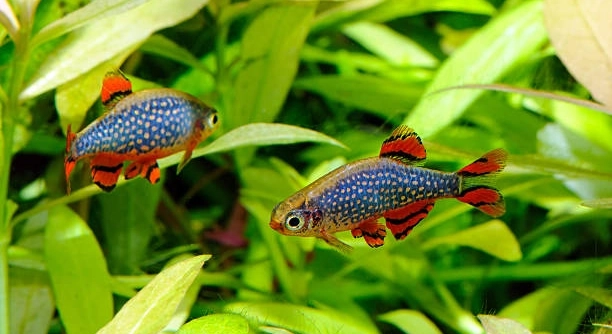
Have you ever wanted to build a layered aquascape that supports active danios while keeping each section clear, stable, and visually calm for daily swimming needs, giving you a structured way to begin with ease.
Planning a 7-layer aquascape for danios involves arranging vertical zones that maintain water stability, promote oxygen flow, and support natural movement patterns. This structure enhances environmental balance, encourages healthy behavior, and ensures each layer contributes to a cohesive aquatic habitat.
As you explore each layer, thoughtful placement and gentle structure help create a calm environment well suited to active danios.
Understanding the Layers
Building a stable 7-layer aquascape for danios becomes easier when you understand how each section supports their active nature and steady water needs. The base must hold the structure firmly, so selecting strong substrate and shaping gentle slopes helps everything stay balanced. Above that, you can create pockets where plants settle without crowding the fish. Mid-level spaces should remain open enough for quick movement, allowing danios to swim freely without feeling restricted. Higher levels benefit from lighter plants that add softness while avoiding heavy shade. The top layer should feel calm and clear, offering bright visibility and smooth flow. Keeping each section organized prevents clutter that could interrupt natural behavior. As you work step by step, the layers begin forming a layout that feels steady and calm. This thoughtful setup gives danios a space that stays clean, structured, and visually pleasing while still supporting their constant activity every single day.
Each layer influences water flow, lighting, and movement, so organizing them with care helps maintain a stable setup for active danios. When every section supports the next, the aquascape stays cleaner and easier to manage, giving your fish a structured layout that feels natural and safe in their daily routine.
Designing balanced layers requires attention to spacing, plant selection, and water movement, since danios thrive in areas that feel open but still supported by structure. Start by choosing plants that match each layer’s purpose, using sturdier growth below and lighter foliage above. Keep pathways open so movement stays free and unforced. Avoid creating dense corners that trap debris or limit circulation. When the layout stays neat, the fish remain comfortable. Each layer should contribute something useful, whether it involves shelter, movement space, or visual clarity. With planning, the aquascape grows into a layout that stays healthy and easy to maintain.
Shaping a Stable Structure
Creating a steady layout for a 7-layer aquascape means choosing materials that hold their form and support healthy water movement. Strong substrate, firm stones, and well-placed wood help prevent shifting, allowing the tank to stay organized and comfortable for active danios as they move through each level every single day.
Positioning each element within the aquascape plays a major role in how stable the structure remains over time. Begin with a solid base that can handle the weight of multiple layers without sinking or shifting. Choose substrate that compacts well and place larger stones where they can anchor the layout securely. Use wood pieces that fit neatly and avoid sharp angles that might block movement or catch debris. As you build upward, keep each level balanced so the fish can move freely without bumping into unstable sections. Plants should be spaced with intention, giving roots enough room to grow while preventing overcrowding. Gentle trimming keeps foliage from spreading too widely and blocking flow. Light placement also matters since danios respond well to bright areas and clear pathways. Aim for lighting that reaches each layer evenly, reducing dark pockets that could stress the fish. Water flow should guide movement without overwhelming the tank, so choose filters that create steady circulation across all layers. If the layout stays clean and firm, danios remain comfortable and active. Regular maintenance helps the structure stay reliable, making the aquascape easier to manage while still supporting healthy behavior and calm swimming patterns for your danios always.
Selecting Plants for Each Layer
Choosing plants that match each layer keeps the layout stable and clear. Lower sections benefit from sturdy roots that grip well, while higher areas need lighter growth that will not weigh down the structure or overwhelm active danios as they move.
Pick firm plants like crypts or compact swords for the bottom since they settle securely without disrupting the base. Mid sections do well with stems that can be trimmed easily, letting you manage thickness without blocking open areas. Floating or fine-leaf plants suit the upper layers because they add softness without trapping debris. Spacing matters, so leave open paths between clusters to maintain flow. When plants complement each layer’s purpose, the aquascape feels balanced and easy to care for. Regular upkeep keeps the growth neat and prevents dense pockets from forming, helping your danios stay comfortable in their active swimming routes.
Keeping plant growth steady across all layers requires gentle trimming and mindful spacing. Overcrowding reduces water movement, so thin out stems before they spread too widely. Group plants by height and growth speed to prevent shading or uneven development. When roots have room to settle, plants stay healthier and more stable, reducing the chances of shifting. Clear sightlines make danios feel at ease, so avoid letting any section become too heavy or tangled. Balanced plant placement helps maintain clarity, circulation, and visual calmness.
Managing Water Flow and Light
Water flow should reach each layer evenly so danios can move without fighting strong currents. Lighting must also touch every level, preventing dark pockets and helping plants grow steadily. A balanced setup supports activity while keeping the aquascape clean and stable.
Filters that create a smooth current work well since danios enjoy steady movement without harsh turbulence. Position the outflow so circulation spreads across lower and upper layers, preventing debris from settling. Light placement should be adjusted to reduce heavy glare near the surface while still reaching the mid and bottom sections. Use fixtures that spread light softly, giving plants enough brightness without overpowering them. Regular checks keep both flow and lighting consistent. Clean the filter gently to maintain steady circulation, and adjust lights when you notice shadowed areas forming. Balanced flow and light create a space where plants thrive and danios stay active and comfortable.
Creating Clear Layer Divisions
Layer separation becomes easier when you use small markers like stones or gentle slopes that keep each section defined. This helps prevent plants from spreading into the wrong areas and keeps movement paths open for active danios, making the overall structure clearer and more manageable during regular care each day.
Consistent maintenance supports clean separation between layers, so trim growth before it becomes dense and remove debris that settles in quiet spots. When each layer stays tidy, water movement improves, light reaches more evenly, and danios experience smooth pathways that keep their activity natural and comfortable throughout their daily routines.
Building a Supportive Base
Choosing substrate that stays firm under multiple layers supports long term stability in your aquascape. Fine gravel mixed with heavier grains helps create a base that will not shift easily. Larger stones can anchor the structure while still leaving room for roots to settle. Avoid steep slopes that collapse over time, and press each layer gently so it holds its form. Danios benefit from steady ground because sudden changes in the layout can interrupt their movement patterns. When the base stays secure, the entire setup remains easier to maintain, allowing plants to grow evenly and keeping circulation steady across layers.
Preventing Structural Shifts
Regular checks help catch early signs of shifting or overcrowding, preventing problems before they spread. Look for areas where plants lean too heavily or where debris gathers. Small adjustments keep the structure balanced, allowing danios to move with ease while keeping every layer clear, open, and healthy for stability overall.
FAQ
How do I keep the layers from mixing over time?
Using firm substrate at the bottom and arranging stones or wood carefully helps prevent layers from shifting. Pressing each layer gently and trimming plant roots regularly keeps everything in place. Avoid steep slopes or overcrowding, which can destabilize the structure and create uneven sections.
Which plants work best for lower layers?
Low layers need sturdy plants with strong roots that can anchor into the substrate without disrupting the base. Cryptocorynes, compact swords, and some small ferns are ideal. These plants resist being uprooted during maintenance or by active danios moving around.
What plants are ideal for the mid and upper layers?
Mid layers benefit from stem plants that can be trimmed easily to prevent overgrowth, such as rotala or hygrophila. Upper layers should use lighter, floating, or fine-leaf plants, like mosses or floating ferns, which soften the layout and avoid blocking light or water flow.
How do I manage water flow in a layered tank?
Position the filter outflow to create gentle circulation across all layers. Avoid directing strong currents into one area, as this can disturb plants and the substrate. Smooth flow helps debris move naturally and supports oxygen distribution, keeping both plants and danios healthy.
How should I light each layer effectively?
Use a light fixture that distributes brightness evenly from top to bottom. Position lights so they don’t create heavy glare at the surface while still reaching mid and lower layers. Adjustable lighting can help maintain consistent growth and prevent shaded pockets.
How often should I trim plants?
Trim before plants become dense enough to block movement or light. Regular maintenance keeps layers open, prevents overcrowding, and allows water to circulate properly. For mid-layer stems, weekly checks are usually enough, while upper and lower layers can be trimmed every two to three weeks.
How can I prevent debris buildup?
Clear pathways between plants and remove dead leaves promptly. Gentle water flow helps carry light debris to the filter, while compacted substrate prevents accumulation in low spots. Regular siphoning during water changes keeps the tank clean without disturbing the structure.
What is the best way to anchor decorations?
Place larger stones or driftwood on the base first, ensuring they are stable and well-balanced. Smaller decorations can go on upper layers without putting pressure on the lower substrate. Avoid stacking elements loosely; stability is essential for active danios to swim safely.
How do I maintain stable water conditions?
Monitor temperature, pH, and hardness regularly. Keep filtration steady and avoid sudden changes in water flow or chemistry. Stable conditions prevent stress in danios and support healthy plant growth, which in turn helps maintain the structural integrity of all layers.
Can danios disrupt the layers while swimming?
Active danios may move substrate slightly, but a well-compacted base and anchored plants reduce disturbance. Keep open swim paths to prevent fish from bumping into structures and avoid overly soft or loose substrate in high-traffic areas. Proper layering supports natural movement without constant disruption.
How can I make each layer visually appealing?
Balance plant height, color, and density across layers. Use taller plants in the midsection and lighter foliage near the surface to maintain visual clarity. Stones and wood should complement plant placement while creating gentle transitions between layers. Consistency in spacing keeps the tank looking clean and structured.
Is regular maintenance different for a 7-layer aquascape?
Yes, careful attention is needed for each layer. Check substrate, plant growth, water flow, and light distribution individually. Trimming, siphoning, and repositioning decorations should follow a plan that preserves layer separation. This approach ensures stability while supporting the active nature of danios.
How do I introduce danios safely into a new aquascape?
Acclimate slowly to avoid stress. Make sure plants and decorations are stable before adding fish. Monitor behavior for signs of stress or areas where fish may disturb substrate. Once they adjust, the structured layers provide clear pathways and a safe environment for swimming and exploration.
Can I change the plant layout after it’s established?
Yes, but make adjustments gradually to avoid destabilizing the tank. Move one section at a time and monitor how plants and substrate react. Keep water flow consistent and check that open swim areas remain clear. Incremental changes preserve stability while allowing aesthetic updates.
How do I prevent algae from taking over the layers?
Balance lighting, maintain clean water, and avoid overcrowding plants. Proper flow and regular trimming reduce stagnant spots where algae thrive. Introducing algae-eating fish or snails can help, but structural care and monitoring are the most effective long-term strategies.
What is the best method for water changes?
Partial water changes of 20-30% weekly help maintain clean water without disturbing the layers. Use a gentle siphon to avoid sucking up substrate or uprooting plants. Evenly distributed flow during changes ensures that all layers remain stable while debris is removed efficiently.
How do I know if the layout is successful?
A stable, balanced setup with healthy plants and active danios indicates success. Layers should remain distinct, water flow steady, and light evenly distributed. Fish should swim freely, plants grow steadily, and minimal debris should accumulate. Regular observation confirms that the aquascape supports both structure and life effectively.
Can I combine different types of substrate in layers?
Yes, using heavier gravel or sand at the bottom and lighter substrate on top can improve stability. Layer transitions should be gradual to prevent collapse. Anchoring plants carefully ensures that different substrates support each other without mixing or shifting under movement.
What equipment is essential for maintaining a 7-layer aquascape?
A reliable filter, adjustable lighting, a gentle water flow system, and basic maintenance tools like trimming scissors and a siphon are essential. Optional items include CO₂ supplementation for plants and small markers for layer separation. Proper equipment supports structural stability, healthy plant growth, and active danios.
How often should I monitor water parameters?
Check temperature, pH, and hardness at least once a week. Monitor ammonia, nitrite, and nitrate levels during water changes. Consistent observation helps prevent stress in danios and keeps plants thriving, which in turn maintains the integrity of each layer.
Can I keep other fish with danios in this setup?
Yes, but choose species that are peaceful and occupy different tank zones. Avoid fish that dig aggressively or disturb plants, as they can compromise layer stability. Compatibility ensures that the aquascape remains structured and calm for all inhabitants.
How do I address plant decay in a specific layer?
Remove decayed leaves promptly to prevent water quality issues. Check substrate and root health, and adjust lighting or flow if needed. Replant replacements carefully, ensuring they do not disturb neighboring layers. Timely action maintains both aesthetics and structure across all levels.
What are common mistakes to avoid in a 7-layer aquascape?
Overcrowding plants, using loose substrate, placing heavy items on top layers, and ignoring water flow or lighting issues can destabilize the setup. Regular maintenance and careful planning prevent these mistakes, allowing danios to swim freely while layers remain intact and visually appealing.
How long does it take for layers to settle?
With proper substrate and plant selection, initial settling usually takes a few weeks. Roots establish, plants adjust, and minor substrate shifts stabilize. During this period, monitor flow, trimming, and placement to ensure the structure remains solid while fish explore the tank.
What should I do if a layer starts to collapse?
Reposition substrate or decorations carefully, reinforce roots, and trim plants if needed. Avoid sudden changes that could disturb other layers. Stabilizing the affected area promptly helps restore structure and prevents cascading shifts throughout the tank.
Can lighting intensity affect layer stability?
Yes, overly strong light can promote fast plant growth that may become top-heavy. Uneven lighting can create shaded areas, reducing plant strength in lower layers. Adjust intensity to support even growth and maintain structural balance across all layers.
How do I keep plants from growing into neighboring layers?
Trim regularly and space plants according to height and growth rate. Use physical markers or subtle slopes to define boundaries. This prevents crowding, preserves water flow, and keeps each layer distinct while allowing active danios to move freely.
Is it necessary to adjust layers seasonally?
Adjustments are optional but can help accommodate growth changes or lighting variations. Minor repositioning of plants, substrate, or decorations ensures each layer continues to support plant health and fish activity. Gradual adjustments preserve stability without disrupting the aquascape.
How do I ensure consistent plant growth across layers?
Balance lighting, nutrients, and flow for all sections. Choose plants suited to each layer’s depth and position. Regular trimming prevents overgrowth, while careful monitoring of water parameters keeps conditions steady. This approach supports healthy growth without compromising structural clarity or fish comfort.
How can I tell if danios are comfortable in the layout?
They swim actively, explore open areas, and avoid hiding excessively. When layers are stable and pathways are clear, fish display natural schooling behavior. Monitoring their activity is an effective way to assess whether the aquascape meets both structural and environmental needs.
What should I do if algae spreads unevenly across layers?
Adjust lighting and flow to reach shaded or stagnant areas. Trim dense plant sections to improve circulation. Manual removal and algae-eating species can help, but structural and environmental adjustments prevent recurring growth and maintain balance across all layers.
How often should I check for structural weak points?
Weekly inspections are ideal. Look for leaning plants, shifted stones, or uneven substrate. Early detection allows small corrections that prevent larger collapses, keeping layers intact and providing a stable environment for danios and plants alike.
Can I add new plants after the aquascape is established?
Yes, but introduce them carefully. Place new plants in stable areas without disturbing existing layers. Gradual addition helps maintain balance while enhancing visual appeal, ensuring the aquascape stays organized and functional for danios’ activity.
How do I prevent upper layers from becoming top-heavy?
Use lighter plants, avoid stacking heavy decorations, and trim growth as needed. Gradually building each level with stable support underneath reduces risk of collapse. This keeps pathways clear and preserves structural integrity while maintaining a visually balanced setup.
What is the best method to train plants to stay in their layer?
Spacing, trimming, and careful planting are key. Roots should be secure, stems pruned to prevent spreading, and heavier plants positioned lower. Markers or subtle slopes can guide growth and prevent overlap. This creates neat divisions while allowing natural expansion without disrupting other layers.
How do I maintain open swimming areas for danios?
Place taller plants along the edges, leaving central paths clear. Trim regularly to prevent obstruction. Balance growth so fish have consistent, safe movement across layers. Open swim areas encourage healthy activity and reduce stress, supporting their natural schooling behavior.
Can different substrate types affect plant stability?
Yes, heavier substrates at the bottom provide firm support, while lighter ones on top reduce weight stress. Mixing carefully can improve overall stability, but abrupt transitions or loose material may lead to shifting and disturb plant roots or layer definition.
What is the role of gentle slopes between layers?
Slopes guide water flow and plant placement while preventing sharp edges that can collapse. Gradual transitions help maintain visual continuity and structural integrity. Danios can move naturally across layers without disruption, and plants settle more securely in their designated sections.
How do I handle sudden plant die-off?
Remove decayed material immediately, check water quality, and replace affected plants gradually. Reinforce roots and monitor flow to prevent disruption. Quick action maintains stability and prevents one section from negatively affecting neighboring layers.
What should I avoid when arranging decorations?
Do not place heavy items on unstable substrate, stack loosely, or block swimming paths. Avoid sharp angles that could injure fish. Well-anchored decorations support structure and maintain open areas for active danios while keeping each layer visually distinct.
How do I adjust flow for different layers?
Use adjustable filters or diffusers to guide current across sections. Ensure lower layers receive gentle movement without disturbing substrate. Upper layers can have slightly more flow to carry debris. Balanced circulation supports plant health and keeps fish comfortable throughout the tank.
How often should I monitor plant roots?
Check roots during regular trimming or maintenance. Look for signs of decay, overcrowding, or displacement. Healthy roots anchor plants firmly, which maintains structural integrity across all layers and supports consistent water flow and plant growth.
What is the most common mistake in 7-layer aquascapes?
Overcrowding plants, unstable substrate, uneven lighting, and poor water flow are frequent issues. Ignoring these can lead to collapsed layers, stressed fish, or poor plant growth. Consistent observation, trimming, and balanced setup prevent most problems while maintaining a stable, active-friendly aquascape.
How do I gradually expand the aquascape?
Add new plants or small decorations slowly, reinforcing substrate as needed. Monitor flow, light, and fish activity after each change. Incremental growth preserves stability, prevents overcrowding, and ensures danios continue to move freely without stress.
How can I maintain even light distribution?
Adjust fixtures to avoid shadows, ensuring mid and lower layers receive adequate brightness. Regularly check plant growth patterns and reposition lights if necessary. Even lighting encourages uniform growth, prevents weak spots, and maintains the visual clarity of all layers.
How do I keep the aquascape visually balanced?
Balance plant height, density, and color across layers. Use rocks or wood to create gentle transitions, avoiding abrupt changes. Regular trimming and thoughtful placement maintain symmetry and clarity while supporting water flow and open swimming areas for active danios.
What is the best way to acclimate new plants?
Rinse plants to remove pests or debris, plant securely in their designated layer, and monitor water conditions closely. Gradual introduction prevents stress to both plants and fish while preserving layer stability and overall balance.
How do I prevent plants from collapsing into the water column?
Anchor plants firmly, use appropriate substrate, and trim growth to avoid top-heavy sections. Gradual layering and stable roots reduce the risk of collapse, keeping water clear and swimming paths open for danios.
How do I manage multiple plant species?
Group plants according to growth rate, root strength, and light needs. Faster growers go where trimming is easy, while slower species occupy stable areas. This prevents overcrowding and maintains layer integrity while supporting healthy plant diversity.
What maintenance schedule works best?
Weekly checks for flow, trimming, debris removal, and water parameters keep layers stable. Partial water changes and plant care maintain healthy growth and open swimming spaces. Regular attention prevents small issues from becoming structural problems.
How do I avoid fish stress during maintenance?
Move slowly, avoid disturbing the substrate excessively, and maintain consistent water flow. Keep trimming and siphoning gentle. Open paths allow danios to swim freely, reducing stress while ensuring each layer remains intact.
How do I know when to replace plants?
Replace only when plants show consistent decay, poor root development, or stunted growth. Gradual replacement preserves layer stability and prevents sudden disruption to water flow or fish movement.
Can decorations affect plant growth?
Yes, heavy decorations can shade plants or press roots. Position them to support structure without blocking light or pathways. Proper placement maintains healthy growth and structural stability across all layers.
How do I encourage natural fish behavior?
Keep open swim areas, provide gentle flow, and maintain distinct layers. Clear paths and balanced plant placement allow danios to school naturally and explore without obstruction, enhancing their activity and comfort.
What is the most important factor for long-term stability?
Consistent maintenance, stable substrate, balanced plant growth, and proper water flow are key. Monitoring each layer individually and making small adjustments preserves structure and ensures a healthy, active environment for danios over time.
How do I integrate small decorative elements safely?
Place them on stable substrate, avoid sharp edges, and ensure they do not obstruct swim paths. Small decorations can enhance visual appeal without compromising layer integrity or fish comfort.
How do I know if a layer needs reinforcement?
Signs include leaning plants, shifting stones, uneven substrate, or trapped debris. Address these early by securing substrate, trimming plants, or repositioning decorations. Reinforcing layers maintains stability and prevents cascading issues.
Can I keep the aquascape low-maintenance?
Yes, using stable substrate, slow-growing plants, and consistent flow reduces frequent intervention. Even with low-maintenance choices, regular checks for debris, trimming, and water quality ensure the layers remain clear, stable, and suitable for active danios.
How do I manage plant competition?
Separate fast-growing species from slower ones and trim regularly. Proper spacing and placement prevent overcrowding, maintain light distribution, and ensure each layer contributes to overall balance.
How can I encourage even substrate compaction?
Press each layer gently during planting, avoid steep slopes, and layer heavier grains on the bottom. Proper compaction prevents shifting and supports plants, keeping layers stable even with active fish.
What is the role of open areas in a 7-layer aquascape?
Open paths allow danios to swim freely, reduce stress, and prevent overcrowding. They improve water flow, make maintenance easier, and balance plant density across layers.
How do I prevent erosion in lower layers?
Anchor plants firmly, avoid strong currents directly on the substrate, and use heavier grains at the bottom. Regular checks and gentle trimming prevent collapse and maintain layer stability.
How do I combine aesthetics with functionality?
Place plants, stones, and wood to balance beauty and stability. Ensure open swim paths, gradual slopes, and even lighting while arranging visually pleasing transitions between layers.
How do I troubleshoot uneven growth?
Check light distribution, water parameters, and nutrient availability. Adjust placement and flow as needed. Prune or replant areas where growth is poor to maintain balance across layers.
How do I ensure proper oxygen distribution?
Maintain gentle water flow, avoid stagnant areas, and consider plants that release oxygen effectively. Proper circulation supports both plant and fish health across all layers.
How can I make the aquascape beginner-friendly?
Use hardy plants, firm substrate, moderate lighting, and steady flow. Start with stable decorations and layered layout. This approach minimizes problems while giving active danios a comfortable and safe environment.
What is the ideal flow rate for danios?
Gentle, even flow encourages natural swimming without disturbing plants or substrate. Adjust filter output or use diffusers to maintain consistent circulation across all layers.
How do I maintain clear water?
Regular partial water changes, debris removal, and proper filtration prevent buildup. Balanced plant growth and open paths reduce trapped detritus, keeping each layer clean and visually appealing.
How do I balance plant density?
Trim mid and upper layers regularly and space plants according to height. Avoid overcrowding lower layers. Balanced density supports healthy water flow and clear pathways for danios.
How do I know if decorations are safe?
Check for sharp edges, stability, and weight. Ensure they do not press roots or block swim paths. Proper placement keeps layers intact and fish safe.
**What is the most efficient trimming method?
Final Thoughts
Creating a 7-layer aquascape for danios takes patience and careful planning, but the result is a stable, visually appealing tank that supports active fish and healthy plants. Each layer plays an important role, from a firm substrate base to open swimming paths at the top. When you arrange the layers thoughtfully, it makes maintenance easier and keeps the environment calm for the fish. Using firm substrate at the bottom, adding stones or driftwood for support, and placing plants according to their growth patterns ensures that every section remains steady. Paying attention to spacing between plants and maintaining clear pathways allows danios to swim naturally without disturbing the layers. This approach creates a sense of order in the tank, which benefits both the plants and the fish over time.
Regular maintenance is a key part of keeping a layered aquascape successful. Trimming plants before they become overgrown prevents shading and overcrowding, and removing debris ensures that water quality stays high. Water flow and lighting also need to be monitored to make sure each layer receives the right conditions for plant growth. Gentle circulation supports oxygen distribution, keeps the substrate from settling unevenly, and prevents stagnant areas where debris could accumulate. Lighting should reach all layers evenly, which helps plants develop strong roots and healthy leaves. With consistent attention, small adjustments can be made before they turn into bigger issues. Over time, these routine checks become part of a rhythm that keeps the tank structured and visually balanced while still allowing the danios plenty of space to explore.
A successful 7-layer aquascape combines functionality and aesthetics. It is not just about placing plants and decorations in separate zones; it is about creating a tank where each layer contributes to overall stability and clarity. Choosing the right plants for each level, anchoring decorations securely, and leaving open swimming areas for danios produces an environment that feels calm and organized. Even small details, like gentle slopes between layers or careful placement of stones, can improve water flow and visual harmony. When you take the time to plan and maintain your aquascape, it rewards you with a healthy, thriving space for both plants and fish. In the end, a well-structured layered setup encourages natural behavior, supports growth, and keeps the aquarium clean and manageable. By following simple steps and maintaining consistency, a 7-layer aquascape can become a long-lasting and enjoyable environment that benefits every inhabitant of the tank.

Hello,
If you enjoy the content that we create, please consider saying a "Thank You!" by leaving a tip.
Every little bit helps us continue crafting quality advice that supports the health, happiness, and well-being of pets around the world, for pets of all shapes, sizes, and species.
We really appreciate the kindness and support that you show us!