
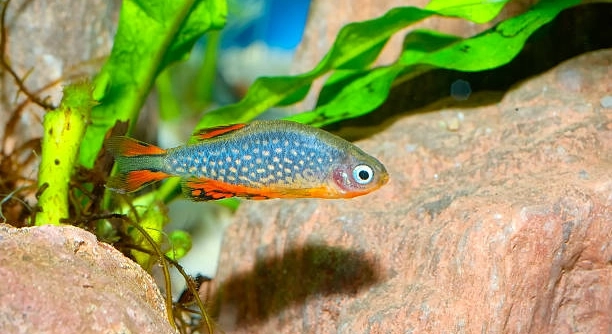
Protecting Danio eggs in a home aquarium can be challenging, especially when adult fish tend to eat them. Many aquarists struggle to ensure the eggs survive long enough to hatch successfully. Proper care can make a big difference.
The most effective methods to protect Danio eggs involve separating them from adult fish, using spawning mops, breeding tanks, or carefully monitoring the environment. Ensuring optimal water conditions and providing hiding spaces can significantly increase egg survival rates.
By understanding these approaches, you can safeguard your eggs and improve the chances of raising healthy fry successfully.
Using a Separate Breeding Tank
Separating Danio eggs from adult fish is one of the most reliable ways to protect them. A small breeding tank with a gentle filter can prevent adults from eating the eggs. Adding fine mesh or a spawning grid at the bottom allows eggs to fall through, keeping them out of reach. Maintaining clean water and stable temperatures is crucial, as eggs are sensitive to sudden changes. Many people also use a thin layer of marbles or mesh to provide spaces where the eggs can settle safely. Regular monitoring ensures that any debris or unfertilized eggs are removed promptly, reducing the risk of fungal infections. A separate tank not only safeguards the eggs but also makes it easier to track hatching progress and intervene if necessary. With careful attention, the eggs have a higher chance of developing into healthy fry.
A breeding tank minimizes stress for both eggs and adult fish, creating safer conditions.
Careful placement, gentle water flow, and consistent monitoring are key for successful egg protection and fry survival in a separate tank.
Using Spawning Mops and Hiding Spaces
Spawning mops provide a safe surface for Danio eggs to attach.
Spawning mops mimic natural plant surfaces, allowing eggs to stick and remain hidden from adult fish. They are easy to remove once eggs are laid, ensuring the eggs stay protected until hatching.
Setting up a spawning mop is simple and effective. These mops are typically made from soft fibers that simulate plant leaves. Once eggs are deposited, the mop can be lifted and placed in a separate container or breeding tank. This prevents adults from consuming the eggs and reduces the risk of contamination from leftover food or waste. Adding small hiding spaces, like artificial plants or fine mesh, gives eggs areas to settle safely. Eggs can develop in a controlled environment where water quality is maintained, and any unfertilized eggs can be easily removed. Monitoring water temperature and keeping it stable encourages proper development. Over time, this method can result in higher survival rates for fry, making it a practical approach for home aquarists aiming to increase the number of healthy young Danios.
Monitoring Water Quality
Regularly checking water quality helps protect Danio eggs from harm. Stable temperatures and clean water prevent fungal growth and improve survival rates. Small fluctuations can stress eggs, making them more vulnerable to disease or decay.
Keeping ammonia and nitrite levels at zero is essential. Frequent water changes, gentle filtration, and careful feeding of adult fish help maintain a safe environment. Overfeeding can lead to excess waste, which encourages fungal infections on the eggs. Observing water parameters daily and adjusting as needed ensures eggs remain healthy. Using a thermometer and test kits provides a reliable way to track conditions. Additionally, removing uneaten food and debris prevents harmful bacteria from multiplying. Consistent water quality reduces stress for both eggs and adult fish, supporting proper development. By maintaining these standards, the chances of successful hatching increase significantly.
Water monitoring is a proactive step that reduces risks and supports healthy egg development over time.
Reducing Adult Fish Stress
Stress in adult Danios can lead to egg consumption or neglect. Minimizing overcrowding and providing hiding spaces helps maintain calm behavior.
Ensuring adult fish have enough room and environmental enrichment reduces aggressive tendencies. Overcrowded tanks create competition for food and space, which may cause adults to eat eggs. Introducing plants, decorations, or partitions allows fish to explore and feel secure. Maintaining a consistent feeding schedule also helps, as hungry fish are more likely to target eggs. Observing adult behavior provides insight into potential stress triggers and allows timely adjustments. Gradual changes in light or temperature reduce sudden shocks that can affect both adults and eggs. By keeping adults relaxed, eggs have a safer environment and better survival chances.
Creating a low-stress environment improves adult fish behavior, indirectly protecting eggs and supporting healthier fry development.
Removing Adult Fish After Spawning
Removing adult Danios immediately after spawning prevents them from eating the eggs. This simple step increases the chances of survival for the developing eggs.
Adults are naturally inclined to consume eggs, even in a healthy tank. Temporary separation ensures eggs remain undisturbed while still allowing adults to return after hatching.
Using Marbles or Mesh
Marbles or mesh at the tank bottom create safe spaces for eggs. Eggs fall between gaps, keeping them out of reach from adults.
These barriers allow water to flow around the eggs, reducing fungal growth. They are inexpensive and easy to maintain, providing a practical solution for egg protection.
Maintaining Stable Temperatures
Consistent water temperature is crucial for Danio egg development. Fluctuations can cause stress and slow growth.
Using a reliable heater and thermometer ensures eggs develop at a steady rate. Stable temperatures promote healthy hatching and reduce mortality.
FAQ
How can I tell if Danio eggs are healthy?
Healthy Danio eggs are usually clear or slightly yellow and round. Fertilized eggs often have a small dark spot, which is the developing embryo. Cloudy, white, or opaque eggs are typically unfertilized or infected with fungus and should be removed to prevent contamination.
How long does it take for Danio eggs to hatch?
Danio eggs generally hatch within 24 to 48 hours, depending on water temperature. Warmer water can speed up development, while cooler water may slow it down. Monitoring temperature and keeping it stable ensures eggs hatch on time.
Can I leave adult Danios in the same tank as eggs?
Keeping adults with eggs increases the risk of them being eaten. Adults may eat eggs out of instinct, even if they are well-fed. Separating eggs into a breeding tank or using marbles, mesh, or spawning mops is a more effective approach.
How often should I check the eggs?
Checking eggs once or twice a day is usually sufficient. Look for signs of fungus, debris, or unfertilized eggs. Removing damaged eggs promptly prevents contamination and keeps the remaining eggs healthy for hatching.
Is it necessary to use a breeding tank?
A breeding tank is not always required but significantly improves survival rates. It provides a controlled environment, reduces adult interference, and makes monitoring easier. Small tanks with gentle filters and proper hiding spaces offer a safe place for eggs to develop.
What water conditions are best for egg survival?
Maintaining clean, stable water is essential. Ammonia and nitrite levels should be at zero, while pH should remain consistent. Gentle water flow prevents stagnation without disturbing the eggs. Frequent water checks and partial changes help maintain a healthy environment.
Can I use plants to protect eggs?
Yes, live or artificial plants can provide surfaces for eggs to attach and create hiding spaces. Spawning mops also simulate plant surfaces and are easy to remove once eggs are laid, preventing adults from accessing them.
What should I do if fungus appears on eggs?
Fungal infections can spread quickly. Remove affected eggs immediately and consider using antifungal treatments safe for fry. Maintaining clean water and removing debris reduces the risk of fungus forming in the first place.
How long should eggs stay in the separate tank?
Eggs should remain in a separate environment until they hatch and the fry become free-swimming. This period usually lasts 2 to 3 days. After hatching, fry can be gradually introduced to the main tank if adult fish are non-aggressive or can remain in a grow-out tank.
Can I feed adult Danios differently to prevent them from eating eggs?
Feeding adults adequately before and after spawning reduces egg predation. Adults are less likely to consume eggs if they are not hungry. Providing high-quality food in small, frequent portions keeps them satisfied and calmer during the spawning period.
Do I need to remove unfertilized eggs immediately?
Yes, removing unfertilized eggs prevents fungus and bacteria from spreading to healthy eggs. Using tweezers or siphons carefully allows for precise removal without disturbing the viable eggs. Prompt action keeps the environment safe for developing embryos.
Are there signs that eggs are about to hatch?
As eggs near hatching, you may notice movement inside the egg and slight darkening of the embryo. The fry may wriggle within the egg casing. Maintaining water quality and avoiding sudden disturbances during this stage ensures safe hatching.
Can fry survive in the same tank as adult Danios?
Once fry are free-swimming, survival with adults depends on adult behavior. Many adults will eat fry, so a grow-out tank or protective barriers are often necessary until fry are large enough to avoid predation.
Is temperature the only factor affecting hatching success?
While temperature is critical, water quality, adult interference, and egg handling also play important roles. Stable conditions, minimal stress, and careful monitoring together maximize egg survival and healthy fry development.
How can I make the process easier for future spawns?
Using spawning mops, separate breeding tanks, and consistent water maintenance simplifies protection for eggs. Keeping track of previous successful setups and observing adult behavior helps refine the approach for better outcomes in future spawns.
This FAQ covers most concerns related to protecting Danio eggs and raising fry. Following these steps and maintaining a stable, clean environment ensures a higher survival rate and healthier young fish.
Protecting Danio eggs from being eaten requires attention and consistency. Many aquarists find that the eggs are highly vulnerable if left in the same tank as adult fish. Adults instinctively eat eggs, even when they are well-fed, which can lead to low survival rates. Using methods such as separate breeding tanks, marbles or mesh, and spawning mops significantly increases the chances of eggs developing safely. Maintaining stable water conditions and monitoring temperature, pH, and cleanliness are also essential. Even small fluctuations in water quality or temperature can harm eggs or slow development. By paying attention to these details, the eggs are given a much better chance to hatch into healthy fry.
In addition to environmental management, timing and careful observation are important. Adult Danios should be removed or separated immediately after spawning to prevent accidental predation. Fertilized eggs need to be monitored daily to remove any unfertilized or damaged eggs, which can cause fungal growth if left unchecked. Adding hiding spaces or artificial plants in the breeding tank can further protect eggs and make them feel more secure. Feeding adult fish appropriately before and after spawning helps reduce their instinct to eat eggs. Each step, though simple, adds up to a higher survival rate and stronger fry. Consistency in these practices ensures that the eggs have the optimal conditions for growth and reduces the need for intervention later.
Ultimately, raising Danio eggs successfully is a combination of preparation, careful observation, and maintaining stable conditions. Using tools like spawning mops, mesh, and breeding tanks allows eggs to develop without interference. Daily monitoring and water maintenance reduce the risk of fungus and other problems. Keeping adult fish calm, well-fed, and separated when necessary minimizes stress and predation. Following these strategies creates an environment where eggs can develop safely and fry can grow strong. With patience and attention to detail, protecting Danio eggs becomes a manageable process, giving aquarists the satisfaction of seeing healthy young fish thrive.

Hello,
If you enjoy the content that we create, please consider saying a "Thank You!" by leaving a tip.
Every little bit helps us continue crafting quality advice that supports the health, happiness, and well-being of pets around the world, for pets of all shapes, sizes, and species.
We really appreciate the kindness and support that you show us!