
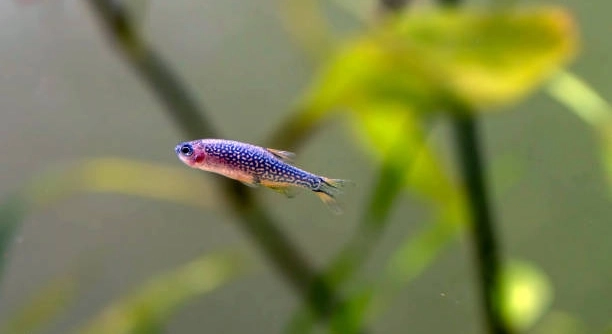
Are your danios acting differently lately, showing signs that something in their tank might not be quite right as you try to keep their environment balanced and comfortable each day for their ongoing daily wellbeing.
Indicators of imbalance in a danio tank often arise from shifts in water chemistry, filtration efficiency, or habitat structure. These changes influence behavior, coloration, and overall health, creating identifiable clues that reveal disruptions requiring prompt evaluation to maintain aquatic balance.
These early signs offer insight into what may be affecting your tank’s harmony, guiding you toward adjustments that support danios.
Erratic Swimming Behavior
When danios begin swimming in unpredictable ways, it often signals that something in the tank is affecting their stability and comfort. I keep the focus on how these movements connect to issues like water quality, temperature fluctuation, or stress from overcrowding. Watching their patterns helps me understand how quickly conditions can shift inside an aquarium, even when the changes seem small. Erratic motion usually appears as darting, hesitating, or pacing along the glass. These behaviors reflect discomfort that grows when the environment loses its balance. By identifying these signals early, it becomes easier to respond with steady, calm adjustments that restore order. I rely on consistent testing, simple changes, and careful observation to bring the tank back to a stable place. This keeps the danios supported while preventing small concerns from developing into something harder to correct later on. Steady routines help maintain comfort and prevent stress from building further.
Erratic movement in danios often stems from unstable conditions that influence their comfort and behavior. Noticing these shifts allows quick correction, helping the tank return to a balanced state while supporting consistent patterns that keep the fish steady and calm. This approach strengthens stability and encourages responses within their space.
Keeping an eye on swimming patterns helps maintain balance inside the aquarium, especially when changes appear suddenly. I find that addressing these shifts early prevents stress from spreading among the danios. Small adjustments such as filtering improvements, slight water changes, or reducing congestion often restore order without overwhelming the fish. These corrections work best when applied with care, giving the danios enough time to settle. Stable conditions make their behavior smoother, allowing them to move with ease as the environment becomes more comfortable. Observing their reactions provides a steady guide for maintaining harmony and supporting continuing stability across the tank.
Fading Coloration
Color fading in danios often reflects stress linked to fluctuating conditions or nutritional imbalance. When the tank loses stability, their natural tones reduce, showing that something in the environment needs immediate attention to maintain their comfort and overall wellbeing. Steady care helps restore proper balance and supports brighter appearance overall.
Color changes in danios are often connected to conditions that disrupt their sense of stability, and these shifts can appear gradually or suddenly depending on how quickly the environment changes. I focus on maintaining steady water parameters because even slight inconsistencies can influence their natural tones. Fluctuations in temperature, filtration issues, or inadequate nutrition place stress on their systems, slowly reducing their brightness. When this happens, the danios may also become less active, showing that the imbalance is affecting more than appearance. Restoring color requires patience and steady monitoring, starting with routine testing to confirm where the disruption began. Adjusting feeding quality, improving filtration flow, and clearing excess waste help the tank regain order without overwhelming the fish. These changes work best when done slowly, giving the danios time to adapt comfortably. Over time, consistent care supports the return of rich coloration as their stress levels decline. Keeping the environment stable encourages healthier behavior, smoother movement, and a naturally brighter appearance that reflects a balanced habitat. This approach keeps their wellbeing at the center while creating a calm space that remains steady for long term comfort. Steady improvements reinforce resilience and allow the danios to maintain coloration throughout their care.
Rapid Gill Movement
Rapid gill movement in danios often signals discomfort tied to oxygen levels or water quality shifts. I focus on identifying these changes quickly because steady breathing patterns usually reflect a stable environment that keeps the fish calm and comfortable throughout their routine care.
When danios begin breathing heavily, the tank may be experiencing reduced oxygen or rising waste levels. I maintain consistent aeration and filtration to prevent these issues from escalating. Slight increases in temperature can also lower oxygen availability, so keeping the tank within a stable range is essential. Addressing these concerns early helps the danios settle back into normal breathing rhythms without added stress. I rely on routine water changes and steady equipment performance to maintain this balance.
Continued rapid gill movement often indicates that the danios are reacting to something persistent in the environment. I check for leftover food, hidden debris, or clogged filter media, since these can reduce water quality over time. Improving circulation helps restore comfort and supports healthier breathing patterns. Slow adjustments work best because abrupt changes can create new stress for the fish. Keeping everything steady allows the danios to relax as the tank returns to proper balance.
Loss of Appetite
Loss of appetite in danios tends to appear when stress begins affecting their normal routines. I pay close attention to feeding habits because this behavior often reveals early shifts in tank stability that may not be visible through movement or coloration alone.
When danios ignore food, it usually reflects conditions that disrupt their comfort, such as sudden parameter changes or lingering waste that affects the water. I start by checking ammonia, nitrite, and temperature, since even slight inconsistencies influence their willingness to eat. Improving water quality usually encourages the danios to resume feeding. I also make sure the food is fresh and appropriate for their size, since stale or oversized pieces can cause avoidance. Maintaining a predictable feeding schedule supports stability and gives the fish a sense of routine. Over time, these small actions help restore appetite and reinforce calm behavior inside the tank.
Clamped Fins
Clamped fins in danios often reflect tension caused by unstable conditions. I watch for this sign because it usually appears early, giving me time to correct the environment before stress grows stronger and affects their overall comfort.
When fins stay tightly held against the body, it can indicate irritation from poor water quality or sudden parameter shifts. I adjust conditions slowly, helping the danios settle back into a calm state without adding pressure.
Lethargic Behavior
Lethargy in danios often develops when stress or imbalance begins to influence their daily activity. I focus on steady routines that support energy levels, keeping the tank clean and consistent. Stable conditions help them stay active, responsive, and comfortable throughout their space.
Surface Gasping
Surface gasping usually appears when oxygen levels drop or water quality changes suddenly. I reinforce aeration and filtration to restore comfort, helping the danios breathe with ease again.
How can I tell if my danio tank is out of balance?
The most noticeable signs are changes in behavior, such as erratic swimming, lethargy, or surface gasping. Physical indicators include faded coloration, clamped fins, or rapid gill movement. I always check water parameters first, because shifts in pH, ammonia, nitrite, or nitrate often trigger these behaviors. Small adjustments made early help prevent more serious issues from developing and keep the fish healthy. Consistent observation allows me to notice even subtle changes before they affect the entire tank.
What steps should I take if I notice rapid gill movement?
Rapid gill movement usually points to low oxygen levels or poor water quality. I ensure proper aeration and filtration are working efficiently and perform a partial water change if necessary. Monitoring temperature is important as well since higher temperatures reduce oxygen availability. Keeping the tank free of leftover food and debris also helps. Making slow, steady adjustments prevents sudden stress while restoring comfort for the danios.
Why are my danios refusing to eat?
Loss of appetite often appears when stress affects their routine. I first check water quality and temperature stability, as inconsistencies can make them reluctant to eat. Fresh, appropriate-sized food is crucial, and I avoid overfeeding or feeding at irregular times. A calm, stable environment encourages danios to resume normal feeding patterns, which helps maintain energy and overall health.
What causes clamped fins, and how can I fix it?
Clamped fins usually indicate irritation from poor water conditions or sudden parameter changes. I maintain clean water and stable conditions while observing the fish for improvement. Slowly adjusting temperature or water chemistry can help the danios relax. Avoiding abrupt changes reduces stress, allowing fins to return to their natural, open position over time.
How can I prevent surface gasping?
Surface gasping is often caused by low oxygen levels or poor circulation. I use proper aeration, adjust water movement, and ensure the filter is functioning well. Regular water changes and maintaining the right stocking density also support oxygen availability. Watching for this behavior early helps me correct the issue before it becomes harmful.
Is fading coloration reversible?
Yes, fading coloration can improve once the tank environment stabilizes. I check water parameters and correct any imbalances while ensuring proper nutrition. Providing high-quality, varied food and keeping stress levels low supports the return of natural colors. Patience is key, as gradual improvements indicate the fish are recovering and feeling more comfortable.
Why are my danios lethargic even in a clean tank?
Lethargy can result from stress caused by sudden changes or improper temperature rather than dirt alone. I maintain stable routines, consistent water parameters, and proper tankmates to reduce stress. Monitoring the fish closely allows me to identify hidden factors affecting activity levels. Gradual improvements in behavior usually follow once the environment stabilizes.
How often should I test water to maintain balance?
I test water at least once a week, checking ammonia, nitrite, nitrate, and pH. More frequent testing may be necessary if issues appear or after major changes. Regular monitoring helps me catch small imbalances early, allowing slow adjustments that prevent stress and keep the danios active, healthy, and comfortable in their habitat.
Can tank decorations affect danio behavior?
Yes, overcrowded or sharp decorations can stress danios. I arrange the tank to allow swimming space while providing hiding spots. Removing or rearranging decorations can reduce stress, encourage normal activity, and improve overall tank balance. Observing the fish’s interaction with the environment helps guide these changes effectively.
What is the best way to maintain long-term tank balance?
Consistency is essential. I keep feeding schedules steady, monitor water parameters regularly, maintain proper filtration and aeration, and avoid overstocking. Slowly introducing changes and observing responses ensures the tank remains stable. Small, consistent actions prevent stress and support healthy behavior, coloration, and energy levels over time.
Maintaining a balanced danio tank takes consistent attention and care. Observing your fish regularly allows you to notice even small changes in behavior, coloration, or appetite. These subtle signs often indicate that adjustments are needed in water quality, temperature, or tank setup. By paying attention to these early indicators, you can address potential problems before they escalate, keeping the danios healthy and comfortable. I find that small, steady actions, like performing routine water changes, checking filter performance, and monitoring oxygen levels, go a long way toward preventing stress and maintaining a calm environment. Even minor shifts in water chemistry or overcrowding can quickly affect their behavior, so consistent care is essential for long-term balance. Over time, these efforts become part of a routine that ensures the tank remains a stable and welcoming habitat for the fish. Stability and predictability in the tank reduce stress and allow the danios to thrive in their environment.
Keeping an eye on tank conditions also helps prevent common issues like clamped fins, erratic swimming, surface gasping, and fading coloration. I always check water parameters first, as these often reveal the root of the problem. Adjusting temperature, aeration, or filtration can make an immediate difference. Nutrition is equally important; providing fresh, appropriate food at regular intervals helps maintain energy and coloration. I make it a point to remove leftover food and debris promptly, as poor water quality can quickly lead to stress and behavioral changes. Overcrowding is another factor to monitor. Providing sufficient swimming space and hiding spots creates a comfortable environment that supports natural behavior. By balancing all of these elements, you create conditions that allow the danios to display normal activity, coloration, and feeding habits. Paying attention to both the physical and environmental needs of the fish is key to sustaining a healthy, harmonious tank.
Long-term maintenance requires patience and observation. Small changes applied gradually are more effective than sudden alterations that can further stress the fish. I schedule regular water testing and keep notes on behavior to track trends over time. Adjustments to feeding, tank decorations, or equipment should be made in a controlled manner, allowing the danios to adapt comfortably. Consistent routines provide a sense of stability that encourages active swimming, healthy coloration, and proper appetite. By combining careful observation with steady maintenance, it is possible to prevent most common problems that arise in a danio tank. This approach not only addresses immediate issues but also helps maintain a balanced, thriving environment that supports the health and wellbeing of your fish for the long term. A calm, stable tank leads to happier, more vibrant danios that show their natural behavior and colors consistently.

Hello,
If you enjoy the content that we create, please consider saying a "Thank You!" by leaving a tip.
Every little bit helps us continue crafting quality advice that supports the health, happiness, and well-being of pets around the world, for pets of all shapes, sizes, and species.
We really appreciate the kindness and support that you show us!