
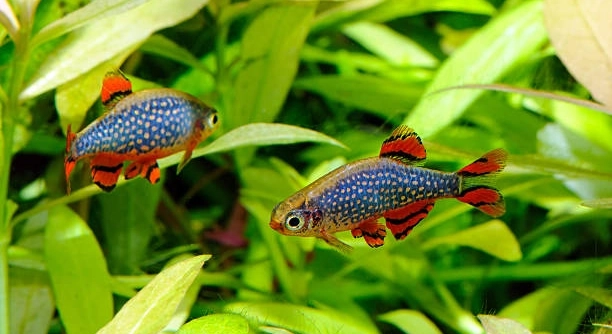
After several weeks of steady feeding, you might begin seeing shifts in your danios habits. Their colors can look clearer, their movement steadier, and their behavior more balanced as they settle into a new routine.
Consistent feeding over seven weeks typically leads to noticeable improvements in danios vitality. Stable nutrition supports stronger coloration, smoother swimming patterns, and better stress tolerance. These changes reflect enhanced metabolic balance and physiological stability resulting from a reliable dietary regimen.
As these changes continue, you may appreciate how steady nourishment shapes their comfort, making their growth feel smoother and rewarding.
Visible Changes After Seven Weeks
After seven weeks of consistent feeding, danios often show clear physical shifts that feel reassuring when you watch them each day. Their bodies may appear slightly fuller as steady nutrition supports normal growth without pushing them too fast. You might notice their colors looking brighter, especially under gentle lighting, since reliable nutrients help maintain natural pigment. Their movements can seem smoother, with less frantic darting and more balanced swimming across the tank. These small signs often appear gradually, but they tend to stand out once you pay closer attention. Healthy food portions also support stronger fins, and you may see less fraying or sluggish behavior. While every fish reacts differently, steady feeding gives them a predictable routine that lowers stress and helps them settle into their space with ease. Over time, these changes create a calm rhythm in the tank that makes caring for them feel rewarding each passing day.
These improvements come from reliable feeding patterns that allow your danios to adjust naturally. Stable intake supports their energy levels and encourages consistent activity. Over time, this steadiness helps them maintain a healthy appearance while reducing stress, creating a gentle balance that supports their everyday comfort in a calm way too.
Observing these changes can make you feel more connected to your danios, especially when their behavior becomes easier to read. Steady feeding often encourages predictable habits, and you may notice them greeting you at the surface during regular feeding times. Their increased confidence can show through calmer movements and a willingness to explore different areas of the tank. As their bodies strengthen, they tend to interact more comfortably with tank mates, reducing occasional nipping or frantic bursts. These subtle signs help you gauge their well-being, giving you a clearer sense of how much consistent care influences their comfort and stability.
Behavioral Adjustments
Behavioral shifts often appear alongside physical changes, giving you small signs that your danios feel secure with their feeding schedule. They may swim with steadier patterns and show fewer sudden bursts, indicating a calmer rhythm supported by reliable nutrition and predictable daily care that helps them stay relaxed daily too.
When danios receive steady nutrition, their behavior tends to settle into a predictable rhythm that makes it easier to understand their needs. You might notice them forming loose groups as they swim, staying close but not crowding each other. This behavior often reflects comfort rather than stress, showing that the consistent feeding pattern supports stable energy. They may interact with tank mates in a gentler way, displaying fewer sudden darts or territorial gestures. Their feeding response can also become more organized, with less frantic rushing toward food and more controlled movement near the surface. These habits can make the tank feel calmer overall, creating a space where each fish can move without constant agitation. Routine feeding also reduces competition during mealtime, which lowers tension and helps maintain harmony across the tank. Over time, your danios learn the pattern and begin adjusting their daily activity around it, allowing you to observe subtle changes in how they explore, rest, and interact. These signs can help you recognize when they feel stable, giving you confidence that your feeding approach supports their long-term comfort and general well-being. This foundation encourages smoother social behavior and keeps their activity balanced during different parts of the day.
Nutritional Impact on Growth
Consistent feeding supports steady growth in danios, helping their bodies develop at a natural pace without overwhelming them. You may notice slight fullness in their bellies and smoother movement patterns, both of which reflect stable nourishment supporting their everyday activity and comfort.
Steady nutrition strengthens their overall structure, allowing their muscles and fins to develop with better stability. You might see their colors looking richer as balanced nutrients encourage healthier pigment. Regular feeding also helps them maintain energy throughout the day, making their swimming patterns look more fluid. This dependable routine reduces unnecessary stress and keeps them from competing too aggressively during meals. As their bodies adapt, they often appear more coordinated, and their posture in the water becomes easier to observe. These changes, though subtle, show how strongly consistent feeding influences their physical development and helps them stay comfortable in their environment.
Over time, reliable nutrition shapes how confidently your danios move through the tank. You may notice them spreading out more evenly instead of crowding tightly together, which can indicate a balanced energy level. Their reaction during feeding becomes more controlled, showing less urgency and more stable movement toward the food. Healthy intake also supports clearer eyes and stronger fin edges, both of which reflect improved wellness. With better nourishment, they can handle daily activity with less strain, and their interactions with tank mates become calmer. These steady improvements highlight how much proper feeding supports their long-term growth.
Influence on Social Behavior
Regular feeding encourages smoother social interactions among danios, reducing tension and helping each fish find its place in the group. You may see fewer sudden darts or nips, showing they feel more secure with predictable meals and balanced energy throughout the day.
A stable feeding schedule helps danios form consistent swimming patterns, allowing them to move as a group without excessive competition. They often spread out in gentle arcs, giving each other enough room to navigate without constant conflict. This spacing shows comfort rather than stress, and it often becomes more noticeable as their diet remains predictable. During meals, their movements become more organized, with each fish learning when and where to approach food without overwhelming others. This steady rhythm reduces frantic behavior and supports a calmer tank environment. In many cases, reliable feeding also encourages them to explore different areas of the tank with greater confidence. These changes help maintain balance among all tank mates, making their interactions smoother and easier to observe. Over time, the calm established by consistent nutrition improves their social patterns and supports a peaceful atmosphere in your aquarium.
Changes in Activity Levels
Consistent feeding often leads to a calmer pace in danios, giving them enough energy without overstimulation. You may notice smoother swimming and fewer sudden bursts as their daily routine becomes more predictable and comfortable for them to maintain.
Their activity tends to settle into steadier patterns, showing clearer structure throughout the day. With balanced nutrition, they move with more ease and appear less reactive to small disturbances. This steadiness reflects improved comfort and healthier energy distribution.
How Stress Levels Shift
Reliable feeding habits usually help reduce stress, creating a more stable atmosphere in the tank. Danios become less reactive to movement around them, and their interactions appear more measured. As their stress decreases, their colors often look brighter and their swimming patterns more even. This calmer behavior supports better wellness overall, making their environment feel more peaceful and manageable each day.
Subtle Signals of Stability
You may notice gentler movements, softer color shifts, and a more settled rhythm in the tank, all pointing to a sense of balance supported by consistent care.
FAQ
How often should I feed my danios after seven weeks of consistent diet?
After seven weeks, most danios do best with two small feedings per day. This schedule maintains steady energy without overfeeding. You might notice they respond promptly at feeding times but remain active between meals. Overfeeding can lead to sluggish behavior or water quality issues, so keeping portions consistent is key. Observing how quickly they finish food will help you adjust amounts and prevent leftovers from affecting the tank environment.
What changes in appearance should I expect?
Danios often show subtle but noticeable improvements. Their colors may appear brighter, fins stronger, and bodies slightly fuller. Eyes can look clearer, and scales tend to shine more under light. These shifts are gradual, and each fish develops at its own pace, but steady feeding is the main factor supporting these physical changes.
How does diet affect their social behavior?
A consistent diet usually results in calmer group interactions. Danios may swim more evenly together, reducing sudden bursts or nipping. Predictable feeding allows them to establish patterns and space, minimizing competition. Over time, their social dynamics become easier to read, and the tank feels more peaceful.
Can consistent feeding improve swimming patterns?
Yes. Regular meals provide steady energy, which helps stabilize their movement. You might notice fewer frantic darts and more fluid swimming. Fish appear more coordinated and explore the tank confidently, especially when feeding times are predictable.
Will their stress levels change?
Reliable feeding often lowers stress. Danios react less to minor disturbances, stay calmer around tankmates, and maintain steadier positions in the water column. Stress reduction also helps maintain bright coloration and supports overall health.
How can I tell if I’m feeding too much?
Excess food or leftovers that remain after a few minutes indicate overfeeding. Danios may become sluggish or start swimming irregularly. Monitoring food intake and adjusting portions gradually ensures they get enough without harming water quality or their health.
Does diet affect lifespan or long-term health?
Yes, consistent and balanced nutrition supports organ function, immune health, and overall vitality. Proper feeding can prevent common issues like fin rot, obesity, or weakened immunity. Over time, steady nutrition helps danios grow predictably and maintain optimal activity levels.
Are there any signs of deficiency I should watch for?
Pale coloration, frayed fins, or lethargy may indicate nutrient gaps. Irregular growth or slower swimming can also be warning signs. Adjusting diet with high-quality flakes or occasional live food can correct deficiencies and restore balance.
Should I vary their food or stick to one type?
While consistency is important, occasional variation can enhance health. Mixing high-quality flakes with small portions of live or frozen foods provides essential nutrients and prevents boredom. Avoid sudden large changes, as danios prefer gradual transitions.
Can consistent diet affect breeding or fry survival?
Yes, steady nutrition improves reproductive health. Adults maintain better energy for mating behaviors, and fry born to well-fed parents usually have higher survival rates. Balanced food ensures both adults and young receive the nutrients needed for strong development.
How long before I notice differences?
Most changes appear gradually over seven weeks, including color, behavior, and activity levels. Some signs may show earlier, but steady feeding ensures improvements are sustained. Patience is key, and observing daily behaviors helps you track progress accurately.
Is water quality impacted by feeding habits?
Yes, overfeeding can reduce water quality and stress fish. Leftover food decomposes, increasing ammonia levels and clouding water. Keeping portions controlled, feeding on a schedule, and maintaining tank cleanliness help preserve both water quality and fish health.
Can consistent feeding help with aggressive tankmates?
Yes. Predictable meals reduce competition and tension. When fish know when and how food appears, they are less likely to chase or nip at each other. Over time, calmer interactions become more noticeable, creating a balanced tank environment.
What is the best portion size for my danios?
A portion small enough for all fish to eat within two to three minutes is usually ideal. Adjusting slightly based on observation ensures everyone receives enough without leaving waste. Portion control is essential for maintaining health, water quality, and smooth tank dynamics.
How do I know if my feeding routine is effective?
Effectiveness is visible in color vibrancy, steady activity, smooth swimming, and calm social behavior. Danios that maintain these traits over weeks are responding well to the diet. Minor adjustments to portion or frequency can fine-tune results, keeping fish healthy and content.
What should I do if a fish seems unwell despite consistent feeding?
Check water quality first, as poor conditions often mimic dietary issues. Observe behavior for signs of disease. Even with a steady diet, illness can occur. Isolating the affected fish and consulting care resources can prevent problems from spreading and support recovery.
Does consistent feeding affect how they interact with humans?
Yes, well-fed danios tend to approach the surface more calmly during feeding times. They may respond to movement near the tank with curiosity rather than stress, showing predictable behavior patterns linked to regular nourishment.
Can I feed multiple types of flakes at once?
Mixing flakes is acceptable if done gradually. Combining different brands or formulations can add nutrients, but sudden changes may cause hesitation or digestive issues. Slowly introducing new flakes ensures a smooth transition and preserves consistency in daily feeding habits.
How important is timing for feeding?
Timing matters. Feeding at roughly the same times daily helps danios anticipate meals, which reduces stress and promotes smoother activity. Consistent timing also supports better digestion, energy management, and calm behavior throughout the day.
Do younger danios react differently to a consistent diet than older ones?
Juveniles may grow faster and show noticeable color changes sooner, while adults stabilize in appearance and behavior. Both age groups benefit from routine feeding, but growth and energy levels are more pronounced in younger fish. Observing their differences ensures each age receives appropriate care.
Is it necessary to supplement with live food after seven weeks?
Supplementing occasionally can boost variety and nutrition. Small amounts of live or frozen foods provide extra protein and encourage natural foraging behaviors. These supplements should complement, not replace, the primary diet to maintain consistency and stability in the tank.
How do I track progress after seven weeks?
Keeping a simple observation log helps. Note changes in color, activity, fin condition, and social behavior weekly. These records allow you to see improvements clearly and make minor adjustments to feeding or environment as needed.
Final Thoughts
After seven weeks of consistent feeding, the changes in your danios can be subtle but meaningful. Their swimming patterns may appear smoother, and their colors can look brighter under normal lighting. These small improvements often happen gradually, and it can take careful observation to notice them. Consistent feeding helps their metabolism stabilize, which directly affects their energy levels and overall comfort in the tank. Over time, these steady changes create a calmer, more balanced environment for all your fish. When you see them swimming confidently and interacting gently with one another, it becomes clear that regular nourishment supports both their physical and behavioral development. These shifts are not instant, but patience and routine make them more predictable, helping you understand your danios better.
Behavioral adjustments are one of the most noticeable benefits of a steady diet. Danios often develop smoother social interactions when their food is predictable. They may swim together in gentle groups rather than scattering suddenly or chasing each other. Their responses during feeding times also become calmer, with less frantic rushing to the surface. These patterns show that steady nutrition can reduce stress and create a more peaceful tank environment. Over time, consistent feeding allows them to settle into daily rhythms that are easier to anticipate and observe. You may even notice that they explore different areas of the tank more confidently, which is a sign that they feel secure and well-fed. Watching these improvements in real time can give a sense of satisfaction, knowing that your attention to their diet has a direct impact on their well-being.
The physical benefits of regular feeding are just as important as the behavioral ones. Steady nutrition supports natural growth, helping your danios develop strong muscles, clearer eyes, and healthier fins. Their bodies can maintain fuller shapes without the risks that come from overfeeding, and their energy is better distributed throughout the day. This consistency also helps prevent minor health issues that can arise from poor or irregular feeding, such as weak immunity or stress-related behaviors. As their bodies adjust to reliable meals, you may notice gradual but steady improvements in posture, activity levels, and overall vitality. Maintaining this routine over the long term provides a stable foundation for their continued growth and comfort. Watching your danios thrive through predictable, balanced feeding not only supports their health but also makes managing your tank more enjoyable and reassuring. It becomes easier to spot any unusual behavior or signs of stress because the baseline of calm and steady development is well established. Consistency, patience, and careful observation combine to create an environment where your danios can flourish naturally.

Hello,
If you enjoy the content that we create, please consider saying a "Thank You!" by leaving a tip.
Every little bit helps us continue crafting quality advice that supports the health, happiness, and well-being of pets around the world, for pets of all shapes, sizes, and species.
We really appreciate the kindness and support that you show us!