
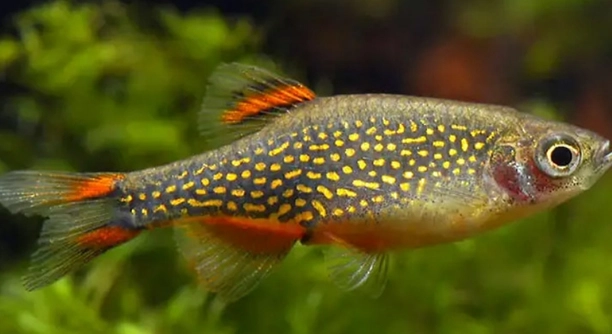
Do you enjoy keeping danios and watching them swim gracefully across the tank? Maintaining a healthy environment for these small fish requires attention to detail. Even small additions can disrupt their delicate ecosystem and overall well-being.
Adding items such as unsuitable plants, sharp decorations, or incompatible tank mates can create stress, injury, or water quality issues for danios. These additions interfere with natural behavior, reduce lifespan, and compromise the stability of the aquarium ecosystem.
While some objects may look harmless or decorative, their impact on danios can be significant. Understanding which items to avoid ensures a safer, more enjoyable environment for your fish.
Sharp or Rough Decorations
Sharp or rough decorations can seriously injure danios. These fish have delicate fins and scales that tear easily. Even small cuts can lead to infections and stress. Avoid jagged rocks, broken ceramics, or anything with rough edges. Smooth surfaces are always safer. Some decorations may look attractive in the tank but can pose hidden hazards. Danios like to swim actively, often darting around the tank, so sudden contact with sharp objects increases the risk of injury. Natural materials like polished stones or smooth driftwood are safer choices. Always inspect new items before adding them to the aquarium. Rinse them thoroughly to remove dust or chemicals. Even seemingly minor scratches can make fish more susceptible to disease. Providing open swimming areas with safe hiding spots encourages natural behavior and reduces accidental harm. Consistent monitoring of tank decorations helps maintain a healthy and secure environment for your danios.
Decorations that look rough or sharp should be replaced immediately to prevent injuries and infections in the tank.
Choosing smooth, safe materials ensures danios can swim freely without risking harm. Regularly checking and cleaning decorations keeps their habitat secure and stress-free. Maintaining a balance of hiding spots and open areas allows them to behave naturally while avoiding injuries. Over time, even small nicks or rough patches in decorations can worsen, so periodic replacement is key. Smooth driftwood, polished stones, and silicone-safe ornaments provide the perfect environment. Danios will thrive in a tank that minimizes hazards, supporting both their physical health and overall activity. This careful approach ensures the aquarium remains a comfortable, enjoyable space for your fish without compromising aesthetics. By being mindful of decoration choices, you create a safer habitat that promotes natural behavior and long-term wellness for your danios.
Large or Aggressive Tank Mates
Adding large or aggressive fish to a danio tank often leads to stress and injury. Danios are small, fast, and social. Larger, territorial fish can intimidate them, sometimes chasing or nipping fins.
Aggressive or oversized fish disrupt the social structure of danios, leading to constant stress and potential injury. Stress lowers immunity, making fish more prone to disease. Danios thrive in groups of their own species or other small, peaceful fish. Avoid combining them with cichlids, bettas, or large gouramis. Even semi-aggressive fish can harass danios if the tank is too small or lacks hiding spots. Always research compatibility before introducing new species. Observing interactions in the first hours is essential to prevent escalation. Stress can manifest as loss of appetite, fading colors, or erratic swimming. A properly balanced tank supports natural schooling behavior and reduces health risks. Planning tank population carefully ensures harmony, so danios remain active, healthy, and visually vibrant.
Unfiltered Tap Water
Unfiltered tap water can contain chlorine, chloramines, or heavy metals that are toxic to danios. Using a water conditioner or pre-filtering water is essential to prevent stress and maintain a healthy aquarium environment.
Even small amounts of chemicals in tap water can irritate gills and damage delicate tissues. Chlorine and chloramines are commonly used in municipal water supplies and can cause immediate harm if not removed. Heavy metals like copper or lead can accumulate in the fish’s system, leading to long-term health issues. Regular testing and conditioning of tap water ensures safe levels for danios. Using a reliable water conditioner neutralizes harmful substances quickly, while activated carbon filtration helps remove impurities. Maintaining consistent water quality reduces stress and supports proper growth and vibrant coloration. Danios are sensitive to sudden changes, so gradual water adjustments are also necessary to prevent shock. Pre-treating water is a small step that dramatically improves their overall health and longevity.
Properly treating tap water protects danios from toxins and promotes a stable, safe aquatic environment. This preventive measure is simple but crucial for keeping your fish active, healthy, and thriving.
Overfeeding
Overfeeding can quickly pollute a danio tank and lead to obesity or digestive issues. Providing small, controlled portions helps maintain water quality and prevents excess food from decaying.
Excess food that sinks or floats in the tank decomposes, producing ammonia and nitrites that are harmful to danios. Overfeeding also encourages algae growth, which can further destabilize water conditions. Danios require only a few bites multiple times per day, depending on their size and activity. Observing their consumption and adjusting amounts accordingly helps avoid waste. Using high-quality flakes or pellets ensures balanced nutrition without excess fillers that can foul water. Feeding smaller quantities multiple times a day mirrors their natural feeding patterns and promotes consistent energy levels. Monitoring leftovers after feeding prevents buildup and supports filtration systems. Maintaining proper feeding practices is essential for water clarity, fish health, and long-term tank stability.
Balanced feeding prevents water pollution and supports danios’ health, allowing them to stay active and maintain strong, vibrant colors. Careful portioning ensures the tank remains clean and their digestive systems function properly.
Plastic Plants
Plastic plants can have sharp edges that tear danios’ fins. They may also leach chemicals into the water over time, affecting fish health and water quality.
Unlike live plants, plastic ones do not contribute to oxygenation or natural filtration. Their rigidity can stress danios that like to swim freely and explore tight spaces.
Strong Water Currents
Strong water currents can exhaust danios and prevent normal swimming patterns. These small fish prefer gentle circulation that mimics natural streams without overpowering them.
High flow can push danios into tank decorations or corners, increasing injury risk. It also stresses their muscles and can reduce feeding efficiency. Adjusting filter output or adding flow deflectors helps maintain a calm and safe environment, promoting activity without fatigue or stress. Gentle circulation supports oxygenation while allowing danios to move naturally and maintain their energy levels for optimal health.
Copper-Based Treatments
Copper-based medications are highly toxic to danios. Even small doses intended for other fish can cause fatal poisoning.
Avoid using any treatments containing copper in a danio tank, as these fish are particularly sensitive. Opt for alternatives that target specific illnesses without introducing heavy metals.
FAQ
What decorations are safe for a danio tank?
Smooth, non-toxic decorations are ideal. Polished stones, driftwood, and silicone-safe ornaments provide hiding spots without risking fin tears or chemical exposure. Avoid sharp edges or materials that could chip over time. Live plants like Java moss or Anubias are also safe and support water quality.
Can danios live with other fish?
Yes, but only with small, peaceful species. Avoid aggressive or much larger fish, as they can stress danios or nip their fins. Good companions include small tetras, rasboras, and other non-territorial fish. Always monitor interactions after introducing new tank mates.
How often should I feed danios?
Feed small portions two to three times daily. Overfeeding pollutes water and can cause health issues. Give only what they can consume in a few minutes, and remove uneaten food promptly. Using high-quality flakes or pellets ensures balanced nutrition.
Is tap water safe for danios?
Tap water must be treated. Chlorine, chloramines, and heavy metals are harmful. Use a water conditioner or pre-filter water before adding it to the tank. Regular testing ensures the water remains safe for long-term fish health.
Why should I avoid plastic plants?
Plastic plants may have sharp edges that tear fins and can leach harmful chemicals into water. They don’t contribute to oxygenation or filtration. Live plants are safer and support natural behavior while improving water quality.
How do I manage water currents?
Danios prefer gentle flow. Strong currents can stress them, exhaust their muscles, and push them into decorations. Adjust filter output or use flow deflectors to maintain a calm environment while keeping oxygenation adequate.
Are copper-based medications dangerous?
Yes, copper is highly toxic to danios, even at low doses. Avoid treatments containing copper. Use alternatives specifically safe for small, sensitive fish when treating illnesses. Monitoring water chemistry ensures safe medication use.
How can I prevent overfeeding?
Measure food before feeding and give only what danios consume in a few minutes. Multiple small feedings are better than one large portion. Remove uneaten food to prevent ammonia buildup and maintain water clarity.
Can sharp decorations be used safely?
No, sharp or rough items risk fin damage and injury. Even minor scratches can lead to infections. Choose smooth surfaces and inspect new items before adding them to the tank. Safety is more important than appearance.
What are the signs of stress in danios?
Stress can appear as faded colors, loss of appetite, erratic swimming, or hiding excessively. Causes include aggressive tank mates, poor water quality, overfeeding, or unsafe decorations. Addressing these issues promptly helps restore their health and activity.
Do live plants improve tank health?
Yes, live plants help oxygenate water, absorb excess nutrients, and provide hiding spaces. They reduce algae growth and support natural behaviors. Easy options for danios include Java moss, Anubias, and Java fern. Healthy plants contribute to a more stable aquarium environment.
How often should I clean a danio tank?
Partial water changes of 20–30% every week or two help maintain water quality. Remove debris, uneaten food, and waste while keeping beneficial bacteria intact. Proper cleaning prevents ammonia spikes and ensures long-term fish health.
Can danios thrive in a small tank?
They need space to swim actively, so avoid overcrowding. A minimum of 10 gallons is recommended for a small school. More space reduces stress and allows natural schooling behavior, keeping danios healthy and vibrant.
Are there alternatives to copper medications?
Yes, salt baths, hydrogen peroxide treatments, and species-specific medications can treat common ailments safely. Always read labels and research effects before use to avoid accidental poisoning or stress to danios.
What should I do if a tank mate is aggressive?
Remove the aggressive fish immediately to prevent injury and stress. Consider adding tank dividers or rearranging decorations to create separate territories. Choosing compatible species from the start reduces conflict and promotes harmony.
Maintaining a danio tank requires careful attention to both the environment and the fish themselves. Small mistakes, such as adding sharp decorations, overfeeding, or introducing incompatible tank mates, can have significant impacts on their health and behavior. Danios are active and delicate fish, which means their surroundings must support both movement and safety. Providing smooth decorations, safe hiding spots, and open swimming areas allows them to thrive while reducing stress and injury. Choosing the right items for the tank goes beyond aesthetics; it directly affects water quality, disease prevention, and the overall well-being of the fish. Even seemingly harmless additions can cause problems over time, so careful selection and monitoring are essential.
Water quality is one of the most critical aspects of keeping danios healthy. Using treated or filtered tap water helps prevent exposure to chlorine, chloramines, or heavy metals that can damage their gills and organs. Regular water changes and proper filtration maintain stable conditions and reduce the risk of disease. Overfeeding is another common mistake that can lead to poor water quality and obesity in danios. By providing small, controlled portions multiple times a day, owners can prevent leftover food from decomposing and affecting the tank’s chemical balance. Incorporating live plants not only adds natural decoration but also contributes to oxygenation and nutrient absorption, creating a more balanced ecosystem. Paying attention to these factors ensures danios remain energetic, healthy, and display their natural colors vividly.
Finally, understanding danios’ social and environmental needs is essential for a harmonious aquarium. They do best in small schools with compatible, peaceful tank mates. Aggressive or oversized fish should be avoided, as they can cause stress and physical harm. Observing fish behavior regularly helps identify signs of stress or illness early, allowing timely intervention. Decorations, water flow, and tank maintenance all contribute to a safe and comfortable environment. By prioritizing these elements, owners can create a tank that supports natural behavior, reduces risks, and provides a visually appealing, healthy space for danios. Thoughtful planning and consistent care are key to ensuring these fish live long, active, and vibrant lives.

Hello,
If you enjoy the content that we create, please consider saying a "Thank You!" by leaving a tip.
Every little bit helps us continue crafting quality advice that supports the health, happiness, and well-being of pets around the world, for pets of all shapes, sizes, and species.
We really appreciate the kindness and support that you show us!