
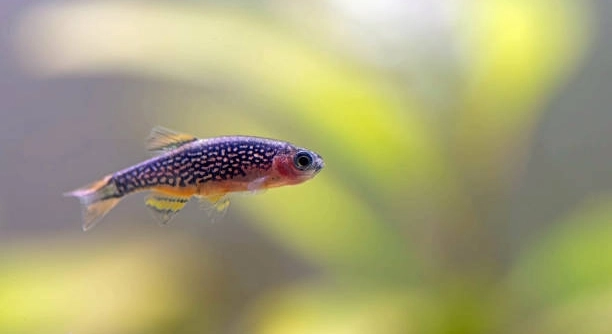
Caring for danio fry can be both exciting and challenging, especially when you have just a few in a breeder box. Managing their environment properly ensures they grow healthy while minimizing risks from overcrowding or stress.
The best approach for seven danio fry in a breeder box is to maintain stable water conditions, provide appropriately sized feed, and monitor their growth closely. Regular cleaning and careful observation help prevent disease and support healthy development.
Proper care for these fry involves more than feeding. Observing behavior, maintaining water quality, and gradual acclimation are key to helping them thrive as they grow.
Preparing the Breeder Box
Setting up the breeder box correctly is the first step in raising healthy danio fry. Start with a small, clean container with smooth edges to prevent injury. Fill it with water that matches the main tank’s temperature and pH to avoid shock. Use a gentle sponge filter or air stone to ensure water movement without creating strong currents. Adding a few floating plants or spawning mops can give the fry hiding spots and reduce stress. Make sure the water is dechlorinated and free of chemicals that can harm delicate fry. Regular observation during the first few days is essential, as fry are most vulnerable in this period. Feeding small amounts multiple times a day is better than one large feeding, and use finely crushed flake food or specialized fry food. Keeping the environment stable and quiet helps the fry grow steadily while reducing mortality risks.
Regular monitoring of water quality and temperature is crucial for maintaining healthy fry. Small adjustments early prevent larger problems later.
Even with careful preparation, the breeder box requires daily attention. Remove uneaten food and check for signs of stress or illness. Maintain consistent feeding schedules and gradually adjust as fry grow. Clean the box gently without disturbing the fry too much. Observing how they interact with each other can indicate if overcrowding is becoming an issue. Water changes should be partial and slow to avoid shocking the fry, and introducing live or frozen foods occasionally can improve growth rates. A stable, clean, and well-fed environment ensures the fry develop normally, with less risk of disease or deformities. Paying attention to these details now sets up the fry for successful transfer to a larger tank in the future.
Feeding and Nutrition
Proper feeding is essential for the fry’s development. Start with finely crushed flakes or liquid fry food and feed in small amounts multiple times a day to ensure they all get nutrition.
Gradually introduce a variety of foods as fry grow. Live foods such as baby brine shrimp or microworms promote faster growth and stronger immune systems. Begin with tiny portions to avoid fouling the water. Watch how the fry respond and adjust the frequency or quantity accordingly. Remove leftovers promptly to maintain water quality. Providing balanced nutrition ensures they gain strength and size efficiently. Overfeeding can cause water issues, so moderation is key. Rotating between prepared fry foods and live foods offers both convenience and optimal growth. Consistent observation of feeding behavior allows you to notice potential health concerns early. Proper nutrition at this stage forms the foundation for healthy adult danios with bright colors and active behavior.
Maintaining Water Quality
Keeping the water clean is essential for the fry’s survival. Perform small, frequent water changes to remove waste and prevent harmful ammonia buildup. Test the water regularly for pH and temperature to maintain a stable environment for growth.
Daily observation helps identify early signs of water issues. Even minor fluctuations in temperature or pH can stress the fry, slowing growth or increasing vulnerability to disease. Use a small net to remove uneaten food and debris. Avoid sudden large water changes, as these can shock the fry. Using a gentle filter ensures circulation without disturbing the fry, while adding a few live plants can naturally absorb excess nutrients and provide cover. Monitoring water clarity and color also helps detect potential problems early.
Chemical imbalances can be harmful, even if the water looks clean. Test ammonia, nitrite, and nitrate levels consistently. Treat tap water to remove chlorine and chloramines, as these chemicals are toxic to fry. Introduce partial water changes gradually, matching temperature and pH closely to the breeder box. Avoid overstocking and overfeeding, as both can compromise water quality. Maintaining a careful balance ensures fry remain healthy, active, and less prone to stress or illness.
Observing Growth and Behavior
Tracking growth helps determine if feeding and water conditions are effective. Monitor size, activity levels, and interactions between fry.
Fry should show gradual increases in size each week. Healthy fry are active, swimming steadily rather than hiding constantly or floating passively. Aggressive behavior or constant chasing may indicate overcrowding or stress. Observe how they approach food; strong, quick responses usually signal good health. Note any signs of deformities, unusual spots, or sluggishness, which could point to water quality issues or nutritional deficiencies.
Keeping detailed observations allows adjustments before small problems become major. Use a simple log to track daily feeding, water changes, and growth progress. Compare the fry’s development against expected milestones for danios. Small interventions, like adjusting food size or improving hiding spots, can have significant effects on health. By observing and responding consistently, you ensure the fry have the best conditions for thriving and preparing for eventual transfer to a larger tank.
Controlling Temperature
Maintaining a stable temperature is crucial for fry survival. Use a reliable heater and thermometer to avoid sudden fluctuations. Danio fry are sensitive, and even small changes can slow growth or increase stress, so consistent monitoring is necessary.
Avoid placing the breeder box near drafts or direct sunlight. Rapid temperature shifts can cause shock and weaken the fry’s immune system. Aim for a steady range appropriate for danios, usually around 24–26°C (75–79°F). Minor adjustments should be gradual, never more than a degree or two at a time, to prevent stress.
Preventing Overcrowding
Overcrowding can lead to stunted growth, aggression, and poor water quality. Seven fry can thrive in a small breeder box if space and resources are adequate.
Providing enough space allows each fry to access food and swim freely. Monitor growth and consider moving fry to a larger tank as they develop. Hiding spots or plants reduce stress from interactions. Avoid adding new fry or fish to the same box until the current batch has grown sufficiently. Regular observation ensures all fry remain healthy and active.
Transferring Fry
When fry reach about one inch, they can be moved to a larger tank. Acclimate them slowly to avoid stress and ensure survival.
Observing Health
Regular checks for disease or unusual behavior are essential. Healthy fry are active, alert, and free of visible deformities or spots.
FAQ
How often should I feed seven danio fry in a breeder box?
Feed the fry small amounts three to four times a day. Use finely crushed flake food or specialized fry food to ensure they can consume it easily. Avoid overfeeding, as leftover food can foul the water quickly and cause health problems. Observe their feeding behavior and adjust portions as needed.
What is the best water temperature for danio fry?
Keep the water between 24–26°C (75–79°F). Sudden temperature changes can stress fry and slow growth. Use a reliable heater and thermometer to monitor the temperature consistently. Avoid placing the breeder box in direct sunlight or near drafts to maintain stability.
How can I prevent disease in the fry?
Maintain clean water with regular partial changes, remove uneaten food promptly, and monitor water parameters like pH, ammonia, nitrites, and nitrates. Avoid overcrowding, and introduce new food or plants gradually. Healthy fry are active and alert, while sick fry may hide or show spots.
When should I move fry to a larger tank?
Once fry reach about one inch in length and can swim steadily, they can be transferred. Acclimate them slowly to the new tank by gradually mixing water from the larger tank into the breeder box over 20–30 minutes to reduce shock.
What type of food is best for growing fry?
Start with finely crushed flakes or liquid fry food. As they grow, incorporate live or frozen foods like baby brine shrimp or microworms to promote faster growth and stronger immune systems. Rotate foods to provide balanced nutrition and encourage healthy development.
How do I know if my fry are stressed?
Signs of stress include sluggish swimming, hiding constantly, gasping at the surface, or refusing food. Stress can result from poor water quality, temperature fluctuations, or overcrowding. Adjust conditions immediately to reduce stress and prevent illness.
Can I keep plants in the breeder box?
Yes, small floating plants or spawning mops provide hiding spots and reduce stress. Plants also help absorb excess nutrients, improving water quality. Ensure they do not overcrowd the fry or restrict swimming space.
How much water should I change in the breeder box?
Perform small water changes of 10–20% every two to three days. Replace with dechlorinated water of the same temperature and pH. Avoid large water changes that could shock the fry, and always remove uneaten food before adding fresh water.
What should I do if one fry dies?
Remove the deceased fry immediately to prevent contamination. Check water parameters and feeding practices to identify potential problems. One death in a small batch can indicate water quality or health issues that need attention.
Can I keep seven fry in a small breeder box long-term?
Seven fry can stay in a small breeder box temporarily, but as they grow, space becomes limited. Overcrowding can stunt growth and increase stress. Plan to transfer them to a larger tank when they reach about one inch in size to ensure proper development and health.
How often should I check water parameters?
Check water temperature, pH, ammonia, nitrites, and nitrates daily. Fry are sensitive to changes, and maintaining stable conditions is essential for growth and survival. Quick adjustments help prevent stress and health problems before they become serious.
What is the best way to acclimate fry to a new tank?
Float the breeder box or bag in the larger tank for 20–30 minutes. Gradually mix small amounts of tank water into the breeder box to adjust the fry to the new conditions. Move them gently to reduce stress and avoid sudden environmental changes.
How long will it take for fry to grow into adult danios?
Danio fry typically grow steadily over a few months. With proper feeding, clean water, and a stable environment, they can reach full size in three to four months. Growth rates vary depending on food quality, temperature, and water conditions.
What are signs of healthy fry?
Healthy fry are active, swimming confidently, and feeding eagerly. Their bodies should be free from deformities, spots, or discoloration. They respond quickly to movement or feeding cues, showing overall vitality. Consistent growth and alert behavior indicate good health.
How do I prevent aggressive behavior among fry?
Provide enough space and hiding spots to reduce competition. Avoid overcrowding and ensure each fry has access to food. Monitor interactions, and separate fry if one or more are constantly chased or stressed. Balanced nutrition and clean water also minimize aggressive tendencies.
Can I use tap water directly in the breeder box?
No, tap water should always be treated to remove chlorine and chloramines. Use a dechlorinator and check pH and temperature before adding it to the breeder box. Untreated tap water can harm delicate fry and reduce survival rates.
How do I know if water changes are sufficient?
Clear water, healthy swimming behavior, and consistent feeding responses indicate that water changes are adequate. Test ammonia, nitrites, and nitrates regularly. If levels rise, increase the frequency or volume of water changes slightly to maintain a stable environment.
Is it necessary to separate fry from adult fish?
Yes, adult fish may eat fry, and competition for food can stress the young. Using a breeder box or separate tank ensures fry grow safely and have access to sufficient nutrition without threats.
How long should fry stay in the breeder box?
Fry should remain in the breeder box until they are large enough to swim confidently and eat adult-sized food. This usually occurs around one inch in length. Delaying transfer beyond this can cause overcrowding and slow growth.
What should I do if fry stop eating?
Check water parameters and ensure food is appropriate in size. Stress, disease, or poor water quality can reduce appetite. Adjust conditions gradually and provide high-quality, easily consumable foods to encourage feeding.
How important is lighting for fry?
Moderate lighting helps fry see food and maintain a natural day-night cycle. Avoid bright, direct light that can stress fry. A consistent light schedule supports healthy activity and growth without causing unnecessary stress.
Can I introduce other species to the breeder box?
No, the breeder box should only contain the fry. Introducing other species can cause aggression, stress, or disease, reducing survival chances. Keep the environment controlled until fry are ready for transfer.
How do I handle sick fry?
Isolate sick fry immediately to prevent spreading disease. Check water quality and reduce stressors. Use treatments appropriate for fry, avoiding harsh chemicals, and adjust feeding and environment to support recovery.
What equipment is essential for seven fry in a breeder box?
A small, smooth breeder box, gentle sponge filter or air stone, heater, thermometer, and basic water testing kit are essential. Optional additions include floating plants or spawning mops to provide cover and improve water quality naturally.
How do I know when fry are ready for adult food?
Once fry are large enough to swallow small pellets or larger flakes, usually around one inch in size, they can transition gradually to adult food. Continue offering small, manageable portions to ensure proper nutrition.
Can overfeeding cause death in fry?
Yes, excess food decomposes quickly, increasing ammonia and nitrite levels. This can be fatal for fry. Feed small amounts multiple times daily, and remove uneaten food promptly to maintain safe water conditions.
How do I clean a breeder box without harming fry?
Use gentle siphoning or a small cup to remove debris and partial water changes. Avoid scrubbing surfaces aggressively, and never remove all water at once. Maintain a calm environment while cleaning to prevent stress and injury.
Is it necessary to have a filter in a breeder box?
Yes, a gentle sponge filter or air stone helps circulate water, maintain oxygen levels, and reduce harmful buildup. Ensure the current is mild to avoid stressing or injuring delicate fry.
How do I encourage healthy swimming behavior?
Provide enough space, maintain clean water, and offer balanced nutrition. Avoid overcrowding and sudden environmental changes. Observing and responding to stress signals helps fry swim confidently and develop strong muscles.
What is the ideal pH for danio fry?
Keep pH around 6.8–7.5. Extreme fluctuations can stress fry and affect growth. Test water regularly and adjust gradually if necessary using safe buffers or treated water.
How do I prevent fungal infections?
Maintain clean water, remove dead fry immediately, and avoid overfeeding. Fungal spores thrive in poor water conditions, so regular monitoring and proper hygiene are essential to prevent outbreaks.
How often should I observe fry for growth and health?
Check fry at least once daily, noting size, behavior, and any signs of illness. Consistent observation allows early intervention for water quality issues, stress, or disease, improving survival rates.
Can I use a heater in a small breeder box safely?
Yes, a small adjustable heater is safe if monitored closely. Ensure it maintains consistent temperature without creating hot spots or strong currents. Combine with a thermometer for accurate readings.
What are the most common mistakes when raising seven fry?
Overfeeding, poor water quality, sudden temperature changes, overcrowding, and introducing other fish too early are common issues. Careful monitoring and gradual adjustments help prevent these problems.
How do I know when it’s safe to remove plants from the breeder box?
Plants can be removed once fry are large enough to handle a larger tank without stress. Ensure water conditions remain stable, and that hiding spots are still available if needed.
Is aeration necessary for seven fry?
Yes, gentle aeration helps maintain oxygen levels. Too strong a current can stress or injure fry, so adjust flow to a mild, steady movement that circulates water without disturbing them.
How long should feeding sessions last?
Feed fry in short sessions, just a few minutes per feeding. Remove uneaten food immediately to avoid water contamination. Multiple small feedings each day are better than one long session.
How do I transfer fry to a community tank safely?
Acclimate slowly by mixing tank water into the breeder box over 20–30 minutes. Ensure fry are large enough to avoid predation and monitor interactions carefully in the new environment.
What are signs of poor water quality in the breeder box?
Cloudy water, sudden stress in fry, gasping at the surface, or unusual behavior indicate poor water quality. Test parameters immediately and perform partial water changes to correct issues.
Can I reuse water from the breeder box for another batch?
No, used water may contain pathogens or waste that can harm new fry. Always start with clean, treated water to ensure a safe environment.
How do I encourage even growth among fry?
Provide balanced nutrition, adequate space, and maintain stable water conditions. Observe feeding to ensure all fry get food and adjust portions or distribution if some are lagging behind.
How can I reduce stress during cleaning or observation?
Move slowly, use minimal disturbance, and avoid sudden changes. Gentle water changes and careful observation prevent shock and allow fry to remain active and healthy.
What is the recommended tank size after the breeder box?
A small 10–20 gallon tank works well for seven fry as they grow. Provide hiding spots, clean water, and a gentle filter to continue healthy development.
How often should I rotate foods for fry?
Rotate foods daily or every few days. Combine prepared fry foods with occasional live or frozen options to provide balanced nutrition and stimulate growth and natural behavior.
How do I manage fry if one becomes aggressive?
Separate aggressive fry temporarily to prevent injury or stress. Check for environmental stressors like overcrowding, insufficient hiding spots, or uneven food distribution. Address these to restore balance among the group.
Can I use a sponge filter alone for oxygenation?
Yes, a sponge filter provides gentle water movement and aeration. Ensure it runs continuously and is appropriately sized for the breeder box to maintain oxygen levels and water quality.
How do I prevent overpopulation if multiple batches are raised?
Track the number of fry and plan tank space in advance. Transfer older fry to larger tanks or separate containers before new batches hatch to avoid overcrowding and competition.
What should I do if fry stop growing?
Check water quality, nutrition, and space. Stunted growth usually results from stress, poor feeding, or inadequate environment. Adjust conditions gradually and provide high-quality food to encourage resumed growth.
How important is hiding space for fry?
Hiding spots reduce stress, prevent injury, and give fry confidence while swimming. Small plants, spawning mops, or floating cover help maintain a calm environment.
How do I acclimate fry to live foods?
Introduce live foods gradually in small amounts, observing how they respond. Ensure the food is appropriately sized, and remove leftovers to maintain water quality.
What precautions should I take during partial water changes?
Use water that matches temperature and pH, perform changes slowly, and avoid removing all water at once. Gentle siphoning reduces stress and prevents harming delicate fry.
How do I handle sudden deaths in the breeder box?
Remove the deceased fry immediately and test water parameters. Check for signs of disease or stress among remaining fry, and adjust feeding and environment as needed to prevent further loss.
Can I use artificial plants instead of live ones?
Yes, but ensure they are soft, smooth, and free of sharp edges. Artificial plants provide hiding spaces without altering water chemistry, helping reduce stress for fry.
How do I tell if fry are ready for social interaction?
Once they swim confidently, feed actively, and show minimal stress, fry are ready for interaction within their batch. Avoid introducing other species until they are larger and more resilient.
What is the best way to prevent ammonia spikes?
Feed in small amounts, perform partial water changes regularly, and avoid overcrowding. Use a gentle filter and remove uneaten food promptly to keep ammonia levels low.
How long should I keep monitoring fry after transfer?
Continue daily observation for at least two weeks after transfer. Watch for feeding behavior, activity levels, and any signs of stress or disease to ensure successful adaptation.
How do I maintain a calm environment for fry?
Avoid sudden movements, loud noises, and abrupt environmental changes. Consistent care, stable water conditions, and gentle handling create a low-stress environment conducive to healthy growth.
Can I use commercial water conditioners in the breeder box?
Yes, use conditioners to remove chlorine, chloramines, and heavy metals. Choose products safe for fry, and follow dosage instructions carefully to avoid harming delicate fish.
How do I prevent mold or fungus on uneaten food?
Remove leftover food promptly and perform regular partial water changes. Excess food can quickly develop mold or fungus, creating harmful conditions for fry.
What signs indicate fry are ready for larger meals?
When fry eagerly consume small pellets or larger flakes without difficulty, and swimming is confident, they can handle larger portions. Gradually adjust food size to avoid choking or digestive issues.
Is it necessary to label water changes and feeding times?
Keeping a simple log helps track patterns, identify problems early, and maintain consistent care. Document water changes, feeding, and observations of fry growth and behavior.
How do I manage algae growth in the breeder box?
Limit direct sunlight and avoid overfeeding. Small amounts of algae are harmless, but excessive growth can affect water quality. Clean surfaces gently if needed without disturbing fry.
Can I reuse equipment for multiple batches of fry?
Yes, but thoroughly clean and disinfect items between batches. Avoid chemicals harmful to fry and rinse equipment well before reuse to prevent contamination.
How do I ensure even light distribution in the breeder box?
Use moderate, indirect lighting. Avoid bright or uneven light that can stress fry. A consistent day-night cycle helps maintain healthy activity and growth.
How do I handle fry that are slower to grow?
Separate slower fry if necessary to reduce competition for food. Monitor water quality, feeding, and environmental conditions, and provide additional nutrition as needed to support even growth.
How often should I replace water in the breeder box entirely?
Full water replacement is rarely needed. Frequent partial changes maintain stability and reduce stress. Only perform full replacements if contamination occurs, and acclimate fry gradually to prevent shock.
Can fry survive without a filter temporarily?
Yes, for very short periods if water is clean and oxygenated, but long-term lack of filtration increases risk of waste buildup and disease. Use gentle aeration if no filter is available.
What is the best way to distribute food evenly?
Drop small portions across the surface to reach all fry. Observe feeding behavior and adjust placement to ensure slower or smaller fry get access without overfeeding.
How do I prevent fry from jumping out of the breeder box?
Use a secure lid or cover. Fry are small and agile, and a lid prevents accidents while allowing light and gentle air exchange.
How important is water hardness for fry?
Moderate hardness is ideal. Extreme soft or hard water can stress fry and affect growth. Test and adjust water parameters gradually if needed.
Can I use tap water stored for 24 hours instead of treating it?
Stored tap water may lose some chlorine but can still contain chloramines or heavy metals. Always use a dechlorinator to ensure water safety for fry.
How do I transition fry to pellet food safely?
Introduce pellets gradually, starting with very small pieces. Observe how they respond, and continue offering smaller food options until they can consume pellets easily.
What is the best method for removing waste from the breeder box?
Use a small siphon or gentle cup to remove debris and uneaten food. Partial water changes help maintain cleanliness without stressing the fry.
How often should I inspect fry for deformities?
Daily observation is best. Early detection allows adjustments in feeding, water quality, or environment to support healthy development and prevent long-term issues.
Can I use antibiotics if fry show illness?
Only under careful guidance and with products safe for fry. Overuse or incorrect dosing can harm delicate fry. Focus first on water quality, nutrition, and stress reduction.
How do I reduce stress during handling?
Move slowly, avoid sudden movements, and use minimal disturbance. Gentle siphoning or netting ensures fry remain calm and healthy.
Is water aeration necessary in a small breeder box?
Yes, gentle aeration maintains oxygen levels and circulation. Ensure the flow is mild to prevent fry from being swept away or stressed.
How do I measure fry growth accurately?
Use a small ruler or photographic comparison to track size weekly. Note changes in length and body shape to monitor development.
What are the risks of overcrowding in a small breeder box?
Overcrowding causes stress, competition for food, stunted growth, and poor water quality. Ensure enough space and consider moving fry to a larger tank as they grow.
How do I prevent fry from injuring each other?
Provide adequate space, hiding spots, and even access to food. Monitor interactions and separate aggressive fry if necessary to maintain safety.
Can I keep seven fry with other species in the same tank?
No, fry are vulnerable to predation and competition. Keep
Raising seven danio fry in a breeder box requires careful attention to their environment, food, and health. Each fry is delicate, and small changes in water quality, temperature, or feeding can have significant effects. Maintaining clean water with proper temperature and pH is essential for their survival and growth. Partial water changes every few days help remove waste and reduce the buildup of harmful chemicals. Using a gentle sponge filter or air stone ensures circulation without creating strong currents that could stress or injure the fry. Observing the fry daily allows for early detection of any problems, such as illness, abnormal behavior, or slow growth. Even small adjustments, like modifying feeding portions or adding hiding spots, can make a noticeable difference in their well-being. These steps help ensure that each fry grows steadily and remains healthy throughout its early development.
Feeding plays a crucial role in the fry’s growth and overall health. Providing small amounts of finely crushed flakes, liquid fry food, or live foods like baby brine shrimp encourages active feeding and proper nutrition. Multiple small feedings throughout the day are better than a single large feeding, as this prevents leftover food from fouling the water. As the fry grow, gradually introducing a variety of foods ensures they receive balanced nutrition. Observing how each fry responds during feeding can indicate their health and development progress. Overfeeding or uneven distribution of food can cause stress or competition, so careful attention is needed to make sure all fry have equal access to nutrition. By maintaining consistent feeding habits and monitoring their response, the fry are more likely to thrive and reach the size needed for transfer to a larger tank.
Monitoring growth and behavior is equally important in the process of raising fry. Healthy fry are active, swim confidently, and show consistent growth over time. Any signs of lethargy, hiding, or unusual markings can indicate stress, disease, or water issues that need immediate attention. Overcrowding should be avoided, as it can lead to stunted growth and aggressive behavior. Providing hiding places such as small plants or spawning mops helps reduce stress and gives fry a sense of security. As fry reach approximately one inch in length, they are ready for transfer to a larger tank where they can continue growing with adequate space and proper care. Regular observation, combined with careful feeding and maintenance, ensures that these seven danio fry develop into strong, healthy fish ready for a stable, long-term environment. This methodical approach makes the task manageable and supports successful growth while minimizing risks.

Hello,
If you enjoy the content that we create, please consider saying a "Thank You!" by leaving a tip.
Every little bit helps us continue crafting quality advice that supports the health, happiness, and well-being of pets around the world, for pets of all shapes, sizes, and species.
We really appreciate the kindness and support that you show us!