
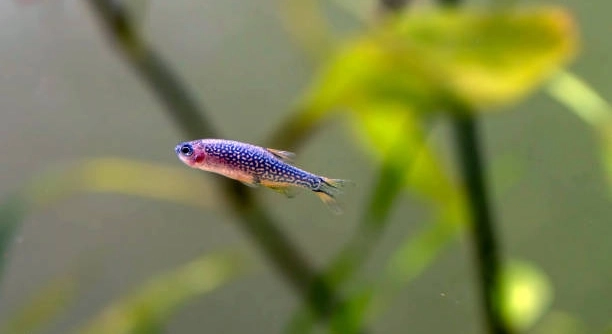
Are your danios showing signs of stress despite your efforts to maintain a clean tank? Many fish owners struggle to keep their small, active fish calm and healthy in home aquariums. Adjusting water conditions can make a noticeable difference.
The most effective way to reduce stress in danios is by carefully regulating water parameters. Gradual changes in temperature, pH, hardness, and flow create a stable environment. Consistent water quality and proper acclimation practices minimize stress and support overall fish health.
Understanding these simple adjustments will help create a more comfortable environment for your danios. Proper water care ensures they remain lively, healthy, and visually vibrant in your aquarium.
Gradual Temperature Adjustments
Danios are sensitive to sudden temperature changes, which can trigger stress and weaken their immune system. A stable temperature between 72°F and 78°F is ideal, but consistency is more important than exact numbers. When adjusting the tank temperature, always make changes slowly, ideally no more than 1–2°F per day. Sudden increases or drops can shock your fish, leading to erratic swimming, loss of appetite, and higher susceptibility to disease. Using a reliable heater and thermometer helps monitor the temperature accurately. Additionally, avoid placing the tank near windows or vents where fluctuations are more likely. For minor temperature corrections, a gradual approach ensures the danios acclimate without stress. Over time, this consistency supports better health, more energetic behavior, and reduces signs of nervousness. Even small adjustments done carefully can improve their comfort significantly. Observing your fish during temperature changes allows you to notice any stress early and take immediate action if needed.
Maintaining a steady temperature supports calmer, healthier danios and reduces stress-induced behaviors.
Consistent thermal conditions create a stable environment that encourages normal activity and feeding patterns. Fish that are exposed to frequent fluctuations often show reduced growth, color fading, and susceptibility to infections. By keeping temperature adjustments gradual, you protect their overall health and promote a thriving aquarium.
Optimizing Water Flow
Water flow in the tank directly affects danio comfort. Strong currents can exhaust them, while stagnant water reduces oxygen levels and increases stress.
Adjusting the filter output and using flow-directing tools can create gentle, consistent currents suitable for danios. Too much flow forces them to swim constantly, leading to fatigue. Observe their behavior and adjust until swimming appears natural and relaxed. Plant placement and decorations can also help break strong currents, providing calm zones for resting. A balanced water flow improves oxygenation, reduces debris accumulation, and keeps the tank cleaner. Maintaining this balance not only reduces stress but supports long-term health and energy. Danios thrive when the water movement matches their natural preferences, allowing them to explore the tank comfortably without feeling pressured or overexerted.
Proper flow ensures oxygen reaches all areas of the tank while providing zones of calm. Maintaining consistent circulation helps keep the water clean, minimizes stress, and encourages natural, healthy behaviors. Fish can rest, feed, and interact normally when flow is well-regulated, resulting in a stable and lively aquarium environment.
Regular Water Changes
Frequent water changes help maintain stable conditions, remove toxins, and reduce stress in danios. Even small weekly changes can make a noticeable difference in their behavior and overall health.
Replacing 10–20% of the tank water weekly keeps nitrate and ammonia levels low, which is critical for danio wellbeing. Dirty water or sudden spikes in toxins can lead to lethargy, clamped fins, and erratic swimming. Use a siphon to remove debris from the substrate while adding fresh, dechlorinated water at the same temperature as the tank. Gradual water changes prevent sudden environmental shocks that stress fish. Over time, consistent water maintenance encourages more active swimming, brighter coloration, and healthier feeding habits. Monitoring water parameters before and after changes ensures stability, making the tank a safer, calmer home for danios.
Even small, consistent water changes contribute to a healthier, stress-free environment. This practice supports normal behavior, energy levels, and overall longevity for your fish.
Balanced pH Levels
Keeping the pH between 6.5 and 7.5 helps danios remain comfortable and stress-free. Sudden shifts can cause discomfort and disease.
Stable pH prevents rapid changes in water chemistry that can disturb biological processes in danios. Fluctuations may result from overfeeding, decaying plant matter, or untreated tap water. Using pH testing kits regularly helps monitor levels, while natural buffers or partial water changes correct minor deviations. Avoid abrupt adjustments with chemicals, as these can shock the fish and increase stress. By maintaining a balanced pH, their metabolism, immunity, and coloration stay consistent, supporting overall wellbeing. Stress is minimized when the environment remains predictable and suitable for their species-specific needs.
A consistent pH ensures danios’ physiological processes function correctly, reducing illness and promoting active swimming. Carefully monitoring and adjusting water chemistry contributes to a healthier, calmer aquarium where fish thrive naturally.
Proper Tank Size
Danios need ample space to swim freely. Crowded tanks increase stress and aggression.
A minimum of 20 gallons is recommended for a small school. More space allows natural movement, reduces territorial disputes, and helps maintain water quality, keeping danios calmer and healthier.
Softening Hard Water
Hard water can cause stress, affecting danio health and coloration. Softening it gradually helps them adjust.
Use reverse osmosis water or gentle buffers to lower hardness slowly. Sudden changes can shock fish, so blend treated water with existing tank water over time. Soft water improves gill function, reduces disease risk, and supports natural behaviors like schooling and exploring. Monitoring hardness ensures conditions stay suitable without affecting pH or other parameters, creating a balanced environment that supports overall well-being.
Consistent Lighting
Regular lighting schedules support danio rhythms. Sudden changes or prolonged darkness can cause stress and irregular activity.
FAQ
How often should I change the water for my danios?
Water changes should be done regularly to maintain clean and stable conditions. A weekly replacement of 10–20% of the tank water is ideal. Always use dechlorinated water at the same temperature to prevent shocking the fish. Consistency in water changes keeps nitrate and ammonia levels low, reducing stress and promoting healthy behavior.
What is the best temperature range for danios?
Danios thrive in temperatures between 72°F and 78°F. Stability is more important than hitting an exact number. Sudden temperature shifts can cause erratic swimming, clamped fins, and weakened immunity. Gradual adjustments of 1–2°F per day are safest when making changes. Monitoring with a reliable thermometer ensures comfort and reduces stress.
Can I keep danios with other fish?
Danios are generally peaceful but active fish. They do best in groups of at least six to maintain natural social behavior. Mixing with aggressive or very slow-moving species may increase stress. Compatible tank mates include other small, fast-swimming fish that tolerate similar water conditions. Observing interactions in the tank helps prevent conflicts.
How do I soften hard water for danios?
Hard water can be softened using reverse osmosis water or commercial buffers. Changes should be gradual, blending treated water with existing tank water to avoid shocking the fish. Soft water supports gill function, reduces stress, and improves overall health. Always monitor hardness and pH during adjustments to maintain stable conditions.
What is the ideal pH for danios?
A stable pH between 6.5 and 7.5 works best. Sudden shifts can stress fish and disrupt biological processes. Regular testing with kits helps detect changes, and partial water changes or natural buffers correct minor fluctuations safely. Avoid abrupt chemical treatments, as these can harm fish and increase stress.
How much space do danios need?
Danios need at least 20 gallons for a small school of six. Crowded tanks increase stress, reduce oxygen, and encourage aggression. More space allows for natural swimming behavior, helps maintain water quality, and supports calmer interactions within the group. Decorations and plants can provide hiding spots but should not block swimming areas.
Why is consistent lighting important?
A regular lighting schedule helps maintain natural rhythms in danios. Sudden changes or prolonged darkness can disrupt feeding, activity levels, and sleep cycles. Aim for 10–12 hours of light per day, using timers if possible. Consistent lighting reduces stress, supports color vibrancy, and helps fish settle into predictable routines.
What signs indicate my danios are stressed?
Signs include erratic swimming, clamped fins, hiding excessively, loss of appetite, faded coloration, and increased susceptibility to disease. Observing these behaviors early allows corrective action, such as adjusting water parameters, flow, or tank conditions. Quick response minimizes long-term health impacts and restores calmness in the aquarium.
How do I acclimate new danios to my tank?
Float the bag in the tank for 15–20 minutes to match temperature. Gradually mix small amounts of tank water into the bag over 30–60 minutes. Avoid sudden immersion, as temperature or water chemistry differences can shock the fish. Slow acclimation ensures minimal stress and a smooth transition into their new environment.
Can diet affect stress levels in danios?
Yes, a balanced diet supports health and reduces stress. Feed high-quality flakes, frozen or live foods, and avoid overfeeding. Uneaten food can foul the water, increasing stress. Consistent feeding schedules, variety in diet, and monitoring portions help maintain energy levels, immune function, and overall well-being.
Is tank decoration important for reducing stress?
Decorations and plants provide hiding spots and visual barriers that help danios feel secure. Avoid overcrowding the tank with items that block swimming space. Natural or artificial plants, smooth rocks, and gentle shelters reduce stress by allowing fish to rest, explore, and interact safely within their environment.
How can I monitor water parameters effectively?
Regular testing of temperature, pH, hardness, ammonia, nitrites, and nitrates is essential. Use accurate test kits and record results consistently. Monitoring trends helps prevent sudden changes that stress fish. Adjustments should always be gradual, ensuring stability while keeping the tank safe and comfortable for danios.
What should I do if my danios show prolonged stress?
Identify potential causes, including water quality, temperature, flow, or overcrowding. Correct these issues gradually and maintain consistent conditions. Avoid sudden changes or aggressive tank mates. Observe behavior and consult a fish health guide or veterinarian if stress persists. Timely intervention prevents disease and improves overall wellbeing.
Can I use chemical treatments to reduce stress?
Chemical stress reducers should be used sparingly and only when necessary. Many work by masking environmental issues rather than fixing underlying problems. Focus on proper water maintenance, stable parameters, and suitable tank conditions first. Using chemicals as a long-term solution can be harmful and may not address the cause of stress.
How do seasonal changes affect danios?
Temperature fluctuations, lighting changes, and tap water chemistry shifts during different seasons can impact danios. Monitoring water parameters closely during seasonal transitions helps maintain stability. Gradual adjustments to heating, lighting, and water treatment minimize stress and keep the fish healthy throughout the year.
What role does schooling play in stress reduction?
Danios are social fish that rely on group behavior for security. Keeping them in small schools reduces anxiety and encourages natural swimming patterns. Isolation can increase stress, cause erratic behavior, and reduce overall vitality. Ensuring adequate numbers and compatible tank mates enhances comfort and stability in the aquarium environment.
How important is oxygenation for stress management?
Adequate oxygen levels reduce fatigue and support normal metabolism in danios. Proper water flow, surface agitation, and filtration help maintain oxygen levels. Stagnant water or overstocking can lower oxygen, causing stress. Observing breathing patterns and adjusting aeration ensures fish remain active and calm.
Can frequent handling cause stress?
Yes, handling or netting danios unnecessarily can lead to shock, fin damage, and elevated stress. Only handle fish when necessary, such as during medical treatment or tank maintenance. Minimizing contact preserves their natural behavior, reduces injury risk, and supports long-term health and wellbeing.
How do I maintain overall tank stability?
Regular monitoring, consistent water changes, proper stocking levels, stable temperature, and balanced pH create a predictable environment. Stable conditions reduce stress triggers, encourage natural behavior, and support immunity. Combining all these practices ensures danios remain active, healthy, and visually vibrant in their habitat.
Maintaining a calm and healthy environment for danios requires consistent attention to water conditions, tank setup, and daily care. Stress in these fish can arise from multiple factors, including rapid changes in temperature, pH, hardness, or water flow. Even minor fluctuations in water quality can affect their behavior, appetite, and overall health. By regularly monitoring and adjusting these parameters, you can create a stable environment where danios feel secure. Small, gradual adjustments are always better than abrupt changes, as they allow the fish to acclimate without experiencing unnecessary stress. This approach not only helps prevent illness but also supports the natural behavior and activity levels of your fish. Paying close attention to the tank’s conditions and maintaining a routine ensures that danios remain lively, colorful, and healthy for years.
Proper tank setup is also essential to minimizing stress. Adequate space, hiding spots, and gentle water flow contribute to a comfortable habitat. Crowded tanks or tanks with poor circulation can increase aggression, limit movement, and reduce oxygen levels, all of which are stressful for danios. Using decorations and plants strategically can provide areas of security and reduce visual stress. Observing your fish regularly helps you understand their normal behavior and quickly identify signs of discomfort or stress. Temperature stability, appropriate lighting schedules, and balanced water chemistry all play critical roles in creating a predictable environment. Over time, these small steps create a positive impact on fish health, making them more resilient to minor fluctuations or temporary disturbances. Consistency in care and a well-thought-out tank layout go hand in hand to support a thriving aquarium.
Diet and social dynamics also influence danio stress levels. A balanced diet of quality flakes, frozen foods, and occasional live treats provides proper nutrition and supports immune function. Overfeeding or poor-quality food can quickly degrade water quality, leading to stress and disease. Socially, danios are schooling fish and require groups of at least six to display natural behaviors. Isolation or pairing them with incompatible species can cause anxiety and reduce overall vitality. By combining proper nutrition, careful monitoring of water quality, appropriate tank design, and social support, you create an environment that encourages calm, active, and healthy fish. Paying attention to these details ensures your danios thrive, exhibit natural behaviors, and remain visually vibrant, while reducing the risk of stress-related issues and health problems.

Hello,
If you enjoy the content that we create, please consider saying a "Thank You!" by leaving a tip.
Every little bit helps us continue crafting quality advice that supports the health, happiness, and well-being of pets around the world, for pets of all shapes, sizes, and species.
We really appreciate the kindness and support that you show us!