
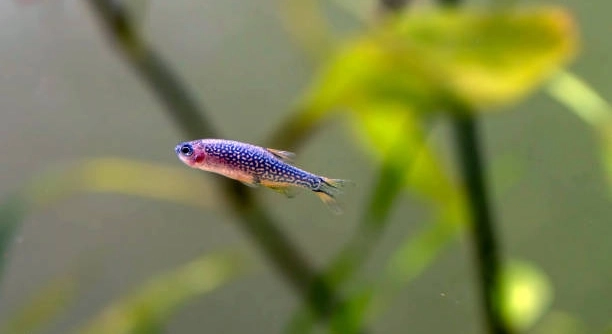
Do you enjoy watching your danios swim gracefully through the aquarium, but sometimes worry if feeding them at the wrong time could harm them? Feeding schedules and food types can impact their health more than most people realize.
There are specific circumstances in which danios should not be fed to prevent digestive issues, stress, or water contamination. Avoid feeding during illness, water changes, overpopulation, sudden temperature shifts, nighttime hours, immediately after introducing new tank mates, or after administering medication.
Understanding these moments will help maintain a healthy, vibrant tank and ensure your danios thrive in their environment without unnecessary risks.
Feeding During Illness
When danios are sick, their digestive system is sensitive, and feeding can worsen their condition. Food may sit in their stomachs, leading to bloating or constipation. It is important to give their bodies time to recover before introducing any food. Removing uneaten food promptly helps prevent bacterial growth, which can further stress the fish. Observing their behavior during illness can indicate if they are ready to resume feeding. Some owners might notice lethargy, clamped fins, or loss of appetite, which are clear signs to pause feeding. Providing a clean tank with optimal water conditions supports their recovery. Water temperature and quality play a significant role in helping their immune system. Avoid overcrowding to reduce stress and competition for food once feeding resumes. Once the danios appear active and their digestive systems have stabilized, gradually reintroduce small portions of easily digestible food to prevent shock or overeating.
Feeding should resume slowly, monitoring for any signs of digestive distress or worsening illness.
Patience during this time ensures your danios regain strength efficiently. Overfeeding too soon can undo all recovery efforts and extend illness unnecessarily, so careful attention to their behavior is essential. Feeding at this stage requires restraint and observation, balancing nutrition with the need for rest. Proper care can shorten recovery time and maintain long-term health, preventing recurring issues caused by premature feeding. Consistency in water quality, temperature, and feeding habits becomes even more critical when the fish are vulnerable.
Avoid Feeding During Water Changes
Water changes are necessary for maintaining clean and safe conditions, but feeding during this time can be risky. Uneaten food can pollute fresh water, increasing ammonia and nitrate levels.
Feeding should occur after water changes are complete and the tank has stabilized.
Introducing food while water is being replaced can stress danios, as sudden shifts in water chemistry affect their appetite and digestion. The influx of fresh water can dilute beneficial bacteria, making it harder for danios to process food effectively. When food decomposes in unstable conditions, it promotes harmful bacterial growth and algae, which may compromise both water quality and fish health. Planning feeding schedules around water changes ensures that danios receive nutrients under stable conditions. Observing how your fish react post-water change helps determine the ideal feeding window. Small, frequent portions allow danios to eat comfortably without overloading the tank’s filtration system. Avoid feeding immediately before or during maintenance to prevent unnecessary stress and digestive problems. Keeping a consistent routine balances nutrition and tank health, supporting long-term vitality.
Feeding at Night
Danios are less active at night, and their metabolism slows down. Feeding during this time can lead to uneaten food accumulating in the tank, which negatively affects water quality and increases the risk of disease.
Nighttime feeding can disrupt their natural resting cycle. Uneaten food decays, raising ammonia levels, which can stress danios and make them more susceptible to infections. The fish may also become more lethargic the following day, affecting swimming patterns and feeding behavior. Maintaining a consistent feeding schedule during daylight hours helps regulate digestion and keeps the tank cleaner. Providing food only when danios are active ensures it is consumed efficiently, preventing waste and reducing the need for frequent water maintenance. Monitoring the tank after feeding helps identify leftover food and prevents potential water contamination.
A proper feeding routine supports healthy digestion and energy levels. Skipping nighttime meals is essential to maintain a balanced, clean environment that promotes overall vitality and minimizes stress for the fish.
Overfeeding in Crowded Tanks
In crowded tanks, overfeeding can quickly lead to water contamination and oxygen depletion. Small amounts of food should be provided to prevent competition and stress among danios.
Excess food in a crowded environment can decompose rapidly, increasing ammonia and nitrite levels. This not only stresses the fish but also encourages harmful bacteria and algae growth. Danios may compete aggressively for food, leading to injuries and uneven nutrition. Feeding smaller portions multiple times a day is more effective than one large meal. Observing how much the fish consume in a few minutes ensures that food is eaten promptly, reducing waste. Maintaining proper filtration and performing regular partial water changes are critical to managing water quality in densely populated tanks.
Proper portioning in crowded tanks supports health and reduces the risk of digestive issues and disease. Controlled feeding balances nutrition, minimizes aggression, and protects water quality, ensuring that all danios thrive even in limited space. Maintaining this discipline in feeding routines prevents long-term health problems caused by overcrowding and overfeeding.
Feeding After Temperature Shifts
Sudden changes in water temperature can stress danios, making digestion difficult. Feeding immediately after a temperature shift can lead to bloating or refusal to eat.
It is best to wait until the water stabilizes and the fish resume normal swimming and feeding behavior before offering food.
Feeding Immediately After Introducing New Tank Mates
New tank mates can create stress and territorial behavior. Feeding right after introduction may cause aggression and prevent proper eating. It is important to allow the fish to adjust for several hours or days before resuming normal feeding.
Feeding After Medication
Certain medications can react with food, reducing effectiveness or harming danios. Avoid feeding until the treatment period is complete and water parameters are stable.
FAQ
How often should I feed my danios?
Danios do best with small, frequent meals during daylight hours. Two to three feedings per day are usually sufficient. Overfeeding even once can lead to water quality issues and digestive problems. It is better to give smaller amounts that they can consume in a few minutes than to provide a large portion. Observing how quickly the fish eat helps determine the correct amount. Adjusting portions as they grow or as tank conditions change is important for long-term health.
What is the best type of food for danios?
High-quality flake or pellet food formulated for small tropical fish is ideal. Live or frozen foods like brine shrimp or daphnia can be given occasionally to add variety. Foods should be easily digestible, especially for young or sick fish. Avoid giving large pieces that may be difficult to swallow. Providing a balanced diet ensures that danios get essential nutrients without overloading their digestive system. Rotating between different types of food helps maintain interest and supports growth and immune function.
Can I feed danios if the water looks cloudy?
No, feeding in cloudy or dirty water can worsen the condition. Cloudy water usually indicates high waste or bacterial activity. Adding food increases ammonia and nitrite levels, stressing fish further. Wait until water quality improves through filtration or partial water changes before feeding. Monitoring water parameters like pH, ammonia, and nitrate helps decide when feeding is safe. Feeding in clean water ensures the fish consume food efficiently without health risks, reducing the likelihood of digestive problems or disease outbreaks.
What should I do if my danios refuse food?
Refusal to eat can indicate stress, illness, or water quality problems. Check temperature, pH, and tank cleanliness first. If the water is fine, observe the fish for signs of illness, such as lethargy or clamped fins. Starvation for a short period is usually safe, but prolonged refusal requires intervention. Offering a variety of foods in small amounts can stimulate appetite. Avoid force-feeding, which can cause further stress. Maintaining stable tank conditions and feeding a consistent routine usually helps the fish resume eating naturally.
Is it harmful to feed danios too much at once?
Yes, overfeeding can cause bloating, constipation, and water contamination. Uneaten food decomposes, increasing ammonia and nitrite levels. These compounds stress danios and can lead to long-term health issues. Feeding should always be in small portions that the fish can finish within minutes. Frequent, measured feedings are safer than occasional large meals. Observing how much they eat and adjusting the portions accordingly prevents waste and protects water quality. Careful feeding ensures proper digestion and reduces the risk of disease in the tank.
Can danios eat the same food every day?
While they can survive on the same food, variety is beneficial. Different foods provide a broader range of nutrients, supporting growth and immunity. Alternating between flakes, pellets, and occasional live or frozen foods keeps meals interesting and ensures they receive a balanced diet. Relying solely on one type may lead to nutrient deficiencies over time. Variety also encourages natural foraging behavior, making feeding more engaging for the fish and promoting overall health.
Should I remove uneaten food immediately?
Yes, removing uneaten food helps maintain water quality and prevents bacterial growth. Let the fish eat for a few minutes, then siphon out any leftovers. This practice reduces ammonia spikes and keeps the tank environment stable. Regularly cleaning the substrate and monitoring food intake ensures a healthy and safe habitat. Consistent removal of excess food also prevents algae overgrowth and minimizes the risk of illness, especially in smaller or crowded tanks where waste accumulates quickly.
How can I tell if my danios are overfed?
Signs of overfeeding include bloated bellies, lethargy, and leftover food in the tank. The water may become cloudy or develop a foul smell. Fish may swim sluggishly or compete aggressively during feeding. Reducing portion sizes and spreading meals throughout the day helps correct overfeeding. Maintaining a consistent feeding schedule and monitoring consumption ensures they get enough nutrition without harming their health. Preventing overfeeding protects both the fish and the tank environment.
Can I feed danios during a water change?
It is best to avoid feeding during water changes. Sudden shifts in water chemistry and temperature can stress the fish and reduce appetite. Wait until the tank stabilizes before offering food. Feeding afterward ensures digestion occurs under optimal conditions. This practice prevents leftover food from decomposing in unstable water and helps maintain healthy water parameters. Observing feeding behavior post-change ensures the fish are eating properly and minimizes the risk of water quality issues.
What foods should I avoid giving danios?
Avoid foods that are too large, fatty, or hard to digest. Bread, human snacks, and processed foods can harm their digestive system and pollute the water. Stick to formulated tropical fish foods, with occasional live or frozen options. Overly dense or sticky foods can cause constipation or bloating. Foods high in fillers or low-quality ingredients may lead to malnutrition. Providing only safe, balanced options ensures that danios remain healthy, energetic, and stress-free in their tank environment.
How long can danios go without food?
Healthy adult danios can survive a few days without food, but prolonged fasting can weaken them. Short periods may be safe during illness or water changes, but regular feeding is crucial for growth and vitality. Monitor behavior and water conditions to ensure they remain healthy. Small, frequent meals after the break help restore energy and prevent digestive issues. Avoid overcompensating with large portions after fasting, as this can cause bloating or stress. Proper scheduling maintains both fish health and water quality.
What is the safest way to reintroduce food after medication?
Wait until the treatment period ends and water parameters are stable. Start with small, easily digestible portions and observe digestion. Gradually return to a normal feeding routine to avoid shocking the digestive system. Removing uneaten food promptly prevents contamination. This careful approach supports recovery and ensures that the medication remains effective while maintaining overall fish health. Monitoring appetite and behavior during reintroduction is essential. Feeding slowly and in small amounts allows the digestive system to adjust safely and reduces stress, protecting the tank environment.
How do I manage feeding in a crowded tank?
Feed small amounts evenly distributed to prevent aggression and ensure all fish receive nutrition. Overfeeding in crowded tanks pollutes water quickly, so portion control is critical. Monitor consumption closely, removing leftovers promptly. Multiple feeding spots can reduce competition. Proper feeding in dense tanks promotes harmony, prevents digestive issues, and maintains water quality. Adjust portions based on fish number and tank size. Maintaining consistent routines and observing behavior ensures balanced nutrition for all danios without overloading the tank ecosystem.
Can danios eat at the same time every day?
Yes, a consistent feeding schedule helps regulate digestion and reduces stress. Danios anticipate meals, improving appetite and overall health. Feeding at the same times daily creates routine, allowing them to consume food efficiently and minimizing leftover waste. Regular schedules also support tank maintenance, as water quality is easier to manage when feeding is predictable. Consistency in timing reinforces normal behavior, energy levels, and vitality, benefiting both the fish and the overall tank environment.
Feeding danios may seem simple, but timing, portion, and tank conditions play a crucial role in their health. Many fish owners make the mistake of feeding whenever convenient, not considering the fish’s natural activity patterns or the tank environment. Danios are active during the day and rely on clean water and proper conditions to digest food efficiently. Feeding at the wrong time or in excess can lead to bloating, constipation, and stress. Water quality is equally important; uneaten food can quickly pollute the tank, raising ammonia and nitrate levels, which negatively affect all fish. Maintaining a consistent feeding schedule during daylight hours ensures that food is consumed efficiently and reduces the risk of digestive problems. Observing the fish while feeding helps identify changes in appetite or behavior that could indicate stress or illness, allowing you to act before problems become serious. Overfeeding or feeding during illness, medication, or after temperature shifts can be particularly harmful. Being aware of these situations helps prevent unnecessary health issues and supports long-term vitality.
Portion control is one of the simplest ways to maintain a healthy aquarium. Small, frequent meals are more effective than large, occasional feedings. Danios should be given only what they can eat in a few minutes. This approach reduces food waste, prevents water contamination, and ensures the fish receive proper nutrition. A varied diet including high-quality flakes, pellets, and occasional live or frozen foods provides essential nutrients for growth and immune function. Repeating the same feeding pattern every day builds a routine that helps regulate their digestion and activity levels. Careful observation of how much food is eaten, combined with adjustments as the fish grow or as tank conditions change, ensures a balance between nutrition and environmental health. Even in crowded tanks, portioning and monitoring consumption can prevent aggression, competition, and uneven nutrition. Proper feeding practices make a noticeable difference in the vitality, color, and behavior of danios, contributing to a more enjoyable and stable aquarium environment.
Ultimately, successful care of danios requires attention to both feeding habits and tank conditions. Avoid feeding during illness, water changes, medication, nighttime hours, or immediately after introducing new tank mates. Each of these situations can stress the fish or affect digestion, potentially leading to illness or water quality problems. By following careful feeding practices, monitoring behavior, and maintaining clean, stable water, you create an environment where danios thrive. Attention to detail in feeding routines, portion sizes, and timing ensures healthy growth, prevents common digestive issues, and reduces stress. Observing the fish closely allows you to respond promptly to any changes in behavior or appetite. Over time, these practices make a noticeable difference in overall health and longevity, helping danios maintain vibrant colors, active swimming patterns, and strong immune systems. Thoughtful feeding combined with proper tank management creates a safe and stable environment that supports the well-being of every fish in the aquarium.

Hello,
If you enjoy the content that we create, please consider saying a "Thank You!" by leaving a tip.
Every little bit helps us continue crafting quality advice that supports the health, happiness, and well-being of pets around the world, for pets of all shapes, sizes, and species.
We really appreciate the kindness and support that you show us!