
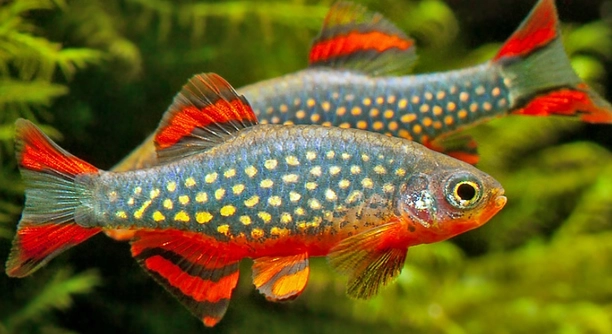
Have you ever cared for celestial pearl danios and noticed small changes that made you wonder about their well being? These tiny fish can show subtle signs that deserve gentle attention in their daily routine.
Subtle health issues in celestial pearl danios often stem from unstable water conditions, inadequate nutrition, and persistent stress, leading to reduced coloration, fin wear, sluggish activity, and lowered immunity, which necessitate attentive monitoring and stable environmental management for improved wellbeing.
These gentle signals shape a clearer view of their needs, offering insight that supports a balanced and comfortable aquarium life.
Color Loss and Stress Indicators
Color changes in celestial pearl danios can appear gentle at first, but they often reflect stress tied to their environment. When their habitat lacks stability, these fish respond through muted hues and reduced sparkle. Slight shifts in temperature, lighting, or tank activity can influence their comfort, making the pigments fade gradually. Poor water quality also plays a role, especially when nitrates rise or filtration becomes inconsistent. These factors impact their natural brightness, creating a subtle signal that something in their space needs attention. When their colors soften over time, it is usually linked to lingering tension in the tank rather than sudden illness. Identifying these early signs helps maintain a stable setting that supports their overall wellbeing. With calm surroundings and proper care, their natural tones return steadily, showing that simple adjustments have meaningful effects on their appearance and daily behavior within a short and manageable period for most keepers.
Keeping a close eye on subtle color shifts makes caring for celestial pearl danios more manageable, giving you a clearer view of their comfort level and overall stability inside the tank, which helps ensure their delicate patterns remain vibrant while supporting steady behavior through consistent tank conditions and gentle routines.
Color stability in these fish depends heavily on their surroundings, making consistency an important part of their wellbeing. When their environment remains predictable, they react with calmer movements and brighter tones. Clean water, balanced feeding, and minimal disturbances support their natural patterns, reducing the impact of stress on their daily life. Observing their behavior over time builds a clearer sense of what affects them, allowing simple adjustments that keep them comfortable. This awareness helps maintain harmony inside the tank, supporting a healthier and more stable setting that encourages steady coloring and gentle activity without sudden changes that might unsettle them.
Fin Health and Subtle Damage
Fin changes in celestial pearl danios often appear gradually, showing slight fraying or uneven edges linked to mild stress, water inconsistency, or unnoticed nips from tank mates, making early observation helpful for keeping their delicate fins in stable and comfortable condition each day without causing sudden declines in their appearance.
Fin issues in celestial pearl danios may emerge quietly, making it important to watch for small signs that reveal changes in their comfort and environmental balance. When water parameters shift, even slightly, their fins can respond with reduced smoothness or gentle thinning along the edges. These signs often reflect ongoing stress that gradually influences their overall condition. Consistent filtration, proper feeding, and calm surroundings help ease these effects, giving their fins the chance to recover slowly. Minor nips from other fish can also contribute to fin wear, especially when tank mates become slightly more active or territorial. Providing enough plant cover and hiding areas reduces these interactions and supports a steadier atmosphere. Observing their swimming patterns can reveal early clues, as small hesitations or slower movements sometimes accompany fin discomfort. When these signals are recognized early, simple adjustments often restore balance, leading to smoother fins and more relaxed behavior. Keeping their tank clean, stable, and free of sudden disruptions encourages steady healing. Over time, these efforts support a healthier environment that protects their delicate fins and maintains the gentle beauty they are known for, while helping them remain calm and comfortable in their daily routine throughout each moment of care.
Breathing Patterns and Subtle Respiratory Strain
Breathing changes in celestial pearl danios often appear softly, showing slightly quicker movements or gentle shifts in rhythm tied to water quality or stress. These signals reflect discomfort that develops gradually, making consistent monitoring valuable for keeping their small bodies stable and supported each day.
When oxygen levels drop or toxins rise, their breathing becomes more noticeable, revealing early discomfort that affects their energy and movement. Stable water conditions help prevent these issues, especially when filtration remains steady and the tank stays clean. Small fluctuations in temperature or surface activity also influence how easily they breathe. Watching their gill movement over time provides helpful insight, showing you when something feels off in their environment. Slow, steady corrections usually improve their comfort, giving them the support they need to regain normal breathing patterns while maintaining calm and predictable behavior.
Stress within the tank also plays a role, as frequent movement or tension among tank mates can make their breathing appear slightly faster. A calm setting with gentle lighting helps limit these reactions, allowing them to settle into their routine more comfortably. Providing plants and quiet spaces reduces sudden stimulation, giving their bodies room to relax. Balanced feeding and clean water further support their breathing, encouraging stable patterns that reflect improved wellbeing. With consistent care and attention to their environment, their respiration becomes smoother, offering assurance that their needs are being met with steady and thoughtful adjustments.
Feeding Habits and Subtle Digestive Concerns
Feeding changes in celestial pearl danios appear in soft shifts, such as slower responses during meals or mild disinterest, often linked to stress or minor digestive discomfort that develops gradually when conditions become slightly inconsistent or their diet lacks steady variety and suitable balance for their small size.
When their food intake changes, it often signals something affecting their comfort. Uneaten food can impact water quality, adding extra stress that influences digestion. Providing small, manageable portions reduces buildup and supports easier processing. A balanced mix of high quality flakes, micro pellets, and occasional live or frozen options helps maintain their digestive rhythm. Sudden diet changes should be avoided, as they can introduce mild strain that slows their appetite. Observing their feeding behavior closely provides early clues, helping you adjust their routine gently. With consistent meals, calm surroundings, and clean water, their digestive patterns remain smooth, supporting stable energy and steady interactions within the tank every day.
Social Tension and Subtle Behavioral Shifts
Small signs of social tension appear through gentle chasing, brief hiding, or quieter movement, often influenced by overcrowding or limited space. These moments reflect mild stress that develops gradually, making it helpful to observe how they interact in different areas of the tank.
Providing more plants and structure eases tension, giving them space to avoid mild pressure from active tank mates. With predictable lighting and a calm setting, their behavior steadies, helping them settle into a routine that supports comfort and balanced interactions throughout the day.
Immune Sensitivity and Early Vulnerabilities
Their immune system responds quickly to changes in water quality, making subtle health shifts common when their environment becomes inconsistent. Mild stress lowers their natural defenses, allowing small problems to develop quietly. Clean water, steady temperatures, and gentle feeding practices help strengthen their resistance. Regular observation of their movement, coloration, and appetite reveals early changes that guide simple adjustments. When provided with a stable habitat, their natural resilience improves, giving them a stronger foundation against minor infections or stress related issues. Consistency in their surroundings remains one of the most reliable ways to maintain their overall stability.
Subtle Weight Changes and Body Condition
Soft shifts in body shape often reflect feeding habits, stress, or slight digestive strain, making steady routines and balanced meals important for maintaining their delicate structure and supporting long term comfort.
FAQ
What causes subtle stress in celestial pearl danios?
Stress usually develops when their environment becomes unstable. Even small changes in temperature, lighting, or water flow can influence how they behave. These fish rely on consistency, and when something shifts too quickly, their reactions show through color loss, faster breathing, or mild hiding. Stable water conditions, calm surroundings, and predictable routines help keep them balanced. When their space remains steady, their behavior becomes smoother, and their patterns stay vibrant. Paying attention to slight changes in their movement or posture gives early clues that something in the tank needs adjustment.
Why do celestial pearl danios lose color so easily?
Their coloring responds closely to their comfort. When water quality fluctuates or stress rises, their pigments soften and lose brightness. This is common in small fish with delicate patterns. Improving water conditions, offering hiding places, and reducing disturbances helps restore their natural tones. Over time, their color returns as their stress levels decline. Observing them daily helps you notice early shifts before they progress.
How can I tell if their breathing is becoming strained?
Subtle respiratory strain appears through slightly quicker gill movement or a gentle change in rhythm. These signs often relate to oxygen levels, waste buildup, or increased stress within the tank. Keeping water clean, ensuring proper filtration, and maintaining good surface agitation helps improve their breathing. Small adjustments make a noticeable difference. When their environment stabilizes, their breathing becomes smoother and more relaxed.
What feeding issues should I watch for?
Soft feeding changes often show through slower reactions during meals or mild disinterest in food. These shifts can connect to digestive discomfort, water quality problems, or stress from tank activity. Offering small portions, keeping the water clean, and maintaining a steady feeding schedule supports their digestion. A balanced diet with appropriate particle size helps them eat comfortably. When their environment improves, their appetite usually returns.
Why do they experience minor fin damage?
Fin wear develops quietly when stress rises, water quality declines, or tank mates become slightly more active. Uneven edges or soft fraying appear gradually, making early observation important. Adding plants, providing hiding places, and keeping aggressive species out of the tank reduces these small issues. Clean water and stable conditions help their fins heal steadily without sudden setbacks.
Can social tension affect their health?
Yes, social tension creates small behavioral shifts that influence their comfort. Mild chasing, brief hiding, or quieter movement often appears when space is limited or tank activity becomes too busy. Adjusting the layout of plants and decorations helps separate active areas and resting areas. This reduces tension and supports steadier interactions. When their environment feels calm, their behavior becomes more relaxed.
What signs point to immune sensitivity?
Their immune system weakens when stress rises or water quality declines. Early signs include soft color changes, reduced activity, or slight feeding difficulties. These signals appear gently, showing that their defenses need support. Clean water, stable temperatures, and consistent feeding routines help strengthen their immune response. When their environment improves, they recover more easily and maintain better stability.
How can I identify subtle weight changes?
Weight shifts appear through gentle changes in body shape. Slight thinning or fullness often reflects stress, digestive strain, or feeding inconsistencies. Watching their silhouette helps you notice these early differences. A stable routine with balanced meals supports their long term condition. Simple adjustments usually restore their normal shape.
Final Thoughts
Caring for celestial pearl danios becomes easier when you recognize how softly their health concerns appear. Their signals rarely show up in obvious ways, which is why steady attention makes such a difference. Subtle color shifts, small breathing changes, gentle fin wear, and mild behavior differences each tell a quiet story about their comfort. When their environment changes too quickly, these signs surface in small but meaningful ways. Keeping their water clean, giving them stable lighting, and offering a calm space allows their bodies to settle and function the way they should. With thoughtful care, their natural patterns shine brighter, their energy becomes steadier, and their movement turns smooth and graceful. These tiny fish rely on balance, and when you maintain that balance, their behavior reflects a softness that shows they feel secure. Every gentle adjustment you make helps guide them toward better health, offering them a peaceful and predictable home where they can thrive without unnecessary stress.
Understanding their needs also becomes more natural as you observe them over time. You start noticing little details in how they swim, how they rest, and how they join or avoid their tank mates. Their reactions help you identify what brings harmony to the tank. When you give them consistent feeding routines, a well arranged aquascape, and enough hiding spots, they respond with calmer movements and clearer coloration. These responses are their way of showing that your efforts matter. Each improvement you make, even the small ones, supports their delicate system and helps reduce the quiet tension that can influence their overall health. With a stable environment, they express their beauty more freely, moving with confidence through the plants and open spaces. Watching them thrive becomes a gentle reminder of how deeply small choices shape their wellbeing. Their soft presence encourages a slower, more attentive approach that ultimately strengthens your connection to their care.
As you continue supporting their needs, your awareness becomes one of the most valuable tools in keeping them healthy. These fish rely on steady routines, and your ability to notice early details helps prevent issues before they escalate. Patience, soft observation, and consistent maintenance create a foundation that protects their delicate systems. Over time, you begin to recognize their patterns more clearly, seeing when they are relaxed, when they feel pressured, and when the tank feels balanced for them. Their subtle signals become easier to read, allowing you to respond with gentle corrections that enhance their daily comfort. With each moment spent caring for them, you build an environment shaped by stability and quiet attention, giving your celestial pearl danios a peaceful space where their natural beauty can flourish without interruption.

Hello,
If you enjoy the content that we create, please consider saying a "Thank You!" by leaving a tip.
Every little bit helps us continue crafting quality advice that supports the health, happiness, and well-being of pets around the world, for pets of all shapes, sizes, and species.
We really appreciate the kindness and support that you show us!