
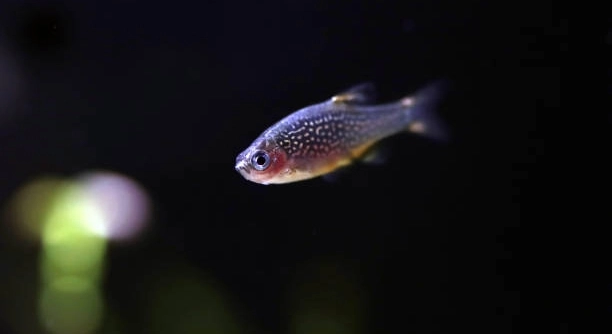
Danios are lively little fish that bring color and motion to any aquarium. Many hobbyists enjoy watching them, but encouraging breeding can sometimes feel tricky. Understanding what stimulates their natural instincts makes it easier to succeed.
Several conditions significantly boost breeding activity in danios. Proper water temperature, stable pH levels, adequate lighting, nutritious diet, suitable tank setup, reduced stress, and social interactions all contribute to creating an environment that encourages mating behavior and successful spawning.
Knowing these factors can improve your chances of seeing active breeding. Each condition plays a role in supporting healthy and consistent reproductive behavior in your danios.
Water Temperature
Danios are very sensitive to changes in water temperature. Keeping their tank between 72 and 78 degrees Fahrenheit creates the ideal environment for breeding. A stable temperature encourages their metabolism and stimulates mating behavior naturally. Sudden fluctuations can stress them and reduce spawning activity. When preparing for breeding, gradually adjust the water to the desired range. Using a reliable aquarium heater helps maintain consistency, especially during seasonal changes. Monitoring with a thermometer ensures the water stays within the proper limits. Many breeders notice increased activity when the temperature is slightly higher during the day and drops slightly at night, mimicking natural conditions. Combining this with other factors like proper lighting and diet greatly improves the chances of successful breeding. Over time, observing the fish’s behavior will show if the temperature settings are suitable, as active, healthy fish are more likely to spawn frequently.
Maintaining stable water temperature is crucial for successful breeding in danios. It directly influences their activity and reproductive readiness.
Temperature affects how active danios are in the tank. If the water is too cold, they slow down, and breeding chances decrease. A consistent, slightly warm temperature boosts metabolism and encourages mating. Small daily fluctuations that mimic natural conditions can help trigger spawning behavior. Combining proper temperature with a clean tank, balanced diet, and good lighting creates the most effective environment for breeding. Watching the fish closely for signs of activity will indicate whether the temperature is ideal.
Tank Setup
A tank that is spacious and well-arranged supports danio breeding. Providing hiding spots and open swimming areas balances security with space for courtship. Substrate choice matters, as some danios prefer fine gravel or bare bottom to lay eggs. Plants, both live and artificial, give cover for females to feel safe while spawning. Gentle filtration keeps the water clean without strong currents that could stress fish or displace eggs. Proper aeration ensures oxygen levels stay high, which is essential during breeding. Grouping danios in small communities can help encourage natural social interactions that trigger spawning behavior. Observing their movement and adjusting the setup gradually helps create an optimal breeding environment. Regular cleaning and maintenance maintain water quality and prevent unwanted bacteria or fungi that could harm eggs or fry.
A good tank setup supports natural breeding behavior and protects eggs and fry.
Arranging the tank for breeding requires careful attention to space, hiding places, and water flow. Danios need both open areas to swim freely and plants or decorations to hide when feeling stressed. Too much clutter can limit movement, while too little cover makes females hesitant to spawn. Filtration should clean the water without creating strong currents that disturb eggs. Maintaining consistent water conditions, including temperature and pH, improves the chances of successful spawning. Observing how fish interact with the environment will show whether adjustments are needed. Live plants can encourage egg-laying and provide protection for fry once they hatch. Combining a well-thought-out setup with proper diet and stable environmental conditions gives the best results for breeding. Regular monitoring ensures fish remain healthy and active, which naturally leads to more frequent spawning events.
Do you want me to continue with the next sections of the article?
Lighting Conditions
Proper lighting influences danios’ breeding activity. A consistent light schedule of 10–12 hours daily helps regulate their natural rhythms and encourages spawning behavior. Avoid sudden changes, as abrupt light shifts can stress the fish and reduce breeding activity.
Consistent lighting mimics natural day and night cycles, which is important for danios. Using a timer ensures predictable light periods, preventing stress from irregular lighting. Bright light during the day stimulates activity and mating behavior, while dimmer lighting at night allows them to rest. Positioning the tank to avoid direct sunlight prevents overheating and algae growth. Adjusting intensity gradually during seasonal changes keeps the environment stable and supports reproductive behavior. Well-lit plants provide hiding spots while maintaining visibility, balancing security with activity. Observing fish behavior under current lighting helps determine if adjustments are needed to maximize breeding success.
Lighting interacts with other breeding factors, such as temperature and tank setup, to influence danios’ reproductive behavior. Poor lighting can delay egg-laying or reduce interest in mating. Using consistent, moderate light while avoiding extremes creates a natural and stress-free environment. Timers help maintain regular cycles, supporting both adult fish and developing fry. Combining proper lighting with clean water, nutritious food, and safe hiding places ensures optimal conditions. Gradual changes and observation allow for fine-tuning that enhances natural behaviors. This careful balance improves the frequency of spawning events and ensures healthier fry, making breeding more reliable and predictable.
Diet and Nutrition
A high-quality, varied diet is essential for danios to breed successfully. Fresh live or frozen foods like brine shrimp, daphnia, and bloodworms improve their condition and stimulate reproductive activity.
Feeding a combination of live, frozen, and high-quality dry food ensures danios get all essential nutrients for breeding. Proteins from live foods boost energy and egg development in females, while vitamins from flakes or pellets support overall health. Avoid overfeeding, which can pollute the tank and reduce water quality, affecting reproductive success. Splitting meals into smaller, frequent feedings encourages consistent activity. Observing which foods your fish prefer and respond to can guide adjustments to their diet. Including greens like blanched spinach or peas provides fiber, improving digestion and overall vitality. Nutrition directly impacts gamete quality, spawning frequency, and fry survival, making diet one of the most important breeding factors.
Healthy nutrition affects breeding outcomes significantly. Well-fed danios are more active, show stronger courtship behaviors, and produce viable eggs. Feeding should focus on protein-rich live or frozen foods, supplemented by quality flakes or pellets. Consistency matters, with smaller, frequent feedings being more effective than one large meal. Avoiding overfeeding keeps water quality high, preventing stress that could interrupt spawning. Greens and fiber improve digestion and overall vitality. Monitoring response to foods allows fine-tuning, ensuring fish remain energetic and healthy. Proper diet boosts egg development, mating activity, and fry survival, making nutrition a central aspect of breeding success.
pH and Water Hardness
Danios breed best in slightly alkaline water, around pH 7.0 to 8.0. Stable water conditions reduce stress and promote reproductive activity. Frequent testing ensures that sudden shifts do not occur, which could harm eggs or fry.
Soft to moderately hard water supports egg development and fry survival. Avoid extremes in hardness, as very hard or very soft water can reduce breeding success. Maintaining consistency is more important than hitting a perfect number, as fluctuations are more stressful than minor deviations.
Reducing Stress
Stress directly impacts breeding. Minimizing disturbances, loud noises, and rapid environmental changes helps danios feel secure.
Creating a calm, predictable environment encourages natural behaviors. Crowding, sudden handling, or aggressive tank mates can reduce courtship activity. Observing fish for signs of stress allows timely adjustments, maintaining ideal conditions for spawning.
Social Interactions
Danios are social fish and respond well to group dynamics. Keeping them in small groups allows natural pairing and courtship, boosting breeding activity.
Males display more vibrant colors and active chasing when females are present. Proper ratios of males to females reduce aggression while encouraging mating behavior. Monitoring interactions ensures dominance disputes do not escalate, maintaining a stable breeding environment.
How can I tell if my danios are ready to breed?
Mature danios show clear signs of readiness when they are in good health and well-fed. Males often become more colorful, with brighter stripes and more active swimming patterns. They chase females around the tank in short bursts, nudging or circling them. Females become slightly rounder when carrying eggs, particularly near the belly area. Observing these behaviors consistently over several days indicates that your fish are ready to spawn. Maintaining stable water conditions, proper lighting, and a nutritious diet will reinforce these natural signs, increasing the likelihood of successful breeding.
What is the ideal male-to-female ratio for breeding?
A proper ratio of males to females is essential to reduce stress and aggression. The recommended setup is typically two or three males per female. Too many males can lead to excessive chasing and harassment, causing the female to become stressed or avoid breeding. Too few males can limit courtship activity, reducing spawning frequency. Monitoring their interactions helps ensure that dominance disputes do not escalate, allowing natural pairing to occur. Maintaining this balance encourages healthy social dynamics while maximizing reproductive success.
How often do danios spawn?
Under optimal conditions, danios can spawn frequently, often every few days. However, frequency depends on water quality, diet, temperature, and tank setup. Consistently providing ideal conditions encourages repeated spawning, while poor conditions can delay or prevent breeding altogether. Observing egg-laying patterns over time allows adjustment of care routines to maintain frequent reproductive activity.
Do danios need special food to breed successfully?
Yes, nutrition plays a significant role in breeding readiness and egg quality. Live or frozen foods, such as brine shrimp, daphnia, and bloodworms, provide proteins and nutrients that stimulate reproductive activity. Flakes or high-quality pellets supplement vitamins and minerals. Feeding small, frequent meals instead of a single large feeding helps maintain water quality and encourages active, healthy fish ready for spawning. Greens like blanched spinach or peas improve digestion and overall vitality. Nutrition directly affects gamete quality, courtship behavior, and fry survival.
Should I remove eggs from the main tank?
Yes, removing eggs is often necessary to prevent adults from eating them. Danios do not display parental care and may consume eggs immediately after spawning. Transferring eggs to a separate breeding or hatching tank with clean, well-aerated water increases survival rates. Maintaining consistent temperature, gentle filtration, and low light reduces stress and improves hatching success. Observing eggs daily allows for early detection of fungus or dead eggs, which can be removed to prevent contamination.
How long does it take for danio eggs to hatch?
Eggs usually hatch within 24 to 36 hours at optimal temperatures. Water temperature, oxygen levels, and cleanliness influence development speed. Fry are extremely small and require careful feeding once they begin swimming. Providing infusoria or liquid fry food at first ensures survival until they are large enough to eat brine shrimp or finely crushed flakes. Regular water changes and gentle aeration support healthy growth during the early days of life.
What can I do if my danios are not breeding?
Check environmental conditions first. Ensure water temperature, pH, hardness, lighting, and tank setup match breeding requirements. Adjust the male-to-female ratio if needed and provide high-quality food to stimulate reproductive behavior. Reduce stress by limiting disturbances and avoiding aggressive tank mates. Observe social interactions and modify the setup to encourage natural courtship. Small adjustments often trigger mating activity when initial attempts fail.
How do I care for fry after hatching?
Fry require clean, oxygen-rich water and gentle aeration. Start feeding with infusoria or liquid fry food, gradually introducing finely crushed flakes or newly hatched brine shrimp. Frequent small feedings support steady growth. Maintain water quality with partial daily changes to prevent waste buildup. Avoid overcrowding to reduce stress and ensure fry develop evenly. Monitoring growth and health allows timely adjustments to feeding and tank conditions.
Can breeding danios be done in a community tank?
It is not recommended, as adult fish may eat eggs and fry. A separate breeding tank ensures safety and reduces stress. Community tanks often have varied conditions that are not ideal for spawning or fry survival. Controlling environment, diet, and social interactions is easier in a dedicated setup.
What are the most common mistakes in danio breeding?
Common mistakes include poor water quality, improper male-to-female ratios, inadequate nutrition, fluctuating temperatures, and stressful tank conditions. Overcrowding, aggressive tank mates, or sudden environmental changes can prevent spawning. Removing eggs too late or failing to monitor fry survival reduces success. Careful observation and consistent maintenance prevent these issues, improving breeding outcomes.
This FAQ section covers the main concerns about danio breeding, helping improve success while keeping care simple and manageable. Proper attention to water, diet, social balance, and stress reduction ensures healthier fish and fry, encouraging consistent spawning and development.
Breeding danios can feel complicated at first, but it becomes more manageable once you understand the key conditions that encourage reproductive behavior. Temperature, water quality, lighting, diet, and social interactions all play essential roles. Ensuring a stable, clean, and comfortable environment makes it easier for danios to display natural behaviors and increases the chances of successful spawning. Observing your fish daily will help you notice subtle changes in behavior, such as males becoming more colorful or females appearing fuller with eggs, which are signs that they are ready to breed. Paying attention to these details and making gradual adjustments where needed allows for a more predictable and effective breeding process. Small, consistent improvements in the tank setup and care routine can make a noticeable difference in activity and egg production.
Providing proper nutrition is one of the most important factors in encouraging healthy breeding. A diet that combines live, frozen, and high-quality dry foods ensures that both males and females receive essential nutrients. Proteins from live foods, like brine shrimp or daphnia, support energy levels and reproductive development, while flakes or pellets provide vitamins that maintain overall health. Greens, such as blanched spinach or peas, aid digestion and contribute to vitality, making the fish more active and better prepared for spawning. Overfeeding should be avoided, as leftover food can pollute the water and reduce breeding success. Feeding small, frequent meals instead of large portions helps keep water clean and maintains a high level of activity. Proper nutrition not only improves egg quality and mating behavior but also supports fry survival, giving the next generation a stronger start.
Social dynamics and stress management are equally crucial for successful breeding. Danios are social fish, and maintaining the right male-to-female ratio encourages natural courtship while minimizing aggression. Too many males can overwhelm a female, while too few can limit mating activity. Reducing disturbances, such as loud noises or rapid environmental changes, helps fish feel secure and more likely to spawn. Providing hiding spaces, gentle filtration, and a calm environment allows females to lay eggs without fear. Eggs and fry are fragile, so separating them from adult fish and maintaining stable water conditions improves survival rates. By focusing on these factors together—environment, nutrition, social balance, and stress reduction—you can create conditions that consistently encourage breeding. Over time, careful observation and patient adjustments help maintain healthy, active fish and successful spawning cycles.

Hello,
If you enjoy the content that we create, please consider saying a "Thank You!" by leaving a tip.
Every little bit helps us continue crafting quality advice that supports the health, happiness, and well-being of pets around the world, for pets of all shapes, sizes, and species.
We really appreciate the kindness and support that you show us!