
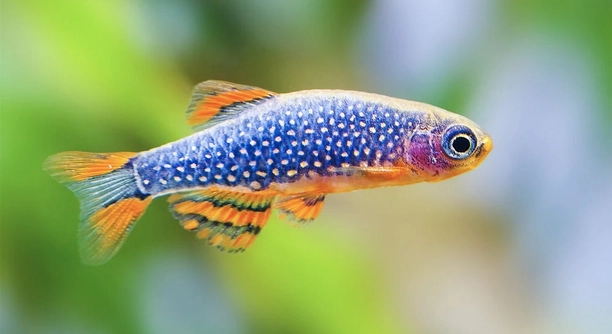
Celestial Pearl Danios are small, colorful fish that brighten any freshwater tank. Their peaceful nature makes them popular, but even tiny changes in their environment can make them uneasy and stressed. Owners need to watch carefully.
Celestial Pearl Danios experience stress in various situations, including overcrowded tanks, sudden water parameter changes, incompatible tank mates, lack of hiding spaces, irregular feeding, poor water quality, and excessive handling. Identifying these stressors is essential for maintaining their health.
Knowing what triggers stress in these delicate fish can improve their well-being and longevity. Observing their behavior and environment closely ensures a happier, healthier aquarium community.
Overcrowded Tanks
When I first set up my tank, I didn’t realize how quickly small fish like Celestial Pearl Danios can feel overwhelmed. These fish are tiny, but they need room to swim freely and establish their own territories. Crowding can make them dart nervously, hide constantly, or even stop eating. Even adding a few extra Danios to a small tank can create tension and stress among the group. Stress from overcrowding weakens their immune system, making them more prone to illness and shorter lifespans. Proper planning for the number of fish per gallon is crucial. Decorations and plants help, but they don’t replace the need for swimming space. Observing their behavior regularly will give hints if they feel cramped. If your fish are always hiding or chasing each other aggressively, it’s a sign the tank is too crowded. Adjusting numbers or increasing tank size can make a noticeable difference in their activity and health.
Overcrowding in a tank reduces swimming space and increases stress. Adequate room and careful population management are necessary for healthy Celestial Pearl Danios.
Watching my Danios interact in a properly sized tank is much calmer. They swim in harmony, explore plants, and display their natural colors without fear. Overcrowded conditions often lead to hidden stress signs like clamped fins or rapid breathing. By giving them space, I noticed they became more active and seemed content, which improved their overall health. Monitoring their environment consistently is key.
Sudden Water Changes
Rapid changes in water temperature or chemistry can shock Celestial Pearl Danios. Even small shifts in pH, hardness, or temperature may cause them to hide or act unusually. Stress from water changes is common for newcomers.
Maintaining steady water parameters is essential. Use gradual adjustments and test water regularly to keep conditions stable.
I learned this after accidentally changing the water too quickly. My fish immediately swam erratically and some hid in plants for hours. Gradual water changes, about 10–20% weekly, prevent this reaction. Consistency in temperature and chemistry allows them to adapt without stress. Using a thermometer, test kits, and a slow drip method when adding new water helped me keep the tank safe. I also make sure replacement water is treated and conditioned. These small steps keep the Danios healthy, active, and colorful. Over time, I noticed fewer health issues, less hiding, and more playful schooling behavior, which makes observing them far more enjoyable and reassuring. Proper water management is one of the simplest ways to protect these delicate fish from avoidable stress.
Incompatible Tank Mates
Aggressive or overly large fish can stress Celestial Pearl Danios. They need calm companions that don’t nip fins or chase constantly. Choosing compatible species is essential to maintain a peaceful environment and prevent injuries.
When I added a few tetras that were too boisterous, my Danios spent most of their time hiding. Even small nudges from larger fish caused them to dart around anxiously. Over time, I realized selecting gentle species like rasboras or small peaceful catfish worked better. Compatibility isn’t just about size; temperament matters. Observing interactions for a few days after introducing new fish helps identify potential conflicts early. Adjusting tank mates can dramatically improve their comfort.
I also noticed their feeding behavior changed with incompatible tank mates. Shy Danios ate less and seemed constantly alert. Separating aggressive fish and giving Danios quiet areas restored their appetite and energy. Plants, caves, and floating decorations helped provide safe spaces, reducing stress significantly. With careful planning, their schooling behavior returned, and they displayed brighter colors, showing clear signs of improved well-being.
Lack of Hiding Spaces
Celestial Pearl Danios need plants, rocks, or decorations to feel secure. Open tanks without cover make them anxious and more prone to stress. Hiding spaces are vital for rest and reducing fear from sudden movements or tank disturbances.
I remember when my first tank had too few plants. The Danios stayed near the bottom and rarely explored. Adding moss, small caves, and tall plants immediately improved their confidence. They swam more freely and engaged in natural schooling patterns. Even small floating plants helped reduce stress during feeding. Providing multiple hiding spots allows fish to retreat when startled, which lowers stress levels and prevents illness. Placement matters too—dense areas near the back or corners make them feel safer.
Decorations and plants also create microhabitats that encourage natural behavior. I observed Danios exploring, darting between plants, and resting in shaded areas rather than constantly hiding. Hiding spots improve social interactions, allowing dominant and shy individuals to coexist peacefully. I even noticed increased curiosity and playful activity once the tank had enough cover. Multiple layers of plants, rocks, and driftwood replicate their natural environment, helping them thrive in captivity. Hiding spaces reduce aggression, balance the tank dynamic, and ultimately make the aquarium more enjoyable to watch.
Irregular Feeding
Skipping meals or feeding at inconsistent times stresses Celestial Pearl Danios. They thrive on a routine, and irregular feeding can make them anxious and reduce their activity levels.
Overfeeding can also be harmful, leading to poor water quality and digestive issues. A balanced schedule is essential.
Poor Water Quality
Dirty or untreated water quickly affects Danios. Ammonia, nitrite, and nitrate spikes weaken their immune systems. I learned this when a neglected filter caused sudden lethargy and faded colors in my fish. Regular testing, partial water changes, and proper filtration kept them healthy. Maintaining clean water is non-negotiable.
Excessive Handling
Frequent or rough handling stresses these tiny fish. Even moving them for cleaning or rearranging decorations can cause panic. Gentle, minimal contact ensures they remain calm and healthy.
FAQ
How can I tell if my Celestial Pearl Danios are stressed?
Stress in Celestial Pearl Danios shows through behavior and appearance. Common signs include hiding for long periods, clamped fins, rapid breathing, loss of color, or erratic swimming. I noticed that when my Danios were stressed, they avoided open areas and grouped tightly together. Observing daily behavior helps catch early signs before serious health issues develop.
What is the best tank size for a small group of Danios?
For a small school of 6–8 Danios, a minimum 20-gallon tank works best. They need swimming space and room to establish territories. I initially kept them in a smaller tank and noticed stress behaviors. Upgrading to a larger tank improved activity levels and overall health, allowing them to swim freely and interact naturally.
How often should I change the water?
Partial water changes of 10–20% weekly are ideal. Sudden or large changes can shock them, causing stress. I once changed half the water at once and saw my Danios hide and dart anxiously for hours. Gradual water adjustments maintain stable conditions, keeping them comfortable and healthy over time.
Which tank mates are suitable?
Peaceful, small fish work best. Rasboras, small tetras, and gentle catfish usually coexist without issues. I learned the hard way by adding larger, aggressive species that caused hiding and reduced appetite. Watching interactions during the first few days after adding new fish ensures compatibility.
What are the ideal water parameters?
Danios thrive in temperatures between 72–78°F, pH 6.5–7.5, and soft to moderately hard water. I use a thermometer and test kits regularly to maintain stability. Sudden fluctuations in temperature or chemistry immediately caused stress in my fish. Keeping parameters steady promotes vibrant colors and active behavior.
Do Danios need plants and decorations?
Yes. Plants, caves, and floating decorations offer hiding spots and reduce stress. I noticed my Danios became more confident and explored the tank once I added more cover. Providing multiple layers of decoration replicates their natural environment and encourages schooling, resting, and playful behavior.
How often should I feed them?
Feed once or twice a day with small portions they can consume in a few minutes. Overfeeding leads to poor water quality, while irregular feeding causes anxiety and reduced activity. I stick to a consistent routine, which keeps my fish healthy, active, and vibrant.
What should I do if a Danio looks sick?
Immediately test water parameters, check for injuries, and isolate if necessary. Stress makes Danios more susceptible to illness. I noticed early signs like faded color and lethargy, and adjusting water conditions and providing a quarantine tank prevented further health decline. Quick response is essential for recovery.
Can sudden noise or movement stress Danios?
Yes. Loud vibrations, tapping, or sudden movements make them hide or dart around. I keep the tank in a quiet area and avoid banging on glass. Calm surroundings reduce stress and allow natural swimming and social behaviors to develop.
Is it okay to handle Danios?
Handling should be minimal. Only move them when necessary, using gentle nets and care. I found that frequent or rough handling led to clamped fins and panic swimming. Reducing contact helps them remain calm and healthy, allowing them to thrive in their environment.
How do I prevent long-term stress?
Maintain consistent water parameters, avoid overcrowding, provide hiding spaces, choose compatible tank mates, and feed regularly. I learned that observing behavior and making small adjustments over time keeps my Danios healthy, active, and colorful, preventing chronic stress and related health problems.
Are there signs that stress is affecting their lifespan?
Yes. Chronic stress can cause faded color, constant hiding, weakened immune systems, and shorter lifespans. I noticed that previously stressed Danios were more prone to disease. Maintaining stable conditions and a peaceful environment is crucial to ensure long-term health and longevity.
Celestial Pearl Danios are small, delicate fish that bring life and color to any freshwater aquarium. Their tiny size and peaceful nature make them a popular choice for home tanks, but they are also sensitive to changes in their environment. Maintaining a stable and calm tank is essential for their well-being. Overcrowding, sudden water changes, aggressive tank mates, poor water quality, irregular feeding, lack of hiding spots, and excessive handling all contribute to stress. Even small changes can affect their behavior and health. Observing your Danios closely and noting any unusual signs, such as hiding for long periods, clamped fins, or reduced appetite, is the first step in preventing stress. By paying attention to these details, you can ensure your fish remain active, healthy, and display their natural, vibrant colors.
Creating the right environment for Celestial Pearl Danios requires some planning but is not overly complicated. A tank that provides enough swimming space, along with plants, rocks, and hiding areas, allows the fish to feel secure. Keeping the water parameters steady is equally important. Temperature, pH, and hardness should remain within their preferred range, and partial water changes should be done gradually to avoid shocking them. Feeding should be consistent and measured to prevent overfeeding while meeting their nutritional needs. Compatible tank mates make a big difference as well. Peaceful, small species allow your Danios to school comfortably and reduce stress from constant chasing or fin-nipping. Even minor adjustments, like adding floating plants or rearranging decorations to create more cover, can make a noticeable difference in their confidence and activity.
Long-term care for Celestial Pearl Danios is largely about observation and consistency. By keeping a close eye on their behavior, you can identify stress triggers early and take steps to correct them. Over time, a well-maintained tank leads to more active and social fish that interact naturally with each other. They become easier to feed, display brighter colors, and are less prone to disease. A calm, stable environment not only improves their quality of life but also allows you to enjoy their playful and peaceful schooling behavior. With proper care, patience, and attention to their needs, Celestial Pearl Danios can thrive for several years, making them a rewarding addition to any freshwater aquarium.

Hello,
If you enjoy the content that we create, please consider saying a "Thank You!" by leaving a tip.
Every little bit helps us continue crafting quality advice that supports the health, happiness, and well-being of pets around the world, for pets of all shapes, sizes, and species.
We really appreciate the kindness and support that you show us!