
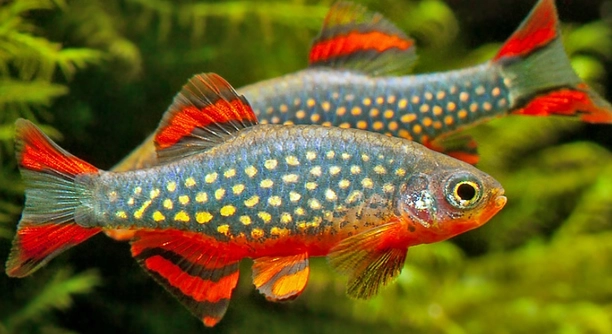
Celestial pearl danios are small, vibrant fish that bring life to home aquariums. Their playful nature makes them enjoyable to watch, but certain factors can affect how they behave and interact in their tank environment.
Several factors can disrupt celestial pearl danio behavior, including sudden changes in water temperature, poor water quality, overcrowding, inadequate hiding spaces, inconsistent lighting, stress from aggressive tankmates, and improper diet. Each of these elements can significantly alter their natural activity and well-being.
Learning about these common disruptors can help you create a calmer, healthier environment for your danios, ensuring they thrive and display their natural behaviors more consistently.
Sudden Changes in Water Temperature
Sudden shifts in water temperature can stress celestial pearl danios quickly. These small fish are sensitive to even minor fluctuations. A drop or rise in temperature can make them lethargic or cause erratic swimming. I noticed in my own tank that after a heater malfunction, the danios hid almost constantly for hours. Keeping the water stable between 22°C and 26°C helps maintain their normal behavior. Avoid placing the tank near windows or heating vents, as this can lead to unexpected temperature swings. A reliable heater with a thermostat is essential, and checking the temperature daily ensures it stays consistent. Even small changes over time can cause stress, weaken the immune system, and make them more prone to illness. Observing your danios’ behavior regularly gives you early signs if they are uncomfortable. Maintaining stable water conditions creates a comfortable and safe environment for them to swim actively.
Temperature control is crucial. Even a two-degree change can impact danios’ activity and overall health.
Monitoring water closely allows you to spot temperature problems before they escalate. Using a thermometer and consistent heater helps keep the environment safe. Gradual adjustments are safer than sudden changes, and providing shaded areas in the tank reduces stress. With stable temperature, danios move confidently, explore freely, and maintain their vibrant colors. Consistent water conditions also reduce aggression and improve feeding behavior.
Poor Water Quality
Poor water quality quickly affects celestial pearl danios, making them less active and more prone to disease.
Dirty water can cause ammonia spikes, high nitrite levels, and excess debris, all harmful to danios. Regular water changes and proper filtration are essential.
Keeping the tank clean requires a balance of frequent water changes, vacuuming the substrate, and monitoring chemical levels. I usually change 20–25% of the water weekly, which helps keep ammonia and nitrite near zero. Using a reliable filter removes waste effectively and keeps the water clear. Overfeeding contributes to poor water quality, so controlling portions prevents leftover food from decomposing. Testing kits for pH, ammonia, nitrite, and nitrate give accurate insights into water health. Even minor imbalances can cause stress, slow growth, and color fading. Adding live plants can help absorb some nitrates and provide hiding spots, reducing stress. Observing your danios daily helps identify signs of poor water quality, such as gasping at the surface or clamped fins. Maintaining clean water ensures a healthy, active tank environment.
Overcrowding
Overcrowding in a tank stresses celestial pearl danios, limiting swimming space and increasing aggression. Too many fish in a small tank can lead to constant hiding, erratic movement, and weakened immunity. Proper stocking levels are essential to maintain their natural behavior.
In my own tank, I noticed that when I added too many danios, they became nervous and darted around constantly. They spent more time hiding under plants and less time exploring. Overcrowding also increased water quality problems, as more waste accumulated faster than my filter could manage. Reducing the number of fish immediately calmed the tank, and the danios started swimming openly again. Providing enough space for each fish is critical for their physical and mental health, as well as maintaining peaceful social interactions. A properly sized tank ensures each danio can establish its area, swim freely, and display its natural colors and patterns.
Managing tank density involves planning before adding new fish. A ten-gallon tank, for example, can comfortably hold about six to eight celestial pearl danios. Spacing decorations evenly provides hiding spots without crowding the center area. Observing behavior regularly helps identify stress from overcrowding early. Adjusting the number of fish or expanding the tank improves overall activity, reduces aggression, and allows danios to thrive naturally. Careful attention to tank population promotes both water quality and mental well-being for every fish.
Inconsistent Lighting
Inconsistent lighting disrupts celestial pearl danios’ day-night cycle, causing stress and irregular activity. Sudden changes in brightness make them hide or act skittish, affecting feeding and swimming routines. A stable light schedule is crucial for their comfort.
I have seen my danios become sluggish when lights were left on for long periods or turned off abruptly. They seemed confused and spent most of the day near the bottom, avoiding open areas. Gradually establishing a regular 10–12 hour light schedule restored their normal behavior. Using a timer prevents accidental overexposure or extended darkness, ensuring their internal rhythms stay consistent. Proper lighting also supports plant growth, which in turn provides shelter and reduces stress.
Consistent lighting enhances color and vitality in danios, encouraging natural movement and interactions. Combining adequate lighting with shaded spots allows them to choose their preferred brightness. Avoid placing the tank near windows where sunlight can vary. Balancing artificial and natural light reduces stress, promotes regular feeding, and strengthens immune response. Tracking daily activity helps spot changes linked to lighting issues. When lights are stable, danios swim actively, socialize naturally, and maintain healthy routines without unexpected disruptions.
Stress from Aggressive Tankmates
Aggressive tankmates can intimidate celestial pearl danios, causing them to hide or swim erratically. Constant chasing or nipping creates chronic stress and reduces feeding activity. Careful selection of peaceful companions is essential for a calm tank.
Even small, territorial fish can disrupt danio behavior. I once added a new species that constantly darted after my danios. They hid most of the day and lost some color. Removing the aggressive fish restored calm, and the danios returned to their normal, active routines.
Inadequate Hiding Spaces
Lack of hiding spots makes danios feel vulnerable, leading to stress and erratic swimming. Plants, rocks, or decorations provide security and allow them to rest comfortably.
Providing multiple hiding areas in different parts of the tank encourages exploration while offering safety. Dense plant clusters or small caves give each fish a personal space. I noticed when my tank had fewer plants, the danios stayed near the bottom and avoided open areas. Adding floating plants and small decorations instantly increased their activity. They swam confidently in open spaces, explored the tank, and interacted more naturally with each other. Hiding spots reduce stress, improve health, and promote normal behavior, especially in community tanks where multiple species coexist.
Improper Diet
Feeding the wrong type of food or inconsistent schedules can affect danio behavior. They may become less active, lose color, or compete aggressively for limited food.
Regular, balanced meals with high-quality flakes, micro-pellets, and occasional live food maintain energy and overall well-being.
Overfeeding
Overfeeding increases waste in the tank, leading to poor water quality that impacts behavior. Controlled portions prevent health and stress issues.
What causes my celestial pearl danios to hide all the time?
Hiding behavior usually signals stress. In my experience, the most common reasons are sudden temperature changes, aggressive tankmates, overcrowding, or lack of hiding spots. When the water conditions fluctuate or a new, territorial fish is added, danios instinctively seek shelter. Dense plants or small caves give them a sense of security. Observing their behavior can help identify the trigger. Sometimes simply rearranging decorations or removing aggressive tankmates allows them to explore the tank openly again. Stable conditions and regular observation help them feel safe and return to normal activity.
Why are my danios swimming erratically?
Erratic swimming often indicates stress or discomfort. Sudden lighting changes, poor water quality, overfeeding, or improper tankmates can cause them to dart quickly or swim in irregular patterns. In my tank, I noticed that even a slight ammonia spike made my danios restless and uncoordinated. Testing water parameters, reducing feeding, and ensuring compatible tankmates corrected the behavior. Providing consistent lighting and adequate hiding spots further improved their calm, regular swimming. Stress reduction is key; when danios feel secure, they swim naturally and interact peacefully with each other.
How can I improve my danios’ water quality?
Regular water changes and proper filtration are the best ways to maintain clean water. I change about 20–25% of the tank weekly and use a reliable filter that handles the tank’s capacity. Overfeeding creates extra waste, so I carefully control portions to prevent leftover food from decomposing. Testing water for ammonia, nitrite, nitrate, and pH levels is essential. Live plants also help absorb excess nutrients and provide hiding spaces. Monitoring the water closely allows me to catch problems early, reducing stress and promoting natural behavior in my danios. Clean water directly improves health, activity, and coloration.
What is the ideal tank setup for celestial pearl danios?
A peaceful community tank with plenty of swimming space works best. I keep mine in a ten-gallon or larger tank with at least six danios. Dense plants, small caves, and floating vegetation give them security while leaving open areas for swimming. I use a heater with a thermostat to maintain 22–26°C, and a timer for consistent lighting. Avoid aggressive or territorial species, and space decorations to prevent overcrowding. Balanced feeding and proper filtration complement the setup. A well-planned tank ensures they stay active, social, and healthy.
How often should I feed my danios?
Feeding two to three times a day in small portions keeps them active and prevents water pollution. Overfeeding can cause uneaten food to decay, reducing water quality. I rotate between high-quality flakes, micro-pellets, and occasional live or frozen foods. Observing their appetite helps adjust portions. Consistent feeding routines reduce stress, encourage social behavior, and maintain vibrant colors. A balanced diet supports their energy, health, and overall behavior.
Can lighting really affect my danios’ behavior?
Yes, inconsistent lighting disrupts their day-night cycle and causes stress. I use a timer to keep lights on for 10–12 hours daily. Sudden changes make them skittish or hide frequently. Adequate light enhances colors and promotes natural activity. Combining shaded areas and stable lighting allows them to choose comfort levels and explore confidently. Regular schedules improve feeding, swimming, and overall well-being.
What should I do if my danios seem stressed?
Identify the stress factors first—water quality, tankmates, temperature, lighting, or diet. I always start by checking parameters and observing behavior. Making small adjustments, like removing aggressive fish, stabilizing temperature, or adding hiding spots, often restores calm. Monitoring daily behavior ensures problems are addressed quickly. Stress management improves health, activity, and natural interactions in the tank.
How do I know if my tank is overcrowded?
Signs include constant hiding, aggressive behavior, and water quality issues. I count the fish and compare it with recommended stocking levels—usually one inch of fish per gallon. Adding plants and decorations can help, but reducing the number of fish is sometimes necessary. Proper tank density ensures peaceful social interactions, normal swimming, and healthier water conditions.
Are there signs that my danios are not eating properly?
Yes, lethargy, loss of color, or hiding during feeding times indicate a problem. I check if all fish get access to food and if portions are appropriate. Rotating diets between flakes, pellets, and live food encourages consistent feeding and prevents nutritional deficiencies. Healthy eating supports active swimming, bright coloration, and social behavior.
Can stress affect my danios’ lifespan?
Chronic stress weakens the immune system, making them more prone to disease and shortening their lifespan. In my tank, stabilizing water parameters, providing hiding spots, and choosing peaceful tankmates reduced stress and improved overall vitality. A calm, well-maintained environment allows them to thrive and live longer, healthier lives.
This FAQ covers the most common questions and practical steps I’ve found effective for maintaining calm, active, and healthy celestial pearl danios in home aquariums.
Celestial pearl danios are small fish with big personalities. They are active swimmers that brighten up any tank, but they are sensitive to changes in their environment. Maintaining stable water conditions, proper temperature, and a balanced diet are key to keeping them healthy. Sudden temperature shifts, poor water quality, or overcrowding can easily stress these fish. Stress not only affects their behavior but can also make them more prone to illness. I have seen danios hide for hours or lose their vibrant colors when conditions were not ideal. Simple measures like testing water regularly, keeping the tank clean, and monitoring feeding habits can prevent most issues. Stable conditions allow danios to swim openly, explore their tank, and display natural behaviors that make them enjoyable to watch.
Tank setup plays a big role in supporting their behavior. Danios need space to swim and areas to hide when they feel insecure. Plants, small caves, and floating decorations provide security while allowing them to move freely. In my experience, adding hiding spots immediately changed the behavior of stressed danios. They became more confident and interactive once they had safe spaces. Lighting also matters. Consistent light schedules help maintain their day-night rhythm, reducing stress and encouraging normal activity. Avoid placing the tank where sunlight or sudden bright light can disturb them. Choosing peaceful tankmates and preventing overcrowding are just as important. Aggressive fish or too many occupants can make danios nervous, reduce feeding, and cause constant hiding.
Diet and routine are equally important. Overfeeding can pollute the water, while underfeeding or a poor diet can weaken the fish. I feed my danios small portions of flakes, micro-pellets, and occasional live food. Regular feeding schedules help them maintain energy and display natural behaviors. Observing daily activity gives clues about their health and comfort. When danios are comfortable, they show their full color, swim actively, and interact with each other in a calm, natural way. Overall, a balanced environment with stable water, proper tank setup, and thoughtful care makes a big difference. Taking the time to monitor their needs ensures that celestial pearl danios remain healthy, stress-free, and vibrant in any home aquarium.

Hello,
If you enjoy the content that we create, please consider saying a "Thank You!" by leaving a tip.
Every little bit helps us continue crafting quality advice that supports the health, happiness, and well-being of pets around the world, for pets of all shapes, sizes, and species.
We really appreciate the kindness and support that you show us!