
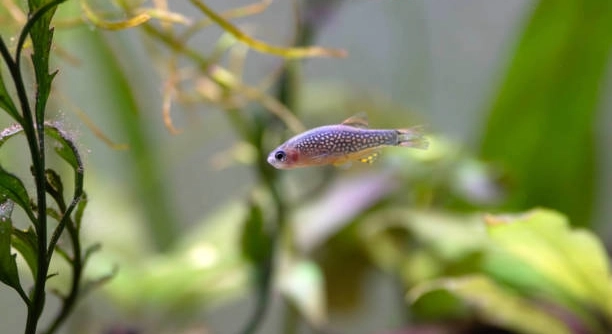
Danios are lively fish, known for their quick movements and shimmering colors. Their energetic nature often masks subtle signs of discomfort. Observing their behavior carefully can reveal when something in their environment is affecting their well-being.
When Danios are unhappy, they may display unusual swimming patterns, hide excessively, lose appetite, show signs of stress or aggression, or exhibit physical symptoms like faded colors or frayed fins. Monitoring these behaviors is essential for maintaining their health and comfort.
Recognizing these signs early ensures your Danios remain active, healthy, and stress-free in their aquarium environment. Understanding their needs helps create a more harmonious aquatic habitat.
Erratic Swimming Patterns
When Danios are unhappy, one of the first things you might notice is erratic swimming. They may dart around quickly, crash into tank decorations, or swim in circles without purpose. This behavior indicates stress, often caused by poor water quality, overcrowding, or sudden changes in the environment. In a healthy aquarium, Danios swim in a calm, coordinated manner, exploring their surroundings and interacting with other fish. Observing sudden changes in their movement patterns can help you identify problems early. Sometimes, stress comes from factors that are not immediately visible, such as incompatible tank mates or insufficient hiding spots. Providing a stable environment with consistent lighting, temperature, and water parameters reduces these risks. A well-maintained tank allows Danios to display natural behavior, swim freely, and interact socially without anxiety. Regular monitoring of water chemistry and tank conditions is essential to prevent these signs from escalating into serious health issues. Stressful conditions left unchecked can affect feeding, immunity, and overall longevity.
Erratic swimming often signals stress or discomfort. Correcting tank conditions promptly can help restore your Danios’ natural behavior and health.
Keeping your Danios happy requires observing their movements closely. Small adjustments, like adding plants or rearranging decorations, can make them feel secure. Ensuring the right number of fish in the tank prevents overcrowding. Regular water changes keep ammonia and nitrate levels safe. Feeding a balanced diet supports their energy and resilience. If aggression appears, separating incompatible fish reduces stress. Monitoring interactions daily lets you address minor issues before they grow. Even subtle signs, like hesitation near food or hiding more than usual, provide clues to their mood. Consistency in lighting, temperature, and feeding routines reassures Danios and promotes regular activity. Over time, these small efforts encourage healthy swimming, vibrant colors, and social behavior.
Loss of Appetite
A sudden decline in eating is a clear indicator that Danios are unhappy or stressed. Observing feeding times closely can reveal when fish are avoiding food or showing reluctance.
Loss of appetite can stem from poor water conditions, illness, or changes in the tank setup, and it should never be ignored.
When Danios stop eating regularly, it is essential to investigate all aspects of their environment. Water quality is the most common factor affecting appetite, including temperature fluctuations, pH changes, and high ammonia levels. Illnesses like parasites or bacterial infections can also reduce interest in food. Overcrowding or aggressive tank mates may intimidate Danios during feeding. Providing a quiet and safe space for meals often encourages them to eat. Adjusting diet, offering a variety of high-quality foods, and observing each fish individually helps determine if the issue is environmental or health-related. Maintaining a routine and ensuring clean, stable conditions usually restores normal feeding patterns. Tracking their appetite daily is important to catch early signs of illness, preventing prolonged stress or weight loss. Monitoring these changes ensures Danios remain healthy and thrive in their aquatic habitat.
Excessive Hiding
Danios that hide too often are likely stressed or uncomfortable. They may stay behind decorations, under plants, or near the tank bottom instead of swimming freely.
Excessive hiding usually points to problems in the tank. Poor water quality, sudden temperature changes, or aggressive tank mates can make Danios feel unsafe. Even minor disturbances, like loud noises or bright lights, may trigger hiding behavior. Providing adequate hiding spots with plants, caves, or decorations helps them feel secure. Balancing social interactions and keeping compatible fish together reduces stress. Observing which fish hide most can indicate individual temperament or potential health issues.
Hiding affects more than behavior; it can impact feeding, growth, and social interaction. Fish that rarely come out may miss meals, leading to nutritional deficiencies and slower growth. Stress weakens immunity, making them more susceptible to disease. Encouraging activity with gentle environmental adjustments, like rearranging decorations or offering open swimming spaces, helps them regain confidence. Regular monitoring and proper tank maintenance create an environment where Danios feel safe and display normal behavior. Consistency in care supports their health and overall happiness.
Aggression Toward Tank Mates
Aggression in Danios can appear as chasing, nipping, or blocking other fish from food. It signals discomfort or territorial behavior.
Aggression often arises from overcrowding, mismatched species, or stress from poor water conditions. Danios need space to swim freely and maintain a natural social hierarchy. Introducing new fish without careful observation can trigger fights. Monitoring interactions and separating overly aggressive individuals prevents injury. Consistent feeding and environmental enrichment reduce competition.
When aggression continues, it may affect the entire tank’s harmony. Injuries from chasing or nipping can lead to infections, while constant stress lowers immunity and disrupts feeding patterns. Adjusting stocking levels, rearranging decorations, and providing visual barriers between fish helps minimize confrontations. Grouping compatible species together encourages natural social behavior and reduces tension. Observation is key—identifying problem behaviors early allows for prompt action. Creating a balanced environment ensures Danios can coexist peacefully, swim freely, and maintain overall health.
Faded Colors
Faded or dull colors in Danios often indicate stress or poor health. This change can result from inadequate nutrition, illness, or suboptimal water conditions.
Stressful environments, like fluctuating temperature or aggressive tank mates, can also affect their coloration. Maintaining clean water and a balanced diet helps restore vibrancy.
Lethargy
Lethargic Danios swim slowly, rest near the tank bottom, or avoid interaction with other fish. It often signals poor water quality, illness, or insufficient stimulation.
Providing a stable environment, proper nutrition, and safe companions encourages activity. Monitoring their behavior daily helps identify issues early and supports recovery.
Frayed Fins
Frayed or torn fins are a sign of stress, injury, or disease. Poor water quality and aggressive tank mates can worsen the condition.
Gasping at the Surface
Gasping at the surface indicates low oxygen levels or poor water quality. Immediate water testing and adjustments are crucial to restore healthy conditions.
Why are my Danios hiding constantly?
Danios hide when they feel unsafe or stressed. Common reasons include overcrowding, aggressive tank mates, sudden changes in water temperature, or loud disturbances. Providing plants, decorations, and caves gives them secure spots to retreat. Observing which fish hide most can help identify if stress is individual or environmental. Ensuring stable water conditions, a proper tank size, and compatible companions usually reduces hiding behavior. Gradually introducing changes and giving them time to adjust encourages confidence and normal activity.
What causes my Danios to stop eating?
Loss of appetite is often linked to water quality, illness, or environmental stress. Check temperature, pH, ammonia, and nitrate levels, and maintain a regular cleaning schedule. Illnesses, parasites, or bacterial infections may also reduce feeding interest. Providing a varied diet and observing each fish individually helps determine the cause. Stress from aggressive tank mates or overcrowding can also prevent them from eating comfortably. Ensuring a quiet, safe space during feeding times allows them to eat without competition or intimidation. Regular monitoring of appetite helps prevent weight loss and long-term health issues.
Why are my Danios swimming erratically?
Erratic swimming is a sign of stress, discomfort, or health issues. It can result from poor water quality, sudden temperature changes, overcrowding, or incompatible tank mates. Monitoring their movements daily helps detect problems early. Rearranging tank decorations, adding hiding spots, or adjusting stocking levels often calms them. Health problems like parasites or fin damage may also cause unusual swimming patterns. Maintaining consistent water parameters, proper nutrition, and a calm environment supports normal swimming behavior. Observing how they interact with each other provides clues about social stress or aggression.
Why do my Danios appear dull or faded in color?
Faded colors are often caused by stress, illness, or poor nutrition. Ensure a balanced diet with color-enhancing foods and check water quality parameters regularly. Stress from overcrowding, aggressive tank mates, or fluctuating water conditions can also affect their vibrancy. Sick fish may show additional signs, like clamped fins or lethargy. Keeping a consistent feeding schedule, clean water, and stable tank conditions helps maintain bright colors. Healthy, unstressed Danios display natural vibrant hues that reflect their overall well-being. Observing changes in color early allows for timely adjustments before health issues escalate.
What does it mean when my Danios’ fins are frayed?
Frayed fins often indicate stress, injury, or infection. Aggressive tank mates can nip fins, and poor water conditions can make the fish more vulnerable. Bacterial or fungal infections also cause fin deterioration. Keeping water clean, isolating aggressive individuals, and treating infections promptly promotes recovery. Regular monitoring ensures that minor fin damage doesn’t develop into serious health problems. Proper nutrition supports tissue repair, and providing enough space for swimming reduces accidental damage.
Why are my Danios gasping at the surface?
Gasping at the surface signals low oxygen levels or poor water quality. Check aeration, temperature, and chemical parameters immediately. Insufficient oxygen can be caused by overcrowding, overfeeding, or inadequate filtration. Increasing aeration, performing water changes, and reducing stressors often resolves the problem. Observing water circulation and adding plants that contribute oxygen can improve the tank environment. Prompt action is essential to prevent health deterioration and ensure your Danios remain active and comfortable.
How can I reduce aggression in my Danios tank?
Aggression arises from overcrowding, incompatible species, or stress. Ensuring enough space, separating aggressive individuals, and arranging tank decorations to create barriers helps reduce conflicts. Maintaining consistent feeding and providing hiding spots minimizes competition. Observing social interactions regularly allows you to intervene before injuries occur. Grouping compatible species and monitoring behavior encourages peaceful coexistence, promoting a healthy and balanced tank environment.
How often should I monitor my Danios for signs of stress?
Daily observation is recommended. Look for changes in swimming patterns, appetite, color, or social behavior. Early detection allows quick adjustments to water quality, tank conditions, or social arrangements. Maintaining a consistent schedule for feeding, cleaning, and environmental checks ensures Danios remain healthy and stress-free. Keeping notes on behavior changes over time helps track patterns and address problems before they escalate.
What are the most important water parameters for Danios?
Danios thrive in stable water with a temperature of 72–78°F, pH 6.5–7.5, and low ammonia and nitrate levels. Consistent monitoring and regular water changes prevent stress-related behaviors. Good filtration, aeration, and a balanced environment are essential for their well-being. Regular testing and adjustments help maintain optimal conditions, keeping the fish active, colorful, and healthy.
Can diet affect my Danios’ behavior and health?
Yes. A balanced diet rich in nutrients supports energy, immune function, and coloration. Poor nutrition can cause lethargy, faded colors, and susceptibility to disease. Offering a variety of flakes, pellets, and occasional live or frozen foods ensures they receive essential vitamins and minerals. Consistent feeding schedules and portion control prevent overeating, reduce stress, and encourage natural activity. Observing which foods each fish prefers can help maintain appetite and overall health.
Final Thoughts
Caring for Danios requires careful observation and attention to their environment. These small, active fish display clear signs when they are unhappy, and recognizing these behaviors is key to maintaining their health. From hiding excessively to swimming erratically or showing faded colors, each behavior provides a clue about their well-being. Understanding what causes stress in Danios allows for timely adjustments to their tank conditions, feeding routines, and social environment. Even minor changes in water quality, temperature, or tank mates can affect their comfort, so consistent monitoring is essential. Creating a stable, clean, and well-arranged aquarium encourages natural behaviors and helps prevent health issues before they become serious.
It is also important to focus on their social and physical needs. Danios are active fish that thrive in groups, but overcrowding can lead to stress and aggression. Ensuring there is enough space for swimming, hiding spots for security, and compatible companions reduces tension in the tank. Providing a balanced diet with variety and monitoring feeding behavior ensures they receive proper nutrition, which directly affects their energy levels, coloration, and resistance to illness. Stress and poor nutrition can weaken their immune system, making them more prone to disease, so keeping these factors in check is essential. Regular water changes, proper filtration, and careful attention to tank conditions support a healthy, thriving environment for Danios.
Finally, patience and observation are critical when caring for these fish. Behavioral changes may appear gradually, and addressing problems early can prevent long-term health complications. Small adjustments, like rearranging decorations or separating aggressive fish, can have a significant impact on their comfort. Understanding their behavior and responding with proper care fosters a harmonious aquarium where Danios remain active, healthy, and vibrant. Consistent attention to their needs, combined with a stable and clean environment, ensures they can display natural behaviors without stress. By paying attention to these details, you can maintain a tank where your Danios live comfortably and continue to brighten the aquarium with their energy and color.

Hello,
If you enjoy the content that we create, please consider saying a "Thank You!" by leaving a tip.
Every little bit helps us continue crafting quality advice that supports the health, happiness, and well-being of pets around the world, for pets of all shapes, sizes, and species.
We really appreciate the kindness and support that you show us!