
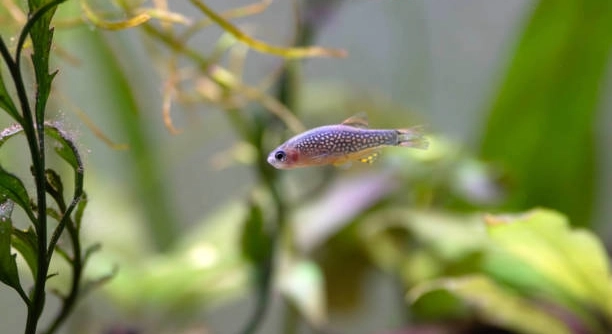
Do you ever notice your Celestial Pearl Danios swimming quickly around each other in the tank, sometimes nudging or darting aggressively? These small, colorful fish often display this behavior, leaving many aquarium owners intrigued by their interactions.
Celestial Pearl Danios may chase each other due to territorial instincts, social hierarchy, or mating behaviors. Such chasing is often a normal aspect of their interaction within groups and helps establish dominance or courtship without causing serious harm.
Understanding these patterns can help you maintain a peaceful tank. Observing the context and frequency of chasing provides insight into their natural behavior and well-being.
Understanding Social Hierarchy
In my experience, Celestial Pearl Danios are very aware of their tank mates. They often chase each other to establish a social order. This is especially noticeable when new fish are introduced, as older fish may assert dominance. While the chasing can seem aggressive, it is typically brief. Observing the interactions carefully can reveal which fish are leaders and which prefer to stay on the edges of the group. Stress levels in the tank can increase if there is no clear hierarchy, so providing hiding spots and plants can reduce tension. This natural behavior ensures that each fish knows its place and helps maintain balance within the group. I’ve noticed that when the social structure is clear, chasing decreases and swimming becomes more harmonious. Over time, the fish adapt to each other’s presence and energy, making the tank a calmer environment overall.
Maintaining a structured environment reduces prolonged chasing and minimizes stress among Celestial Pearl Danios.
Watching them carefully can reveal subtle cues. Body posture, small nips, and darting motions all communicate dominance and submission.
Mating Behavior
Chasing is often linked to courtship among Celestial Pearl Danios. During breeding periods, males may chase females to gain attention or encourage spawning. This behavior can look aggressive, but it is mostly ritualistic. A male will often display his colors, swim quickly around the female, and sometimes nip lightly. Providing plants and sheltered areas allows females to escape excessive attention, reducing stress while still allowing natural interactions. Timing is important; noticing the patterns in chasing can indicate readiness for breeding. Tanks with multiple males and females can see more frequent chasing, as competition increases. It is crucial to observe that no fish are injured during these periods. By understanding the role of chasing in reproduction, it becomes easier to support a healthy and balanced tank. Adjusting tank conditions, such as temperature and lighting, can also influence their behavior and encourage natural cycles.
Chasing is usually part of healthy reproductive behavior.
Creating a tank environment that mimics their natural habitat encourages proper breeding behavior. Dense plants, soft substrates, and controlled lighting help manage activity levels. Overcrowding should be avoided, as it increases stress and can lead to excessive chasing. Observing interactions closely helps identify when adjustments are needed. Providing a mix of hiding spots, open swimming areas, and appropriate group sizes ensures that all fish can display normal behaviors safely. This approach promotes harmony and encourages healthy reproduction, while allowing the fish to interact naturally. By monitoring both male and female behavior, adjustments can be made to reduce stress and prevent harm. Tanks with balanced conditions show calmer interactions, more confident swimming, and less constant chasing. Ultimately, understanding the link between chasing and mating behavior allows for better care and a more peaceful tank environment.
Tank Conditions and Chasing
Poor tank conditions can trigger more frequent chasing among Celestial Pearl Danios. Overcrowding, insufficient hiding spaces, or strong currents may increase stress, causing fish to act more aggressively toward each other.
I’ve found that providing enough space and plants reduces chasing significantly. When the tank is too small or lacks cover, fish feel exposed and may chase constantly to assert themselves. Adding driftwood, rocks, and dense plants gives them places to hide and reduces stress-related behavior. Proper filtration and gentle water flow are also important, as strong currents can make the fish anxious and increase darting or chasing. Adjusting these conditions often calms the group, allowing them to swim more naturally and interact with less aggression. Observing water parameters, such as temperature and pH, ensures a stable environment, which also contributes to more balanced behavior.
Keeping the tank balanced and enriched lowers tension and limits unnecessary chasing.
Adjusting water quality, decorations, and space encourages a healthier social dynamic among the fish.
Diet and Activity Levels
A poor diet or irregular feeding schedule can increase chasing behavior. Hungry or undernourished fish may become more aggressive while competing for food, leading to constant chasing in the tank.
I noticed that feeding smaller amounts multiple times a day keeps the group calmer. High-quality, protein-rich foods encourage growth and reduce competition-related stress. Overfeeding, however, can pollute the tank, also triggering agitation. Providing variety, such as live or frozen foods alongside flake or pellet diets, keeps them satisfied and less likely to chase excessively. Feeding in multiple areas allows all fish to access food without conflict. Balanced nutrition supports overall health, which in turn reduces tension and erratic behavior. Regular observation helps identify which fish are eating well and which may need attention.
High activity levels also influence chasing. Ensuring they have open swimming areas prevents frustration and encourages natural movement patterns.
A mix of structured feeding, sufficient exercise space, and enrichment activities keeps Celestial Pearl Danios engaged. Encouraging swimming through open areas and adding plants or floating objects can reduce boredom and repetitive chasing. Too little stimulation often leads to constant darting or following each other, while proper activity channels their energy in a healthier way. I’ve noticed calmer fish when they have room to explore, as well as access to small hiding spots. Rotating tank elements or changing feeding routines slightly can maintain interest and reduce tension. Monitoring interactions ensures that all fish remain active but not stressed. Over time, these adjustments result in a more balanced, harmonious group that displays natural behavior without constant chasing.
Identifying Aggressive Behavior
Chasing is not always harmful, but persistent nipping or targeting a single fish may indicate aggression. Observing which fish are involved helps determine if intervention is needed to prevent injury.
Separating overly aggressive individuals temporarily can reduce stress and restore balance.
Signs of Stress
Celestial Pearl Danios may show stress through hiding, clamped fins, or rapid darting. These signs often appear when chasing becomes excessive or the environment feels unsafe. Monitoring behavior closely ensures timely adjustments.
Group Dynamics
Balanced group sizes minimize chasing. I keep small groups with more females than males to reduce competition. Unequal ratios often lead to constant chasing as males compete for attention and dominance, making the tank tense.
Environmental Enrichment
Adding plants, decorations, and hiding spots keeps fish engaged. Enrichment provides spaces to retreat, reducing prolonged chasing and encouraging natural behavior within the tank.
FAQ
Why do Celestial Pearl Danios chase each other so often?
Chasing is a normal part of their social behavior. It helps establish hierarchy, determine mating partners, and maintain group structure. Occasional chasing is harmless, but constant aggression may signal stress or overcrowding. Observing the patterns and intensity can reveal whether the behavior is normal or requires intervention.
Is chasing harmful to the fish?
In most cases, chasing is not harmful if it’s brief and part of natural interaction. Problems arise when one fish is repeatedly targeted, leading to injury or stress. Providing hiding spots and monitoring dominant fish ensures everyone remains safe and healthy.
How can I tell if chasing is related to mating?
During breeding periods, males chase females to display colors and encourage spawning. This chasing is ritualistic rather than aggressive. Look for bright coloration, rapid swimming around a female, and occasional gentle nipping as indicators of courtship behavior.
Can tank size influence chasing behavior?
Yes, a small or overcrowded tank often increases chasing. Fish feel confined and more prone to assert dominance. Ensuring enough swimming space, hiding spots, and a proper number of tank mates reduces tension and allows natural movement without constant aggression.
Does the number of males and females affect chasing?
Group composition strongly impacts behavior. Too many males in comparison to females can increase competition, leading to more chasing. Keeping a balanced ratio, usually more females than males, minimizes conflict and promotes calmer social interactions within the group.
Will adding decorations reduce chasing?
Adding plants, rocks, and other hiding spots helps reduce stress and provides refuge. This allows fish to retreat from dominant individuals and limits prolonged chasing. I’ve found that rearranging tank elements occasionally also keeps the group engaged and less likely to fixate on one another.
How does diet affect chasing behavior?
Hunger or competition for food can trigger chasing. Providing multiple feeding points, consistent feeding schedules, and a varied diet ensures all fish are nourished, reducing stress and unnecessary aggression. High-quality food encourages natural energy levels without promoting competition.
Can water conditions cause increased chasing?
Poor water quality or strong currents can stress the fish, making them more likely to chase each other. Monitoring temperature, pH, and filtration helps maintain a stable environment. Calm water flow and clean conditions support healthier social behavior.
Should I separate aggressive fish?
Separating fish is sometimes necessary if aggression causes injury or stress. I’ve found temporary separation or adding barriers can restore balance. Reintroducing them gradually, while monitoring interactions, often results in a calmer, more harmonious tank.
Is chasing always a sign of dominance?
Not always. While dominance plays a role, chasing can also be related to play, curiosity, or environmental stress. Watching the context, frequency, and target helps determine the underlying cause and whether intervention is needed.
How can I encourage peaceful interactions?
Maintaining proper group size, providing enrichment, ensuring a balanced diet, and monitoring water quality all contribute to reducing chasing. I’ve noticed calmer groups when hiding spots, open swimming areas, and balanced male-to-female ratios are provided. Gradual adjustments help sustain long-term harmony.
Can chasing indicate illness?
Sometimes, stressed or weak fish may be chased more frequently. If chasing coincides with unusual behavior like lethargy, loss of appetite, or visible disease, it’s important to check for illness and treat the affected fish promptly.
Are there signs that chasing has become a problem?
Repeated targeting of a single fish, visible injuries, clamped fins, and constant hiding indicate that chasing has crossed into harmful behavior. Intervening early with tank adjustments, enrichment, or temporary separation can prevent escalation.
Does age affect chasing behavior?
Younger, more energetic fish may chase more frequently during growth and social learning. Older fish often exhibit calmer behavior once hierarchies are established. Balancing the age mix in the tank helps reduce persistent chasing.
Can multiple tanks or community setups affect chasing?
Yes, introducing Celestial Pearl Danios into community tanks with more aggressive species may increase chasing and stress. Careful planning, compatible species selection, and providing ample space for retreat help maintain harmony in mixed setups.
What is the best way to observe chasing without causing stress?
I observe my fish during regular feeding and quiet periods, avoiding tapping the glass or sudden movements. Taking notes on frequency, targets, and intensity helps identify patterns and informs decisions about tank adjustments or enrichment.
How long does chasing usually last?
Brief chasing is normal, often lasting a few seconds to a minute. Extended chasing or repeated targeting may signal overcrowding, poor conditions, or dominance disputes, requiring intervention to prevent stress or injury.
Can enrichment alone stop chasing?
Enrichment helps, but it works best alongside proper tank size, water quality, diet, and group composition. I’ve found that a combination of these factors consistently reduces unnecessary chasing while supporting natural behavior.
Should I adjust lighting or water flow to reduce chasing?
Moderate lighting and gentle water flow help calm the fish. Harsh lighting or strong currents can make them more active or stressed, increasing chasing. Adjusting these elements gradually often creates a more balanced environment.
Are some individual fish naturally more aggressive?
Yes, personality varies. Certain fish may chase more due to temperament. Observing interactions over time allows identification of more aggressive individuals, who may benefit from temporary separation or monitoring to prevent stress in others.
Does breeding season increase chasing significantly?
During breeding, chasing becomes more frequent as males display to females and compete for attention. I’ve noticed that providing extra hiding spaces and monitoring the tank prevents excessive stress while allowing natural reproductive behavior.
Can chasing behavior return after improvements?
Sometimes, chasing can increase temporarily if new fish are added or tank elements are changed. Maintaining observation and gradual adjustments ensures the behavior remains normal and does not escalate into harmful aggression.
How can I tell the difference between play and aggression?
Playful chasing is brief, involves no injuries, and often includes pauses or switching targets. Aggressive chasing targets a specific fish repeatedly and may include nipping or stress signs. Careful observation helps distinguish between these behaviors and informs proper tank management.
What long-term steps prevent excessive chasing?
Maintaining balanced group sizes, providing enrichment, monitoring water quality, and observing behavior regularly are key. I’ve learned that small, consistent adjustments prevent escalation and support healthy, natural interactions over time, keeping the tank calm and balanced.
Celestial Pearl Danios are small, lively fish that often chase each other, which is usually a natural part of their social behavior. This chasing can serve many purposes, such as establishing hierarchy, encouraging mating, or even just playing and exploring. In my experience, watching their interactions carefully reveals patterns that indicate normal behavior versus excessive aggression. Brief chasing is typical and does not cause harm, especially when the tank is well set up with enough space and hiding spots. Over time, the fish adjust to each other, and the chasing becomes less frequent and more balanced. Understanding these dynamics helps maintain a peaceful environment and allows the fish to exhibit their natural behaviors without undue stress.
Proper tank setup is essential in minimizing unnecessary chasing among Celestial Pearl Danios. A well-planned environment includes adequate swimming space, plants, driftwood, and other decorations that provide shelter and break up open areas. This arrangement allows weaker or more timid fish to retreat from dominant individuals and reduces constant chasing. Maintaining water quality is equally important, as poor conditions can increase stress and agitation, making the fish more likely to chase each other aggressively. Balanced group composition also plays a role. Typically, having more females than males helps prevent male competition from escalating. Keeping an eye on the age and personality of individual fish ensures a harmonious group where chasing remains a normal social interaction rather than a source of stress or injury.
Chasing behavior in Celestial Pearl Danios should be observed with a combination of patience and attention to detail. Monitoring feeding habits, mating behaviors, and overall interactions provides insight into the reasons behind chasing. Adjustments, such as adding hiding spots, balancing tankmates, or temporarily separating overly aggressive fish, often reduce tension and create a healthier, calmer environment. Overfeeding, overcrowding, or insufficient stimulation can all contribute to more chasing, so it is important to maintain consistent feeding schedules, provide enrichment, and avoid overstocking. By understanding the multiple factors that influence chasing behavior, it is possible to support natural social patterns while keeping stress levels low. Proper care, observation, and environmental management help ensure Celestial Pearl Danios thrive, swim confidently, and interact naturally, allowing their lively and colorful personalities to shine within a peaceful aquarium setting.

Hello,
If you enjoy the content that we create, please consider saying a "Thank You!" by leaving a tip.
Every little bit helps us continue crafting quality advice that supports the health, happiness, and well-being of pets around the world, for pets of all shapes, sizes, and species.
We really appreciate the kindness and support that you show us!