
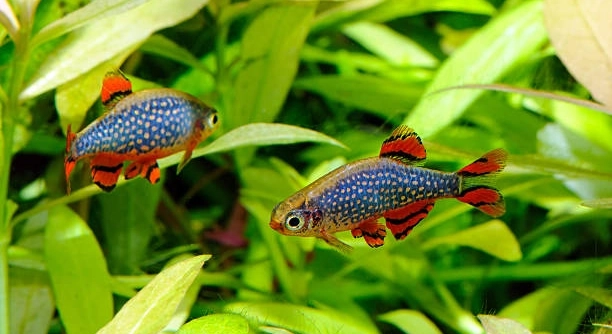
Do you enjoy keeping danios but find it challenging to maintain their optimal health in a busy home environment? Small adjustments in daily care can make a noticeable difference in their vitality and longevity.
Implementing minor changes, such as optimizing water quality, providing a balanced diet, maintaining consistent temperature, enriching the tank environment, monitoring behavior, controlling stressors, and ensuring regular cleaning, significantly contributes to the overall health and wellbeing of danios.
Even simple adjustments can transform your danios’ environment and daily life. By applying these practical steps, you can support healthier, more active fish over time.
Improve Water Quality
Maintaining clean water is essential for healthy danios. Regular water changes help remove harmful chemicals and waste buildup, which can stress your fish. Using a reliable filter reduces toxins, ammonia, and nitrites, creating a stable environment. Testing water regularly ensures pH, hardness, and temperature remain within safe ranges. Even small imbalances can lead to disease or sluggish behavior. Avoid overcrowding, as too many fish can quickly degrade water quality. A properly cycled tank supports strong immune systems and vibrant colors. Simple adjustments, like using dechlorinated water, can prevent gill damage and skin irritation. Observing your fish during changes helps identify early signs of stress or illness.
Clean water forms the foundation for healthy, active danios. Regular testing and maintenance keep conditions stable and safe.
Consistent water quality prevents common issues like fin rot, infections, and poor appetite. It also enhances natural behaviors, including schooling and feeding. Danios in stable water conditions tend to be more energetic and display brighter colors. Small daily checks and weekly partial water changes can make a big difference. Using a quality filter and ensuring proper aeration supports oxygen levels, which is vital for their metabolism. Avoid sudden temperature shifts, which can shock the fish. Over time, clean water reduces stress and helps danios live longer, healthier lives, making maintenance a key part of responsible care.
Balanced Diet
Providing a varied diet ensures your danios receive all necessary nutrients. Incorporate high-quality flakes, frozen foods, and occasional live foods. Overfeeding can harm water quality and cause obesity.
A proper diet supports growth, immune function, and energy levels in danios.
Feeding small portions multiple times a day replicates natural grazing habits and prevents leftover food from decaying. Rotate protein sources, like brine shrimp or daphnia, with plant-based options to maintain balanced nutrition. Observe their eating behavior to adjust portions and prevent waste. Consistent feeding routines promote healthy digestion and reduce stress. Supplements or fortified foods can help maintain vibrant coloration and strong fins. Avoid sudden diet changes, as danios may refuse new food. By carefully monitoring and adjusting their diet, you ensure they remain active and resilient, while also protecting the tank’s ecosystem from excess nutrients.
Maintain Consistent Temperature
Danios thrive in stable water temperatures. Sudden changes can stress them, affecting appetite and behavior. Keep the tank within the recommended range and monitor it daily.
Using a reliable heater ensures the water remains steady. Sudden drops can weaken immune systems, while spikes may cause rapid breathing and lethargy. Temperature consistency supports natural activity levels and breeding behaviors. Placing the tank away from windows or vents helps reduce fluctuations. Regularly check the thermometer and adjust the heater if needed. Avoid frequent experimentation with temperature, as even small shifts can be harmful over time. Stable conditions make your danios more resilient and lively, improving their overall health and coloration.
A stable temperature reduces stress-related illness and promotes active swimming. It also helps danios digest food efficiently and maintain strong immune systems, keeping them healthier longer.
Enrich the Tank Environment
Adding plants, decorations, and hiding spots encourages natural behaviors and reduces stress. Danios explore their surroundings and benefit from visual stimulation.
Variety in the tank helps prevent boredom and aggressive interactions. Live plants improve oxygen levels and provide shelter, while ornaments allow exploration. Open swimming space is crucial for schooling behavior, so balance decoration density. Rearranging decorations occasionally can provide new experiences without causing stress. Incorporating substrate of different textures supports natural foraging habits. A thoughtful environment strengthens mental and physical health, encourages movement, and prevents negative behaviors caused by monotony. Observing how your danios interact with their surroundings helps identify areas that may need adjustment for better enrichment.
Monitor Behavior
Observing danios daily helps catch early signs of stress or illness. Changes in swimming patterns, appetite, or coloration indicate potential problems.
Tracking behavior allows prompt adjustments in care, preventing minor issues from becoming serious. Regular attention ensures their wellbeing and keeps them active.
Control Stressors
Minimizing sudden movements, loud noises, or aggressive tank mates reduces stress. A calm environment helps danios maintain energy and healthy immune function. Stress can lead to weakened defenses and increased susceptibility to disease, so careful management of their surroundings is essential for long-term health.
Regular Cleaning
Removing debris and uneaten food prevents water contamination and reduces harmful bacteria. Consistent cleaning helps maintain a stable environment for danios to thrive.
Ensure Proper Tank Size
Providing adequate space allows danios to swim freely and maintain natural schooling behavior. Overcrowding increases competition for food and reduces water quality, negatively impacting health.
How often should I change the water in my danio tank?
Partial water changes of about 20-25% weekly are ideal. This helps remove waste, excess nutrients, and toxins that accumulate over time. Avoid changing too much water at once, as sudden shifts can stress your fish and destabilize water parameters.
What is the best diet for danios?
Danios do well with a varied diet that includes high-quality flakes, frozen foods, and occasional live foods like brine shrimp or daphnia. Small, frequent feedings prevent overfeeding and keep the tank cleaner. Rotate protein and plant-based foods to provide balanced nutrition.
How can I tell if my danios are stressed?
Signs of stress include rapid gill movement, lethargy, hiding, loss of appetite, or faded colors. Stress can weaken the immune system, making fish more prone to disease. Monitoring behavior daily allows you to adjust water quality, temperature, or tank conditions to reduce stress.
What tank size is suitable for danios?
A minimum of 10 gallons is recommended for a small group, but larger tanks are better. Danios are active swimmers and do best in groups of at least five. Overcrowding increases aggression, competition for food, and rapid water quality degradation.
Do danios need plants or decorations in their tank?
Yes. Plants and decorations provide hiding spots, reduce stress, and encourage natural behaviors. Live plants can also help oxygenate the water and absorb excess nutrients. Ensure open swimming space remains for schooling and movement. Rearranging decorations occasionally adds mental stimulation.
How do I maintain stable water temperature?
Danios thrive in temperatures between 72-78°F. Use a reliable heater and check it daily with a thermometer. Avoid placing the tank near vents or windows to reduce temperature fluctuations. Consistent temperature reduces stress and supports digestion and immune health.
What common diseases affect danios and how can I prevent them?
Fin rot, ich, and fungal infections are common. Prevention includes clean water, a balanced diet, stable temperature, and avoiding overcrowding. Quarantining new fish before introducing them to the main tank reduces the risk of spreading disease. Early observation and prompt treatment improve recovery chances.
How often should I clean the tank?
Regular maintenance includes removing debris and uneaten food daily, performing partial water changes weekly, and cleaning the filter monthly. This prevents harmful bacteria and ensures water quality remains stable. Avoid over-cleaning, which can disrupt beneficial bacteria in the tank.
Can danios live with other fish?
Yes, danios are generally peaceful and compatible with other small, non-aggressive species. Avoid housing them with larger, aggressive fish that may bully or eat them. Keep them in groups to support natural schooling behavior and reduce stress.
How can I encourage natural schooling behavior?
Keeping danios in groups of five or more supports natural social interactions. Open swimming space and minimal stressors allow them to move freely. Observing their movement and adjusting tank layout or decoration density helps maintain healthy schooling patterns.
What should I do if my danios stop eating?
Check water quality, temperature, and tank mates. Stress, illness, or sudden changes in environment can reduce appetite. Offer small portions of varied foods and monitor closely. Quarantine sick individuals if disease is suspected to protect the rest of the tank.
How important is lighting for danios?
Moderate lighting helps maintain normal day-night cycles, supports plant growth, and encourages natural activity. Avoid excessive light, which can stress fish and promote algae growth. A consistent lighting schedule improves overall health and behavior.
Can I use tap water for my danios?
Yes, but it must be treated to remove chlorine and chloramines. Test the water regularly for pH, hardness, and ammonia. Properly conditioned tap water provides a safe, stable environment for healthy danios.
How do I prevent aggression among danios?
Aggression is minimized by keeping them in appropriate group sizes, providing open swimming space, and avoiding overcrowding. Stress, poor diet, or incompatible tank mates can increase aggression. Observing interactions allows early intervention and reduces conflict.
What signs indicate my danios are healthy?
Healthy danios are active, swim freely, have bright coloration, and maintain a strong appetite. They interact naturally with each other and explore their environment. Regular observation ensures they remain in peak condition and allows for quick response to any issues.
How do I acclimate new danios to my tank?
Float the bag in the tank for 15-20 minutes to match temperature. Gradually mix tank water into the bag over 30-60 minutes before release. Slow acclimation reduces stress and helps new fish adapt safely to water chemistry changes.
Is it necessary to quarantine new fish?
Yes, quarantining for 2-3 weeks prevents introducing disease to your main tank. Monitor for unusual behavior, illness, or parasites during this period. Healthy fish can then be safely added, protecting existing danios from potential infections.
How can I reduce stress during tank maintenance?
Move slowly, avoid sudden loud noises, and perform water changes carefully. Limit handling and ensure fish have hiding spots during maintenance. Stress reduction promotes immune function, encourages normal behavior, and reduces disease risk.
What role does tank filtration play in danio health?
A good filter removes toxins, maintains water clarity, and ensures proper oxygenation. Regular cleaning and maintenance preserve its effectiveness. Filtration supports stable water parameters, reducing stress and promoting strong immune systems and vibrant colors.
How often should I check water parameters?
Test water weekly for pH, ammonia, nitrites, and hardness. Frequent monitoring detects imbalances early, allowing adjustments before they harm your danios. Consistency ensures a healthy, stable environment, reducing stress and disease risk.
Can danios reproduce in a home tank?
Yes, they can breed if conditions are suitable. Provide slightly warmer water, fine-leaved plants or spawning mops, and separate adults from fry to prevent predation. Healthy, stress-free fish are more likely to spawn successfully.
How do I handle sick danios?
Isolate affected fish in a quarantine tank. Test water quality, adjust temperature if needed, and provide appropriate treatment based on symptoms. Prompt intervention reduces spread and increases recovery chances while protecting healthy tank mates.
What is the lifespan of a danio?
Danios typically live 3-5 years with proper care. Maintaining clean water, a balanced diet, stable temperature, and reduced stress supports longevity. Observing daily behavior ensures they remain active and healthy throughout their life.
How can I encourage activity in danios?
Provide open swimming space, enrich the tank with plants and decorations, and maintain proper water quality. Stable conditions and minimal stress promote natural schooling, exploration, and consistent activity levels. Active fish display brighter colors and better overall health.
Are there seasonal care considerations?
Maintain stable indoor temperatures year-round, as danios are sensitive to sudden drops or spikes. Monitor water quality closely, especially during winter heating or summer heat waves, to prevent stress and ensure consistent conditions for optimal health.
How do I know if my tank is overcrowded?
Signs include aggressive behavior, reduced swimming space, increased waste, and rapid water quality deterioration. Maintain proper stocking ratios based on tank size and species requirements. Overcrowding increases stress, disease risk, and reduces overall health.
Can I mix danios with other schooling fish?
Yes, small, peaceful schooling species are compatible. Avoid aggressive or larger fish. Ensure enough space and hiding spots to reduce stress. Properly selected tank mates enhance social interaction and maintain stable, healthy behavior patterns.
What equipment is essential for a healthy danio tank?
A reliable heater, filter, thermometer, and water testing kits are essential. Decorations and live plants improve enrichment and water quality. Proper equipment supports stable conditions, reduces stress, and promotes long-term health and activity.
How do I prevent algae growth in the tank?
Control lighting duration, avoid overfeeding, and maintain regular water changes. Algae can reduce oxygen levels and compete for nutrients. Healthy tank management keeps algae under control and preserves water quality for danios.
How can I tell if danios are comfortable in their tank?
Comfortable fish swim actively, interact naturally with each other, eat consistently, and display bright coloration. They explore the environment, school together, and show minimal stress behaviors. Observing daily ensures conditions remain optimal for their health.
What adjustments help danios after illness?
Ensure clean water, stable temperature, and a balanced diet. Reduce stress by minimizing handling and maintaining consistent lighting. Monitor recovery closely and provide supplemental nutrition or treatments if needed. Gradual reintroduction to the main tank supports long-term health.
How often should I clean the filter?
Clean or rinse filter media monthly, avoiding over-cleaning that disrupts beneficial bacteria. Regular maintenance keeps filtration effective, supporting water clarity, oxygenation, and stable parameters that are critical for healthy danios.
Can danios tolerate variations in water hardness?
They adapt to moderate ranges but sudden shifts can cause stress. Test regularly and adjust gradually to maintain stability, ensuring their overall health and reducing susceptibility to disease.
How do I identify parasitic infections in danios?
Look for white spots, clamped fins, rapid breathing, or unusual swimming patterns. Early detection and quarantine reduce spread. Treatment with appropriate medications restores health and protects other fish in the tank.
Is tank lighting necessary for danio coloration?
Moderate lighting enhances natural coloration and supports plant growth. Too little light can dull colors, while excessive light may cause stress or algae issues. Consistent light cycles maintain normal behavior and overall wellbeing.
What precautions should I take during tank moves?
Transport fish in water from the original tank, avoid sudden temperature changes, and minimize stress with gentle handling. Acclimate them slowly to the new tank to prevent shock and maintain health.
How do I manage leftover food in the tank?
Remove uneaten food promptly to prevent decay, water contamination, and stress. Feeding smaller portions more frequently helps reduce waste and maintains water quality, benefiting danios’ health.
Can danios live alone?
They are social fish and thrive in groups. A solitary danio may become stressed, lethargic, or display abnormal behavior. Keeping at least five together encourages natural schooling and reduces stress.
How do I acclimate water chemistry for new fish?
Gradually mix small amounts of tank water into the transport container over 30-60 minutes. Slow acclimation reduces stress, helps fish adjust to pH, hardness, and temperature differences, and promotes safe introduction.
How do I maintain oxygen levels in the tank?
Use proper filtration, moderate aeration, and live plants. Avoid overcrowding, which depletes oxygen. Regular water changes also support oxygen levels, ensuring fish remain active and healthy.
What role does social interaction play for danios?
Schooling behavior reduces stress, encourages natural movement, and promotes mental stimulation. Group interactions support overall wellbeing and prevent lethargy, aggression, or boredom. Maintaining social groups is crucial for healthy, active fish.
How can I prevent overfeeding?
Offer small portions that can be eaten in 2-3 minutes. Feed multiple times a day instead of one large meal. Observing consumption helps avoid leftover food that harms water quality.
What signs indicate my tank is well-balanced?
Clear water, active schooling, healthy appetite, bright coloration, minimal algae, and stable temperature indicate a well-maintained tank. Regular observation ensures early detection of potential problems.
How important is regular observation?
Daily checks allow prompt detection of illness, stress, or environmental issues. Monitoring behavior, appetite, and appearance ensures timely adjustments, supporting long-term health and vitality.
What measures help danios recover from stress?
Maintain stable water quality, temperature, and lighting. Provide hiding spaces, reduce handling, and offer balanced nutrition. Gradual adjustments prevent further stress, supporting recovery and long-term wellbeing.
How do I manage seasonal temperature changes indoors?
Use heaters or adjust room temperature to maintain consistent tank conditions. Monitor water temperature frequently to prevent sudden fluctuations that can stress danios and affect their health.
How do I know if danios are ready to spawn?
Active swimming, bright coloration, and increased chasing behavior are indicators. Providing suitable spawning sites and stable conditions encourages successful breeding in healthy, stress-free fish.
What are the key habits for long-term danio health?
Consistent water changes, balanced diet, stable temperature, tank enrichment, stress reduction, and careful observation create conditions for vibrant, active fish. Attention to these factors prevents disease, supports immune function, and extends lifespan.
How do I prevent fin damage in danios?
Avoid sharp decorations, aggressive tank mates, and poor water quality. Healthy fins indicate strong overall health. Monitoring behavior and adjusting the tank environment reduces tearing or fraying, supporting normal movement.
Can danios adapt to slightly varying pH?
Yes, gradual shifts are tolerated, but sudden changes cause stress. Consistent monitoring and slow adjustments maintain stability, supporting digestion, immune function, and overall wellbeing.
How do I minimize risk when introducing multiple new fish?
Quarantine all newcomers, acclimate gradually, and monitor behavior closely. Introduce slowly to prevent stress, aggression, and disease spread, ensuring the existing danios remain healthy.
What everyday habits promote danio vitality?
Regular feeding with a balanced diet, partial water changes, tank cleaning, observation, and maintaining stable temperature foster active, healthy, and vibrant fish. Simple, consistent care yields long-term benefits.
How can I tell if my tank decorations are safe?
Check for sharp edges, toxic materials, or unstable structures. Safe decorations reduce injury, support exploration, and contribute to enrichment without harming danios.
How do I encourage natural foraging behavior?
Scatter small portions of food or use sinking pellets to stimulate movement and searching. Providing varied textures in substrate supports exploration and promotes healthy activity levels.
Can danios thrive in a planted tank?
Yes, live plants improve oxygen, provide hiding spots, and encourage natural behaviors. Proper care ensures plants do not overcrowd swimming space, maintaining balanced conditions for active fish.
What adjustments help maintain health during holidays or absence?
Ensure automated feeding or ask someone to perform partial water changes, monitor temperature, and check equipment. Preparing in advance prevents stress, water quality decline, and ensures continuous care.
How important is tank placement in a room?
Keep tanks away from direct sunlight, drafts, or high-traffic areas. Stable lighting, temperature, and minimal disturbances reduce stress and help danios maintain consistent behavior and health.
How do I reduce sudden environmental changes?
Monitor and control temperature, light, and noise levels. Gradual adjustments when cleaning or introducing new fish prevent stress, maintaining immune function and overall wellbeing.
What role does tank cycling play in danio health?
A fully cycled tank ensures beneficial bacteria process waste, maintaining stable water parameters. Proper cycling prevents spikes in ammonia or nitrites, reducing disease risk and supporting long-term vitality.
How can I monitor fish health without stressing them?
Observe swimming patterns, color, and appetite during routine maintenance. Avoid excessive handling and sudden movements. Consistent, gentle observation allows early intervention while keeping stress low.
What precautions should I take with medications?
Follow dosage instructions carefully, avoid combining treatments unless directed, and monitor fish closely. Overuse or improper application can harm fish and beneficial bacteria in the tank.
How do I maintain a balance between hiding spots and open space?
Provide enough decorations for shelter while leaving swimming areas open. This balance supports natural behavior, schooling, and activity without causing stress or territorial conflicts.
Can water conditioners improve danio health?
Yes, properly used conditioners remove chlorine and chloramines, detoxify heavy metals, and reduce stress during water changes. This supports gill function, skin health, and overall vitality.
How can I detect early signs of illness?
Monitor for changes in appetite, color, fins, and swimming behavior. Early detection allows timely treatment, improving recovery chances and reducing risk to other tank inhabitants.
What temperature adjustments help danios during seasonal extremes?
Use heaters in winter and maintain room cooling in summer to keep water stable. Avoid sudden shifts that can stress fish, affect digestion, and suppress immune function.
How do I ensure all danios get food in a group?
Feed small portions multiple times, spread food across the tank, and observe to prevent dominant fish from monopolizing meals. This ensures balanced nutrition for all.
What are the most critical daily checks for danio health?
Observe behavior, appetite, swimming patterns, and coloration. Check temperature, filter operation, and signs of debris or waste. Daily checks help maintain consistent, healthy conditions.
How can I minimize stress when adding new tank decorations?
Introduce one or two items at a time, monitor fish behavior, and avoid sudden rearrangements. Gradual adjustments reduce stress and allow fish to explore safely.
What is the ideal schooling group size for danios?
Groups of five or more promote natural behavior, reduce stress, and encourage active swimming. Smaller groups may lead to anxiety or reduced social interaction.
How do I prevent water chemistry shocks?
Match temperature and pH gradually when introducing new water or fish. Test parameters and make slow adjustments to maintain stability, preventing stress-related health issues.
How can I reduce aggression in the tank?
Ensure proper group size, open swimming space, and compatible tank mates. Observe interactions and adjust as needed to minimize conflicts and stress.
What role does observation play in disease prevention?
Daily monitoring detects subtle changes in behavior or appearance. Early identification allows quick intervention, preventing spread and ensuring healthier fish.
How do I maintain consistent feeding schedules?
Feed at the same times daily with measured portions. Consistency supports digestion, reduces stress, and keeps water quality stable.
Can danios adapt to minor environmental changes?
They tolerate gradual shifts but sudden changes in temperature, pH, or water quality can cause stress. Slow adjustments ensure health and prevent disease.
What indicators suggest tank water is suitable for danios?
Stable pH, clear water, moderate hardness, low ammonia and nitrites, and active, healthy fish indicate optimal conditions. Regular testing maintains this balance.
How do I handle multiple stress factors simultaneously?
Address water quality, temperature, diet, and tank environment together. Gradual adjustments and consistent observation prevent compounded stress and support recovery.
What long-term habits support danio longevity?
Regular maintenance, balanced nutrition, stable water parameters, proper tank enrichment, and careful observation create a healthy environment. These habits promote vitality, immunity, and lifespan.
How can I prevent fin rot and other common infections?
Maintain clean water, balanced diet, proper tank mates, and stable conditions. Early detection and isolation of affected fish reduce risk and support recovery.
What is the impact of tank overcrowding on health?
Overcrowding increases stress, reduces oxygen, promotes aggression, and accelerates waste accumulation. Maintaining proper stocking density ensures healthier, active fish.
How do I encourage consistent activity in danios?
Maintaining healthy danios is easier than it may seem when small, consistent actions are applied. Attention to water quality, feeding, and temperature control creates a stable environment where these fish can thrive. Regular observation allows early detection of potential issues, whether related to illness, stress, or environmental changes. By keeping water clean and balanced, you reduce the likelihood of disease while promoting natural behaviors like schooling, exploration, and active swimming. Even minor improvements, such as adjusting water temperature gradually or providing extra hiding spaces, can make a noticeable difference in overall fish vitality. These steps form the foundation of responsible danio care and ensure they remain energetic and healthy over time.
A balanced diet is another critical factor that directly impacts health and appearance. Offering a variety of foods, including high-quality flakes, frozen options, and occasional live feed, ensures that danios receive essential nutrients for growth, immune support, and color vibrancy. Small, frequent feedings prevent leftover food from accumulating in the tank, helping to maintain water quality while supporting digestion. Observing eating habits allows adjustments to portions or diet type, which can prevent issues like obesity or malnutrition. Combined with stable water conditions, proper nutrition encourages longer life spans and consistent activity levels, reducing susceptibility to stress or illness. Over time, a carefully managed diet can visibly enhance the fish’s coloration and strengthen fins, contributing to a more lively and resilient aquarium.
The environment itself also plays a vital role in overall wellbeing. Enriching the tank with plants, decorations, and open swimming areas encourages exploration and natural behavior, reducing stress. Providing adequate space and compatible tank mates ensures that social interactions remain positive, supporting schooling behavior and minimizing aggression. Consistent maintenance, including partial water changes, filter cleaning, and monitoring for leftover food or debris, further stabilizes conditions. Paying attention to daily changes in behavior, appetite, or coloration allows early intervention when necessary. In combination, these practices create a healthy and balanced ecosystem where danios can flourish. Over time, the benefits of stable water, proper diet, and enriched environment become evident in their energy levels, physical appearance, and overall health. Small adjustments and consistent care are key to supporting vibrant, active danios and ensuring they live long, healthy lives.

Hello,
If you enjoy the content that we create, please consider saying a "Thank You!" by leaving a tip.
Every little bit helps us continue crafting quality advice that supports the health, happiness, and well-being of pets around the world, for pets of all shapes, sizes, and species.
We really appreciate the kindness and support that you show us!