
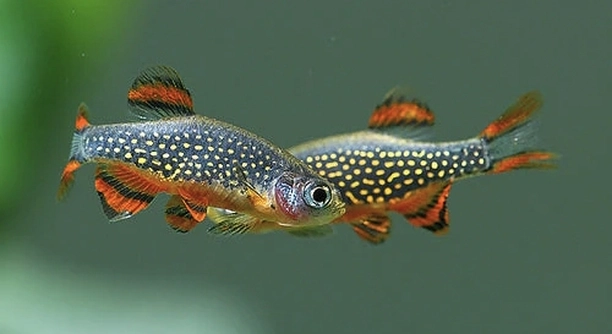
Celestial Pearl Danios are small, colorful fish that many hobbyists enjoy keeping in home aquariums. Sometimes, these fish gather tightly in one corner, which can puzzle owners trying to maintain a balanced and healthy tank environment.
Crowding in a corner typically occurs due to stress, water quality issues, or insufficient hiding spaces. Ensuring stable water parameters, providing plants or decorations, and monitoring tank conditions can reduce this behavior and promote even distribution in the aquarium.
Observing your Danios’ habits can reveal subtle signs of discomfort or environmental needs. Learning these patterns helps maintain a calmer, healthier aquarium for your small, active fish.
Understanding Stress Triggers
Celestial Pearl Danios often respond strongly to stress, which can make them gather in one corner of the tank. Stress can be caused by sudden changes in water temperature, poor water quality, or overcrowding. Even minor fluctuations in pH or ammonia levels can create discomfort. Introducing new fish without a proper acclimation period can also unsettle them. Observing their behavior is crucial because stressed Danios may show clamped fins, erratic swimming, or reduced appetite. Providing plenty of hiding spaces with plants, rocks, or decorations can help reduce stress. A stable environment encourages natural swimming patterns and social interaction, making the aquarium healthier for all inhabitants. Monitoring feeding schedules and avoiding overfeeding also supports a calmer tank. Paying close attention to these factors helps identify potential stress triggers early, ensuring the fish remain active and healthy, rather than clustered in a corner due to discomfort or fear. Regular water testing is highly recommended.
Providing enough plants and shelters keeps the fish calm and reduces cornering behavior, supporting a more balanced tank.
Danios feel safest when they have areas to hide and explore. Floating plants or small caves allow them to feel secure without crowding. Lighting also affects comfort; too bright or sudden changes may push them toward a corner. Observing their preferred spots can guide tank layout adjustments. Overcrowding can amplify stress, so keeping a proper number for tank size is important. Gentle water flow ensures they can swim naturally without tiring, which reduces clustering. Feeding small amounts several times a day prevents competition near one area. By carefully arranging the tank, providing stable water, and observing reactions, you create an environment where Celestial Pearl Danios spread naturally. Healthy social interactions reduce cornering, making them more visible and active throughout the aquarium.
Water Quality and Tank Conditions
Poor water quality often leads to Danios grouping in one area, as they seek conditions that feel safer or more comfortable.
Maintaining clean water, proper filtration, and consistent temperature is essential for these fish. Regular water changes prevent buildup of toxins, which stress Danios and trigger cornering. Ammonia, nitrite, and nitrate levels should be monitored closely; even small spikes can impact behavior. Temperature should remain steady, ideally between 22–26°C, as fluctuations make fish nervous. Tank size also matters—small tanks limit swimming space and contribute to crowding. Introducing live plants helps stabilize water conditions and provides hiding spots, improving overall tank health. Observing the tank daily allows owners to catch subtle changes early. Feeding high-quality food in controlled amounts ensures the fish remain nourished without polluting the water. Maintaining a balanced environment encourages natural movement and reduces instances of cornering. With careful attention to water parameters, proper filtration, and adequate tank space, Celestial Pearl Danios will swim freely and remain active, creating a lively and balanced aquarium ecosystem.
Social Behavior and Group Dynamics
Celestial Pearl Danios are schooling fish that rely on social interaction. When their group is too small or unbalanced, they may cluster tightly in one corner for security.
A proper school consists of at least six Danios to allow natural behaviors and reduce anxiety. Smaller groups often show stress, hiding, or cornering, which can impact their health over time. Observing interactions within the group helps identify aggressive or withdrawn individuals. Some Danios may dominate space, forcing others to retreat, especially if the tank lacks hiding places. Maintaining balanced male-to-female ratios also improves group harmony. Providing ample space and decorations encourages natural movement, allowing all fish to spread comfortably throughout the tank.
Schooling instincts drive most movements, so when a fish isolates or corners, it usually signals discomfort. Adjusting tank layout, adding plants, and monitoring social structure promotes even distribution. Social enrichment keeps fish active, healthy, and visually engaging.
Tank Layout and Decoration
Tank layout influences Danio movement and comfort significantly. A cluttered or sparse environment can lead to crowding in corners.
Decorations, plants, and hiding spots provide security and encourage exploration. Floating plants or tall foliage create shaded areas that reduce stress from bright lighting. Rocks, caves, and driftwood allow Danios to establish small territories without feeling threatened. Avoid overcrowding decorations, which can limit swimming space, causing clustering. Even distribution of hiding spots prevents dominance by a single area. Gentle water flow ensures Danios swim naturally without constant competition for space. Observing fish movement after adjustments shows which areas are preferred or avoided.
Balanced tank layout improves social interaction and reduces stress behaviors. By thoughtfully placing plants, shelters, and open swimming zones, each fish has a comfortable space. Proper lighting, consistent temperature, and clean water complement these adjustments. Over time, Danios learn to use the tank fully, minimizing cornering. These changes also enhance viewing pleasure, as fish swim naturally and interact more evenly. Regular observation ensures decorations remain functional and accessible, supporting long-term health and activity.
Feeding and Competition
Feeding habits can influence cornering behavior. When food is limited or unevenly distributed, Danios may cluster in one area to compete for resources.
Providing small, frequent portions across different tank areas encourages even distribution. Overfeeding in one spot often creates temporary crowding and stress among the fish.
Lighting and Environmental Comfort
Bright or fluctuating lighting can make Celestial Pearl Danios seek shelter in corners. They feel safer under dim or stable light conditions. Adjusting light intensity gradually and offering shaded areas with plants can reduce stress, promoting freer movement and more natural swimming behavior throughout the tank.
Observing Behavior Patterns
Monitoring how your Danios interact daily helps identify causes of cornering. Notes on swimming, hiding, or feeding patterns reveal stress or social issues early.
FAQ
Why do Celestial Pearl Danios cluster in one corner of the tank?
They usually cluster due to stress, poor water conditions, or insufficient hiding spaces. When the environment feels unsafe or uncomfortable, fish group together for security. Overcrowding, aggressive tankmates, or sudden changes in temperature or pH can also trigger this behavior. Observing their reactions helps determine the cause.
How many Celestial Pearl Danios should I keep together?
A minimum of six is recommended. Smaller groups often feel insecure and may crowd in one corner. Larger groups support natural schooling behavior and reduce stress, creating a more balanced social dynamic in the tank.
Can water quality affect their behavior?
Absolutely. Ammonia, nitrite, nitrate levels, and sudden pH changes can stress Danios. Poor water quality makes them seek corners or hiding spots. Regular water testing, partial water changes, and a reliable filtration system are essential for healthy, active fish.
Do tank decorations matter?
Yes, decorations play a big role. Plants, rocks, and caves provide hiding spaces and reduce stress. Too many decorations can limit swimming space, causing clustering, while too few make them feel exposed. A balanced layout encourages even movement.
Does lighting influence cornering?
Yes. Bright or rapidly changing light can make Danios feel unsafe. Stable lighting with shaded areas allows them to explore freely without retreating to corners. Floating plants or taller foliage can soften bright light and create comfortable zones.
Can tank size cause crowding?
A small tank can limit swimming space, leading to cornering. Celestial Pearl Danios are active swimmers, so adequate space is essential. A tank of at least 20 gallons for a small group helps maintain natural schooling behavior and reduces stress.
Is feeding a factor in cornering?
Yes, uneven or competitive feeding can make them gather in one area. Offering small portions across multiple spots prevents clustering and reduces stress. Overfeeding in one corner often results in temporary overcrowding and aggressive behavior.
How does social structure affect behavior?
Imbalanced male-to-female ratios or small groups can increase stress and cornering. Dominant fish may claim territory, pushing others to a corner. Ensuring a balanced group allows natural interactions and evenly spread activity throughout the tank.
What signs indicate stress in Danios?
Clamped fins, erratic swimming, hiding excessively, or loss of appetite signal stress. Frequent cornering often accompanies these signs. Addressing water quality, social balance, tank layout, and lighting can alleviate stress and improve overall well-being.
How do I encourage even swimming throughout the tank?
Provide plants, decorations, and open swimming zones. Keep water conditions stable, feed small amounts in different areas, and maintain a proper group size. Observing daily allows adjustments to layout and environment, helping Danios feel secure and active throughout the tank.
Can temperature fluctuations cause cornering?
Yes, sudden temperature changes make them anxious. Maintaining a consistent temperature between 22–26°C is ideal. Gradual adjustments, if needed, prevent stress and keep them swimming naturally instead of retreating to corners.
Do Danios need hiding spots even in a peaceful tank?
Yes, hiding spots reduce stress, even without aggressive tankmates. Plants, caves, and decorations give them control over their environment and encourage natural movement. Fish with secure areas are less likely to crowd together unnecessarily.
Will observing their behavior help prevent future cornering?
Yes. Daily observation identifies subtle changes in swimming, feeding, or interactions. Early detection allows quick adjustments to water quality, tank layout, or social structure, keeping the fish calm and active. Regular monitoring ensures a healthier, more comfortable environment for Celestial Pearl Danios.
Are there long-term consequences of ignoring cornering behavior?
Persistent stress can weaken the immune system, reduce appetite, and affect growth. Ignoring clustering may also mask underlying water quality or social issues. Addressing the cause early helps prevent health problems and ensures a thriving aquarium ecosystem.
How often should I check water parameters?
Testing weekly is recommended for stable conditions. Frequent checks are essential after adding new fish, plants, or decorations. Monitoring ensures ammonia, nitrite, nitrate, and pH remain within safe ranges, reducing stress-induced cornering.
Can adjusting tank flow reduce cornering?
Yes, gentle water flow encourages natural swimming. Strong currents may push fish toward corners, while stagnant areas can create hiding clusters. Finding a balanced flow supports even distribution and more active behavior.
Do Danios interact differently with other fish species?
Yes, aggressive or larger tankmates may push Danios into corners. Peaceful, similar-sized species encourage natural schooling. Observing interspecies interactions helps determine if crowding is caused by social stress rather than environmental factors.
Is it normal for Danios to cluster occasionally?
Yes, occasional clustering is normal, especially during feeding or when new objects are added. Persistent cornering, however, indicates stress, poor conditions, or social imbalance that should be addressed promptly.
Can adding more plants solve cornering completely?
Plants help reduce stress but may not completely solve cornering if water quality, tank size, or social dynamics are off. A combination of hiding spots, stable conditions, and proper schooling is required for consistent even distribution.
How long does it take for Danios to spread out after changes?
They usually adjust within a few days to a week, depending on the nature of the change. Gradual improvements in water quality, tank layout, or group structure help them feel secure faster, minimizing prolonged cornering.
Are there signs that cornering is caused by illness?
Yes, lethargy, discoloration, labored breathing, or unusual swimming patterns combined with cornering may indicate disease. Prompt attention, water testing, and possible treatment are necessary to prevent further health decline.
How important is tank maintenance in preventing cornering?
Regular cleaning, partial water changes, and filter checks are crucial. Neglecting maintenance increases stress, water contamination, and unhealthy behaviors. Consistent care helps Celestial Pearl Danios remain active, healthy, and evenly distributed throughout the tank.
Does tank cover or lid affect behavior?
A secure lid reduces surface disturbances and drafts, creating a stable environment. Open tanks may increase stress, causing fish to hide or cluster. Stability in all aspects of the environment helps minimize cornering tendencies.
Can cornering behavior reappear after resolving the cause?
It can, if conditions change again. Water quality, social dynamics, or tank layout adjustments need ongoing monitoring. Maintaining stable conditions and observing behavior ensures cornering remains minimal over time.
How do I balance decorations for hiding and swimming space?
Use a mix of plants, rocks, and open areas. Avoid overcrowding, which limits movement, and sparse decoration, which increases stress. Balanced layout supports security, encourages exploration, and reduces unnecessary cornering behavior.
Are certain tank shapes better for preventing cornering?
Longer, wider tanks allow more swimming space and reduce stress points. Tall, narrow tanks may limit horizontal movement, encouraging clustering. Considering tank dimensions along with decorations helps promote natural distribution.
What daily habits help keep Danios active and evenly spread?
Observe feeding, swimming, and hiding patterns. Feed small amounts in different areas, maintain clean water, and check social balance. Adjust decorations or lighting if needed. These small daily routines encourage natural behavior and minimize cornering.
Can adding new fish cause temporary cornering?
Yes, new arrivals may create stress and push Danios to corners temporarily. Proper acclimation, gradual introduction, and monitoring ensure stress is minimized, allowing the group to regain normal movement and social balance.
Is cornering always a negative behavior?
Not always. Occasional grouping for safety or during feeding is normal. Persistent, long-term clustering, however, indicates environmental or social stress that requires intervention for the fish’s well-being.
Can diet quality influence cornering?
Yes, poor nutrition can reduce energy levels and increase stress. High-quality food delivered in small, evenly distributed portions helps Danios remain active and reduces cornering due to competition or lethargy.
Do seasonal changes affect their behavior?
Sudden temperature or light fluctuations in the home environment can stress fish, causing cornering. Consistent aquarium conditions regardless of season are essential to maintain stable behavior and comfort.
Are there behavioral signs that indicate improvement?
Yes, active swimming across the tank, balanced feeding, and reduced hiding show comfort. Fish exploring plants, decorations, and open areas indicate that stress is lowered and cornering behavior is diminishing.
How quickly should I react if cornering persists?
Immediate observation and adjustment are important. Address water quality, social dynamics, or tank layout without delay. Early intervention prevents health issues and restores normal movement patterns.
Can multiple factors contribute to cornering?
Yes, stress is often multifactorial. Water quality, tank size, social balance, lighting, and decorations can all interact. Evaluating the tank as a whole ensures the most effective solution.
Is there a checklist to prevent cornering behavior?
Maintain water quality, proper group size, balanced decorations, stable lighting, gentle flow, and high-quality diet. Regular observation and timely adjustments create a stable environment that reduces cornering and promotes active, healthy Danios.
How long should I monitor before concluding a behavior problem is resolved?
Observe daily for at least one to two weeks after adjustments. Consistent active swimming, normal feeding, and balanced social interactions indicate that the issue has been effectively addressed.
Can stress from external disturbances affect them?
Yes, vibrations, loud noises, or sudden movement near the tank can trigger temporary cornering. Minimizing disturbances helps maintain calm behavior and prevents recurring stress-induced clustering.
Do Danios remember stressful experiences?
They may respond cautiously to areas or situations that caused stress before. Providing stable, safe conditions helps them regain confidence and reduces repeated cornering.
How important is patience in addressing cornering?
Very important. Behavior changes take time, and gradual improvements in water quality, layout, or social balance produce lasting results. Rushing adjustments may worsen stress. Patience ensures Danios feel safe and spread naturally.
Are there tools or gadgets to help monitor stress?
Thermometers, water test kits, and timers for lighting and filtration help maintain stability. Video monitoring or observation logs track behavior patterns, helping detect early signs of stress before cornering becomes persistent.
Can occasional cornering be ignored safely?
Yes, if it is brief and not accompanied by other stress signs. Temporary clustering during feeding or minor disturbances is normal, but persistent behavior should be addressed.
Do Danios prefer certain corners or areas naturally?
They may gravitate to areas with shade, hiding spots, or gentle flow. Observing preferences helps guide tank layout for comfort and reduces unnecessary clustering.
Can tank mates influence cornering?
Yes, aggressive or dominant species push Danios into corners. Peaceful, compatible species support natural schooling and evenly spread activity. Monitoring interactions ensures social harmony and reduces stress-induced clustering.
Does water hardness or chemistry affect their comfort?
Yes, extremes in hardness or sudden chemical changes increase stress. Maintaining stable, appropriate parameters supports normal swimming patterns and reduces cornering behavior.
Are there natural remedies to reduce stress?
Providing plants, hiding spots, and gentle water flow mimics natural conditions. Maintaining stable water parameters and a balanced group encourages calm behavior without medications.
Should I separate a stressed fish immediately?
Only if illness or aggression is present. Otherwise, environmental adjustments often resolve stress. Separation can be stressful itself, so careful observation and gradual changes are preferred.
How do I know if cornering is behavioral or health-related?
Behavioral cornering involves active swimming and normal appearance. Health-related cornering often comes with lethargy, discoloration, clamped fins, or labored breathing. Identifying the difference guides appropriate action.
Can cornering lead to long-term health issues?
Yes, prolonged stress weakens immunity, reduces appetite, and affects growth. Addressing causes early ensures active, healthy Danios and prevents persistent behavioral or health problems.
Is consistent feeding time important?
Yes, consistent schedules reduce stress and competition. Random or erratic feeding can encourage clustering in corners as fish compete for food. Structured feeding promotes calm behavior.
Do Danios respond to changes in tank furniture?
Yes, rearranging plants or decorations can temporarily increase stress and cornering. Gradual, minimal adjustments help them adapt without prolonged clustering.
Can overcrowding affect behavior even in large tanks?
Yes, too many fish relative to tank size increases stress and forces clustering. Maintaining proper stocking levels ensures natural schooling and even distribution.
How do I maintain a calm aquarium overall?
Stable water quality, balanced groups, proper lighting, well-planned layout, gentle flow, and consistent feeding create an environment where Danios feel secure and active, reducing cornering behavior naturally.
Do Celestial Pearl Danios show improvement quickly after adjustments?
They typically respond within a few days to a week if conditions are improved gradually. Observation confirms comfort and normal swimming patterns, signaling reduced stress.
Can multiple small adjustments be better than one big change?
Yes, gradual adjustments prevent additional stress. Small changes in water quality, lighting, or decorations allow Danios to adapt safely, minimizing cornering and promoting even tank distribution.
Does cornering happen more in new tanks?
Yes, new tanks with unstable parameters or minimal decorations often trigger cornering. Ensuring proper cycling, plants, and hiding spots reduces stress and encourages natural schooling.
Is monitoring social hierarchy important?
Yes, dominant or aggressive fish can push others to corners. Observing interactions and balancing males and females helps maintain harmony and evenly distributed movement.
How do I combine all preventive measures effectively?
Regular observation, stable water, proper group size, balanced decorations, gentle flow, controlled lighting, and consistent feeding together minimize stress and cornering, creating a healthy, active, and visually balanced aquarium.
Final Thoughts
Celestial Pearl Danios are lively, colorful fish that bring charm to any home aquarium. Their small size and active nature make them enjoyable to watch, but their behavior can sometimes be confusing, especially when they cluster in a corner. This clustering is rarely random and usually signals an underlying issue in the tank. Stress, water quality, lighting, tank layout, and social dynamics all influence how these fish behave. Recognizing the cause of cornering is the first step toward creating a healthy, comfortable environment. Taking time to observe their daily habits, including swimming patterns, feeding behavior, and interactions with other fish, helps identify areas that may need improvement. Small adjustments, like adding plants, rearranging decorations, or distributing food more evenly, can make a noticeable difference in their activity levels and overall well-being.
Water quality remains one of the most important factors affecting Danio behavior. Ammonia, nitrite, nitrate, and pH levels should be monitored regularly to prevent stress. Even minor fluctuations can make these fish feel unsafe, causing them to seek corners or hide. Filtration, partial water changes, and proper tank maintenance are essential for keeping the environment stable. Temperature stability is also crucial, as sudden changes can trigger anxiety and erratic swimming. A well-maintained tank reduces the likelihood of prolonged cornering, ensuring that the Danios are active, healthy, and interacting naturally with one another. Providing adequate swimming space, combined with gentle water flow, allows them to explore the tank fully, which supports their social behavior and overall vitality.
Social structure and tank layout play a major role in preventing cornering as well. Celestial Pearl Danios are schooling fish that feel safest in groups, ideally with at least six individuals. Smaller or unbalanced groups can cause insecurity, while improper male-to-female ratios may lead to dominance issues, forcing some fish into corners. A thoughtful layout with hiding spots, open swimming areas, and shaded regions encourages natural movement and reduces stress. Lighting that is stable and not too bright, combined with gentle feeding routines and compatible tankmates, creates a calm and balanced environment. By paying attention to these factors and making gradual, consistent adjustments, owners can support natural schooling behavior, minimize cornering, and ensure the long-term health of their Celestial Pearl Danios. A careful, attentive approach results in a tank where the fish feel secure, active, and vibrant throughout the space.

Hello,
If you enjoy the content that we create, please consider saying a "Thank You!" by leaving a tip.
Every little bit helps us continue crafting quality advice that supports the health, happiness, and well-being of pets around the world, for pets of all shapes, sizes, and species.
We really appreciate the kindness and support that you show us!