
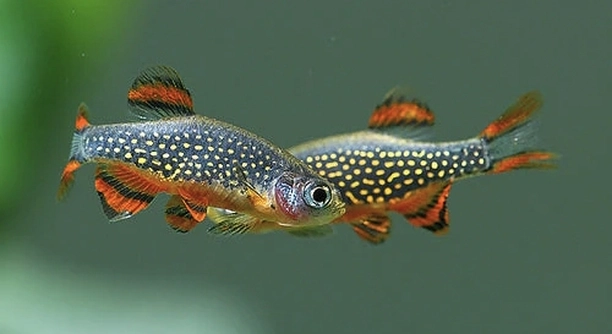
Observing Danios can be an enjoyable and relaxing experience for aquarium enthusiasts. These small, lively fish display interesting behaviors that are influenced by their environment and the time of day. Watching them at the right moment enhances the experience.
Danio activity is highest during the early morning and late afternoon hours. During these periods, they exhibit increased swimming, feeding, and social interactions. Factors such as light levels, feeding schedules, and tank conditions contribute to these predictable activity patterns.
Knowing when Danios are most active can improve your observation and care routine. Small adjustments in your daily schedule can lead to more engaging and rewarding aquarium experiences.
Morning Activity Patterns
Danios tend to be most active during the early morning when the aquarium lights turn on. At this time, they swim energetically across the tank, exploring decorations, plants, and open areas. Feeding in the morning stimulates them further, making their movements more dynamic. Observing them now allows you to notice social interactions, such as chasing, darting, and brief displays of dominance. The early hours also reveal their natural curiosity and alertness, which can be less noticeable later in the day. Morning activity gives insight into their health as well. A fish that appears sluggish or isolated during this time may indicate stress, illness, or an unsuitable environment. By noting patterns, you can make subtle adjustments, such as relocating hiding spots or modifying feeding routines, to improve their comfort and engagement. These adjustments ensure Danios remain lively and maintain their natural behaviors in captivity.
Morning observation offers the clearest view of their active behaviors before midday slows their movement.
Paying attention to morning patterns can help you understand feeding habits, social interactions, and responses to environmental changes, making aquarium management more effective and predictable.
Afternoon and Evening Behavior
Activity tends to decrease in the afternoon as light levels and temperature stabilize.
Later in the day, Danios may slow down, resting near plants or decorations. This period allows them to digest meals and conserve energy. Observing their interactions during this time helps identify stress triggers or aggressive behaviors. Tank placement and light intensity also affect activity, so small adjustments can improve comfort. By noting afternoon and evening patterns, caretakers can schedule maintenance and feeding without disturbing natural behaviors. In the evening, as lights dim, some Danios may show brief bursts of energy, often swimming together before settling for the night. This behavior reflects instincts from their natural habitat, where they balance feeding, socializing, and avoiding predators. Regularly tracking these patterns can improve tank management and ensure fish remain healthy. Structured observation at different times of day provides a full picture of behavior and helps maintain a thriving aquatic environment. Consistency in lighting, feeding, and tank conditions supports their predictable daily rhythms, encouraging activity at optimal times while minimizing stress.
Feeding and Danio Activity
Feeding times strongly influence Danio activity. They become noticeably more alert and move quickly when food is offered, especially in the morning and late afternoon. Timing meals with peak activity encourages natural behavior and keeps fish healthy.
Danios respond well to small, frequent meals. Overfeeding can lead to sluggishness and water quality issues. Providing high-quality flakes or micro-pellets stimulates activity and allows for easier observation of their behavior. Observing their feeding patterns helps you identify individual personalities, social hierarchies, and potential health concerns. Tank layout also affects feeding efficiency, as open spaces allow faster movement and reduce stress. Watching them eat regularly gives insight into their preferences and energy levels, making care adjustments easier.
Adjusting feeding schedules can enhance their active periods and improve overall tank dynamics. Meal timing interacts with light cycles, encouraging natural swimming patterns. Fish tend to explore more during feeding, allowing a fuller view of their daily behavior. Observing this consistently builds an understanding of their rhythms, which helps in detecting changes that may indicate stress or illness. By combining proper food choice, portion control, and timing, you maintain both activity and wellbeing, creating a lively and balanced aquarium environment.
Light Conditions and Activity
Light intensity directly affects Danio behavior. Bright, consistent lighting encourages movement, while dim or fluctuating light may cause hiding or sluggishness.
Danios thrive with predictable light schedules that mimic natural day and night cycles. Sudden changes in light can startle them, causing stress or erratic swimming. Positioning lights to avoid glare and reflection improves comfort. Observing fish under different light intensities helps you understand preferred areas in the tank, which can guide decoration and plant placement. Consistent lighting supports their feeding, swimming, and social interactions, making behavior easier to monitor.
Light timing also impacts daily activity patterns. Early morning light triggers exploration and feeding behavior, while gradual dimming in the evening signals rest periods. Tank plants and decorations can create shaded zones, offering refuge when needed. Balancing light intensity, duration, and direction promotes natural behavior while reducing stress. Observing how Danios respond to light changes can indicate health, tank comfort, and activity trends. Implementing a reliable light schedule helps maintain energy levels, encourages regular swimming, and enhances visibility for monitoring, resulting in a more engaging and stable aquarium environment.
Tank Environment and Movement
Tank setup influences Danio activity. Open swimming areas encourage movement, while overcrowded or cluttered tanks can slow them down.
Decorations, plants, and hiding spots provide security, but balance is key. Too many obstacles may reduce swimming space, while too few can increase stress.
Water Temperature Effects
Danios are more active in stable water temperatures between 72°F and 78°F. Fluctuations can cause stress, reducing movement and feeding. Maintaining consistent temperature supports regular activity patterns. Proper filtration and gentle water flow also help, ensuring fish remain energetic and healthy throughout the day.
Social Interaction Patterns
Danios exhibit increased activity when in groups. They chase, swim together, and interact more frequently, reflecting natural schooling behavior in the tank environment.
FAQ
What time of day are Danios most active?
Danios are most active in the early morning and late afternoon. During these periods, they swim actively, explore the tank, and feed with more energy. Observing them at these times allows you to notice natural behaviors, social interactions, and overall health more clearly than during midday rest periods.
How does feeding influence their activity?
Feeding has a direct impact on movement and alertness. Danios respond immediately to food, swimming quickly and interacting with other fish. Small, frequent meals maintain energy levels, while overfeeding can cause sluggishness and water quality problems. Using high-quality flakes or micro-pellets ensures proper nutrition and encourages lively behavior.
Does light affect Danio behavior?
Yes, light is critical for activity. Bright, consistent lighting encourages swimming and exploration, while sudden changes or dim lighting may cause hiding or reduced movement. A predictable day-night light schedule helps maintain natural activity cycles and supports feeding, social behavior, and overall wellbeing.
How does tank setup impact activity?
Open swimming spaces increase movement, while overcrowded or overly cluttered tanks can reduce activity. Decorations and plants provide security and comfort, but balance is key. Too many hiding spots limit exercise, while too few increase stress. Proper arrangement supports natural swimming, social interactions, and reduces conflict.
What role does water temperature play?
Stable water temperatures between 72°F and 78°F keep Danios active. Fluctuations can stress the fish, slowing movement and feeding. Consistent temperature combined with gentle water flow encourages regular activity and supports metabolic health. Sudden changes can result in hiding or erratic swimming.
How does social behavior affect activity levels?
Danios are schooling fish and show more movement in groups. They chase, swim together, and interact frequently, creating a more dynamic tank. Keeping at least five or six Danios allows natural social behaviors and reduces stress. Observing group activity also helps identify any aggressive or isolated individuals.
Can tank maintenance influence activity?
Regular cleaning and proper filtration improve water quality, which directly affects behavior. Dirty water or poor circulation can lead to reduced swimming and stress. Consistent maintenance ensures a healthy environment, allowing Danios to remain energetic, feed properly, and display natural behaviors throughout the day.
Do Danios react differently to noise or vibrations?
Yes, sudden vibrations or loud noises can startle Danios, causing temporary hiding or erratic swimming. Minimizing disturbances near the tank supports calm and steady activity patterns. Consistent environmental conditions help fish feel secure and maintain predictable behavior throughout the day.
How long should feeding take to observe peak activity?
Peak activity usually occurs during the first 10–15 minutes of feeding. Fish swim quickly, compete for food, and interact more socially during this time. After feeding, activity gradually declines as they digest. Watching this period helps identify dominant or timid individuals and ensures all fish are eating properly.
Is it possible to adjust activity patterns?
Yes, feeding schedules, lighting, and tank arrangement can shift activity slightly. Early morning feeding or gradual light changes can encourage movement at desired times. Adjustments should be gradual to avoid stress. Observing how fish respond to these changes helps create a more engaging and balanced aquarium environment.
Can observation improve Danio health?
Regular observation during peak activity times allows detection of illness, stress, or abnormal behavior early. Active, alert fish are usually healthy, while sluggish or isolated individuals may need attention. Tracking patterns over time supports better feeding, lighting, and tank management decisions for long-term wellbeing.
Do all Danios behave the same way?
Individual personalities can vary. Some are naturally more active or bold, while others are timid. Observing the group helps recognize these differences, ensuring proper care for all fish. Awareness of individual patterns allows adjustments in feeding, tank layout, and social management to keep everyone healthy and active.
How can I encourage natural activity without stress?
Maintain consistent feeding, light schedules, and water conditions. Provide both open swimming areas and shaded spots for comfort. Grouping Danios ensures schooling behavior, while gentle water flow and minimal sudden disturbances help sustain natural movement without causing stress or hiding tendencies.
Can temperature or lighting changes affect feeding times?
Yes, both factors influence when Danios eat. Cooler or dim conditions may reduce appetite and activity, while stable warmth and bright morning light promote regular feeding behavior. Monitoring these variables helps ensure fish eat properly and display normal daily activity patterns.
Why is observation important for tank adjustments?
Watching Danios during active periods shows how they interact with their environment and each other. Observations guide decisions about feeding schedules, decorations, lighting, and water conditions. Regular monitoring helps maintain a healthy, lively aquarium and allows early detection of potential issues before they escalate.
How long does it take to see patterns?
Within a few days, consistent observation reveals activity peaks, feeding responses, and social behavior. Over weeks, you can note patterns for individual fish, enabling more precise adjustments to tank conditions, lighting, and feeding routines for optimal health and activity.
What signs indicate stress during activity?
Signs include hiding, sluggish swimming, erratic movement, or avoiding the group. Stress can result from poor water quality, overcrowding, improper light, or sudden disturbances. Early detection allows adjustments to feeding, tank layout, and environment, helping Danios regain natural activity levels.
Can adjusting light cycles mimic natural behavior?
Yes, simulating gradual sunrise and sunset can encourage normal activity. Early morning light stimulates swimming and feeding, while dimming in the evening signals rest. This approach maintains energy levels and predictable behavior, supporting social interactions and healthy daily rhythms.
Is tank location important for activity observation?
Placing the tank in a stable, quiet location reduces stress and encourages consistent movement. Avoid areas with heavy foot traffic or sudden light changes. Observation is clearer in calm environments, and Danios exhibit more natural behaviors when disturbances are minimal.
How does group size affect activity consistency?
A small school of five or more Danios promotes synchronized swimming and social interaction. Too few fish may show less activity, while overcrowding can increase stress and aggression. Proper group size maintains energy levels and encourages predictable behavior patterns throughout the day.
What other environmental factors impact daily activity?
Water flow, oxygen levels, and tank enrichment all influence movement. Gentle circulation and oxygenation support swimming, while enrichment such as plants or floating decorations stimulates exploration. Balanced environmental conditions ensure Danios remain energetic, social, and healthy during their active periods.
How can I tell if activity is abnormal?
Abnormal activity includes prolonged inactivity, rapid erratic swimming, or persistent hiding. Comparing behavior to established daily patterns helps detect problems. Deviations may indicate illness, stress, or poor water conditions, prompting timely adjustments or interventions for fish health.
Are there seasonal differences in activity?
In stable indoor tanks, seasonal differences are minimal, but slight changes in room temperature or light exposure can affect behavior. Maintaining consistent conditions year-round supports predictable activity and feeding patterns, ensuring fish remain active and healthy regardless of external seasons.
Can feeding location change activity?
Yes, placing food in different areas encourages movement and exploration. Rotating feeding spots stimulates swimming and social interactions while reducing dominance over food. Observing responses to varied feeding locations helps maintain a dynamic and balanced tank environment.
Does water quality affect activity directly?
Poor water quality reduces energy, causes hiding, or triggers erratic swimming. Regular monitoring of ammonia, nitrite, nitrate, and pH is essential. Clean water ensures fish maintain natural activity, feed properly, and display typical social behavior throughout the day.
How quickly do Danios adjust to a new tank?
Adjustment takes a few days to a week. During this period, activity may be reduced as fish explore and establish social hierarchies. Providing stable conditions, proper lighting, and open swimming areas helps them adapt faster and regain normal behavior.
Can temperature, light, and feeding schedules be used together?
Yes, coordinating these factors supports predictable activity. Morning light, timely feeding, and stable temperature create conditions for peak movement. Combining all three ensures fish remain active, social, and healthy, allowing you to observe natural behavior consistently.
How do decorations influence daily patterns?
Decorations provide hiding spots, exploration areas, and rest zones. Balanced placement allows free swimming while giving security. Observing fish interactions with these structures helps adjust the tank for comfort, promoting natural activity without restricting movement or causing stress.
Is it normal for activity to vary day to day?
Yes, minor variations occur due to feeding times, water conditions, or individual moods. Consistent monitoring helps distinguish normal fluctuations from warning signs of illness or stress. Recognizing patterns allows better management of tank conditions and care routines.
Do Danios interact differently in morning versus evening?
Morning activity is generally higher, with swimming, feeding, and social interactions. Evening tends to show slower movement and resting behavior. Noting these differences helps plan feeding, observation, and maintenance schedules without disturbing natural behavior.
How can observation help with tank adjustments?
Regular observation reveals preferences for light, swimming zones, and social interactions. This information guides adjustments to feeding, lighting, decorations, and water conditions. Observing behavior ensures the tank environment meets the needs of all Danios, keeping them active and healthy throughout the day.
Are there signs that activity levels indicate illness?
Yes, lethargy, hiding, loss of appetite, or erratic swimming may signal illness. Tracking daily patterns allows early detection. Immediate response, such as water testing or dietary changes, can prevent more serious health issues and restore normal activity levels.
Can group hierarchy affect activity?
Dominant individuals may lead movement and feeding, while timid fish stay near the edges or hiding spots. Observing these interactions helps identify stress or imbalance in social dynamics. Adjusting group size or decorations can reduce tension and promote balanced activity across all fish.
Do Danios require stimulation for activity?
Yes, environmental enrichment such as plants, floating items, or changing feeding locations encourages swimming and exploration. Lack of stimulation can reduce movement and social interactions. Providing varied elements supports natural behavior and maintains consistent daily activity patterns.
Is monitoring water parameters necessary for activity?
Yes, stable water chemistry supports energy, swimming, and feeding. Fluctuations in ammonia, nitrite, nitrate, or pH can stress Danios and reduce activity. Regular testing and maintenance ensure fish remain healthy and active throughout the day.
Can observing patterns improve long-term care?
Absolutely, noting daily activity, feeding behavior, and social interactions helps anticipate needs, prevent stress, and identify health issues early. This insight guides lighting schedules, feeding times, tank setup, and group size for optimal care and sustained activity levels.
Do Danios ever become inactive naturally?
Yes, brief rest periods are normal, often after feeding or during low light periods. These short inactivity periods are part of their natural rhythm and are not a sign of illness unless accompanied by other abnormal behaviors or extended duration.
How does tank size influence activity?
Larger tanks provide more space for swimming and social interaction, increasing overall activity. Smaller or overcrowded tanks may restrict movement, increase stress, and reduce natural behaviors. Proper tank sizing ensures sufficient room for exercise and interaction.
Is it important to observe at different times of day?
Yes, activity levels change throughout the day. Observing in the morning, afternoon, and evening gives a complete understanding of behavior, feeding patterns, and social interactions. Multiple observations allow for better tank management and healthier fish.
Can Danios adapt to changes in routine?
They can adapt gradually to new feeding times, light cycles, or tank arrangements. Sudden changes may cause stress or reduced activity. Incremental adjustments help fish maintain normal behavior while accommodating new schedules or environmental modifications.
Do all tank inhabitants affect Danio activity?
Yes, other species can influence movement and social behavior. Aggressive or very active tankmates may stress Danios, while compatible species encourage normal swimming and feeding. Observing interactions helps maintain balance and promotes healthy activity.
How do you know if activity is optimal?
Optimal activity includes swimming throughout the tank, interacting socially, responding to feeding, and exploring decorations. Consistent observation of these behaviors indicates a well-balanced environment, proper care, and healthy, energetic Danios.
Are changes in light or feeding ever harmful?
Rapid or extreme changes can stress Danios, causing hiding, erratic swimming, or reduced feeding. Gradual adjustments allow adaptation without harming health or disrupting natural activity cycles.
Can you predict activity based on past observations?
Yes, tracking daily patterns over time allows prediction of peak movement, feeding responses, and social behavior. This knowledge helps optimize tank conditions, feeding schedules, and observation times to maintain a healthy, active environment.
How often should Danios be monitored for activity?
Daily observation is ideal for noticing small changes in behavior, feeding, or social interactions. Monitoring even a few minutes each day provides insights into health, tank comfort, and activity patterns, enabling timely adjustments to maintain a thriving aquarium.
What is the best way to record activity patterns?
Keeping a simple log of feeding times, light schedules, temperature, and observed behavior helps track trends. Notes on unusual activity, hiding, or aggression support better tank management and early detection of potential problems. Over time, patterns become clear, improving care and observation.
Does tank depth or shape affect movement?
Yes, Danios prefer horizontal swimming space. Deep but narrow tanks may limit exploration and reduce activity. Wider, shallow areas support natural schooling, chasing, and feeding behaviors. Observing how fish utilize the tank helps guide layout adjustments for optimal movement.
How does water flow impact daily activity?
Gentle water flow encourages swimming without causing stress. Strong currents can tire fish or trigger hiding. Balanced circulation supports feeding, exploration, and social interactions, ensuring consistent daily activity.
Is variation in daily behavior normal?
Minor changes are normal due to environmental factors, feeding, or individual moods. Sudden or prolonged deviations may indicate stress or illness. Consistent observation helps distinguish normal variation from problems.
How important is consistency for Danio activity?
Consistency in feeding, lighting, water quality, and tank setup supports predictable movement and healthy behavior. Regular routines reduce stress, encourage natural activity, and allow easier detection of abnormalities.
Can enrichment affect social interactions?
Yes, plants, floating objects, and feeding variation stimulate exploration and interaction. Enrichment supports natural behaviors, reduces aggression, and encourages active schooling, keeping the group dynamic and healthy.
Do Danios respond to human presence?
Mild presence can trigger curiosity, swimming toward the front of the tank, or increased alertness. Sudden movements or tapping may cause hiding. Regular, gentle observation helps fish remain comfortable and display natural activity.
Is observing feeding alone enough to understand behavior?
Feeding observation is important but not sufficient. Combining feeding, morning and evening activity, and social interactions provides a complete picture of health, energy levels, and environmental comfort.
Can activity levels indicate tank health?
Yes, consistent active behavior reflects stable water conditions and proper care. Reduced movement, hiding, or erratic swimming can signal poor water quality, overcrowding, or inadequate feeding, prompting necessary adjustments.
How can activity observation guide future tank setup?
Tracking preferred swimming areas, social interactions, and hiding spots helps optimize decoration placement, lighting, and tank layout. Observation ensures both individual and group needs are met, promoting energy, social behavior, and long-term wellbeing.
Do Danios ever display unpredictable behavior?
Occasionally, minor bursts of speed or sudden chasing may occur, usually related to feeding, exploration, or schooling. Consistent patterns return quickly if tank conditions are stable, indicating normal behavioral variation rather than a problem.
How much activity is healthy?
Healthy Danios move regularly, explore the tank, feed actively, and interact socially. Reduced or absent movement for extended periods may indicate illness, stress, or poor environmental conditions, requiring adjustments or monitoring.
Are there signs of over-stimulation?
Over-stimulation can cause frantic swimming, stress, or aggression. Gradual changes in light, feeding, or decoration placement prevent this, maintaining calm, natural activity and promoting wellbeing.
How does observing behavior support long-term aquarium success?
Tracking patterns helps maintain balanced tank conditions, adjust feeding, optimize lighting, detect illness early, and improve social harmony. Consistent observation ensures Danios remain energetic, healthy, and display natural behavior over time.
Can activity logs be used for multiple tanks?
Yes, logs allow comparisons between tanks, helping identify environmental differences that affect behavior. Observing trends across setups supports better care practices and consistent activity for all Danios.
Do Danios react to seasonal temperature shifts indoors?
Minimal indoor shifts usually have little impact, but slight variations can affect energy levels. Maintaining stable temperature and lighting reduces these effects, ensuring consistent daily activity.
Is it normal for some Danios to rest more than others?
Yes, individual variation occurs. Some may be naturally less active or prefer shaded areas. Monitoring each fish ensures proper feeding and comfort, supporting overall group health.
Can adjusting feeding and light together enhance activity?
Coordinating feeding with light cycles encourages peak movement and social interaction. Morning light with food stimulates exploration, while evening dimming signals rest. This alignment maintains natural rhythms and consistent daily activity.
Are there specific signals for dominance during activity?
Dominant fish may lead swimming, chase others, or access food first. Observing these behaviors allows adjustment of group size, tank layout, or feeding to reduce stress and maintain balanced activity.
Can water chemistry changes be detected through activity?
Yes, sudden lethargy, hiding, or erratic swimming can indicate chemical imbalances. Early detection through observation allows prompt testing and adjustments to preserve health and normal behavior.
Does tank depth influence schooling behavior?
Shallow tanks allow easier horizontal swimming, supporting natural schooling. Deep, narrow tanks may restrict coordination and reduce active group movement. Proper tank design encourages synchronized activity and interaction.
Is it necessary to observe Danios daily?
Daily observation helps track feeding, swimming, social interactions, and environmental comfort. Frequent monitoring detects small changes before they become significant issues, ensuring sustained health and activity.
How can observation prevent aggression?
Watching interactions highlights bullying or territorial behavior. Adjusting group size, decorations, or feeding locations can reduce tension, maintain social balance, and ensure all fish remain active and stress-free.
Are Danios more active in larger schools?
Yes, larger groups increase schooling, chasing, and social interactions. Small groups may be less dynamic, while overcrowding can cause stress. Observing group activity ensures optimal school size for energy and social behavior.
Do changes in tank location affect activity?
Moving the tank can temporarily reduce movement as fish adjust. Sudden changes in light, noise, or orientation may cause hiding or stress. Consistent placement supports predictable daily activity and reduces behavioral disruptions.
How long do Danios need to settle after adjustments?
A few days to a week is typical for adapting to new tank conditions, light schedules, or group changes. Monitoring activity during this period ensures smooth transitions and identifies any issues early.
Can temperature swings be offset by feeding schedules?
Minor adjustments in feeding times can help maintain
Danios are lively, small fish that respond strongly to their environment. Observing their activity gives valuable insight into their behavior, health, and needs. Their movement patterns, feeding habits, and social interactions vary throughout the day, influenced by light, temperature, feeding, and tank setup. By paying attention to these patterns, caretakers can better support natural behaviors and provide a comfortable environment. Understanding daily rhythms is particularly helpful for noticing early signs of stress or illness, as deviations from normal activity often indicate a problem. For example, a fish that is unusually sluggish during peak activity times may be experiencing poor water conditions, illness, or stress from social imbalance. Regular observation allows for timely adjustments to water quality, lighting, and feeding, ensuring Danios remain healthy and active.
Feeding schedules and light cycles play a major role in supporting natural behavior. Morning and late afternoon are the most active periods for Danios, and synchronizing feeding times with these peaks encourages energy, exploration, and social interaction. Small, frequent meals are ideal, as overfeeding can lead to sluggishness and poor water quality. Light should be consistent and predictable, gradually simulating sunrise and sunset when possible. Bright, stable light encourages swimming and exploration, while dim or fluctuating light may lead to hiding or reduced movement. The placement of plants, decorations, and open swimming areas also affects activity. A balanced setup provides both security and freedom, allowing fish to move comfortably while interacting socially. Observing how they use the tank helps make adjustments to layout, lighting, or enrichment to optimize activity without causing stress.
Social behavior is another important factor in daily activity. Danios are schooling fish and display the most energy when in groups. Watching them interact helps identify dominant or timid individuals, allowing adjustments to group size, feeding, or tank layout to reduce stress. Environmental enrichment, such as plants, floating objects, and varied feeding locations, encourages exploration and keeps activity levels high. Water temperature should remain stable, ideally between 72°F and 78°F, as fluctuations can reduce movement and feeding. By combining consistent care routines, proper tank setup, and observation at different times of day, caretakers can maintain a healthy, balanced environment where Danios display natural, predictable activity patterns. Careful observation and attention to detail ensure that these small fish remain lively, social, and healthy throughout the day.

Hello,
If you enjoy the content that we create, please consider saying a "Thank You!" by leaving a tip.
Every little bit helps us continue crafting quality advice that supports the health, happiness, and well-being of pets around the world, for pets of all shapes, sizes, and species.
We really appreciate the kindness and support that you show us!