
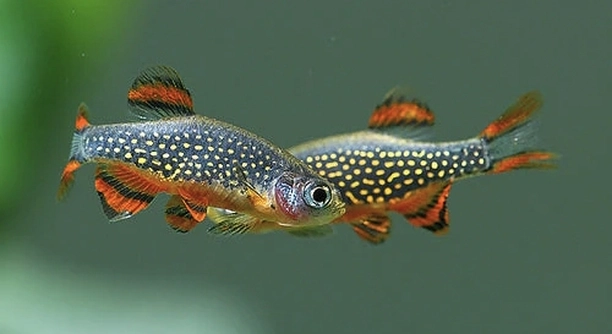
Danios are active and colorful fish that can be fascinating to watch in your home aquarium. Observing their behavior closely can help you identify when they are ready to reproduce and maintain a healthy tank environment.
Signs that Danios are ready to spawn again include increased chasing among males, brighter coloration, frequent nudging of females, heightened activity near spawning sites, more prominent body condition in females, and consistent feeding patterns that indicate readiness for reproduction.
Recognizing these behaviors can make it easier to prepare your tank for successful breeding and ensure the well-being of both adults and fry.
Increased Chasing Behavior
When Danios are ready to spawn again, one of the first signs is that males start chasing females more frequently. This chasing is a natural part of courtship. Males may dart around the tank, sometimes nudging or circling females. Observing this closely helps identify readiness. The chasing often occurs near plants or tank decorations that can serve as spawning sites. Males may seem more energetic and persistent than usual. Even if the females swim away, the males continue to follow. The frequency and intensity of this behavior often increase over several days. Monitoring tank conditions during this period is important. Proper water quality, temperature, and diet support healthy breeding behavior. Ensuring a safe environment prevents stress that could interrupt spawning. Spawning readiness can vary between individual fish, so patience and careful observation are key. Adjusting feeding routines can encourage natural behavior.
Frequent chasing among males is a clear sign of imminent spawning and indicates that the fish are actively preparing for reproduction in the tank.
Watching the chasing closely gives a clear indication of which pairs may successfully spawn, helping with planning and care adjustments.
Brighter Coloration
Danios ready to spawn often show brighter, more vivid colors. This change signals health and readiness to potential mates.
The brighter coloration results from hormonal changes that occur as part of the reproductive cycle. Both males and females may appear more vibrant, but males usually display the most noticeable changes. Enhanced coloration is a way to attract attention and indicate fitness to potential mates. Tank lighting and clean water can enhance this visual cue, making it easier to spot. Seasonal changes and temperature adjustments sometimes influence these color shifts. Healthy fish with balanced diets tend to show the brightest colors. While chasing and nudging indicate activity, coloration is a subtler but reliable sign. Observing this in combination with other behaviors gives a more complete picture of spawning readiness. Breeders often use these cues to determine when to separate or prepare tanks for eggs. Managing stress and maintaining consistent tank conditions help sustain this coloration. Tracking color changes over time can also help identify patterns specific to your Danios.
Frequent Nudging of Females
Males often nudge females repeatedly when they are ready to spawn. This behavior helps stimulate egg release and signals readiness for breeding.
Nudging is usually gentle but persistent. Males may push females toward plants, spawning mops, or tank corners where eggs are often laid. This interaction is a critical part of the spawning process. Observing nudging behavior alongside chasing and color changes gives a more complete picture of reproductive readiness. Females may respond by swimming in tight circles or resting near suitable spawning sites, indicating that they are receptive. Maintaining stable water conditions and ensuring proper nutrition can encourage this natural behavior.
Repeated nudging also helps synchronize spawning activity among multiple pairs in the tank. It can reduce stress if the environment is calm and free of sudden disturbances. Timing feeding to support energy levels enhances the likelihood of successful spawning. Careful observation ensures that nudging does not become excessive or harmful to females.
Heightened Activity Near Spawning Sites
Danios often spend more time exploring and hovering around plants or spawning mops. This behavior indicates preparation for egg-laying.
Heightened activity at specific sites is an instinctive behavior. Males often guide females to preferred spots repeatedly. Females may linger in these areas, testing surfaces for egg adhesion. Observing this behavior allows tank keepers to anticipate where eggs will be deposited. Maintaining clean surfaces and providing appropriate hiding spots ensures eggs are safe from disturbance. Consistent monitoring prevents overcrowding and reduces stress during the spawning period. This focused activity usually coincides with chasing, nudging, and coloration changes, providing a clear set of behavioral signals. Proper tank maintenance during this phase is essential to support reproductive success and fish health.
Fish often revisit the same spots multiple times over several days. This repeated attention helps guarantee optimal egg placement and increases the chances of fry survival. Adjusting lighting and water flow slightly can improve comfort and encourage activity without causing stress. A well-prepared tank helps reduce potential conflicts between fish competing for preferred sites.
More Prominent Body Condition in Females
Female Danios often develop a rounder, fuller belly when ready to spawn. This indicates that eggs are maturing and the fish is in prime reproductive health.
A well-fed female with a healthy body shape is more likely to produce viable eggs. Proper diet and nutrition contribute to the development of eggs and overall spawning readiness. Monitoring body condition alongside other behaviors helps identify the optimal time for breeding.
Consistent Feeding Patterns
Danios that are ready to spawn usually show regular and active feeding behavior. They become more interested in food and eat consistently throughout the day.
Regular feeding ensures energy for spawning activities. Fish that maintain steady eating habits are healthier and more capable of completing the reproductive cycle. Watching feeding patterns helps confirm readiness for breeding. Proper feeding routines support overall tank health and reproductive success.
Active Swimming Throughout the Tank
Danios preparing to spawn tend to swim actively across the entire tank. This increased activity is linked to courtship and energy buildup for reproduction.
Seeking Shelter or Hiding Spots
As eggs become ready for laying, both males and females may explore hidden areas. They seek secure spots for safety during the spawning process.
How do I know when my Danios have spawned successfully?
Successful spawning can be confirmed by observing eggs attached to plants, spawning mops, or tank surfaces. Eggs are small, often translucent, and scattered in clusters. After a day or two, they usually become more visible as they develop, sometimes showing tiny eyes as embryos form. Monitoring these signs ensures you know which eggs are viable. Adult fish may continue their usual activity but often leave the eggs alone if the tank is well-prepared. Regular observation without disturbing the eggs is crucial, as touching or moving them can reduce hatching success.
Can I keep adult Danios in the same tank with eggs?
Yes, but it requires careful management. Adult Danios may eat eggs if left unchecked, so separating adults or providing dense plants and hiding spaces for eggs is important. Some breeders use breeding tanks or floating spawning mops to protect eggs while allowing adults to remain in the main tank. Maintaining optimal water conditions and stable temperature helps support both adults and eggs. Minimizing stress in the tank encourages natural behavior and increases the chances of successful hatching. Observing interactions between adults and eggs allows quick intervention if needed.
How long does it take for Danio eggs to hatch?
Danio eggs typically hatch within 24 to 48 hours under optimal conditions. Temperature, water quality, and light exposure can slightly affect timing. After hatching, fry are tiny and often cling to surfaces for the first few hours. Ensuring clean water and minimal disturbance during this period is essential for survival. Fry are sensitive to changes in water chemistry, so gradual adjustments and careful monitoring are recommended. Early observation helps detect any eggs that did not hatch, allowing for their removal to prevent water quality issues.
What should I feed newly hatched Danio fry?
Newly hatched fry require very small, nutrient-rich foods. Infusoria, liquid fry food, or finely crushed flakes are ideal during the first days. As fry grow, they can transition to slightly larger foods like baby brine shrimp or micro worms. Feeding small amounts multiple times per day ensures proper growth and reduces waste. Clean water is essential, so leftover food should be removed promptly to prevent ammonia spikes. Consistent feeding routines support healthy fry development and help them reach juvenile stages quickly. Observing growth and adjusting portions is important to avoid underfeeding or overfeeding.
How often can Danios spawn in a year?
Danios are prolific breeders and can spawn multiple times a year if conditions are favorable. Providing stable water conditions, a balanced diet, and consistent temperature can encourage regular breeding cycles. Spawning frequency varies by species, tank setup, and individual health. Avoid overstocking or exhausting adult fish, as this can reduce reproductive success. Keeping detailed observations of behavior, coloration, and feeding patterns helps predict and prepare for future spawning events. Proper care between cycles ensures adults remain healthy and ready for repeated breeding.
Do I need special water conditions for breeding Danios?
Yes, optimal water conditions significantly influence spawning success. Slightly soft, slightly acidic to neutral water is preferred by most Danios. Temperature around 24–28°C (75–82°F) encourages reproductive behavior. Clean water with stable parameters reduces stress and prevents fungal or bacterial infections on eggs. Regular partial water changes, gentle filtration, and aeration support a healthy environment. Avoid sudden changes in pH, hardness, or temperature, as this can interrupt breeding behavior. Monitoring water quality with test kits ensures consistent conditions, improving egg viability and fry survival rates.
How can I prevent adults from eating eggs or fry?
Providing hiding spots such as dense plants, spawning mops, or separate breeding tanks helps protect eggs and fry. Removing adults immediately after spawning is a common practice to prevent predation. Observing tank behavior during spawning can indicate if intervention is needed. Maintaining a clean tank and providing sufficient cover allows fry to find safe spaces. Some breeders use mesh dividers or small fry cages to separate vulnerable young without stressing the adults. These measures increase survival rates and allow fry to grow without constant threat from adults.
What are the signs of unhealthy eggs?
Unhealthy or infertile eggs often appear cloudy, discolored, or develop fuzzy white patches. These eggs rarely hatch and can degrade water quality if left in the tank. Removing them promptly prevents fungal growth and protects developing embryos. Observing egg development daily helps identify issues early. Healthy eggs are usually clear, firm, and evenly shaped. Keeping a record of egg appearance and hatching success helps improve breeding practices over time. Proper water conditions, nutrition, and minimal disturbance reduce the chances of producing unhealthy eggs.
When should I move fry to a separate tank?
Fry can be moved when they are large enough to swim freely and feed independently. Typically, this occurs a few days after hatching. Moving them too early can cause stress and increase mortality. A dedicated rearing tank with gentle filtration and suitable food helps fry grow safely. Gradual acclimation to the new tank minimizes shock. Monitoring water quality and temperature in the rearing tank is critical. Providing hiding spots and maintaining low light levels can reduce stress. Separating fry from adults ensures both safety and better growth rates during early development.
How can I encourage repeated spawning cycles?
Maintaining stable tank conditions, consistent feeding, and healthy adult fish encourages repeated spawning. Seasonal temperature variations, slightly increased feeding, and providing fresh spawning sites can stimulate natural reproductive cycles. Avoid overcrowding and ensure sufficient nutrition to prevent exhaustion. Regular observation of behavior, coloration, and activity helps identify the optimal time for each cycle. Keeping adults healthy between spawning events maximizes egg quality and fry survival. Rotating spawning locations or adding new plants can also stimulate renewed interest in breeding. Gradual, consistent care promotes long-term reproductive success in Danios.
Danios are active and lively fish that can be rewarding to breed if you pay attention to their behavior and environment. Understanding the signs that indicate they are ready to spawn again helps create the right conditions for successful reproduction. Observing behaviors like chasing, nudging, and increased activity near plants or spawning mops gives clear insight into their readiness. Color changes in males and the rounded body shape of females are also reliable indicators. Each of these behaviors plays a role in natural breeding cycles, and recognizing them allows you to support the fish without interfering with their natural processes. Watching closely helps identify the right time to provide optimal conditions for spawning, ensuring the health of both adults and their offspring.
Maintaining proper tank conditions is essential for successful breeding. Stable water quality, suitable temperature, and adequate lighting all contribute to a stress-free environment where Danios can spawn naturally. Nutrition also plays a significant role. Well-fed adults are more likely to produce healthy eggs, and their activity levels reflect overall vitality. Providing hiding places, plants, or spawning mops protects eggs and fry from being eaten, increasing survival rates. Consistent monitoring of water parameters and cleanliness is necessary to prevent fungal growth or other issues that may compromise eggs. By keeping the tank conditions stable and providing necessary care, you create a reliable environment that encourages natural behavior, reduces stress, and supports repeated spawning cycles over time.
Successful breeding of Danios requires attention to detail, patience, and observation. Paying attention to behavioral cues, maintaining healthy conditions, and providing proper nutrition all contribute to a higher likelihood of producing viable fry. It is important to remember that each tank and each fish can behave slightly differently, so adapting care based on observation is key. By understanding the signs of readiness and supporting natural behavior, you ensure the adults remain healthy while giving eggs and fry the best chance of survival. Regular monitoring, care, and minor adjustments can make a noticeable difference in reproductive success. With consistent attention and thoughtful management, breeding Danios can become a manageable and rewarding part of aquarium care, allowing you to enjoy both the adult fish and the new generation growing in your tank.

Hello,
If you enjoy the content that we create, please consider saying a "Thank You!" by leaving a tip.
Every little bit helps us continue crafting quality advice that supports the health, happiness, and well-being of pets around the world, for pets of all shapes, sizes, and species.
We really appreciate the kindness and support that you show us!