
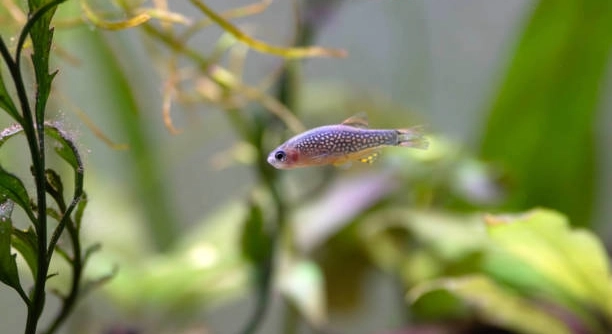
Is your danio swimming alone while the rest of the school moves together? Noticing a single fish left behind can feel worrying, especially when you are trying to maintain a peaceful and healthy aquarium environment.
The most effective response to a danio isolated from its school is to gently monitor its behavior and environment. Ensure water conditions are stable, introduce compatible tankmates gradually, and minimize stressors to encourage reintegration into the group.
Understanding why your danio was left out can help prevent future isolation and keep your aquarium balanced and harmonious.
Reasons Your Danio May Be Isolated
Danios are social fish that thrive in groups, so when one is left out, it usually signals an issue in the tank. Common reasons include stress, illness, or incompatible tankmates. Sometimes, a change in environment, such as new decorations or water parameters, can cause temporary isolation. Other times, it may be due to natural hierarchy, where certain individuals dominate feeding or territory. Overcrowding can also make some fish feel unsafe, prompting them to separate. Even subtle factors like lighting, water flow, or temperature fluctuations can influence behavior. Observing your danio carefully is key to understanding the specific trigger. Watch for signs such as lethargy, loss of appetite, or unusual swimming patterns. Early detection can prevent more serious problems. Adjusting environmental conditions, ensuring adequate hiding spots, and maintaining consistent care routines often encourages reintegration. Every tank is slightly different, so patience and careful observation are essential for a harmonious school.
Isolation can also be temporary, especially after introducing changes. Monitor daily.
With careful attention to behavior and environment, you can identify patterns that contribute to isolation. Understanding these triggers allows you to make informed adjustments. Regular tank maintenance, proper feeding schedules, and compatible tankmates create stability. Slowly reintroducing a separated danio to its school often works best. Avoid sudden changes in water parameters or overcrowding, as these can cause repeated isolation. Encouraging natural social behavior through environmental enrichment, such as plants and gentle water flow, helps your danio feel secure. Some fish may need time to adapt, and intervening too quickly can worsen stress. Observing interactions during feeding or swimming helps you gauge comfort levels. Maintaining consistent lighting and minimizing disturbances also reduces stress. Every small adjustment can support reintegration. Overall, understanding danio behavior and addressing underlying causes keeps your aquarium balanced. Patience and consistency are key to seeing positive results and helping your fish thrive.
Steps to Encourage Reintegration
Provide hiding spots and gentle water flow for the isolated danio.
Gradually reintroducing a separated danio requires careful planning. Start by observing interactions from a distance to ensure no aggression occurs. Make sure the school is healthy and not overcrowded. Adjust feeding routines so the isolated fish has access to food without competition. Using visual barriers temporarily can reduce stress and create a sense of security. Keep water conditions stable and avoid sudden changes in temperature or chemistry. Adding compatible tankmates one at a time may help socialize the isolated fish. Monitor behavior closely, especially during the first few days of reintegration. Be patient, as forcing interaction can increase stress and delay acceptance. Encourage calm, consistent routines to support social behavior. Over time, the isolated danio often reintegrates smoothly, rejoining the school and regaining confidence. Reintegration is a gradual process, and careful observation ensures safety for all fish in the tank.
Monitoring Health and Behavior
Watch for unusual signs like lethargy, clamped fins, or loss of appetite. These may indicate illness or stress, which can cause a danio to separate from its school. Quick identification allows timely intervention.
Maintaining stable water conditions is essential for your danio’s health. Regular testing of ammonia, nitrite, nitrate, and pH levels helps prevent stress-induced isolation. Observe swimming patterns and interactions closely. If the fish shows signs of illness, consider quarantining it to avoid spreading disease. Proper diet and consistent feeding routines support overall well-being. Environmental factors such as plants, hiding spots, and gentle water flow also promote natural behavior. Recording observations can help track progress and detect subtle changes.
Behavioral changes often reveal subtle stressors in the tank. Even small adjustments, like reducing sudden movements around the aquarium or maintaining consistent lighting, can improve confidence. Over time, monitoring and minor changes support reintegration. Watch interactions during feeding and swimming. Fish that feel safe will gradually return to the school. Patience is key. Avoid sudden changes or excessive handling, as these can worsen isolation. Understanding subtle cues ensures your danio remains healthy, social, and comfortable within the group.
Adjusting Tank Conditions
Check water temperature, flow, and decorations to ensure a comfortable environment. Minor adjustments can reduce stress and encourage social behavior.
Providing a calm and consistent environment encourages a danio to rejoin its school. Avoid overcrowding and aggressive tankmates. Position plants and hiding spots strategically to give space for retreat without isolating the fish entirely. Gentle water flow prevents exhaustion while maintaining oxygenation. Regular water changes remove waste and maintain clarity, supporting overall health. Monitor how your fish responds to changes in decor or water conditions, making small, gradual adjustments rather than abrupt shifts. Stable parameters create a sense of security, which is crucial for reintegration.
Proper tank management includes balancing social dynamics and environmental stability. Ensure all tankmates are compatible and that no individual dominates food or space. Introducing new objects or rearranging the tank gradually helps prevent additional stress. Keep a consistent feeding schedule to avoid competition and aggression. Observe how the school interacts after adjustments, paying attention to the previously isolated danio. Minor modifications in lighting, water temperature, or flow can significantly affect confidence levels. Stability and predictability in the tank encourage natural schooling behavior, allowing your danio to feel safe and gradually reintegrate without conflict or stress.
Feeding Strategies
Feed smaller amounts more frequently to reduce competition. This helps the isolated danio access food without stress from dominant tankmates.
Using sinking pellets or spreading food across the tank ensures all fish eat comfortably. Avoid overfeeding, which can cause water quality issues and increase stress.
Using Visual Barriers
Temporary barriers can provide security for a danio separated from its school. These allow gradual exposure to other fish while minimizing stress. Introduce barriers near hiding spots and remove them slowly once the fish shows confidence. Consistent observation ensures the fish adjusts safely.
Recognizing Stress Signals
Watch for darting, hiding, or loss of appetite. These signs indicate the danio is experiencing stress, which can prevent it from reintegrating. Immediate adjustments to the environment and monitoring help reduce stress levels.
Gradual Reintegration
Introduce the isolated danio to the school slowly. Start with short visual interactions, then allow limited swimming time together. Gradual steps prevent aggression and encourage confidence, helping the fish return naturally to the group.
FAQ
Why is my danio always alone while the rest of the school swims together?
Danios are social fish, and one left behind usually signals stress, illness, or environmental issues. Changes in water parameters, aggressive tankmates, or new tank decorations can make a fish isolate temporarily. Observing behavior and ensuring stable conditions often helps it rejoin the group naturally.
How can I tell if my danio is sick or just shy?
Signs of illness include lethargy, clamped fins, rapid gill movement, loss of appetite, or unusual swimming patterns. Shyness usually shows as brief isolation without physical symptoms. Consistent observation and checking water quality can help differentiate between illness and natural hesitation.
What is the best way to help an isolated danio feel safe?
Provide hiding spots like plants or small decorations. Use gentle water flow and maintain stable temperature and water parameters. Temporary visual barriers can reduce stress. Gradual exposure to the school and avoiding sudden changes will encourage the danio to feel secure.
Should I separate the isolated danio from the school?
Separating the fish is only necessary if it is showing signs of illness or being bullied by tankmates. A quarantine tank can help prevent disease spread. If the isolation is behavioral, gentle observation and gradual reintegration are better than full separation.
How long does it take for a danio to rejoin its school?
It depends on the cause of isolation and the fish’s personality. Some danios reintegrate within a day, while others may take several weeks. Patience, consistent care, and gradual exposure are essential for successful reintegration.
Can water changes help an isolated danio?
Yes, regular water changes improve water quality and reduce stress. Stable parameters make the environment more predictable, which helps the isolated fish feel secure and encourages social behavior with its school.
What role do tankmates play in isolation?
Aggressive or dominant fish can cause others to hide or separate. Ensuring compatible tankmates and observing interactions during feeding or swimming reduces stress and encourages the isolated danio to reintegrate.
Is overcrowding a problem for danios?
Overcrowding increases stress and competition for food or territory. It can lead to temporary or prolonged isolation. Maintaining an appropriate number of fish for your tank size keeps social dynamics stable and reduces stress-related isolation.
Can feeding routines influence social behavior?
Yes, inconsistent or competitive feeding can cause isolation. Feeding small amounts multiple times a day and distributing food evenly ensures all fish get access and minimizes stress, allowing shy or weaker individuals to join the group.
Are environmental changes like decorations or lighting important?
Yes, sudden changes in decorations, lighting, or water flow can trigger temporary isolation. Introduce changes gradually, and observe how your danio reacts. Subtle adjustments can make the fish feel more comfortable and confident in rejoining the school.
Should I use medications for an isolated danio?
Only if illness is confirmed. Using medication without signs of disease can stress the fish further. First, focus on observation, water quality, and safe reintegration methods. Treat only if clear symptoms like discoloration, fungus, or lethargy appear.
How can I encourage a danio to interact with its school?
Provide visual and environmental cues like plants, gentle water flow, and regular feeding routines. Gradually allow swimming interactions and avoid sudden movements. Over time, the isolated fish will feel secure enough to rejoin the group naturally.
What if my danio never reintegrates?
Some fish are naturally shy or slower to adapt. Continue providing a safe environment, appropriate tankmates, and consistent care. Even if full reintegration doesn’t occur, ensuring comfort and health should remain the priority.
How important is observation in managing an isolated danio?
Observation is crucial. Daily monitoring of behavior, appetite, and interactions allows early detection of stress or illness. Keeping notes helps track patterns and effectiveness of interventions, making reintegration more predictable and successful.
Can temporary barriers or partitions help?
Yes, using partitions or visual barriers can reduce stress by providing a sense of security. Slowly remove them as the fish gains confidence. Gradual exposure is more effective than forcing interaction.
How do I balance the needs of the school with the isolated fish?
Ensure adequate food, space, and hiding spots for all fish. Avoid overcrowding and aggressive interactions. Balance allows the isolated danio to feel safe while maintaining harmony in the school.
Does water temperature affect social behavior?
Yes, danios prefer stable temperatures. Sudden fluctuations can cause stress and isolation. Maintaining a consistent temperature helps all fish remain active and social, supporting natural schooling behavior.
Are some danios naturally more independent?
Yes, individual personalities vary. Some danios are more cautious or slow to integrate. Respecting their temperament while providing a safe environment encourages voluntary reintegration without causing undue stress.
What should I avoid doing when a danio is isolated?
Avoid sudden water changes, aggressive tankmates, excessive handling, or forcing interaction. These actions increase stress and may worsen isolation. Focus on gradual reintegration, observation, and environmental stability for the best results.
Can hiding spots be too many or too few?
Both extremes can cause issues. Too few hiding spots increase stress and force isolation, while too many can over-separate fish and prevent social interaction. Balance is key to promoting confidence and natural schooling.
How can I tell if reintegration is successful?
The danio swims with the school consistently, eats comfortably, and shows normal behavior. Reduced hiding, relaxed swimming, and social interaction are strong indicators of successful reintegration.
What long-term strategies prevent future isolation?
Maintain stable water parameters, proper feeding routines, compatible tankmates, and adequate space. Gradual environmental changes, observation, and providing hiding spots help sustain social cohesion and reduce the likelihood of repeated isolation.
Is stress the main factor in isolation?
Yes, stress from water quality, tankmates, or environment is the primary reason a danio isolates. Minimizing stress through stability and careful management encourages social behavior and overall health.
Can isolation indicate aggression in the tank?
Yes, if certain fish dominate or harass others, some danios may separate to avoid conflict. Observing interactions and rearranging tankmates or hiding spots can reduce aggression and support reintegration.
How often should I monitor the isolated danio?
Daily observation is ideal. Look for changes in swimming, appetite, and interaction. Frequent checks help detect stress, illness, or behavior changes early, making interventions more effective.
Are environmental enrichments useful for reintegration?
Yes, plants, gentle water flow, and subtle decorations provide stimulation and security. These enrichments support confidence, reduce stress, and encourage the fish to interact naturally with its school.
Can gradual water flow changes help?
Yes, some danios avoid strong currents. Adjusting flow gently ensures the isolated fish is comfortable while encouraging swimming with the group. Abrupt changes can cause stress and worsen isolation.
Should I adjust lighting to help an isolated danio?
Consistent lighting helps reduce stress. Avoid sudden changes in brightness or timing. Proper lighting supports normal behavior, feeding routines, and social interaction.
Does tank size affect social behavior?
Yes, too small a tank increases stress and competition, while a properly sized tank allows space for schooling and hiding. Adequate room supports confidence and reduces isolation.
Can temperature fluctuations alone cause isolation?
Yes, sudden drops or spikes in temperature can stress a danio, leading it to separate from the school. Maintaining stable conditions encourages social behavior.
How do I know if a danio is stressed but healthy?
Signs include temporary hiding, reduced interaction, or cautious swimming without physical illness. Maintaining calm surroundings and observing behavior usually helps the fish regain confidence.
Are all danios equally social?
No, individual personalities vary. Some are naturally bolder, while others are more cautious. Recognizing temperament helps tailor strategies for reintegration and maintaining a balanced school.
Can diet impact isolation?
Yes, insufficient or irregular feeding can increase stress and competition, leading to separation. Providing consistent, balanced meals ensures all fish remain active and social.
What is the most important factor in helping a danio reintegrate?
Stable environment, consistent care, and patience are key. Gradual exposure to the school, proper feeding, and reducing stressors allow the fish to regain confidence naturally.
How long should I wait before intervening with a separating fish?
Monitor closely for a few days unless signs of illness or aggression appear. Quick but careful intervention ensures safety without causing additional stress.
Can tank rearrangements encourage reintegration?
Yes, subtle rearrangements can break territorial dominance and encourage the isolated danio to explore and join the group. Avoid major changes all at once.
Should I change feeding spots to help the fish?
Distributing food throughout the tank reduces competition and ensures the isolated fish eats comfortably, supporting confidence and reintegration.
Can visual contact with the school alone encourage reintegration?
Yes, observing the group without direct interaction helps the fish adjust gradually. Visual exposure reduces stress before full reintegration.
Are water parameters more important than social factors?
Both are important. Stable water supports health, while compatible tankmates and environmental structure encourage social interaction and reduce isolation.
How do I know the isolation is behavioral and not medical?
Behavioral isolation shows no physical symptoms and improves with calm surroundings. Medical issues involve visible illness or sudden decline, requiring targeted treatment.
Can stress from handling worsen isolation?
Yes, excessive handling increases fear and discourages the fish from rejoining the school. Minimal disturbance is essential for recovery and reintegration.
What’s the best approach for long-term schooling behavior?
Maintain stability in water, tankmates, feeding, and environment. Gradual changes, observation, and providing hiding spots encourage consistent social behavior and reduce isolation risk.
Can temporary quarantine help even if the fish seems healthy?
Only if necessary for observation or if new fish are introduced. Otherwise, focus on gradual reintegration in the main tank to maintain social bonds.
How often should I adjust environmental factors?
Only when necessary and in small increments. Stability reduces stress and helps the isolated danio feel secure while gradually reintegrating.
What signs indicate successful social reintegration?
Consistent swimming with the school, eating comfortably, and reduced hiding indicate the fish has regained confidence and social connection.
Are some tankmates better for shy danios?
Yes, peaceful, non-aggressive fish support confidence. Avoid dominant or aggressive species that can stress or isolate the danio.
How do I balance reinforcement and patience?
Encourage interaction gradually, avoid forcing behavior, and maintain stable care routines. Patience allows natural reintegration without adding stress.
Is it normal for a danio to isolate occasionally?
Yes, brief isolation can occur due to minor stressors or personality. Frequent or prolonged separation signals a need for intervention.
Can water quality alone cause long-term isolation?
Poor water quality is a major stress factor. Maintaining optimal conditions prevents behavioral issues, illness, and prolonged separation from the school.
Should I remove aggressive fish to help reintegration?
Yes, if aggression is persistent, separating or replacing dominant individuals can reduce stress and encourage the isolated danio to rejoin its school.
Are hiding spots useful even after reintegration?
Yes, they provide optional refuge during stress or changes, helping maintain confidence and overall well-being.
How do I encourage natural schooling behavior?
Stable water, compatible tankmates, proper feeding, hiding spots, and gentle water flow promote confidence, reduce stress, and support natural schooling.
Can isolation affect long-term health?
Yes, stress from isolation can impact appetite, immune function, and growth. Timely observation and intervention prevent long-term health issues.
Is reinforcement necessary after reintegration?
Maintaining consistent routines, feeding, and environmental stability reinforces positive social behavior and prevents repeated isolation.
How do I handle stubbornly shy fish?
Respect temperament, provide security, gradual exposure to the school, and avoid forcing interaction. Consistency encourages confidence and eventual reintegration.
Can water changes trigger temporary isolation?
Yes, sudden or large water changes may stress a danio. Gradual adjustments help maintain confidence and social behavior.
Do lighting schedules affect social behavior?
Consistent lighting supports routine activity, feeding, and interaction. Sudden changes can cause stress and temporary isolation.
Is patience more important than intervention?
Yes, careful observation, environmental stability, and gradual encouragement are more effective than forced interaction or abrupt changes.
How can I tell if isolation is resolved?
The danio swims with the school, eats normally, and shows relaxed behavior without hiding or signs of stress.
Should I document behavior?
Yes, notes on swimming, feeding, and interactions help track progress, identify patterns, and guide interventions effectively.
Are small tanks more stressful for danios?
Yes, limited space can increase competition, aggression, and stress, making isolation more likely. Adequate room supports social cohesion.
Can gentle water movement help integration?
Yes, it encourages natural swimming and exercise while reducing stress, promoting confidence to join the school.
How do I maintain long-term harmony?
Stable water, compatible tankmates, hiding spots, consistent feeding, and gradual environmental adjustments ensure social cohesion and reduce repeated isolation.
Is isolation always negative?
Not always. Temporary separation can be natural, but prolonged isolation indicates stress, environmental issues, or health concerns requiring attention.
What is the first step when isolation occurs?
Observe behavior, check water quality, and ensure no aggression from tankmates. Early detection allows effective and gentle interventions.
Can enrichment reduce isolation tendencies?
Yes, plants, hiding spots, and subtle environmental stimulation encourage exploration, confidence, and interaction with the school.
Should feeding locations be varied?
Yes, spreading food prevents competition and allows the isolated danio to eat without stress, promoting reintegration.
Are some danios permanently shy?
Some individuals are naturally cautious. Consistent care, security, and gradual exposure help these fish feel comfortable joining the school.
Does temperature affect activity levels?
Yes, stable, appropriate temperatures support swimming and social behavior. Fluctuations can reduce activity and cause temporary isolation.
How can I tell if reintegration is complete?
Normal swimming patterns, regular feeding, and confident interaction with the school indicate the danio has successfully reintegrated.
Is regular observation enough to prevent isolation?
Observation combined with stable care, proper tankmates, and environmental management is essential to prevent recurring isolation.
Can new decorations cause stress?
Yes, sudden changes in the tank environment can trigger temporary isolation. Gradual introductions reduce stress and encourage exploration.
How do I balance multiple isolated fish?
Provide adequate space, hiding spots, and monitor interactions individually. Gradual reintegration for each fish reduces stress and supports harmony.
Is schooling instinctive in danios?
Yes, but stress, illness, or environment can temporarily override the instinct. Addressing these factors restores natural behavior.
Should I track water parameters daily?
Frequent checks prevent unnoticed stressors and ensure the isolated fish remains healthy and able to reintegrate.
Can aggressive feeding worsen isolation?
Yes, competition during meals can stress shy fish. Distributing food and small portions encourages safe access for all.
Are visual cues important for reintegration?
Yes, observing the school before full interaction helps the isolated danio adjust gradually and gain confidence.
How do I reduce stress after handling?
Minimize disturbance, provide hiding spots, and maintain stable water parameters. Gentle routines allow recovery and reintegration.
Can temperature drops cause permanent avoidance?
Temporary isolation may occur, but with stable temperature and care, the fish usually regains confidence and rejoins the school.
What role does lighting intensity play?
Consistent, moderate lighting reduces stress and supports normal feeding, swimming, and social behavior, aiding reintegration.
Can isolation lead to illness?
Prolonged stress may weaken immunity, making fish more susceptible. Early intervention prevents health issues.
Should I adjust social dynamics in the tank?
Yes, ensuring compatible, non-aggressive tankmates reduces stress and encourages shy fish to join the school safely.
Is patience more effective than intervention for shy danios?
Yes, gradual exposure, environmental stability, and observation foster natural reintegration more successfully than forced interaction.
How do I prevent future isolation?
Maintain water quality, compatible tankmates, consistent feeding, hiding spots, and gradual environmental adjustments to support social cohesion and confidence.
Can frequent monitoring cause stress?
Observation should be calm and minimal. Excessive disturbance may increase stress instead of promoting reintegration.
Do tank size and layout affect social behavior?
Yes, adequate space, hiding spots, and thoughtful layout reduce stress and encourage schooling, minimizing isolation tendencies.
What is the most common reason for long-term isolation?
Chronic stress from environment, tankmates, or health issues. Identifying and addressing these factors ensures reintegration and ongoing social stability.
Are some danios permanently solitary?
Rarely. Most will reintegrate if conditions are stable and stressors minimized. Permanent isolation usually signals an underlying problem.
How can I tell if interventions are working?
Positive signs include gradual swimming with the school, normal feeding, reduced hiding, and relaxed behavior over several days.
Does personality affect reintegration speed?
Yes, naturally cautious or shy fish take longer. Patience and gradual exposure are key to successful reintegration.
Can environmental enrichment prevent stress-induced isolation?
Yes, plants, hiding spots, and gentle water flow provide comfort, reduce stress, and encourage social behavior.
How important is consistency in care routines?
Consistency in feeding, water quality, and observation helps reduce stress and supports the isolated danio’s reintegration.
What should I do if reintegration fails?
Ensure the environment is stable, tankmates are compatible, and the fish is healthy. If necessary, provide a secure area while continuing gradual exposure to the school.
Are isolated danios at risk of stunted growth?
Prolonged stress or poor feeding access can affect growth. Ensuring proper diet and minimizing stress supports health and development.
Can visual contact with the school be enough?
Yes, initial observation helps shy fish gain confidence before full interaction. Gradual exposure is more effective than forced swimming.
Is it normal for a danio to hide frequently after reintegration?
Occasional hiding is natural. Persistent hiding may indicate stress, environmental issues, or dominance from tankmates needing attention.
How can I encourage shy fish to explore the tank?
Provide gentle water flow, hiding spots, and distributed food. Minimal disturbance and gradual exposure help build confidence.
Should I worry if reintegration is slow?
No, some fish take longer to adjust. Consistency, observation, and environmental stability eventually lead to successful reintegration.
**Can lighting schedules influence
When a danio becomes isolated from its school, it can feel concerning, but it is often a temporary issue that can be resolved with careful attention. Observing the fish closely is the first step. Watch how it swims, eats, and interacts with the other fish. Subtle changes in behavior, like hiding or darting around the tank, often indicate stress or hesitation rather than illness. At the same time, monitoring water parameters is essential. Stable temperature, pH, and cleanliness provide a foundation for the fish to feel secure. Even minor fluctuations in water quality can increase stress levels, which may cause temporary separation from the group. Creating a calm and predictable environment allows the danio to regain confidence while minimizing unnecessary worry.
Providing hiding spots, gentle water flow, and a structured feeding routine can make a noticeable difference in encouraging the fish to reintegrate. Visual barriers or partial partitions can be used temporarily to allow the isolated fish to observe the school safely. Over time, as it becomes more comfortable, these barriers can be removed. Feeding small amounts throughout the day ensures that all fish have access to food without competition, reducing stress. In addition to environmental adjustments, patience is crucial. Forcing interaction or handling the fish too frequently can worsen anxiety and delay reintegration. Gradual exposure to the other fish allows the isolated danio to adjust naturally, promoting confidence and healthy social behavior. Careful observation and small, consistent changes often result in the fish gradually returning to its school.
Even after reintegration, maintaining a stable and comfortable environment remains important. Consistent care routines, compatible tankmates, and proper feeding practices help prevent future isolation. Occasional hiding or cautious behavior is normal, but persistent separation may indicate stress or aggression within the tank. Long-term attention to water quality, social dynamics, and environmental enrichment ensures the fish remain healthy and confident. By observing behavior, responding to stressors, and creating a secure space for the danio, you can maintain harmony within the school and the overall aquarium. Over time, these efforts not only help the isolated fish feel safe but also strengthen the natural social behavior of the entire group, creating a balanced and thriving tank.

Hello,
If you enjoy the content that we create, please consider saying a "Thank You!" by leaving a tip.
Every little bit helps us continue crafting quality advice that supports the health, happiness, and well-being of pets around the world, for pets of all shapes, sizes, and species.
We really appreciate the kindness and support that you show us!