
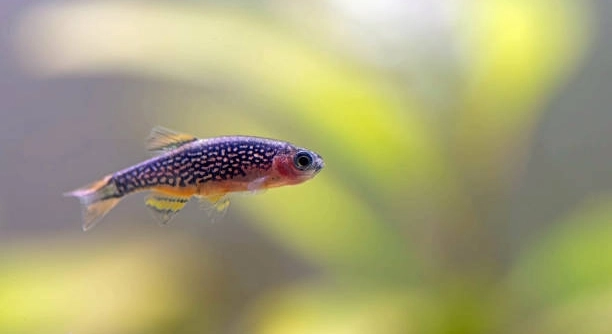
Are your new danios swimming nervously in their tank, unsure of their surroundings? Bringing them home introduces them to a completely new environment, and it can take time for them to feel comfortable and confident.
Danios typically take between one to two weeks to fully acclimate to a new aquarium. During this period, they gradually adjust to water conditions, establish a social hierarchy, and begin displaying normal swimming and feeding behaviors. Proper tank setup and minimal stress accelerate this process.
Observing their gradual adjustment helps ensure they remain healthy and stress-free in their new environment. Proper care during this period is essential for their wellbeing.
Preparing the Tank for Your Danios
Before bringing danios home, it’s important to set up their tank carefully. Start with a clean, cycled aquarium that has stable water parameters, including a temperature between 72°F and 78°F and a pH around 6.5 to 7.5. Add fine gravel or sand as substrate and include plants, rocks, and hiding spots to make the environment feel natural. Proper filtration is essential to maintain water quality and reduce stress. Avoid overcrowding the tank, as danios are active swimmers and need ample space. Introduce gentle lighting to mimic their natural conditions. Perform a partial water change before adding new fish to ensure fresh, oxygen-rich water. Monitoring water parameters during the first few days helps you spot issues early. Slowly acclimate your danios by floating the bag in the tank and gradually mixing tank water over 20–30 minutes. A calm introduction sets the stage for a smoother adjustment.
Maintaining steady water conditions is crucial for minimizing stress and helping danios settle quickly.
Gradually, your danios will begin exploring their new environment confidently. They start swimming in groups and interacting with the tank’s features. Observing them during feeding times helps you see when they feel secure enough to eat normally. Proper lighting and gentle water flow encourage activity without causing panic. Removing sudden disturbances, such as loud noises or sudden movements near the tank, reduces stress. By the end of the first week, most danios show signs of familiarizing themselves with hiding spots and preferred swimming paths. Consistency in feeding, water quality, and tank environment builds trust and helps them adapt fully.
Feeding and Settling In
Offering the right food supports both health and acclimation.
High-quality flake or micro-pellet food introduced in small amounts encourages normal eating patterns. Feeding two to three times daily prevents overfeeding and keeps water clean. Supplementing with occasional live or frozen foods helps provide variety and stimulates natural behaviors. Consistent feeding schedules give danios a sense of routine. During the first few days, some may hesitate to eat, which is normal. Ensuring food is readily accessible and observing which fish are slower to feed helps prevent dominance issues.
Stress-free feeding also reinforces the new environment as safe. Over time, your danios develop predictable behaviors, swimming in familiar paths and interacting calmly with tankmates. Gradually, they establish pecking order and social groups. Monitoring their appetite and energy levels indicates how well they have settled. If certain fish continue to hide or show erratic swimming, minor adjustments to water flow, lighting, or hiding spots may be necessary. By maintaining a stable environment and regular care, danios adapt more quickly, become active swimmers, and show vibrant colors. Observing these changes lets you understand each fish’s personality and ensures they thrive long-term.
Monitoring Behavior
Observing danios closely during the first week helps identify stress or illness early. Watch for signs like hiding, erratic swimming, or loss of appetite, which can indicate discomfort or adjustment issues in their new environment.
Paying attention to subtle changes in behavior ensures prompt action. Danios may initially swim in tight groups or near the tank bottom. Gradually, they explore more openly as they feel secure. Tracking feeding patterns, swimming habits, and interactions with tankmates allows you to notice which fish adapt faster. Some may remain cautious, preferring sheltered spots, while others actively investigate decorations and plants. Consistency in feeding times and minimal disturbances encourage confidence. Observing these behaviors helps you tailor care to each fish, supporting their health and acclimation process.
Consistent observation over the first two weeks reveals patterns. Danios become more confident, display natural curiosity, and develop social interactions. Adjustments in tank layout or hiding spots can further improve comfort. Monitoring keeps the environment stable and reduces stress, ensuring they thrive.
Water Quality Maintenance
Regular water testing ensures a safe and stable environment.
Maintaining water quality prevents stress and supports long-term health. Test for ammonia, nitrites, nitrates, pH, and temperature frequently. Small, regular water changes of 10–20% help maintain optimal conditions without shocking the fish. Using a reliable filter and avoiding overfeeding also keeps the tank clean.
Proper water management promotes consistent behavior and growth. Danios are sensitive to sudden fluctuations, so gradual adjustments are necessary. Removing uneaten food and debris prevents bacterial buildup. Tracking parameters daily, especially in the first month, allows early intervention. Stable conditions reduce disease risk and encourage active swimming. Maintaining a predictable routine in cleaning, feeding, and testing supports their natural rhythm and accelerates adaptation. Observing water clarity, plant health, and fish activity provides additional insight into overall tank stability and comfort.
Tank Companions
Choosing compatible tank mates reduces stress for danios. Avoid aggressive or slow-moving fish that may bully or compete with them. Peaceful, similarly sized species help danios feel secure and encourage natural swimming patterns.
Introducing new fish gradually allows danios to adjust. Quarantining newcomers and monitoring interactions ensures the group remains harmonious and reduces the risk of stress or injury.
Lighting and Environment
Consistent lighting helps danios regulate activity and feeding. Too bright or harsh lighting can cause hiding or erratic swimming, while dim lighting encourages calm exploration. A 10–12 hour light cycle mimics natural conditions and supports normal behavior. Properly positioned plants and decorations create safe spaces, reducing stress.
Health Monitoring
Regularly inspecting danios for signs of illness is crucial. Check for unusual spots, frayed fins, or sluggish behavior. Early detection ensures prompt care and prevents problems from spreading to other tank inhabitants.
FAQ
How long does it usually take for danios to feel comfortable in a new tank?
Most danios start adjusting within a few days, but full acclimation usually takes one to two weeks. During this period, they gradually explore the tank, begin eating regularly, and display normal swimming patterns. Each fish adapts at a slightly different pace depending on temperament and previous conditions.
What signs show that danios are settling in well?
Healthy signs include swimming confidently in open areas, eating consistently, and interacting with other tank mates. They should show curiosity toward decorations and plants and spend less time hiding. Bright coloration and steady movement are also strong indicators of comfort and adaptation.
Can stress affect their health during acclimation?
Yes, stress can weaken their immune system and make them more susceptible to illness. Signs of stress include rapid gill movement, hiding excessively, or erratic swimming. Maintaining stable water parameters, gentle lighting, and a calm environment helps reduce stress and supports overall health.
How often should water be tested during the first weeks?
Daily testing for ammonia, nitrites, nitrates, pH, and temperature is ideal during the initial two weeks. Small water changes of 10–20% help keep parameters stable without shocking the fish. Monitoring these conditions prevents health issues and encourages faster adjustment.
Is it necessary to quarantine new danios?
Quarantining new fish is recommended to prevent disease introduction. Keep them in a separate tank for at least a week while observing for signs of illness. This step protects existing tank mates and ensures new danios enter the main tank healthy and stress-free.
How should feeding be managed during acclimation?
Offer small, frequent meals of high-quality flakes or micro-pellets. Gradually introduce live or frozen foods to encourage natural behaviors. Avoid overfeeding, which can reduce water quality. Feeding at consistent times creates a routine and helps danios feel secure in their new environment.
Can tank decorations affect how quickly danios settle in?
Yes, decorations and plants provide hiding spots and reduce stress. Smooth rocks, live plants, and gentle water flow encourage exploration and confidence. Avoid overcrowding the tank, as this can increase stress and slow the acclimation process. Simple, secure arrangements work best.
What should be done if danios are hiding constantly?
Persistent hiding may indicate stress or discomfort. Check water parameters, lighting, and tank layout. Ensure they are not being bullied by tank mates. Gradual adjustments, gentle interaction, and a calm environment help them feel safe and begin exploring naturally.
How can I tell if a danio is sick or stressed?
Look for faded colors, clamped fins, irregular swimming, or loss of appetite. Rapid breathing or unusual spots on the body are also warning signs. Early detection allows prompt care and prevents problems from spreading to other fish.
Is lighting important for their adaptation?
Yes, a consistent 10–12 hour light cycle mimics natural conditions and regulates activity. Avoid harsh or direct lighting, which can cause hiding or erratic behavior. Proper lighting combined with a calm environment encourages confidence and helps danios settle faster.
Do danios require social interaction during the settling period?
Danios are schooling fish and feel more secure in groups. Observing them interact with tank mates supports natural behaviors and reduces stress. Avoid introducing aggressive species, which can hinder adaptation and cause prolonged hiding or aggression within the group.
How long should I monitor their behavior closely?
The first two weeks require careful observation of swimming patterns, feeding habits, and interactions. Tracking subtle changes ensures any stress or health issues are addressed early, helping them adjust fully and remain healthy.
What if some danios settle faster than others?
It is normal for individual fish to adjust at different rates. Give slower fish access to hiding spots and maintain consistent feeding. Over time, most will become confident swimmers, integrate into the group, and display normal behavior patterns.
Can changes in water temperature affect acclimation?
Sudden fluctuations can cause stress and slow settling. Maintain a stable temperature within the recommended range for danios. Gradual changes, if needed, prevent shock and allow them to adapt naturally to the tank environment.
How important is tank maintenance during acclimation?
Routine cleaning, partial water changes, and filter maintenance are crucial. A stable, clean environment reduces stress and supports health. Avoid complete water changes or excessive disturbance, as these can unsettle newly introduced danios and slow the settling process.
Are there ways to encourage shy danios to explore?
Gentle interaction, minimal disturbances, and consistent feeding routines help shy fish gain confidence. Providing hiding spots and space to explore at their own pace allows them to gradually come out and join the group.
Should I separate danios if they seem stressed?
Separation is usually unnecessary unless one fish is being harassed or shows signs of illness. Adjusting tank layout, providing more hiding spots, and ensuring stable water parameters typically resolves stress-related issues without isolation.
What is the ideal group size for danios in a new tank?
A minimum of five to six danios is recommended to encourage natural schooling behavior. Smaller groups may feel insecure, while larger groups help distribute social interactions, reducing dominance stress and supporting faster acclimation.
How do water changes affect the settling process?
Frequent, small water changes maintain quality without shocking fish. Sudden or large changes can stress them, slowing adaptation. Regular monitoring ensures parameters remain stable and promotes healthy behavior and consistent feeding.
Is it normal for danios to remain near the surface initially?
Yes, staying near the surface is common during the first few days. It allows them to adjust gradually while observing their surroundings. As confidence grows, they will explore all levels of the tank and show normal swimming behavior.
How can I support long-term health after acclimation?
Maintain stable water parameters, provide a balanced diet, and observe behavior regularly. Keeping the tank clean, avoiding overcrowding, and offering enrichment like plants and decorations ensures danios remain healthy and comfortable in their environment.
Bringing danios into a new tank is a process that requires patience and attention to detail. They are lively, active fish that need space, clean water, and a calm environment to feel secure. Setting up a proper tank from the beginning makes a significant difference in how quickly they settle. Stable water parameters, appropriate temperature, and a balanced pH help reduce stress during the first days. Including plants, rocks, and gentle decorations provides hiding spots that allow them to explore at their own pace. Even small details like a soft water flow and proper lighting can encourage them to swim more confidently. The first week is especially important, as it sets the stage for their overall health and comfort in the tank. Gradual acclimation, careful observation, and avoiding sudden changes allow them to adapt without unnecessary stress.
Observing danios closely during this adjustment period is essential. Their behavior provides clues about how well they are settling. Some may remain shy, hiding behind decorations or staying near the bottom, while others explore openly and swim with the group. Feeding patterns are another good indicator; consistent interest in food shows they are becoming comfortable in their new surroundings. Paying attention to minor changes in swimming style, color, or social interactions can help you address small issues before they become serious. Over time, these fish develop routines, establish a social hierarchy, and feel secure in the tank. Proper tank maintenance, including water changes and filtration, supports this process by keeping conditions stable. By providing a consistent environment and meeting their basic needs, danios are more likely to thrive and display their natural behaviors.
Patience and consistency are key to helping danios settle in successfully. It is normal for them to take one to two weeks to feel completely at home, and each fish adapts at its own pace. Avoid rushing the process or making sudden adjustments, as this can cause stress or illness. Supporting their health through a balanced diet, proper tank mates, and a well-maintained environment encourages natural activity and bright coloration. Observing their gradual adaptation not only helps maintain their wellbeing but also allows you to appreciate their unique personalities and behaviors. With careful care and attention, your danios will grow confident, active, and healthy, enjoying the tank you have prepared for them. Providing a stable environment, monitoring behavior, and maintaining water quality ensures a smooth transition and sets the foundation for long-term health. Over time, the tank becomes a safe, lively home where your danios can thrive.

Hello,
If you enjoy the content that we create, please consider saying a "Thank You!" by leaving a tip.
Every little bit helps us continue crafting quality advice that supports the health, happiness, and well-being of pets around the world, for pets of all shapes, sizes, and species.
We really appreciate the kindness and support that you show us!