
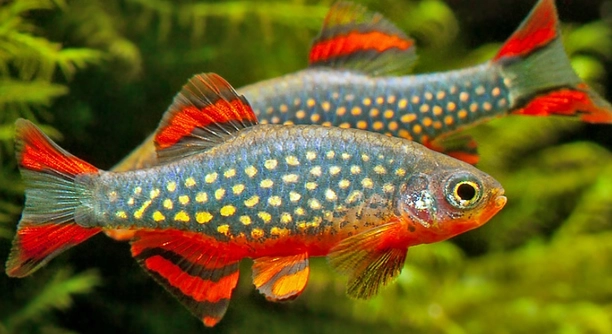
Have you ever noticed your Celestial Pearl Danios moving in tighter groups as they grow older? Many aquarists observe this behavior, finding it both fascinating and a little puzzling when their small fish begin schooling more closely.
Celestial Pearl Danios tend to school more with age due to social maturity and increased awareness of their environment. Older fish develop stronger group cohesion, which provides protection from perceived threats and promotes efficient foraging behavior in their habitat.
Observing these patterns can help you better understand your fish’s social needs and maintain a healthy, harmonious aquarium environment.
Early Social Behavior of Young Celestial Pearl Danios
Young Celestial Pearl Danios often display scattered swimming patterns. In their first weeks, they explore the tank independently, testing boundaries and reacting to environmental stimuli. At this stage, they are still developing instincts for schooling and rely on occasional interactions with tank mates. Their movements can appear random, but they are learning about space, shelter, and feeding spots. During this phase, it’s common to see them dart quickly or pause near plants and decorations. These behaviors are essential for building coordination and social skills. Observing young Danios can help you notice the subtle shifts in behavior as they age. Over time, they start recognizing each other, and small groups may begin forming during feeding or resting periods. These early social cues are a foundation for later schooling behavior. Tank setup, water quality, and consistent feeding influence how quickly these young fish become confident in group movements.
Early social behavior sets the stage for group dynamics in adulthood, influencing how fish interact and form cohesive schools.
As Danios mature, their awareness of tank mates increases. They start matching movements and swimming in synchronized patterns, which strengthens group cohesion. This coordination improves survival instincts and makes feeding more efficient. Observing this progression provides insight into their natural behaviors.
Environmental Factors Influencing Schooling
Tank size and layout directly affect schooling. A spacious tank with hiding spots encourages natural movement and reduces stress.
Water conditions, such as temperature, pH, and cleanliness, significantly impact Danios’ social interactions. Poor water quality can cause scattered swimming and disrupt normal schooling. Proper lighting and consistent feeding schedules also play a role in promoting healthy group behavior. Plants, rocks, and decorations create boundaries and pathways that allow fish to practice coordinated movement. Younger fish benefit from visual contact with older, more experienced Danios, which accelerates learning to swim in groups. Over time, Danios adapt to environmental cues, showing tighter, more synchronized schooling patterns. Observing these factors closely allows you to adjust the habitat, ensuring older fish maintain natural social structures. Environmental stability, along with the right number of tank mates, is crucial for the development and maintenance of schooling behavior in Celestial Pearl Danios, contributing to a healthier and more balanced aquarium community.
Nutrition and Its Impact on Schooling
A balanced diet helps Celestial Pearl Danios stay active and alert, which encourages schooling. High-quality flakes, micro pellets, and occasional live food provide energy needed for coordinated movement. Malnutrition can cause lethargy, leading fish to swim alone and disrupt group patterns.
Proper nutrition strengthens immune systems and supports brain development, which influences social behavior. Well-fed Danios are more likely to participate in synchronized swimming, react quickly to changes in the tank, and maintain group cohesion. Feeding at consistent times also helps fish anticipate movement and align with others during feeding sessions. Over time, their energy and alertness promote natural schooling instincts.
Inadequate or inconsistent feeding can create stress and tension among Danios. Fish may become territorial or isolated, which interrupts established groups. Ensuring variety and quality in their diet encourages participation in collective behaviors. Observation of feeding responses can reveal which individuals are struggling, allowing adjustments to maintain a healthy, socially active school.
Age-Related Changes in Schooling Patterns
Older Celestial Pearl Danios often swim in tighter, more organized groups than younger fish. This change is gradual and linked to maturity and social familiarity.
As Danios age, their coordination and response times improve. They begin to recognize the behavior patterns of other tank mates and adjust their movements accordingly. This results in more synchronized swimming, tighter formations, and fewer sudden dispersals. Experienced fish also play a role in guiding younger members, which strengthens group cohesion. Environmental familiarity enhances confidence, reducing stress and promoting consistent schooling. Social hierarchies become clearer with age, and dominant fish often set the pace or direction for the school, encouraging collective movement and cooperation.
Mature Danios are more aware of potential threats, even minor disturbances, and respond as a group. Their schooling behavior becomes an instinctive survival strategy, allowing them to navigate the tank efficiently, coordinate feeding, and avoid conflicts. Observing these changes highlights the importance of age, social experience, and environmental stability in fostering natural group behavior among Celestial Pearl Danios. Maintaining a balanced number of fish and ensuring a stable habitat supports these patterns, keeping the school active and healthy.
Group Size and Schooling
Larger groups of Celestial Pearl Danios tend to school more consistently than smaller groups. Fish feel safer when surrounded by multiple tank mates, which encourages synchronized movement and reduces stress. Smaller numbers often lead to scattered swimming and less coordination.
Keeping a sufficient number of Danios allows natural social behavior to develop. When groups are too small, individual fish may appear isolated or anxious. Maintaining at least six to eight fish promotes confidence, coordination, and tighter schooling, reflecting their natural tendencies in the wild.
Light and Activity Levels
Lighting and daily activity levels influence schooling behavior. Bright, stable lighting encourages movement, while dim or inconsistent lighting can make fish more cautious and reduce group coordination.
Observing Changes Over Time
Tracking schooling patterns over weeks shows clear differences as fish age. Older Danios generally swim in tighter, more organized formations, responding to tank stimuli with greater precision and consistency.
Tankmates and Social Interaction
The presence of compatible tankmates supports schooling. Aggressive or overly shy species can disrupt cohesion, making Danios swim separately or hide.
Why do Celestial Pearl Danios school more as they get older?
As Celestial Pearl Danios age, their social awareness and coordination improve. Younger fish are still learning the layout of the tank and the presence of other fish, so they may swim more independently. Older Danios recognize each other’s movements and can anticipate responses, which leads to tighter, more synchronized schooling. Social maturity, environmental familiarity, and instinctive behaviors all contribute to this change, making older fish appear more confident and cohesive in groups.
How many Danios should I keep together for proper schooling?
A minimum of six to eight Celestial Pearl Danios is recommended. Smaller groups often result in scattered swimming and stress, as fish feel less secure. Larger groups allow natural social hierarchies to form, promote coordinated swimming, and reduce anxiety. The group size directly influences how tight and consistent schooling patterns become over time. Adding more fish gradually can help establish cohesion without causing overcrowding.
Does tank size affect their schooling behavior?
Yes, tank size significantly influences schooling. A tank that is too small limits movement, causing stress and erratic swimming. A spacious tank with open areas and hiding spots allows Danios to swim freely, practice coordinated movement, and feel safe. Proper water flow and structured layouts encourage schooling by giving fish clear pathways to follow while interacting with each other.
Can diet influence how well Danios school?
Nutrition directly affects energy levels and alertness, which are critical for coordinated schooling. Well-fed fish are more active, responsive, and willing to swim together. A varied diet of high-quality flakes, micro pellets, and occasional live or frozen food supports their physical and cognitive development. Underfed or inconsistent feeding can make fish lethargic, reducing participation in group movements and disrupting established patterns.
Do lighting and daily routines matter for schooling?
Consistent lighting and predictable daily routines help maintain natural behaviors. Stable light cycles encourage activity, feeding responses, and synchronized movement. Sudden changes in lighting or irregular schedules can stress fish, causing them to scatter or hide. Providing a balanced day-night cycle supports both schooling and overall well-being.
How do tankmates affect schooling?
Tankmates play a large role in social cohesion. Aggressive or highly territorial species can disrupt schooling, causing Danios to break apart or hide. Compatible, peaceful fish allow Danios to swim naturally in groups without fear. Observing interactions and adjusting tankmates when needed ensures the school maintains tight coordination.
Is age the only factor that influences schooling?
Age is a primary factor, but it interacts with experience, environment, and group size. Older Danios have learned social cues and are more confident, but even mature fish can swim separately if the tank is too small, water conditions are poor, or they lack enough companions. Age combined with stable conditions produces the strongest schooling behavior.
How can I encourage tighter schooling in my aquarium?
Maintaining proper group size, high water quality, stable lighting, consistent feeding, and peaceful tankmates encourages cohesive schooling. Older fish naturally coordinate better, but supporting environmental factors enhances group synchronization. Providing open swimming areas, visual contact with other Danios, and minimal stressors also improves cohesion.
Will stress impact how Danios school?
Yes, stress can fragment the group. Poor water conditions, aggressive neighbors, sudden changes, or overcrowding make fish feel unsafe. Stressed Danios may hide, dart unpredictably, or swim alone. Reducing stress through careful tank management and observing behavior ensures the school remains coordinated and calm.
Can I notice schooling differences day by day?
Day-to-day changes are subtle, but consistent observation reveals patterns. Younger fish may appear scattered, while older fish gradually form tighter groups. Feeding times, lighting changes, or temporary disturbances can temporarily alter schooling, but over weeks, the progression toward more synchronized movement is clear.
Final Thoughts
Observing Celestial Pearl Danios as they age shows how natural behavior develops over time. Younger fish often explore independently, swim sporadically, and take time to recognize tank mates. As they grow, their awareness of others increases, and they begin to respond more consistently to movements in the group. This progression is part of their social development, and it demonstrates how instinct and experience work together. Watching this change can be very satisfying because it shows how fish adapt and interact in a controlled environment. It also emphasizes the importance of providing proper conditions from the start, including clean water, a suitable tank layout, and enough companions to encourage natural schooling behavior.
Proper care and attention to environmental factors make a noticeable difference in how these fish behave. Tank size, lighting, and hiding spots all influence comfort levels and willingness to swim together. Consistent feeding schedules and a balanced diet ensure fish remain active and alert, which further supports synchronized swimming. Group size also plays a key role; having too few fish can prevent natural schooling patterns from forming, while a well-sized group encourages cohesion and reduces stress. Observing the subtle signs of stress, like scattered swimming or hiding, allows adjustments to the environment that support healthier group behavior. Each of these factors works together, and attention to detail ensures that Danios can thrive and show their natural tendencies clearly.
Watching a mature school of Celestial Pearl Danios provides insight into how social behavior evolves. Older fish swim in tighter formations, respond quickly to minor disturbances, and follow the movements of their companions more accurately. Their behavior is not just instinctive but also influenced by experience, familiarity, and environmental stability. Creating a habitat that allows for this natural development improves the overall health of the fish and the harmony of the aquarium. It is rewarding to see a school move in coordination, reflecting both proper care and the natural tendencies of the species. Understanding these dynamics helps maintain an environment that supports the physical, mental, and social well-being of Celestial Pearl Danios, making them more active, confident, and connected within their groups.

Hello,
If you enjoy the content that we create, please consider saying a "Thank You!" by leaving a tip.
Every little bit helps us continue crafting quality advice that supports the health, happiness, and well-being of pets around the world, for pets of all shapes, sizes, and species.
We really appreciate the kindness and support that you show us!