
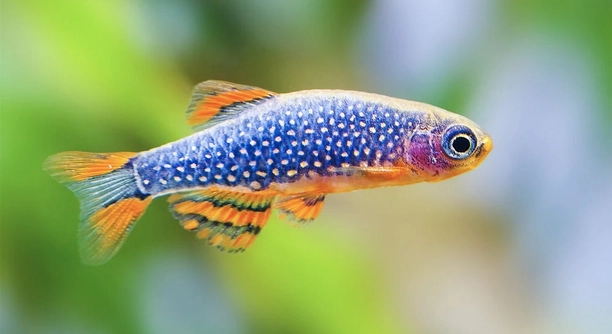
Celestial Pearl Danios are small, active fish that often explore every corner of their aquarium. Their playful nature sometimes leads them to peck at plants, creating minor disturbances in the carefully arranged aquatic environment.
Pecking at plants by Celestial Pearl Danios is usually linked to foraging behavior, curiosity, or searching for microfood. They are naturally inclined to nip at plant leaves to investigate textures or find edible particles, reflecting instinctive feeding patterns.
Observing these interactions can help aquarists better understand their fish’s habits and maintain a balanced, healthy aquarium ecosystem for these tiny swimmers.
Why Celestial Pearl Danios Peck at Plants
Celestial Pearl Danios often peck at plants as part of their natural behavior. They are small, curious fish that explore every corner of their aquarium. When they nibble on leaves, it is usually an attempt to find tiny bits of food, such as algae or microorganisms. The pecking can also be a way for them to interact with their environment, testing textures and spaces. Some plants are softer and more appealing to nibble, while others remain untouched. This behavior is not harmful if the plants are sturdy or if the aquarium has plenty of vegetation. Over time, observation can reveal patterns, showing which plants are most attractive to your fish and at what times of day they are most active. Adjusting plant placement and adding supplemental feeding can reduce excessive pecking and maintain a balanced tank ecosystem for these lively fish.
This pecking is mostly harmless and reflects normal behavior. Careful observation can guide plant placement and feeding adjustments.
Knowing why Danios interact with plants helps maintain healthy aquariums. It also allows you to anticipate potential stress on delicate plants and make changes to prevent damage while keeping the fish active and stimulated.
Feeding and Environment Adjustments
Providing a varied diet reduces plant pecking and keeps fish healthy. Proper nutrition satisfies their natural foraging instincts.
Ensuring a balanced environment with plenty of hiding spaces, dense vegetation, and floating plants can minimize destructive pecking. Supplementing with high-quality microfoods, frozen or live brine shrimp, and algae wafers satisfies their exploratory behavior. Overcrowded tanks or insufficient food often increase plant nibbling, so maintaining proper fish-to-tank ratios is important. Observation is key; adjusting feeding schedules and plant placement helps maintain harmony in the aquarium. Active Danios benefit from stimulation through plants, rocks, or small decorations, reducing repetitive nibbling. Careful management of these factors ensures plants remain healthy while fish stay engaged in natural behaviors. This combination of proper diet, thoughtful tank setup, and environmental enrichment creates a stable, vibrant habitat for Celestial Pearl Danios, allowing both plants and fish to thrive together over time.
Choosing Hardy Plants
Hardy plants can withstand occasional pecking without showing damage. Species like Java Fern, Anubias, and Cryptocoryne are strong and flexible, making them ideal for tanks with Celestial Pearl Danios. These plants continue to grow even with light nibbling.
Choosing plants with thicker leaves or stems reduces the risk of damage from nibbling. Danios tend to avoid tougher textures, allowing these plants to thrive. Planting a mix of soft and hardy species balances the aquarium, giving fish areas to explore while protecting delicate greenery. Regular pruning also encourages healthy growth and prevents overgrowth that could stress the fish.
Incorporating dense plant clusters or floating plants gives Danios natural hiding spots. This setup limits access to delicate plants, distributing pecking behavior more evenly. Rotating plant placement occasionally keeps the environment stimulating and helps fish maintain interest without harming any single plant.
Monitoring Fish Behavior
Observing fish behavior helps detect excessive plant pecking early. Watch for repetitive nibbling or signs of stress, which can indicate dietary or environmental issues.
Tracking feeding habits, activity levels, and interactions with plants provides insights into their needs. Adjustments in diet or tank setup can prevent over-pecking. Fish that nibble excessively may require more protein-rich food or additional hiding spots. Documenting patterns over days or weeks helps identify triggers for unwanted behaviors. Environmental changes like water quality, lighting, and plant placement influence behavior. A consistent routine reduces stress and ensures Danios engage naturally with their habitat.
Intervening promptly when patterns of destructive nibbling appear protects delicate plants. Minor changes, such as adding floating plants or rearranging decorations, can redirect their attention. Monitoring behavior also helps detect early signs of health problems, ensuring Danios remain active and vibrant. Consistent observation strengthens your ability to maintain a harmonious tank where both plants and fish thrive together, minimizing stress and plant damage.
Providing Supplemental Food
Supplemental food reduces plant pecking by satisfying natural foraging instincts. High-quality flakes, micro pellets, or frozen foods like daphnia and brine shrimp give Danios variety and nutrition.
Feeding small amounts multiple times a day prevents hunger-driven nibbling on plants. Proper portioning ensures they consume food quickly without fouling the water, keeping the tank clean and healthy.
Using Floating Plants
Floating plants create shade and additional surfaces for exploration. Danios nibble less on bottom plants when they have floating cover.
Maintaining Water Quality
Clean water supports healthy fish behavior and reduces stress-induced nibbling. Regular water changes, filter maintenance, and monitoring parameters help keep fish active and plants intact.
FAQ
Why do Celestial Pearl Danios nibble on certain plants more than others?
They prefer softer leaves and textures. Plants like Java Moss or smaller-leaved species attract nibbling because they are easier to explore and sometimes hold microalgae or microorganisms. Hardier plants with thick leaves are generally ignored. Observing which plants get pecked most helps in rearranging the tank effectively.
Is plant nibbling harmful to my Danios?
No, this behavior is natural. Nibbling allows them to explore and forage, which is part of their instinctive feeding habits. Unless it becomes excessive and damages all plants, there’s no health risk to the fish. Providing varied food and hiding spaces helps reduce over-nibbling.
How can I prevent damage to delicate plants?
Choose hardy species like Anubias, Cryptocoryne, or Java Fern. Using dense plant clusters or floating plants limits access to delicate leaves. Rotating plant placement occasionally keeps the environment interesting, encouraging fish to explore without focusing on a single plant.
Does diet influence pecking behavior?
Yes, a varied diet reduces plant nibbling. High-quality flakes, micro pellets, frozen or live foods like brine shrimp or daphnia provide protein and nutrients. Feeding small portions multiple times a day keeps them satisfied and prevents hunger-driven nibbling.
Do tank size and population affect pecking?
Overcrowded tanks or small environments increase stress and nibbling. Providing sufficient space and maintaining a proper fish-to-tank ratio lowers excessive pecking. A spacious, well-planted tank encourages natural exploration without harming plants.
Will Danios ever stop nibbling plants entirely?
No, some level of nibbling is natural. The goal is to manage and minimize damage. Combining hardy plants, supplemental feeding, and environmental enrichment reduces destructive behavior while keeping the fish active and healthy.
Are there specific times when Danios are more likely to nibble?
They are usually most active during the day when feeding or exploring. Evenings or dimly lit periods may see reduced activity. Observing patterns helps in scheduling feedings or adjusting plant placement to minimize plant stress.
Can plant damage indicate other problems?
Excessive nibbling can signal dietary deficiencies, stress, or poor water quality. Check parameters like ammonia, nitrite, nitrate, and pH. Adjust feeding routines and provide additional hiding spots to maintain both fish health and plant integrity.
Do all Danios behave the same way with plants?
Behavior varies among individuals. Some nibble lightly, others explore more aggressively. Monitoring each fish allows for targeted interventions, such as providing extra food or rearranging the tank to balance interaction with plants.
Is it necessary to replace damaged plants?
Only if they become unhealthy or hinder tank aesthetics. Hardy plants can recover with proper care. Regular pruning encourages growth, while damaged leaves can be removed to prevent decay and maintain water quality.
How can I encourage natural foraging without harming plants?
Use floating plants, dense clusters, and supplemental food. Feeding small amounts directly onto plants or near decorations gives fish foraging opportunities without stressing delicate species. This keeps them stimulated and reduces destructive nibbling.
Does water temperature influence nibbling behavior?
Yes, slightly higher temperatures increase activity levels, which can lead to more exploration and nibbling. Maintaining recommended temperature ranges for Celestial Pearl Danios ensures normal behavior without overstimulation or stress.
Can tank decorations help manage plant nibbling?
Yes, rocks, driftwood, and artificial structures provide additional surfaces for exploration. Fish distribute their activity across these objects, reducing repeated nibbling on the same plants and supporting a more balanced aquarium environment.
Are certain plant placements better than others?
Placing soft or delicate plants near the center with protective hardier plants around them minimizes direct nibbling. Floating plants above create shade and distraction, giving fish multiple areas to explore while reducing damage to sensitive species.
How long does it take for Danios to adjust to new plants?
Adjustment usually takes a few days to a week. Initially, they may nibble more out of curiosity, but activity stabilizes once they become familiar with textures and layout. Observation during this period is key to managing behavior effectively.
Can pecking behavior indicate health issues?
Unusual or excessive nibbling may suggest stress, illness, or nutritional deficiencies. Monitor water quality, diet, and activity levels. Healthy, well-fed fish with a stimulating environment usually display moderate, natural nibbling.
Is it necessary to remove all soft-leaved plants?
Not entirely. Soft plants can thrive if complemented by hardier species and environmental adjustments. Strategically placing delicate plants reduces damage while maintaining variety and visual appeal in the tank.
Do Danios need live plants, or are artificial ones acceptable?
Artificial plants are fine for reducing nibbling and maintaining aesthetics. However, live plants improve water quality and provide a more stimulating environment. Combining both types balances health benefits and reduces damage.
How does lighting affect plant nibbling?
Bright lighting encourages plant growth and may increase algae, which attracts nibbling. Moderate, consistent lighting supports plant health while keeping fish activity at manageable levels. Gradual adjustments prevent stress and over-pecking.
Is it normal for Danios to nibble during feeding?
Yes, they may explore plants while searching for food. This behavior is part of natural foraging. Feeding in multiple small sessions reduces hunger-driven nibbling, ensuring fish are satisfied without harming plants.
Can introducing more fish change nibbling habits?
Adding compatible fish spreads activity, reducing the focus on specific plants. Avoid overcrowding, as stress can increase destructive nibbling. Balanced populations help maintain a stable and healthy tank.
How often should I check plant health?
Weekly inspection helps catch early signs of damage or decay. Prompt removal of damaged leaves prevents rot and maintains water quality, supporting both plant and fish health.
Are certain Danio ages more prone to nibbling?
Younger, more curious Danios explore actively and may nibble more. Older fish are calmer, reducing plant interaction. Observing different life stages helps anticipate and manage plant damage.
Does the type of substrate affect nibbling behavior?
Fine substrates may encourage foraging, indirectly increasing plant nibbling. A balance of substrate types supports exploration while protecting roots and delicate plants, maintaining overall tank stability.
Can seasonal changes influence behavior?
Temperature and light variations can slightly alter activity. Danios may explore more in warmer, brighter periods, increasing nibbling. Consistent conditions stabilize behavior, keeping plant interaction predictable.
What should I do if a plant is severely damaged?
Remove the damaged plant to prevent decay, which affects water quality. Replace it with hardy species or relocate delicate plants to safer areas. Regular monitoring prevents repeated damage.
Are some tank companions better at reducing nibbling?
Peaceful species that share swimming areas without competing for plants work best. Aggressive or fast feeders can stress Danios, increasing nibbling. Careful selection maintains harmony and protects plants.
How do I know if nibbling is excessive?
Excessive nibbling damages most plants, leaving bare stems or holes. If most plants show consistent signs of stress, adjustments in feeding, plant selection, or tank layout are needed.
Can behavioral enrichment reduce plant nibbling?
Yes, adding decorations, floating plants, and varied surfaces encourages exploration elsewhere. Enrichment keeps fish engaged, reducing repetitive nibbling on soft plants and promoting natural activity.
Does water flow impact plant nibbling?
Moderate flow supports natural swimming and exploration. Stagnant areas may concentrate activity, leading to repeated nibbling on nearby plants. Adjusting flow distributes interaction evenly across the tank.
Is it better to remove fish from the tank temporarily to protect plants?
Temporary removal is rarely needed. Managing diet, plant selection, and environmental enrichment effectively reduces nibbling without disrupting the tank ecosystem. Observation and small adjustments are usually sufficient.
Can stress cause Danios to nibble more?
Yes, sudden changes, overcrowding, or poor water quality increase stress, often leading to excessive nibbling. Stabilizing the environment and providing hiding spaces reduces stress-induced behavior.
Do plants recover after nibbling?
Hardy plants generally recover if damage is minor. Regular pruning and stable water conditions promote regrowth. Soft plants may need replacement if damage is severe.
Is there a preferred feeding method to reduce nibbling?
Scatter feeding or placing food near decorations encourages natural foraging. Multiple small feedings prevent hunger-driven nibbling while keeping fish stimulated and plants safe.
How do I balance aesthetics with plant protection?
Use a mix of hardy and soft plants, floating vegetation, and decorative elements. Arrange plants to protect delicate species while maintaining visual appeal and supporting natural fish behavior.
Does tank lighting schedule affect plant nibbling?
Consistent lighting stabilizes plant growth and fish activity. Gradual changes prevent stress, reducing excessive nibbling and helping plants thrive alongside active Danios.
Can algae control reduce nibbling?
Yes, algae provide a natural food source. Controlling excess algae prevents fish from over-nibbling plants in search of food while keeping the tank clean and balanced.
Is it normal for Danios to nibble at plant roots?
Occasional root nibbling is natural but should be minimal. Persistent root damage may indicate a need for supplemental feeding, environmental adjustments, or additional hiding spaces.
How can I track nibbling behavior over time?
Maintain a log of feeding times, plant interaction, and activity levels. Patterns reveal triggers for nibbling and guide adjustments to diet, plant placement, and enrichment.
Does water hardness influence pecking behavior?
Moderate water hardness supports overall fish health. Extreme softness or hardness can stress fish, sometimes increasing exploratory nibbling. Maintaining recommended parameters stabilizes behavior and plant interaction.
Are there seasonal plant choices that reduce nibbling?
Using hardy species year-round ensures minimal damage. Soft seasonal plants can be rotated or protected with floating vegetation to maintain interest without encouraging excessive nibbling.
Can mixing plant sizes reduce damage?
Yes, combining tall, dense plants with small, delicate ones distributes activity. Danios explore multiple layers, reducing concentrated nibbling and promoting a balanced tank environment.
Do Danios prefer live plants over artificial ones?
Live plants attract nibbling due to texture and microfauna. Artificial plants provide safe alternatives while keeping the tank visually appealing and minimizing damage. Combining both types is often most effective.
Is temperature fluctuation a concern for plant nibbling?
Stable temperatures prevent stress and maintain predictable behavior. Fluctuations can increase activity and curiosity, leading to more nibbling. Regular monitoring ensures consistency for both plants and fish.
How does tank maintenance affect nibbling?
Regular cleaning, water changes, and debris removal reduce stress and maintain healthy plants. Neglected tanks often see increased nibbling as fish search for food in decaying matter or algae buildup.
Are there signs that nibbling is excessive due to diet?
If fish constantly target soft leaves despite supplemental feeding, diet may lack variety or nutrients. Increasing protein-rich foods and monitoring portions usually corrects this behavior.
Can seasonal feeding adjustments help?
Slightly increasing feeding during active growth periods or warmer months supports natural foraging needs. Balanced feeding reduces the incentive to nibble plants excessively.
Is there a recommended plant density to reduce nibbling?
Dense planting gives fish multiple areas to explore. It diffuses nibbling behavior and protects individual plants from repeated damage, promoting a healthier tank ecosystem.
How can I safely introduce new plants?
Rinse and inspect new plants for pests or algae. Place soft species near protective hardier plants to reduce immediate nibbling and allow acclimation over several days.
Does water flow direction affect nibbling patterns?
Adjusting flow creates movement in the tank, encouraging fish to explore different areas rather than focusing on a single plant. Proper flow helps distribute activity evenly.
Are Danios more likely to nibble in groups?
Yes, social interactions can lead to collective exploration and nibbling. Providing multiple plants and decorations disperses attention and reduces damage to individual species.
Can tank covers influence behavior?
Covers that reduce light or prevent jumping create a calmer environment. Danios feel secure, reducing stress-related nibbling and promoting normal plant interaction.
How often should supplemental food be rotated?
Rotating foods every few days introduces variety and prevents boredom. This keeps Danios interested in their diet, reducing the likelihood of pecking at plants.
Is it normal for only some Danios to nibble frequently?
Individual temperament varies. Some fish are naturally more curious or active. Observing behavior allows targeted adjustments in feeding and plant placement to protect sensitive species.
Can plant placement height affect nibbling?
Placing soft plants higher or among hardy plants limits constant access. Danios explore more evenly, reducing repeated nibbling and promoting a balanced tank layout.
Do water changes influence nibbling?
Clean water reduces stress and encourages natural behavior. Dirty water can increase exploratory nibbling as fish search for food or algae, potentially harming plants.
Is tank lighting color important?
Natural or neutral lighting supports healthy plant growth and normal fish activity. Harsh or unnatural lighting may stress fish and increase destructive nibbling.
Are certain plant textures more resistant?
Thick, leathery, or waxy leaves resist nibbling. Combining these with softer species protects delicate plants while keeping the tank visually appealing and stimulating for fish.
Can temperature changes during water changes affect behavior?
Sudden shifts can stress fish, temporarily increasing nibbling. Ensuring replacement water matches tank temperature prevents abrupt behavior changes and protects plants.
Do Danios nibble more in newly set up tanks?
Yes, initial curiosity leads to more nibbling. Once fish acclimate and explore the environment, pecking usually decreases. Observation during this phase helps protect sensitive plants.
Are there plant placements that encourage less nibbling?
Position soft plants near hardy or floating species. This creates natural barriers and distributes activity, reducing the focus on a single plant while keeping fish engaged.
How can I prevent algae from causing increased nibbling?
Regular cleaning, controlled lighting, and balanced feeding prevent excessive algae growth. This reduces incentive for fish to nibble plants in search of food, keeping both plants and water healthy.
Does tank decoration density matter?
Yes, adding rocks, driftwood, or ornaments provides surfaces for exploration. This diffuses nibbling across the tank, reducing pressure on any single plant.
Can observing fish during feeding reduce nibbling?
Yes, noting which fish target plants helps adjust feeding schedules, portion sizes, and placement, minimizing plant damage while supporting natural foraging.
Are all plant species equally appealing?
No, Danios prefer soft leaves with microfood presence. Dense, hard, or thick-leaved plants are less attractive, offering protection to delicate species.
Does plant positioning near filters affect nibbling?
Plants near strong currents may experience less nibbling as fish avoid high-flow areas. Adjusting placement balances activity across the tank.
Can supplemental feeding alone stop nibbling?
Not entirely, but it reduces excessive pecking. Combining diet, plant selection, and environmental enrichment is the most effective approach.
Is seasonal temperature adjustment necessary for behavior control?
Maintaining stable temperatures year-round minimizes stress and prevents behavior spikes that lead to plant nibbling.
How long does it take to see changes after adjustments?
Behavior usually stabilizes within days to a week. Continuous observation ensures interventions are effective and plants remain protected.
Are soft-leaved plants always at risk?
Soft plants are more vulnerable, but strategic placement and supplemental care protect them. Dense arrangements and floating plants reduce concentrated nibbling.
Do Danios nibble more when stressed?
Yes, stress from overcrowding, poor water quality, or sudden changes increases pecking. Reducing stress through stable conditions and enrichment minimizes damage.
Can trimming plants reduce nibbling?
Yes, removing damaged or overgrown leaves encourages healthy growth. This also prevents decay and reduces attraction for nibbling fish.
Does tank background affect behavior?
Neutral or natural backgrounds provide comfort, reducing stress-related nibbling. Bright or reflective backgrounds may increase curiosity and minor plant pecking.
Are there ways to make plants less appealing?
Hardy species, thick leaves, or placing delicate plants among protective vegetation reduces interest. Floating plants also divert attention and support natural behavior.
Does water chemistry impact nibbling?
Stable pH, hardness, and low toxins reduce stress. Poor chemistry increases curiosity and pecking on plants. Regular monitoring supports healthy fish and plant interaction.
Can introducing new food types reduce nibbling?
Yes, occasional addition of live or frozen foods stimulates natural foraging and reduces hunger-driven nibbling on plants.
How can I tell if nibbling is becoming a problem?
Consistent damage to multiple plants, holes in leaves, or bare stems indicates a need for adjustments in diet, placement, or enrichment.
Is plant variety important for managing nibbling?
Yes, mixing soft, medium, and hardy plants spreads activity. Danios explore multiple species, reducing focus on a single plant while maintaining aquarium aesthetics.
Does aquarium temperature influence daily activity patterns?
Moderate, stable temperatures support regular activity and nibbling patterns. Fluctuations may increase exploratory behavior, risking more plant damage.
Can water flow adjustments reduce nibbling?
Yes, moderate, distributed flow encourages swimming across the tank, reducing repeated nibbling in one area.
Do Danios prefer planted or bare areas?
They explore both, but dense vegetation provides comfort and protection, reducing stress-related nibbling while encouraging natural behavior.
How often should plant health be evaluated?
Weekly checks catch early damage. Removing decayed leaves prevents water quality issues and reduces plant attraction for nibbling fish.
Can frequent rearrangement reduce nibbling?
Occasional rearrangement stimulates exploration while reducing repeated nibbling on the same plants, keeping behavior balanced and plants healthier.
Are floating plants more effective than tall plants in preventing nibbling?
Floating plants shade lower plants and provide additional surfaces for exploration. They are effective but work best in combination with tall or dense plants for protection.
Does tank size influence plant nibbling behavior?
Larger tanks distribute activity and reduce repeated pecking. Small tanks concentrate behavior, increasing damage to soft plants. Proper stocking and layout are essential.
Is it normal for Danios to explore new plants immediately?
Yes, initial curiosity leads to nibbling. This usually decreases after a few days as fish become familiar with textures and placement.
Can substrate type affect nibbling?
Fine substrates encourage foraging but may increase incidental nibbling. Balanced substrate selection protects roots and supports healthy plant growth.
Does supplemental feeding reduce plant damage immediately?
It reduces hunger-driven nibbling, but plant exploration for texture and curiosity continues. Combining feeding with environmental enrichment is most effective.
Are certain tank mates helpful in reducing nibbling?
Peaceful species that share swimming areas without competing for plants prevent stress-related nibbling. Avoid aggressive or overly fast feeders.
Celestial Pearl Danios are small, active fish with natural curiosity that often leads them to interact with plants in the aquarium. Their nibbling behavior is usually harmless and reflects instinctive foraging and exploration. It is part of their normal activity and should not cause concern unless it becomes excessive. Observing their behavior closely helps identify patterns, such as which plants are targeted most and the times of day they are most active. Providing a variety of plant types, including hardy and soft species, can help distribute this behavior and reduce damage. Dense clusters, floating plants, and strategic placement of delicate plants create a safer environment while maintaining visual appeal and natural stimulation for the fish. These adjustments allow Danios to satisfy their instincts without harming the overall ecosystem in the tank.
Proper nutrition also plays an important role in managing pecking behavior. A balanced diet that includes high-quality flakes, micro pellets, and occasional live or frozen foods like brine shrimp or daphnia provides essential nutrients while satisfying foraging instincts. Feeding small portions multiple times a day prevents hunger-driven nibbling on plants and ensures the fish remain active and healthy. Observation of feeding habits is key; overfeeding can create water quality issues, while underfeeding may increase plant nibbling. Adjustments in feeding schedules, along with providing multiple areas for exploration, can reduce repetitive nibbling. Combining dietary management with environmental enrichment, such as rocks, driftwood, and decorations, creates a stimulating habitat that encourages natural behavior and prevents damage to delicate plants.
Maintaining a stable, well-planned aquarium is essential for both fish and plant health. Regular water changes, careful monitoring of parameters like pH, hardness, and temperature, and consistent maintenance routines reduce stress in Celestial Pearl Danios. Stress can lead to excessive pecking, so creating a balanced, predictable environment is important. Observing the fish, adjusting plant placement, and introducing new stimuli when needed help maintain harmony between fish and plants. While some plant nibbling is unavoidable, thoughtful planning, proper nutrition, and attentive care minimize damage and support a vibrant, thriving tank. Over time, these measures allow Danios to display natural, playful behaviors while preserving the health and appearance of the plants.

Hello,
If you enjoy the content that we create, please consider saying a "Thank You!" by leaving a tip.
Every little bit helps us continue crafting quality advice that supports the health, happiness, and well-being of pets around the world, for pets of all shapes, sizes, and species.
We really appreciate the kindness and support that you show us!