
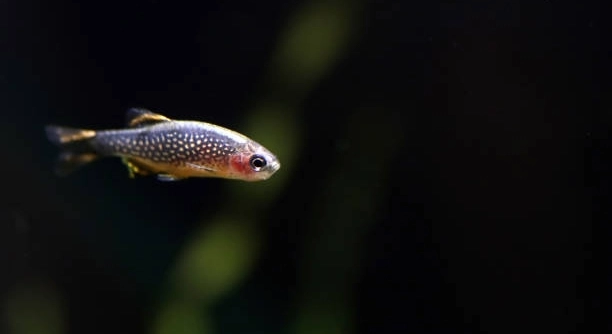
Do you ever find yourself excited to add new fish to your aquarium but worry about how they will adjust? Introducing danios seems simple, yet many aquarists make small mistakes that affect their health and behavior.
One of the most frequent errors when introducing danios is failing to acclimate them properly to the new environment. Sudden changes in temperature, water chemistry, or tank conditions can cause stress, reduce immunity, and even result in illness or death among the fish.
Understanding these common mistakes can make a significant difference in your fishkeeping experience. Paying attention to proper introduction methods ensures healthier, more active, and happier danios in your aquarium.
Skipping Proper Quarantine
Introducing new danios without quarantining them first can lead to serious health issues in your tank. Even if the fish appear healthy, they may carry parasites, bacteria, or viruses that could quickly spread to existing fish. A proper quarantine period allows you to monitor their behavior, check for signs of illness, and treat any problems before adding them to your main tank. Most experts recommend a two-week quarantine in a separate tank with stable water conditions. During this period, observe their eating habits, coloration, and swimming patterns. If any abnormalities appear, you can address them immediately without risking your established aquarium. Skipping this step may seem convenient, but it often results in higher stress levels for all the fish and can disrupt the balance of your tank. Taking the time to quarantine ensures a healthier and more stable introduction for your danios.
Quarantining may feel like extra work, but it prevents future illness and maintains a stable tank environment for all fish.
Proper quarantine not only protects your current fish but also gives you confidence that your new danios are ready for the main tank. It allows you to gradually acclimate them to the water parameters of their permanent home. Observing them closely during quarantine can reveal hidden issues like fin rot, ich, or unusual lethargy. Treating these problems in isolation avoids exposing your entire aquarium to infection. In addition, quarantining helps reduce stress, which is crucial for the long-term health of danios. Fish that are healthy and calm adapt more quickly and display natural behaviors when finally introduced. Setting up a small, separate tank with similar water conditions, gentle filtration, and appropriate hiding spots provides a secure environment. Feeding them high-quality food during this period supports immunity and strengthens their resilience. Overall, quarantine is a small step that offers long-lasting benefits, ensuring a safer, smoother introduction of danios into your home tank.
Overcrowding the Tank
Adding too many danios at once can overwhelm the tank. They need space to swim freely and establish a comfortable social structure.
Overcrowding can cause stress, increase aggression, and lead to poor water quality. Danios are active fish that thrive when they have room to move. Limiting the number of new fish at a time allows them to integrate more smoothly. Overcrowding also complicates feeding, as some fish may dominate food while others are left hungry. Maintaining proper stocking levels keeps the tank balanced and prevents sudden spikes in ammonia or nitrate. A gradual introduction of new danios gives each fish a chance to adjust to its surroundings. Observing behavior during this period helps ensure that dominant fish do not harass newcomers. Proper space encourages natural schooling behavior, reduces injuries, and promotes overall health. By planning introductions carefully, your tank remains harmonious, and danios are more likely to thrive in a stress-free environment.
Ignoring Water Parameters
Danios are sensitive to sudden changes in water conditions. Introducing them into water with different temperature, pH, or hardness levels can cause stress and illness. Maintaining stable conditions ensures a smoother adjustment and reduces the risk of shock.
Before adding new danios, test your tank water for temperature, pH, ammonia, nitrite, and nitrate levels. Sudden differences in these parameters can lead to weakened immunity, lethargy, or even death. Slowly acclimating the fish by mixing tank water into their transport water over several hours helps them adjust safely. Keeping water parameters consistent prevents unnecessary stress and allows the fish to thrive. Even minor fluctuations can have a significant impact, so monitoring regularly is essential for their long-term health.
Using a drip acclimation method or gradual water mixing reduces stress during the introduction process. It gives danios time to adapt to changes without compromising their immune system. This careful approach supports healthy behavior, encourages proper feeding, and minimizes the risk of disease outbreaks. Stability in water parameters also allows existing fish to maintain normal routines, preventing aggressive interactions caused by sudden changes. Overall, respecting water conditions ensures that both new and established fish remain healthy and active.
Overfeeding During Introduction
Adding too much food during the introduction period can harm danios and tank conditions. Excess food decomposes quickly, raising ammonia and nitrate levels.
New danios are often stressed and may not eat immediately. Overfeeding in this period leads to waste buildup and poor water quality. Feed small amounts and observe whether the fish are eating properly. Uneaten food should be removed promptly to prevent harmful bacteria growth. Feeding lightly ensures fish get nutrition without overloading the tank ecosystem. Maintaining a controlled feeding routine helps reduce stress, encourages natural foraging behavior, and prevents water quality issues during the critical acclimation phase.
Balanced feeding supports the immune system and strengthens danios’ resilience. Gradually increasing food portions as they adapt prevents digestive issues and reduces aggression around feeding time. Overfeeding can also disrupt established social hierarchies, causing dominant fish to chase or stress newcomers. Light, frequent feedings allow each fish to eat without competition and keep ammonia and nitrite levels low. Monitoring how the fish respond to food provides insight into their health and adaptation. Keeping feeding controlled protects both water quality and overall fish well-being, ensuring a smoother introduction process and a healthier tank environment.
Rushing the Introduction
Introducing danios too quickly can cause stress and conflict with existing fish. Gradually adding new fish helps them adapt and reduces the risk of aggression or injury.
A slow, step-by-step approach allows fish to become familiar with their surroundings. Immediate mixing often results in hiding, erratic swimming, or fights.
Neglecting Tank Hiding Spots
Danios need places to retreat when stressed. Lack of hiding spots increases tension and can lead to injuries or illness. Providing plants, decorations, and shelters gives them security and encourages natural behavior, helping the entire tank stay balanced and calm.
Mixing Incompatible Fish
Introducing danios to aggressive or much larger tankmates often leads to stress or harm. Selecting compatible species ensures a peaceful environment where danios can school safely, eat properly, and thrive without constant threat or intimidation.
Poor Observation After Introduction
Failing to monitor new danios closely after introduction may allow small issues to escalate. Early observation helps detect stress, illness, or aggression before serious problems occur.
What is the best way to acclimate new danios?
Acclimating danios slowly is essential to prevent stress and shock. The most effective method is drip acclimation, where tank water is slowly added to the transport container over one to two hours. This gradually adjusts the fish to temperature and water chemistry. Another approach is the floating bag method, which allows the bag to float in the tank for 15–30 minutes to equalize temperature before slowly mixing small amounts of tank water. Both methods reduce stress and give danios time to adjust safely. Patience during this process supports healthier behavior and minimizes the risk of illness.
How long should new danios be quarantined?
New danios should be quarantined for at least two weeks before adding them to the main tank. This period allows you to observe them for signs of disease, parasites, or unusual behavior without affecting existing fish. During quarantine, maintain stable water parameters, provide proper nutrition, and include hiding spots. Any issues detected can be treated safely in isolation. Quarantine also gives the fish time to recover from transport stress. Skipping this step may introduce infections to your main tank and cause unnecessary stress for all fish. A full two-week period is recommended to ensure readiness for introduction.
Can danios live with other types of fish?
Danios are generally peaceful and social, making them compatible with many other small, non-aggressive species. Suitable tankmates include tetras, guppies, and rasboras. Avoid housing danios with much larger, aggressive, or territorial fish, as this can lead to stress, injuries, or death. Always research the temperament and size of potential tankmates before adding them. Providing sufficient space, hiding spots, and open swimming areas helps maintain harmony. When introducing danios to a community tank, monitor interactions closely during the first few days to ensure compatibility and prevent unnecessary aggression or harassment.
How many danios should be kept together?
Danios are schooling fish and thrive in groups of at least six individuals. Keeping fewer than six may cause stress and lead to abnormal behavior, such as hiding or aggression. A larger group encourages natural schooling, reduces stress, and creates a lively tank environment. Space must be sufficient for swimming, and overcrowding should be avoided. Introduce new danios gradually to prevent conflict with established fish. Observing group behavior helps ensure all individuals are healthy and active. Maintaining proper group size promotes social stability, reduces stress, and encourages natural movement patterns in the tank.
What is the best diet for danios?
Danios are omnivores and benefit from a varied diet that includes high-quality flakes, pellets, and occasional live or frozen foods. Providing a mix of protein-rich foods, such as brine shrimp or bloodworms, along with plant-based options ensures balanced nutrition. Feeding small amounts two to three times daily prevents overfeeding and maintains water quality. Observe fish during feeding to ensure all individuals are eating properly. A diverse diet supports growth, immune function, and vibrant coloration. Consistent feeding habits also reduce stress and encourage natural foraging behaviors within the tank, contributing to overall health.
How can I prevent disease when introducing danios?
Preventing disease starts with quarantine and careful acclimation. Inspect new fish for visible signs of illness before introduction. Maintain clean tanks, stable water parameters, and appropriate temperature. Avoid overcrowding and remove uneaten food promptly. Using high-quality foods and minimizing stress also strengthens immunity. Observation during the first days is critical to detect early signs of illness. If problems appear, isolate affected fish and treat promptly. Consistent maintenance and careful introduction practices significantly reduce the risk of infections or parasites, keeping both new and established danios healthy and active.
How do I know if danios are stressed after introduction?
Signs of stress include hiding, erratic swimming, loss of appetite, fading coloration, and aggression from other fish. Danios may also cling to decorations or remain near the surface. Monitoring behavior daily during the first week helps identify stress early. Addressing water quality, temperature, and tank layout can reduce stress. Ensuring adequate hiding spots and space for swimming supports adaptation. Gradual introduction, proper acclimation, and attention to feeding routines improve comfort levels. Early intervention prevents illness, aggression, and long-term health problems, helping danios adjust successfully to their new environment.
How often should water parameters be checked after adding new danios?
Water parameters should be checked daily for the first week and then weekly once the fish settle in. Focus on ammonia, nitrite, nitrate, pH, and temperature. Sudden changes can stress new danios and affect existing fish. Promptly correcting imbalances prevents illness. Using a reliable test kit and keeping consistent maintenance routines helps maintain a healthy tank. Monitoring parameters also allows observation of the tank’s biological stability after new fish introduction. Adjustments in feeding, filtration, or water changes can be made as needed. Regular checks ensure both the health of the new danios and the overall stability of the aquarium ecosystem.
What are common mistakes to avoid during the first week?
Common mistakes include rushing acclimation, overfeeding, overcrowding, ignoring quarantine, and failing to provide hiding spots. These errors increase stress, reduce immunity, and can cause illness or aggression. Following gradual introduction steps, observing behavior, and maintaining proper water conditions prevent problems. Avoiding these mistakes ensures a smoother adjustment period and a healthier tank environment. Even minor oversights can have lasting impacts on fish behavior and health. Maintaining patience, monitoring water parameters, and allowing fish to settle naturally during the first week is essential for successful integration.
Introducing danios to a new tank requires careful attention to detail and patience. Many mistakes are easy to make but can have serious consequences for the health and well-being of your fish. Skipping quarantine, rushing acclimation, or ignoring water parameters may seem convenient in the moment, but these choices often lead to stress, illness, or conflict within the tank. Danios are active, social fish that thrive when their environment is stable and secure. Taking time to properly prepare the tank, monitor water quality, and provide adequate space ensures a smoother transition and helps the fish settle quickly. Observing their behavior during the first days is also critical, as it provides insight into how well they are adjusting. Signs of stress, such as hiding, erratic swimming, or poor appetite, should not be ignored. Early attention to these issues can prevent long-term problems and support the overall health of the aquarium.
Feeding and tank management are equally important during the introduction period. Overfeeding or neglecting proper nutrition can cause water quality issues and affect the immune system of the fish. Providing a balanced diet with high-quality flakes, pellets, and occasional live or frozen foods supports their growth and coloration while reducing stress. Maintaining proper feeding routines and removing uneaten food promptly also prevents spikes in ammonia and nitrate levels, which can be harmful to all fish in the tank. Space and hiding spots play a role in their comfort as well. Danios need room to swim and places to retreat when feeling stressed. Plants, decorations, and other shelters offer security and encourage natural behavior. A well-planned tank layout can reduce aggression, improve schooling behavior, and create a more peaceful environment for all inhabitants. These small steps make a significant difference in how well the fish adapt to their new surroundings.
The overall goal of introducing danios is to maintain a healthy, balanced tank where the fish can thrive. Paying attention to common mistakes and following proper procedures ensures that the fish experience minimal stress and remain active and healthy. Quarantine, gradual acclimation, careful observation, compatible tankmates, and controlled feeding are all critical steps in the process. While it may take extra time and effort, these practices provide long-term benefits, reducing the risk of illness and behavioral problems. Ultimately, a stable and well-managed aquarium allows danios to display natural behaviors, school together safely, and enjoy a healthy environment. With consistent care and attention, you can create a tank where new danios settle in comfortably and continue to grow strong, lively, and vibrant, providing a rewarding experience for both the fish and the aquarist.

Hello,
If you enjoy the content that we create, please consider saying a "Thank You!" by leaving a tip.
Every little bit helps us continue crafting quality advice that supports the health, happiness, and well-being of pets around the world, for pets of all shapes, sizes, and species.
We really appreciate the kindness and support that you show us!