
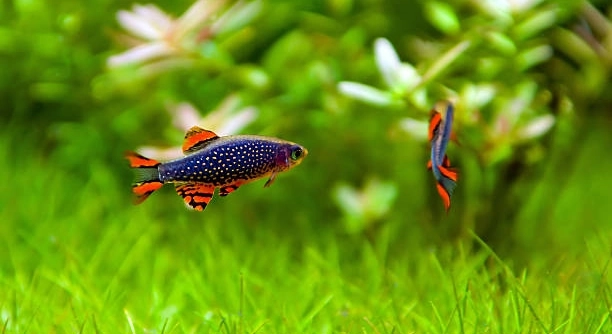
Have you ever noticed how your Celestial Pearl Danios swim in the tank and wondered if their behavior changes over time? These tiny fish are popular for their vibrant colors and peaceful nature, making them delightful companions. Observing them closely reveals subtle differences as they grow and develop in the aquarium environment.
Celestial Pearl Danios exhibit noticeable behavioral changes as they age. Juveniles are more timid and often hide, while adults display increased confidence, establish social hierarchies, and show more active swimming patterns and interaction with tank mates.
Understanding these changes can help you provide a better environment and care for your fish as they grow. Observing their behavior offers insights into their health and well-being.
Early Life and Juvenile Behavior
In their first few weeks, Celestial Pearl Danios are shy and spend much of their time hiding among plants and decorations. They tend to stay close to the bottom of the tank and move in small, tight groups for safety. At this stage, they are sensitive to sudden movements and changes in their environment, which can cause stress. Feeding is frequent but small, and they respond best to live or finely crushed foods. Observation at this stage is subtle, as their tiny size makes changes in behavior hard to notice. As they grow, they slowly begin exploring more open spaces and interact with other juveniles in short bursts. Their colors are not fully developed yet, so their movements and interactions are more important to watch. Tank setup with plenty of hiding spots helps them feel secure, reducing stress and promoting steady growth and development.
Juveniles are cautious, often hiding and swimming in small groups to feel secure.
Providing a calm environment and structured feeding schedule helps young Danios develop confidence and social skills over time. Watching them gradually explore the tank is rewarding, and it gives you insight into their early social patterns. These early interactions influence how they behave as adults, affecting hierarchy, play, and territorial behavior in later months. Consistent tank conditions and gentle handling encourage steady development, while abrupt changes can cause prolonged stress. Tank mates should be chosen carefully to prevent aggression, even at a young age, as their timid nature makes them vulnerable. Observing feeding patterns and reactions to stimuli helps monitor their health and ensures they are adapting well to the aquarium. Over time, their personality begins to show, providing subtle hints of how they will interact with other fish and the environment in the future. Careful attention at this stage sets the foundation for a healthy, confident adult Danio.
Adult Behavior and Social Patterns
Adult Celestial Pearl Danios are more confident and active swimmers, often occupying mid to upper areas of the tank and interacting with other fish.
As they mature, their social structure becomes more defined. Adults establish hierarchies through chasing, nipping, and subtle displays of dominance. Swimming patterns become more coordinated, and they often form small groups that remain stable over time. Males may display brighter colors during interactions or when competing for attention, signaling health and vitality. Feeding behavior also shifts; they are less hesitant and more competitive, actively searching for food rather than waiting. Adult Danios are generally peaceful but may show mild territoriality, particularly around favorite hiding spots or breeding areas. Environmental enrichment, such as plants, rocks, and open swimming areas, helps reduce stress and supports natural behavior. Observing these interactions can give insight into compatibility with other species and individual personalities, helping maintain a balanced tank environment. Proper care, monitoring, and thoughtful tank arrangement ensure adults remain healthy, active, and socially stable, reflecting natural behaviors in captivity.
Feeding Habits Over Time
Young Celestial Pearl Danios eat small, frequent meals and prefer finely crushed or live foods to support growth.
As they grow, their appetite increases and they become more confident during feeding. Juveniles may hesitate at first, but adults actively compete for food, swimming quickly to secure portions. Feeding should be balanced, with a mix of high-quality flakes, micro pellets, and occasional live or frozen options to provide proper nutrition. Overfeeding can lead to water quality issues and health problems, so portion control is essential. Observing their behavior during feeding helps monitor their health, activity levels, and social dynamics, as dominance can influence access to food. Ensuring all fish get adequate nutrition helps maintain energy, coloration, and overall well-being throughout their life stages.
Feeding shifts from cautious nibbling to active pursuit, showing their growth and confidence.
Providing variety and monitoring portions ensures adults remain healthy and active, preventing aggression or stress during meals. Watching their interactions also highlights social hierarchy, as some fish may dominate certain areas or food sources. Adjusting feeding routines to include multiple small servings reduces competition and ensures all fish get proper nutrition. Consistent feeding times help establish routine, while occasional live treats keep them stimulated. Proper nutrition contributes to vibrant colors, steady growth, and long-term health, making care manageable and predictable for their daily needs.
Tank Environment and Activity Levels
Tank size, decoration, and water quality directly impact Celestial Pearl Danios’ activity levels and behavior.
Adults are more active in larger tanks with open swimming areas and hiding spots. Plants, rocks, and driftwood provide security and reduce stress, encouraging natural exploration and social interaction. Water temperature, pH, and cleanliness influence energy and swimming patterns, while overcrowding or poor filtration can lead to reduced activity or aggression. Proper lighting also helps display colors and stimulates daily rhythms. Monitoring tank conditions and observing behavior ensures Danios remain lively and healthy.
Providing space and enrichment promotes confidence, reduces stress, and supports natural behavior.
A well-arranged tank encourages exploration, chasing, and schooling, which are essential for mental and physical health. Adults benefit from zones for swimming and hiding, as this allows them to interact safely and reduces conflict. Regular maintenance, consistent water parameters, and thoughtful decoration prevent stress-induced behavior changes. Healthy Danios are more energetic, show vibrant colors, and display natural patterns like schooling and gentle chasing. Ensuring a balanced environment also supports feeding behavior and reduces competition, contributing to overall well-being and longevity. A properly structured tank encourages predictable, stable social dynamics among adults, promoting harmony and active engagement.
Breeding Behavior
Adult Celestial Pearl Danios show distinct changes when ready to breed. Males become more colorful and display chasing behavior, while females develop fuller bodies.
Spawning usually occurs in densely planted areas. Eggs are scattered among plants, and adults may occasionally nibble on them. Providing fine-leaved plants or spawning mops increases success and protects the eggs.
Schooling and Social Interaction
Celestial Pearl Danios maintain strong social bonds, especially in groups of six or more. Adults are more confident in schools, swimming in coordinated patterns. Social structure develops over time, with subtle displays of dominance. Proper group size reduces stress, encourages natural behavior, and improves overall activity and well-being.
Environmental Stress Factors
Sudden changes in temperature, lighting, or water quality can lead to timid or erratic behavior. Maintaining stable conditions is essential to keep Danios active and healthy.
FAQ
How do Celestial Pearl Danios’ behavior change as they age?
Young Danios are shy, often hiding among plants and swimming in tight groups for safety. As they mature, they become more confident and active, exploring open spaces and interacting more with tank mates. Adults display stronger social hierarchies and more coordinated schooling behavior.
At what age do they become more social?
Most Danios start showing noticeable social behavior around 3–4 months of age. Juveniles gradually leave hiding spots and begin interacting with each other. By adulthood, their social interactions are more complex, including mild chasing, displays of dominance, and synchronized swimming patterns.
Do feeding habits change with age?
Yes. Juveniles nibble cautiously and prefer finely crushed or live foods, while adults actively compete for food and eat larger portions. Maintaining portion control and providing a mix of flakes, pellets, and occasional live food ensures proper nutrition and prevents aggression or stress.
How can tank setup affect behavior?
Tank size, decorations, and water quality directly influence activity and social patterns. Adults need open swimming areas and hiding spots. Plants, rocks, and driftwood provide security and encourage natural exploration. Overcrowding or poor filtration can reduce activity and trigger stress-related behavior.
Do they show territorial behavior?
While generally peaceful, adults may display mild territorial behavior, especially near favorite hiding spots or during breeding. Providing multiple hiding areas and open swimming zones helps reduce conflict and supports balanced social interactions. Juveniles are less territorial and rely more on group safety.
How does breeding impact behavior?
During breeding, males become more colorful and display chasing behavior. Females develop fuller bodies, and adults may become more active around spawning areas. Dense planting or spawning mops helps protect eggs and reduces stress. Non-breeding adults may maintain normal schooling but watch for heightened activity.
Can stress alter their behavior long-term?
Yes. Sudden changes in temperature, lighting, or water quality can lead to timid, erratic, or aggressive behavior. Chronic stress can affect appetite, activity, and coloration. Maintaining stable conditions and a predictable routine helps preserve natural behavior and overall health.
How do group sizes influence their behavior?
Danios thrive in schools of six or more. Small groups or isolated fish often appear shy and less active. Larger schools promote coordinated swimming, reduce stress, and support social development. Proper group size encourages natural hierarchy formation and more active, confident adults.
Do adults have favorite areas in the tank?
Yes. Adults often select zones for hiding, feeding, or breeding. Observing their preferred spots can help optimize tank layout, ensuring sufficient space for swimming while providing security and reducing territorial disputes.
How can I monitor behavior for health?
Watching swimming patterns, feeding habits, and social interactions provides insight into health. Sudden lethargy, hiding, or aggression may indicate water quality issues, illness, or stress. Regular observation helps catch problems early and ensures a stable environment for all fish.
What changes are permanent as they age?
Coloration, social hierarchy, and confidence tend to be lasting changes. Adults are generally more assertive and coordinated, with established roles in the school. While diet, environment, and health can influence behavior, many social and activity patterns are set by maturity and early development.
How do Danios respond to new tank mates?
Young fish may hide initially, while adults assess and establish boundaries through mild chasing or displays. Proper acclimation and sufficient space reduce stress. Observing early interactions helps identify compatible species and prevent long-term aggression.
Can behavior indicate readiness to breed?
Yes. Males display brighter colors and increased chasing, while females appear fuller-bodied. Observing these signs and providing appropriate planting or spawning areas supports successful reproduction without disrupting normal social patterns.
Do environmental enrichments impact activity?
Absolutely. Plants, rocks, and open swimming areas encourage exploration, schooling, and natural behaviors. Adults particularly benefit from varied terrain, which reduces stress, supports mental stimulation, and enhances both feeding and social activity.
How long does it take for behavior to stabilize?
Typically, Danios’ behavior stabilizes around 6–8 months of age, although social hierarchies continue to evolve. Providing consistent feeding, stable water conditions, and proper group sizes ensures healthy, predictable patterns. Observation during this time is key to supporting well-being.
Celestial Pearl Danios are small, vibrant fish that display noticeable behavioral changes as they grow. From shy juveniles hiding among plants to confident adults swimming actively in the tank, their development is gradual but clear. Observing them closely over time helps you understand their natural tendencies, feeding habits, and social interactions. Juveniles tend to form tight groups, often sticking close to the bottom or hiding among decorations. This cautious behavior is normal and helps them feel secure while they grow. Providing a calm and stable environment with plenty of plants and hiding spots encourages them to explore safely and gradually gain confidence. Watching their small interactions and gentle chasing provides insight into their early social structure and helps you monitor their health.
As Danios mature, their behavior becomes more complex and predictable. Adults display increased confidence, swimming in open areas and interacting with other fish in coordinated patterns. They establish subtle hierarchies through chasing, gentle nipping, and displays of dominance, particularly among males. Feeding behavior also evolves, with adults actively searching for food and competing in a more organized way. Tank setup plays a major role in shaping these behaviors. A larger tank with open swimming spaces and adequate hiding spots supports natural exploration and reduces stress, while plants and rocks provide security and comfort. Consistent water quality, temperature, and lighting are essential for maintaining activity levels and general well-being. Observing their preferences for specific areas in the tank or how they respond to changes can give you valuable information about their comfort and social balance.
Behavioral changes in Celestial Pearl Danios reflect their growth, environment, and social structure. Stable care routines, proper feeding, and thoughtful tank design are essential to supporting both their physical health and natural behavior. Understanding these patterns allows you to anticipate their needs and create a thriving habitat. Over time, you will notice how confident adults become, how they interact with one another, and how their personalities emerge. Paying attention to feeding habits, schooling behavior, and reactions to environmental changes ensures that their health remains optimal and stress is minimized. By observing these fish carefully, you gain a deeper appreciation for their subtle behaviors and the factors that influence them. The progression from timid juvenile to confident adult is gradual, but each stage is important for overall development and long-term well-being. A properly maintained tank encourages active swimming, natural social interactions, and healthy feeding habits, giving Celestial Pearl Danios the best chance to flourish.

Hello,
If you enjoy the content that we create, please consider saying a "Thank You!" by leaving a tip.
Every little bit helps us continue crafting quality advice that supports the health, happiness, and well-being of pets around the world, for pets of all shapes, sizes, and species.
We really appreciate the kindness and support that you show us!