
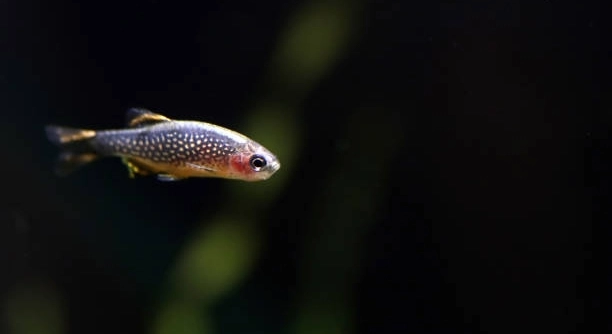
Are your danios thriving in a small tank, yet the water clarity seems to fade quickly? Maintaining a clean, healthy environment for these active fish can feel challenging without the right filtration system in place.
Choosing gentle filters for danio tanks requires consideration of water flow, size, and noise level. Filters that are too strong can stress these delicate fish, while properly sized, low-flow filters maintain optimal water quality without disturbing their natural behavior.
Selecting the right filtration method ensures your danios remain healthy and active, making tank maintenance simpler and more effective over time.
Sponge Filters for Danio Tanks
Sponge filters are a reliable choice for small to medium danio tanks. They provide gentle filtration by drawing water through a porous sponge, trapping debris while maintaining a calm flow. Air-driven sponge filters also add mild aeration, which helps oxygenate the water without creating strong currents. They are easy to clean and maintain, making them ideal for busy tank owners. Many danios appreciate the soft flow, as it allows them to swim freely without stress. Sponge filters are also safe for fry or smaller fish that might get sucked into stronger filters. Their quiet operation keeps the tank peaceful, which is helpful for those who enjoy observing their fish without constant noise. Overall, sponge filters balance effectiveness and gentleness, providing stable conditions that support healthy danio behavior and water quality consistently over time.
These filters are budget-friendly and simple to operate, making them accessible for both new and experienced aquarium keepers.
Maintenance involves rinsing the sponge in tank water periodically and ensuring the air pump functions efficiently. Consistent upkeep preserves filter efficiency and water quality. Sponge filters are also versatile, fitting into various tank sizes without taking up excessive space. Their gentle filtration ensures even delicate danios remain comfortable, promoting natural swimming patterns. By reducing debris and supporting beneficial bacteria growth, they create a stable environment that enhances the overall health of the tank ecosystem. Many aquarists choose sponge filters for their combination of simplicity, reliability, and fish-friendly design.
Hang-On-Back (HOB) Filters
HOB filters offer a compact solution that hangs on the tank edge while providing mechanical, chemical, and biological filtration. They are gentle enough for danios if flow rates are adjusted appropriately.
Adjusting the flow output on HOB filters ensures the water moves steadily without overwhelming the fish. These filters often include replaceable cartridges for easy maintenance. Placement is simple, and they do not occupy internal tank space, leaving room for swimming and decorations. Many HOB models come with quiet motors, reducing stress for sensitive fish.
HOB filters can support slightly larger danio tanks, providing thorough water turnover and stable chemical balance. It is important to check the filter regularly, removing debris and rinsing media to maintain performance. These filters also help establish beneficial bacteria, promoting biological filtration that keeps ammonia and nitrite levels low. By choosing a model with adjustable flow, aquarists can cater to the needs of smaller, delicate fish while still benefiting from robust filtration. The convenience of easy access and replaceable media makes HOB filters practical for consistent maintenance and tank health, offering both efficiency and control over the aquatic environment.
Internal Power Filters
Internal power filters sit inside the tank and provide both mechanical and biological filtration. They can be adjusted to produce a gentle flow, which makes them suitable for active but small danios. Regular maintenance keeps them efficient and prevents debris buildup.
These filters combine a pump and filter media in one unit, allowing for compact placement. The flow rate can often be controlled with a dial or nozzle, which is helpful for creating a calm swimming environment. Internal filters are effective in circulating water throughout the tank, reducing stagnant areas where waste could accumulate. They are easy to clean by removing and rinsing the media in tank water. Proper use supports a stable nitrogen cycle, which is essential for maintaining water quality. Internal filters also help keep the water clear, promoting healthy gill function and reducing stress for danios. Their unobtrusive design ensures the tank remains visually appealing while still providing efficient filtration.
Many aquarists appreciate internal power filters for their versatility. They can fit smaller tanks without occupying much space and provide consistent, gentle water movement. By combining mechanical and biological filtration, they maintain water clarity and stability while supporting fish health. Regular checks on media condition and pump operation ensure long-term efficiency. Adjusting the flow prevents strong currents that could stress delicate fish. Internal filters are particularly helpful in tanks with live plants, as they minimize disruption of leaves and prevent uprooting. Overall, they offer a balanced solution for maintaining a clean, comfortable environment for danios while remaining low-maintenance.
Canister Filters
Canister filters are placed outside the tank and use tubes to circulate water through various media types. They provide strong, thorough filtration without disturbing the tank’s surface, making them suitable for larger danio setups.
These filters allow customization of media layers to address mechanical, chemical, and biological needs. Flow can be regulated with valves, ensuring gentle movement that won’t stress the fish. Canisters handle larger volumes of water efficiently, keeping the tank consistently clean.
Maintenance involves disassembling the unit periodically, rinsing media, and replacing worn components. Canister filters reduce the need for frequent cleaning inside the tank. Their powerful circulation prevents dead spots where debris could settle, supporting oxygenation and stable water parameters. By separating the filter from the tank, they minimize noise and clutter inside the aquarium, preserving aesthetic appeal. Adjustable flow rates and media configurations make them adaptable for different tank sizes and fish densities. Overall, canister filters are an effective, long-term investment for maintaining clean, healthy water in danio tanks while keeping fish stress levels low.
Corner Filters
Corner filters fit neatly into tank corners, providing gentle water circulation without taking up much space. They are ideal for small danio tanks and offer basic mechanical and biological filtration, keeping the water clean and stable.
These filters are easy to maintain. Cleaning the sponge or media regularly ensures continued efficiency. Their compact design allows more room for swimming and decorations, and they operate quietly, reducing stress on the fish.
Air-Driven Filters
Air-driven filters rely on an air pump to move water through sponge or bio-media. They are gentle on danios while providing effective mechanical and biological filtration. Properly adjusted, they create a calm environment that supports healthy swimming patterns and oxygenation in small tanks.
Submersible Filters
Submersible filters sit fully inside the tank and combine pumping action with filtration media. They provide steady water flow while keeping the tank clear and promoting a stable nitrogen cycle. These filters are easy to place and maintain, making them suitable for various tank setups.
FAQ
What filter type is best for a small danio tank?
For small danio tanks, sponge filters and corner filters are usually the most suitable. They provide gentle water flow, effective mechanical and biological filtration, and minimal disturbance. These filters also allow easy cleaning and maintenance, making them ideal for tanks under 20 gallons. Small air-driven filters are also a good option, as they add mild aeration while maintaining a calm environment. Internal power filters with adjustable flow can work as well, giving slightly more flexibility for circulation without stressing the fish.
How often should I clean a sponge or air-driven filter?
Sponge and air-driven filters should be cleaned approximately every two to four weeks. Cleaning involves rinsing the sponge or media in tank water to remove accumulated debris. Avoid using tap water, as chlorine can kill beneficial bacteria. Regular maintenance ensures the filter continues to support a stable nitrogen cycle and clear water. Over-cleaning can remove too many beneficial bacteria, so balance is key. Rinsing gently preserves the bacterial colonies that help break down ammonia and nitrites efficiently, maintaining a healthy environment for danios.
Are HOB filters too strong for danios?
Not necessarily. Hang-On-Back filters can be used safely if the flow is adjustable. Many models allow you to reduce the output, creating gentle circulation suitable for active danios. Without adjustment, strong currents may stress the fish and disrupt swimming patterns. Placing decorations or plants near the outlet can also help diffuse the flow. HOB filters provide the added benefit of chemical filtration, removing impurities while maintaining clarity. They are particularly useful for medium-sized tanks where moderate water turnover is needed without overwhelming the inhabitants.
Can canister filters harm small danios?
Canister filters themselves are safe, but strong outflow can create excessive current if not controlled. Most canisters have valves to adjust flow rate, ensuring water movement remains gentle. They offer thorough filtration and chemical media options, which are useful for larger tanks. Placing the intake away from slow-moving areas can prevent small fish from getting sucked in. Overall, canister filters are excellent for maintaining water quality over time, supporting biological stability, and reducing tank maintenance frequency while keeping danios safe and comfortable.
Is an internal power filter suitable for tanks with live plants?
Yes, internal power filters can work well in planted tanks. Their adjustable flow minimizes disruption to leaves and delicate plants. Proper placement prevents uprooting, and the gentle current helps circulate nutrients and oxygen. Routine maintenance of the filter ensures debris is removed without disturbing plant roots. These filters balance water clarity, biological filtration, and tank aesthetics effectively. For planted danio tanks, an internal filter supports healthy fish and plant growth while keeping maintenance simple and predictable.
Do danios need aeration if using a sponge filter?
Sponge filters provide mild aeration naturally as air bubbles move through the sponge. For small to medium tanks, this is usually sufficient. If water surface agitation is low, adding a small air stone or adjusting the sponge filter’s air pump can improve oxygenation. Proper circulation from the filter also ensures oxygen reaches all areas of the tank, supporting active danios without stress. Excessive aeration isn’t necessary, as it can increase surface disturbance and stress the fish, so keeping it moderate is best.
How do I know when a filter needs replacement?
Filter media should be replaced when it becomes worn, clogged, or ineffective at maintaining clear water. Sponges that break apart, cartridges that are overly dirty, or bio-media that lose their porous structure need attention. Regular monitoring of water clarity, flow rate, and fish behavior provides good indicators. If water flow drops or ammonia levels rise, it may signal the filter needs cleaning or replacement. Consistent checks prevent water quality issues and keep danios healthy, reducing the chance of stress-related problems or disease.
Can multiple filter types be used together in a danio tank?
Yes, combining filters is possible. For example, a sponge filter can provide gentle biological filtration, while a HOB or internal power filter adds mechanical and chemical filtration. This combination supports stable water parameters, especially in larger tanks or tanks with heavier feeding schedules. Using multiple filters allows flexibility in flow rates, improved oxygenation, and more consistent water quality. Care should be taken to avoid creating strong currents, ensuring the setup remains comfortable for danios while maximizing filtration efficiency.
Are corner filters noisy?
Most corner filters operate quietly, producing only a gentle bubbling or low hum. Proper placement and air pump adjustment reduce noise further. Unlike larger power filters, corner filters are designed for low disturbance, making them suitable for bedrooms, offices, or quiet living areas. Regular maintenance prevents blockages that can increase noise. Their compact size and quiet operation make them convenient for small tanks, maintaining a calm environment for danios while still effectively filtering water.
Can I leave my filter running during water changes?
Yes, filters should remain running during water changes. They continue to maintain biological filtration, preventing sudden ammonia or nitrite spikes. Temporary removal of some media for rinsing is fine, but the filter itself should keep circulating water. Maintaining consistent filtration ensures the tank environment remains stable, minimizing stress on danios during routine maintenance.
Choosing the right filter for a danio tank is an important step in keeping the fish healthy and active. Gentle filtration is key because danios are small, active swimmers, and strong currents can stress them or make swimming difficult. Options like sponge filters, air-driven filters, and corner filters provide a calm flow while still maintaining clear water and a balanced tank environment. Internal power filters and HOB filters with adjustable flow can also work well if carefully managed, giving aquarists flexibility in tank setup. Canister filters are useful for larger tanks, providing thorough filtration while keeping the tank uncluttered. Selecting the right filter depends on tank size, number of fish, and whether live plants or other tank features are present. Ensuring gentle water movement while maintaining efficiency should always guide the choice.
Maintenance is another crucial factor when considering filtration for danio tanks. All filter types require regular upkeep to remain effective, though the level of effort varies. Sponge filters and air-driven filters are easy to rinse and maintain without disturbing the beneficial bacteria that support the nitrogen cycle. HOB and internal filters need occasional cleaning of media and checking that flow rates are functioning properly. Canister filters require more thorough maintenance but offer longer intervals between cleaning while still supporting high water quality. Ignoring maintenance can result in clogged filters, poor circulation, and declining water conditions, which can stress or harm the fish. Keeping a consistent schedule for cleaning and media replacement ensures filters continue to perform well, supporting a healthy and stable environment for danios over time.
Ultimately, using a gentle filter tailored to the needs of the tank and the fish creates a balanced environment that supports long-term health and well-being. Proper selection, placement, and regular maintenance prevent stress, reduce the risk of disease, and encourage natural swimming behaviors. Each filter type has its advantages, and the choice often comes down to tank size, personal preference, and maintenance convenience. By paying attention to flow strength, media type, and cleaning routines, aquarists can create a comfortable space where danios thrive. A well-maintained filter not only keeps water clear but also contributes to a peaceful and stable aquarium atmosphere, making fishkeeping simpler and more enjoyable. A thoughtful approach to filtration ensures the tank remains clean, healthy, and visually appealing while supporting the daily activity and vitality of the danios inside.

Hello,
If you enjoy the content that we create, please consider saying a "Thank You!" by leaving a tip.
Every little bit helps us continue crafting quality advice that supports the health, happiness, and well-being of pets around the world, for pets of all shapes, sizes, and species.
We really appreciate the kindness and support that you show us!