
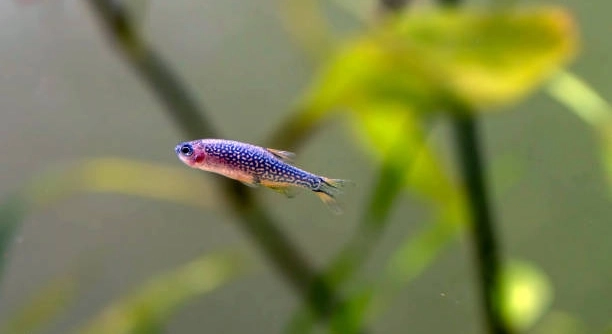
Are your Celestial Pearl Danios thriving in a small aquarium, or do you notice subtle changes in their behavior when their environment shifts? These tiny fish are lively, delicate, and respond quickly to changes around them.
Celestial Pearl Danios are sensitive to many medications, especially those containing strong chemicals or high concentrations of active ingredients. Careful dosing and monitoring are essential, as even minor errors can stress or harm these small, delicate fish.
Understanding how medications interact with their system can help protect their health and ensure a balanced environment for long-term well-being.
Understanding Medication Sensitivity in Celestial Pearl Danios
Celestial Pearl Danios are small and delicate fish, which makes them particularly sensitive to medications. Even slight changes in water chemistry or the introduction of certain chemicals can stress them. When using treatments, it’s essential to measure doses carefully. Many aquarium medications are designed for larger or hardier species, so what seems like a mild dose for other fish can be strong for these danios. Observing behavior is important; sudden lethargy, loss of appetite, or erratic swimming can indicate stress or an adverse reaction. Temperature and pH levels can also affect how medications impact these fish. Medications that are safe in neutral water may become harmful if the water is slightly acidic or alkaline. Using a quarantine tank for treatment is often safer, allowing close monitoring without affecting the main aquarium. Slow acclimation to medicated water can also reduce shock.
Even minor overdoses can harm Celestial Pearl Danios, so precision and patience are key when treating them.
Proper understanding of their sensitivity ensures safer treatment practices. By carefully adjusting doses, monitoring reactions, and considering water conditions, you can maintain their health and avoid unnecessary stress. Using a separate treatment tank allows observation without disturbing the main aquarium. Temperature and pH levels should be consistent before adding medications, as fluctuations may intensify reactions. Treatments should be gradual; sudden changes can worsen stress. Choosing milder medications or those specifically labeled for small, delicate fish helps protect their well-being. Observing them multiple times daily can catch early signs of distress, allowing immediate action. Simple adjustments, such as partial water changes or reducing light exposure, can make a big difference. With careful planning, Celestial Pearl Danios can recover effectively while maintaining a stable environment, minimizing risks during treatment and supporting long-term health.
Safe Practices for Treating Small Fish
Monitoring water quality regularly ensures the medication does not disrupt essential conditions for Celestial Pearl Danios.
When treating these delicate fish, always read the instructions carefully and consider alternatives. Avoid using strong chemicals or treatments meant for larger species. Gradually introduce medication to prevent shock, and consider a small quarantine tank for monitoring. Keep environmental conditions stable, including temperature, pH, and oxygen levels. Remove any stressors from the tank, such as aggressive tankmates or sudden light changes. Partial water changes can help maintain water quality during treatment. Feed lightly to avoid overloading the system. Observe their behavior closely for signs of stress or adverse reactions. Some medications can affect filtration systems, so double-check compatibility. Using milder doses over longer periods is safer than strong doses quickly. Recovery periods are important; once treatment is finished, continue monitoring for lingering effects. Over time, consistent care and attention help these fish remain healthy while ensuring treatments do not create unnecessary risk.
Common Medications and Their Effects
Some medications, like antifungals and antibiotics, can be too strong for Celestial Pearl Danios. Even small doses may cause stress, making them more vulnerable to disease. Observation and careful dosing are necessary when treating these fish in any aquarium setting.
Antibiotics are often used to treat bacterial infections, but they can disrupt the natural balance of the tank. Celestial Pearl Danios may become lethargic or stop eating if the dose is too high. Antifungal treatments can irritate their delicate skin and fins, leading to further complications. Medications meant for larger species can quickly overwhelm these tiny fish, so reducing dosage and monitoring closely is essential. Using a separate tank for treatment allows careful observation and prevents unnecessary exposure to the main aquarium. Adjusting water parameters and maintaining stable conditions during medication use reduces stress and improves recovery chances.
Some over-the-counter treatments may be labeled safe for small fish, but individual reactions vary. Even mild products can cause changes in behavior or appetite. Monitoring water quality and fish health during treatment is critical. Small adjustments, like lowering dosage or shortening exposure time, can make a significant difference in their survival and comfort.
Signs Your Danios Are Reacting Poorly
Stress in Celestial Pearl Danios can show as rapid gill movement, erratic swimming, or hiding excessively. These behaviors indicate the medication may be too strong or the water conditions are off.
Behavioral changes often appear before physical symptoms. Fish may stop eating, cling to surfaces, or swim unusually close to the surface or bottom. Fins may appear clamped, and coloration can fade, signaling discomfort. Stress reduces their immune response, making them susceptible to infections. Water testing is important to ensure pH, temperature, and ammonia levels remain stable during treatment. Quick identification of stress signs allows for immediate intervention, like partial water changes, lowering light intensity, or pausing medication. Using a quarantine tank helps isolate the fish and monitor reactions without affecting others.
Preventing adverse reactions is better than treating them. Always start with the mildest effective medication, ensure proper dosage, and maintain stable tank conditions. Observation several times daily helps detect early issues. A gentle approach, including gradual introduction of treatments, consistent feeding, and minimizing environmental changes, supports their health. Immediate adjustments in water quality or reducing treatment concentration can prevent serious stress. Keeping detailed notes on reactions to different medications provides valuable guidance for future treatments. Regularly maintaining the tank, monitoring parameters, and avoiding abrupt changes all contribute to safer care for Celestial Pearl Danios during medication use.
Tips for Reducing Stress During Treatment
Maintaining stable water temperature and pH is essential. Sudden changes can increase stress, making medications more harmful. Gentle handling and minimal disturbance help keep Celestial Pearl Danios calm during treatment.
Providing hiding spots or plants in the tank can reduce visible stress. Avoid overcrowding, and monitor behavior closely to ensure they are coping with the medication effectively.
Adjusting Dosages Carefully
Start with the lowest effective dose when treating Celestial Pearl Danios. Gradually increase only if necessary, while observing their reactions. Overdosing can cause severe stress or even mortality, so caution is vital.
Tracking their response every few hours allows you to see subtle signs of discomfort. Partial water changes can help dilute medication if adverse reactions occur. Using a quarantine tank for testing new treatments before adding them to the main aquarium can prevent harm. Always measure doses precisely, and avoid guessing, as even small errors may have serious effects.
Quarantine Tank Benefits
A separate quarantine tank reduces risk to other fish. It allows close monitoring and safer medication use without stressing the main aquarium population.
When to Pause Treatment
If fish show extreme stress, clamped fins, or loss of appetite, pause the medication immediately to prevent serious harm.
FAQ
Are Celestial Pearl Danios more sensitive than other small fish?
Yes, they are generally more sensitive due to their small size and delicate physiology. Medications that are safe for slightly larger species can cause stress or harm these danios. Close monitoring of behavior and water conditions during treatment is essential to avoid complications.
Can I use standard aquarium medications safely?
Some medications are safe if used at reduced doses, but many over-the-counter treatments are designed for larger or hardier fish. Always read labels carefully and adjust doses for small species. A quarantine tank is helpful for testing new treatments before applying them to the main aquarium.
How do I know if the medication is stressing my fish?
Look for changes in behavior, such as lethargy, loss of appetite, clamped fins, or unusual swimming patterns. Faded colors or hiding more often can also indicate stress. Observing these signs early allows immediate intervention, like partial water changes or adjusting dosage.
Is it safe to treat the entire tank at once?
Treating the main aquarium can stress all fish, especially small, delicate species like Celestial Pearl Danios. Using a quarantine tank is safer, allowing controlled exposure to medication and close monitoring of reactions. This reduces the risk of harm to the entire population.
How should I adjust water conditions during treatment?
Maintain stable temperature, pH, and oxygen levels. Sudden changes can intensify stress and make medications more harmful. Regular testing is important, and partial water changes can help keep conditions stable without removing the medication entirely.
What is the best way to feed my danios during treatment?
Feed lightly to avoid overloading the tank with waste, which can affect water quality. Small amounts several times a day are better than one large feeding. Monitor whether the fish are eating; loss of appetite may indicate stress or side effects from the medication.
Can I use multiple medications at the same time?
Combining medications increases the risk of stress or chemical reactions. Use only one treatment at a time whenever possible. If multiple medications are necessary, research interactions and adjust doses carefully, ideally in a separate quarantine tank.
How long should I continue medication treatment?
Follow the manufacturer’s guidelines or your veterinarian’s recommendations closely. Over-treating can be as harmful as under-treating. Stop immediately if fish show signs of extreme stress, and consider pausing or adjusting the dosage until they recover.
What if my danios don’t respond to treatment?
If there is no improvement, re-evaluate the diagnosis, water conditions, and dosage. Consult a professional for guidance before continuing. Sometimes the issue may not be treatable with medication alone and may require environmental adjustments or alternative care strategies.
Are natural remedies safer than chemical medications?
Some natural remedies can reduce stress and help minor issues, but they are not always effective for serious infections. Use them cautiously and monitor fish closely. Even natural treatments can alter water conditions, so slow introduction and careful observation remain important.
How can I prevent the need for medications in the first place?
Maintain clean water, stable temperature, and proper feeding routines. Avoid overcrowding and introduce new fish slowly, quarantining them first. Preventative care minimizes the likelihood of disease and reduces the need for potentially stressful treatments.
Can stress from medications have long-term effects?
Yes, prolonged or repeated exposure to strong medications can weaken the immune system, slow growth, or cause chronic behavioral changes. Minimizing stress during treatment and ensuring a stable environment afterward supports long-term health and resilience.
How often should I check water quality during treatment?
Daily testing of temperature, pH, ammonia, nitrites, and nitrates is recommended. Small fluctuations can become dangerous under medication, so regular checks help catch problems early and allow for immediate corrective actions.
Is it okay to combine medication with other care practices?
Yes, combining mild environmental improvements, such as reducing light, adding hiding spots, or performing partial water changes, can help fish tolerate treatment better. Keep interventions gradual to avoid adding additional stress during the medication period.
What signs indicate full recovery after treatment?
Fish should return to normal activity, eating habits, and coloration. Swimming should be steady, and fins should be fully open. Continued observation for a few days after stopping medication ensures the fish remain healthy and resilient.
Celestial Pearl Danios are small and delicate fish that require careful attention, especially when it comes to medications. Their size and sensitivity mean that even minor changes in their environment can have a big impact on their health. Unlike hardier species, they react quickly to chemicals, temperature shifts, and water quality issues. This makes monitoring every step of treatment essential. Using a quarantine tank, adjusting doses carefully, and keeping water conditions stable are simple but important ways to protect them. Observing their behavior closely can help catch early signs of stress or illness, which allows for quick adjustments before any serious problems develop.
Medication is sometimes necessary, but it should always be approached with caution. Many common aquarium treatments are formulated for larger or more resilient fish, so what is safe for one species may be too strong for Celestial Pearl Danios. Overdosing or using harsh chemicals can lead to stress, loss of appetite, or even death. Small adjustments, such as lowering the dosage, gradually introducing the medication, or shortening exposure times, can make a significant difference in how well these fish tolerate treatment. Maintaining consistent water temperature, pH, and oxygen levels is equally important. Stress can intensify when environmental conditions fluctuate during treatment, so keeping the aquarium stable helps the fish recover more quickly.
Taking preventive measures is just as important as treatment itself. Maintaining clean water, a balanced diet, and proper tank conditions reduces the likelihood of disease and the need for medication. Avoiding overcrowding, monitoring water quality regularly, and introducing new fish slowly can prevent many common problems. Even with careful care, small fish like Celestial Pearl Danios will sometimes need treatment, but following proper procedures ensures their health and safety. By understanding their sensitivity and being mindful of medications, you can create a stable, supportive environment where they thrive. With consistent observation, patience, and careful management, these tiny fish can remain healthy and active, making their aquarium a peaceful and vibrant space.

Hello,
If you enjoy the content that we create, please consider saying a "Thank You!" by leaving a tip.
Every little bit helps us continue crafting quality advice that supports the health, happiness, and well-being of pets around the world, for pets of all shapes, sizes, and species.
We really appreciate the kindness and support that you show us!