
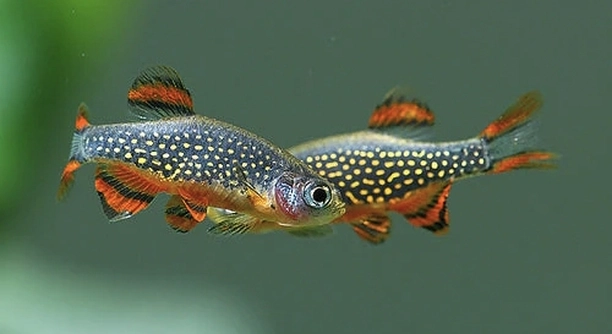
Have you ever tried keeping Celestial Pearl Danios and noticed they rarely spawn? Many hobbyists struggle to encourage these tiny fish to reproduce, even when their tanks look healthy and well-maintained. Breeding requires specific attention.
Triggering spawning in Celestial Pearl Danios involves controlling water conditions, providing appropriate nutrition, offering sufficient hiding spaces, and simulating natural environmental cues. Maintaining optimal temperature, gentle filtration, and timed lighting can significantly increase the likelihood of successful breeding.
Understanding these basic requirements will make caring for your Danios more rewarding. Small adjustments can lead to visible improvements in their behavior and spawning activity.
Setting the Right Water Conditions
Celestial Pearl Danios are sensitive to their environment, and spawning often depends on clean, stable water. I noticed that keeping the water slightly soft with a pH around 6.5 to 7.0 encouraged my fish to show more active behavior. Temperature plays a key role too. Raising it gradually to 26–28°C seems to simulate their natural breeding season. Gentle filtration is important because strong currents can stress them out and discourage spawning. Frequent, small water changes also help maintain consistent conditions without shocking the fish. I personally saw better results when I added a layer of fine-leaved plants, like Java moss, to mimic a natural breeding habitat. Lighting should be moderate; bright light can stress them, while too dim can make them less active. Observing their behavior closely allows you to adjust conditions before spawning begins, which can save time and reduce frustration in the tank.
Maintaining stable water and moderate lighting improves the Danios’ comfort and encourages natural spawning behavior.
Consistent monitoring is essential. I kept a small thermometer and tested pH regularly. When conditions were right, I observed males developing brighter colors and chasing females gently around the tank. Females became fuller, indicating eggs were ready. Plant-covered areas allowed the fish to spawn safely, reducing stress and egg loss. Even small changes in water hardness or temperature had noticeable effects on activity. By keeping conditions predictable and stable, I could plan feeding and lighting schedules that reinforced their natural rhythms, making the tank more lively and productive.
Nutrition and Feeding Strategies
High-quality food can trigger spawning. Feeding small, protein-rich meals daily helped my Danios gain energy for breeding.
Protein-rich diets, such as live or frozen foods, support egg production and increase vitality. I noticed my females became rounder, and males showed more vibrant colors, indicating readiness for spawning. Supplementing with occasional high-quality flake food kept them healthy and active without overfeeding. Rotating food types, like daphnia, brine shrimp, and finely chopped bloodworms, ensured they received varied nutrients. Consistent feeding at the same time each day helped establish a routine, which seemed to encourage mating behaviors. Over time, I observed that well-fed fish were more likely to explore plant areas and interact, key steps in initiating spawning. Food also acts as a signal of favorable conditions; when they feel secure and nourished, they are more likely to reproduce. Monitoring portions is crucial, as leftover food can quickly deteriorate water quality, which would negate all efforts in water condition management. Proper nutrition complements a stable environment, creating the ideal conditions for Celestial Pearl Danios to spawn successfully.
Providing Hiding Spots
Hiding spots make Danios feel safe during spawning. I added fine-leaved plants and small caves, which reduced stress and encouraged interaction.
When I included dense patches of Java moss and small ceramic tubes, the Danios used these areas for egg-laying. Males became more confident chasing females around the cover, and females appeared calmer. I noticed that eggs placed among plants were less likely to be eaten immediately, improving survival rates. Even a few floating plants offered shade and a sense of security. These spaces allowed fish to retreat if threatened, which lowered aggression and created a more natural environment. The Danios seemed more active overall, exploring plants and interacting more freely, which directly increased the chances of successful spawning.
Adding hiding spots also reduced egg predation. I observed that without adequate cover, males sometimes became aggressive, and females hid in corners, lowering mating activity. The combination of floor-level plants and vertical coverage worked best in my tank.
Simulating Natural Environmental Cues
Light and temperature changes can signal breeding periods. I adjusted lighting gradually to mimic day length changes and slightly increased temperature, which triggered mating behavior.
I gradually extended daylight hours over a couple of weeks while raising the temperature by a few degrees. This simulation of seasonal change encouraged males to display brighter colors and females to appear fuller with eggs. Small adjustments to the environment, like gentle water movement and occasional cooler water top-ups, created variation similar to natural rainfall cycles. The fish responded quickly to these subtle cues, becoming more active and interacting frequently around the planted areas. I found that consistency in these changes was crucial; sudden shifts stressed the fish and reduced spawning attempts. Observing their reactions allowed me to fine-tune the conditions effectively.
Recreating natural cues requires patience but delivers noticeable results. I monitored behaviors closely, timing light and temperature changes carefully. Over time, males began chasing females confidently, and females entered plant-covered areas regularly to lay eggs. Slightly altering water parameters mimicked seasonal patterns, encouraging reproductive instincts. Each successful adjustment improved the tank’s dynamics, and the fish seemed healthier overall. Consistent cues combined with hiding spaces and proper nutrition created an environment where Celestial Pearl Danios felt safe, well-fed, and ready to spawn naturally.
Maintaining Consistent Temperature
Consistent temperature helps Danios feel secure. I kept my tank at 27°C, which seemed ideal for their activity and breeding readiness.
Sudden changes in temperature stressed the fish, reducing spawning attempts. I used a reliable heater and checked it daily to maintain stability. This simple step improved their confidence in the tank environment.
Using Spawning Triggers
Adding small amounts of live foods acted as a trigger. Daphnia and brine shrimp stimulated activity and encouraged mating behaviors among males and females.
Feeding these high-protein foods regularly, especially in the morning, helped females develop eggs more quickly. Males became more vibrant, chasing females through plants. Timing and portion control were important, as overfeeding could reduce water quality and stress the fish. Careful observation allowed me to notice subtle signs of readiness, like increased swimming around plant-covered areas.
Separating Eggs
Once eggs were laid, removing adults prevents predation. I transferred eggs carefully to a small nursery tank with gentle water flow.
This ensured higher survival rates. The eggs developed safely without adults disturbing them or eating them, increasing hatching success significantly.
How long does it take for Celestial Pearl Danio eggs to hatch?
Celestial Pearl Danio eggs usually hatch within 2 to 3 days under proper conditions. I found that keeping the nursery tank at a stable temperature around 27°C helped the eggs develop evenly. Slight fluctuations in temperature delayed hatching and sometimes caused eggs to become unhealthy. After hatching, the fry remain very small and fragile, so it’s important to provide calm water and minimal disturbances. Gentle aeration or a sponge filter prevents strong currents that could harm the fry. I also made sure the eggs were laid among moss or spawning mops, which offered protection during this critical stage.
What should I feed the fry?
The first few days, fry feed on their yolk sac, so no additional food is necessary. After three days, I began feeding infusoria or specially prepared liquid fry food. These tiny organisms are small enough for fry to consume easily. As the fry grew, I gradually introduced microworms and baby brine shrimp. Consistent feeding schedules helped the fry grow uniformly. Overfeeding can pollute the water quickly, so I fed small amounts multiple times a day. Watching the fry cluster around food helped me gauge whether portions were correct. Clean water was just as important as feeding to ensure healthy growth.
Can I breed Celestial Pearl Danios in a community tank?
Breeding in a community tank is possible but challenging. I found that eggs are often eaten by other fish, including adults of the same species. Providing dense plant cover or spawning mops helps, but survival rates remain low. For better success, separating the breeding pair or group into a dedicated tank increases fry survival. Even in well-planted community tanks, aggressive or larger fish may disrupt mating behavior. Monitoring the tank closely during breeding times allows me to intervene if necessary, such as moving adults temporarily. The controlled environment gives fry a higher chance of reaching maturity.
How can I tell if my Danios are ready to spawn?
Males display brighter colors and more active chasing when ready. Females become rounder with visible eggs. I noticed that they spent more time near plants or hiding spots during these periods. Males may also nudge females gently. Tracking behavior over a few days helps confirm readiness. Maintaining stable water, feeding high-protein foods, and providing hiding places all contribute to encouraging these behaviors. Once I observed these signs consistently, I prepared a nursery tank to maximize survival. Timing is critical because once females are full of eggs, waiting too long can stress them and reduce spawning success.
Do I need special equipment to breed Celestial Pearl Danios?
Basic equipment includes a heater, sponge filter, and plants or spawning mops. I used a small dedicated tank for breeding, which simplified monitoring. No expensive gear is necessary, but stable conditions are key. Gentle filtration prevents fry from being sucked in. Monitoring water parameters like temperature, pH, and hardness ensures a safe environment for both adults and eggs. Optional items, like a breeding net or a separate nursery container, make it easier to protect eggs. I also found that a thermometer and regular water tests were sufficient to maintain consistent conditions without adding complicated devices.
How do I prevent adults from eating the eggs?
Adults often eat eggs if left in the same tank. I separated the eggs into a nursery tank within hours of spawning. Using fine-leaved plants or spawning mops helps protect eggs until they can be moved. I carefully transferred eggs with a small net or cup to avoid damage. Maintaining calm water and minimal handling reduces stress on both eggs and adults. Some breeders also remove adults temporarily for 24–48 hours until the eggs hatch. I found that this simple step dramatically improved survival rates and ensured more fry reached the free-swimming stage safely.
How often can Celestial Pearl Danios spawn?
Danios can spawn every few weeks if conditions are ideal. I noticed frequent spawning when water quality, temperature, and feeding were consistent. Overcrowding or stress can delay breeding, so spacing and proper care matter. Observing the fish for readiness signs helps plan when to provide optimal spawning conditions. Even small improvements in nutrition or environment can increase the frequency of successful spawning events. Tracking each batch allows me to manage nursery space efficiently and avoid overwhelming the tank with too many fry at once.
Are there common mistakes to avoid during breeding?
The most common mistakes are unstable water conditions, overfeeding, and leaving adults with eggs. I learned that sudden temperature changes or strong currents often stress the fish and reduce spawning activity. Overfeeding increases waste and lowers water quality, harming both adults and fry. Removing eggs too late leads to predation, while too early handling can damage them. Providing adequate hiding spaces, stable feeding, and gentle water management are key. Observing the fish closely and adjusting slowly ensures better outcomes. Patience and careful attention proved more effective than complicated interventions.
What is the ideal tank setup for breeding?
A small 10–20 liter tank works well, with soft water, stable temperature, gentle filtration, and dense plants or spawning mops. I added a heater and sponge filter, which created calm water without strong currents. Floating plants provided shade, while moss or fine plants allowed eggs to attach safely. Regular water changes kept conditions clean, and spacing between adults reduced stress. Lighting was moderate, not too bright. I noticed the fish spawned more frequently in this setup compared to larger, bare tanks. Having everything ready before introducing the breeding pair simplified the process and improved fry survival.
How long until fry are free-swimming?
Fry typically become free-swimming around 3–5 days after hatching. I watched them carefully, ensuring water quality remained high and food was available. Once they started swimming freely, I introduced infusoria and later baby brine shrimp to support growth. Early care during this stage is crucial because fry are extremely small and sensitive. Gentle handling and maintaining consistent conditions helped them grow steadily. Observing behavior allowed me to gauge readiness for the next stage of feeding and gradually increasing tank activity. Healthy free-swimming fry are more likely to survive to juvenile stages.
The FAQ covers essential questions I faced when breeding Celestial Pearl Danios, providing practical guidance for water conditions, feeding, tank setup, and fry care. Each step builds on previous measures, improving the overall chances of successful spawning and healthy offspring.
Breeding Celestial Pearl Danios can be a careful but rewarding process. I found that paying attention to water conditions, feeding, and tank setup made a big difference in whether spawning occurred. Maintaining stable temperature and soft water is essential because these fish are sensitive to sudden changes. Even small fluctuations in pH or hardness can cause stress and reduce breeding activity. I always make sure to test the water regularly and perform gentle water changes to keep the environment clean without shocking the fish. Providing adequate hiding spots, such as fine-leaved plants, moss, or small caves, also creates a safe space where the fish feel comfortable. These spots give females a place to lay eggs and allow males to display their mating behavior without feeling threatened. Over time, I noticed that tanks with consistent conditions and proper plant cover produced more frequent spawning events, and the eggs had a higher chance of survival.
Nutrition is another key factor that cannot be overlooked. High-protein foods, such as live or frozen daphnia, brine shrimp, and finely chopped bloodworms, help prepare the fish for spawning. I usually feed small portions multiple times a day, which keeps the fish energetic and encourages natural breeding behavior. Overfeeding can lead to water quality issues, so it is important to balance feeding carefully. Rotating food types ensures that the fish receive varied nutrients, which supports healthy egg development and improves male coloration, making them more attractive to females. I also noticed that feeding at the same time each day helped establish a routine, which the fish seemed to respond to positively. With consistent care and attention to diet, the Danios became more active in the tank, exploring plants and interacting more freely, which naturally encouraged spawning.
Finally, patience and observation are critical throughout the breeding process. It is important to watch the fish closely to notice subtle signs of readiness, such as males becoming more vibrant or females appearing fuller with eggs. Separating the eggs from adults as soon as possible helps increase survival rates and reduces the risk of predation. Creating a nursery tank or using spawning mops ensures that eggs develop safely and fry have a chance to grow in a controlled environment. Even small adjustments, such as gradually increasing lighting or slightly altering water temperature to mimic natural seasonal changes, can make a difference in stimulating spawning behavior. By combining stable conditions, proper nutrition, adequate hiding spots, and careful observation, breeding Celestial Pearl Danios becomes a manageable and rewarding task. Over time, the fish show clearer signs of health and readiness, and the reward of seeing fry grow successfully adds satisfaction to the process. Maintaining consistency and paying attention to details ensures long-term success in caring for and breeding these delicate fish.

Hello,
If you enjoy the content that we create, please consider saying a "Thank You!" by leaving a tip.
Every little bit helps us continue crafting quality advice that supports the health, happiness, and well-being of pets around the world, for pets of all shapes, sizes, and species.
We really appreciate the kindness and support that you show us!