
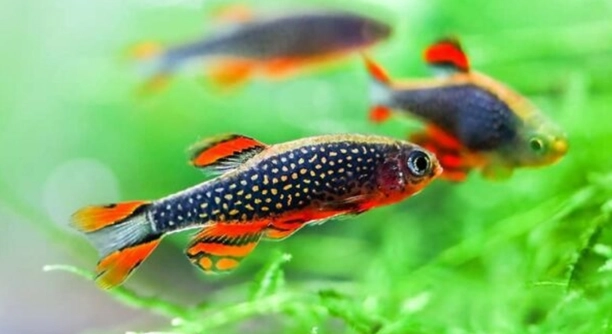
Do you ever find yourself checking your aquarium and wondering if your danios are truly living in the best conditions? Maintaining the right water quality can feel overwhelming, especially with so many factors to consider.
The seven water tests every danio owner should know include pH, ammonia, nitrite, nitrate, hardness, temperature, and chlorine levels. Monitoring these parameters ensures a stable and safe environment, promoting the overall health, growth, and well-being of your fish.
Knowing these results can prevent common health issues and improve your danios’ vitality, making your care routine more effective and confident.
pH Levels
Maintaining the correct pH level is essential for danios. They thrive in slightly alkaline water, typically between 6.5 and 7.5. Sudden changes can stress the fish, weaken their immune system, and make them more prone to disease. Testing pH regularly allows you to spot shifts early and take action. Common causes of fluctuations include tap water changes, decaying plant matter, or overfeeding. Using pH stabilizers or adding natural buffers like crushed coral can help maintain a steady level. Consistency is key because danios adjust slowly to changes, and abrupt swings can cause shock. Observing your fish’s behavior can also give hints; erratic swimming or gasping near the surface may indicate pH problems. Regular water testing, combined with partial water changes, ensures the pH stays within a healthy range. Keeping notes of your readings over time helps track trends and anticipate any problems before they affect your fish.
Testing pH weekly keeps the water stable and prevents stress-related illnesses in your danios.
Maintaining proper pH supports overall tank balance, aiding beneficial bacteria and plant growth. It creates a comfortable environment, allowing danios to be active and healthy. Regular checks also reduce the need for emergency adjustments later.
Ammonia Levels
Ammonia in the tank is highly toxic to danios and must be monitored closely.
Even small amounts of ammonia can damage gills, reduce oxygen uptake, and lead to severe illness. It is produced naturally from fish waste, uneaten food, and decaying plants. Without proper filtration or regular water changes, levels can rise quickly, especially in new or heavily stocked tanks. Testing kits help detect ammonia early, allowing you to act before it becomes dangerous. If ammonia is present, immediate partial water changes are necessary, and adding ammonia-neutralizing products can provide temporary relief. Maintaining a well-established nitrogen cycle is the best long-term solution, relying on beneficial bacteria to convert ammonia into less harmful compounds. Keeping the tank clean, avoiding overfeeding, and monitoring water quality are all part of preventing spikes. Observing your danios is important, as lethargy, gasping, or inflamed gills can indicate unsafe ammonia levels. Consistent care ensures the fish remain healthy and active.
Nitrite Levels
Nitrites are harmful to danios even in small amounts. Regular testing is crucial, as high nitrite levels can cause stress and breathing difficulties.
Nitrite accumulates when beneficial bacteria are not fully established or when overfeeding occurs. It interferes with the fish’s ability to transport oxygen in the blood, which can lead to lethargy, rapid gill movement, or even death if untreated. Partial water changes are an immediate solution, and ensuring a fully cycled tank helps prevent future spikes. Using live plants can also assist by absorbing some nitrates, indirectly supporting nitrite control. Monitoring nitrite closely in the first weeks of a new tank or after major water changes is essential.
Maintaining low nitrite levels depends on balancing tank maintenance and feeding habits. Avoid overstocking, feed only what the fish consume in a few minutes, and clean the substrate regularly. Consistent testing helps track trends and protect your danios’ health, making them more resilient and active in their environment.
Nitrate Levels
Nitrates are less toxic than ammonia and nitrites but still need control to prevent long-term health issues in danios. Excessive nitrates can stunt growth and weaken the immune system, so regular monitoring is necessary.
Nitrates accumulate from fish waste, leftover food, and decaying plants. While partial water changes reduce nitrate levels, adding live plants can help absorb them naturally, creating a healthier tank environment. High nitrate levels often result in algae growth, which competes for nutrients and can further impact water quality. Testing kits allow precise tracking, and weekly monitoring is recommended for established tanks. Keeping the substrate clean also minimizes nitrate buildup by removing trapped debris. Adjusting feeding routines and maintaining proper filtration are key practices to control levels.
A stable nitrate level ensures danios remain active, colorful, and healthy. Observing behavior, such as normal swimming and consistent appetite, confirms the tank environment supports their needs. Regular monitoring prevents sudden problems and allows for gentle, ongoing maintenance, making long-term care much easier.
Water Hardness
Water hardness affects danios’ health and overall comfort. It is determined by calcium and magnesium levels in the water.
Maintaining moderate hardness supports proper osmoregulation, helping danios manage fluid balance and gill function. Extreme softness or hardness can stress the fish and impact growth and coloration.
Temperature
Danios thrive in a consistent temperature between 72°F and 78°F. Sudden fluctuations can stress them and lower immunity.
Using a reliable heater and thermometer ensures stability. Avoid placing the tank near windows or vents to prevent temperature swings. Regular monitoring allows you to maintain a comfortable and stable environment for your fish, keeping them active and healthy.
Chlorine Levels
Chlorine and chloramine in tap water are harmful to danios. Always treat water with a dechlorinator before adding it to the tank.
FAQ
How often should I test my danio tank water?
Testing your tank water once a week is usually enough for established tanks. In new setups, daily testing is better until the nitrogen cycle is stable. Keeping records helps track trends and prevents sudden problems. Consistency is more important than frequency, as irregular testing can miss slow changes that affect fish health.
What is the easiest way to measure ammonia, nitrite, and nitrate?
Liquid test kits are reliable and widely available. They allow you to measure all three parameters accurately and provide color-coded results for easy reading. Test strips are faster but less precise. Using a consistent brand ensures results are comparable over time.
How do I lower high ammonia or nitrite levels?
Partial water changes immediately reduce harmful levels. Adding ammonia-neutralizing products or using a biological filter can provide temporary relief. Long-term control comes from a fully cycled tank and careful feeding. Avoid overstocking and remove uneaten food regularly to maintain stability.
Can I use tap water directly in the tank?
Tap water usually contains chlorine or chloramine, which are harmful to fish. Always use a dechlorinator before adding water. Letting water sit for 24 hours only removes chlorine, not chloramine. Testing the water after treatment ensures it’s safe for your danios.
Why is pH stability important for danios?
Sudden pH swings can stress fish, affect metabolism, and make them more prone to disease. Maintaining a stable pH allows danios to thrive, feed normally, and display natural behavior. Use buffers or natural additives like crushed coral to prevent rapid changes.
What signs show water problems in my danios?
Erratic swimming, gasping at the surface, faded colors, or clamped fins can indicate water issues. Observing behavior daily helps catch problems early. Combining behavior monitoring with regular testing ensures both visible and invisible problems are addressed quickly.
How do temperature changes affect danios?
Danios are sensitive to sudden temperature shifts. Even a few degrees up or down can cause stress, lower immunity, or trigger illness. A reliable heater, thermometer, and avoiding direct sunlight or drafts help maintain consistent temperature for healthy fish.
Is overfeeding linked to water quality issues?
Yes. Leftover food decomposes, producing ammonia and nitrates, which harm fish. Feed only what your danios consume in a few minutes and remove excess immediately. This simple habit maintains cleaner water and reduces stress on filtration systems.
Can live plants help with water quality?
Live plants absorb nitrates, provide oxygen, and create a more natural environment. They support biological filtration and reduce algae growth. Healthy plants also give danios hiding spots, reducing stress and improving overall tank harmony.
How do I handle sudden spikes in water parameters?
Immediate partial water changes are the first step. Test the water to confirm changes, then address the source, whether it’s overfeeding, overcrowding, or a filtration issue. Monitoring after the adjustment ensures levels return to safe ranges. Preventative maintenance reduces future spikes.
Should I worry about water hardness?
Yes, extreme softness or hardness can stress danios. Moderate hardness supports gill function, osmoregulation, and overall vitality. Adjust hardness gradually using mineral supplements or water mixing, and test regularly to avoid abrupt changes.
How do I keep chlorine and chloramine safe for my fish?
Always treat tap water with a dechlorinator. Never add untreated water. Test after treatment to confirm safety. Chloramine requires specific neutralizers, as letting water sit is not sufficient. Consistent treatment prevents long-term harm.
What’s the role of a nitrogen cycle in maintaining water quality?
The nitrogen cycle converts toxic ammonia into nitrite and then nitrate. Beneficial bacteria are essential for this process. A fully cycled tank stabilizes water quality, reduces spikes, and keeps danios healthy. Skipping this step increases the risk of toxic build-up.
How can I prevent algae growth linked to water quality?
Excess nitrates, light, and nutrients encourage algae. Regular water changes, controlled feeding, and live plants help manage these levels. Cleaning the tank surfaces and substrate prevents buildup, keeping the tank clean and fish comfortable.
How do I know if my water test kits are accurate?
Always check expiration dates and follow instructions carefully. Using a consistent brand ensures comparable results. If results seem off, cross-check with another kit or consult with an experienced aquarist. Proper storage of kits prevents degradation of chemicals.
What’s the best way to combine all water tests efficiently?
Plan a weekly routine: test pH, ammonia, nitrite, nitrate, hardness, temperature, and chlorine. Record results to track trends. Immediate action for out-of-range results keeps danios healthy and reduces stress on the aquarium ecosystem.
Can water changes alone fix all water problems?
Water changes help but aren’t always enough. They reduce toxins temporarily, but long-term stability requires proper filtration, controlled feeding, and monitoring. Combining methods ensures consistent water quality and a thriving environment for your fish.
How do I start monitoring a new tank for danios?
Begin testing daily, especially for ammonia and nitrite. Observe fish behavior and keep notes. Once the nitrogen cycle is established, reduce testing to weekly. Gradual adjustments and close observation prevent sudden problems and support healthy fish growth.
How important is consistent monitoring for long-term danio health?
Consistent monitoring detects subtle changes before they become dangerous. Regular testing, observing fish behavior, and maintaining equipment ensures a stable environment. Predictable conditions keep danios active, reduce stress, and support longevity. Preventative care is always easier than emergency fixes.
What common mistakes should I avoid in water testing?
Avoid skipping tests, ignoring small fluctuations, or relying solely on visual cues. Never add untreated water or overfeed. Using expired kits or inconsistent brands can give misleading results. Proper technique and regular recording prevent mistakes and protect your fish.
Final Thoughts
Caring for danios is simpler when you focus on water quality. Regular testing of key parameters like pH, ammonia, nitrite, nitrate, hardness, temperature, and chlorine creates a stable environment. These measurements are not just numbers; they reflect the overall health of your aquarium. Keeping track of them allows you to notice small changes before they become serious problems. Consistency in testing and observation reduces stress for the fish and makes your routine more predictable and manageable. When water quality is stable, danios display natural behaviors, swim actively, and show their vibrant colors.
Proper maintenance also depends on balancing multiple factors. Partial water changes, careful feeding, and cleaning the substrate work together to support healthy water conditions. Overfeeding or neglecting water changes can quickly lead to high ammonia or nitrate levels, which affect fish health. Using a dechlorinator and monitoring temperature ensures that the water is safe for your danios at all times. Live plants can also help by absorbing some nutrients, providing oxygen, and giving your fish hiding spots. Together, these practices create an environment that minimizes stress, promotes growth, and keeps your fish energetic and healthy.
Even with the best practices, observation remains a key part of caring for danios. Watching their behavior, appetite, and activity helps you detect issues that water tests alone might miss. Small signs, like clamped fins, erratic swimming, or gasping at the surface, often indicate changes in water quality. By combining regular testing, proper maintenance, and attentive observation, you create a tank that supports long-term health. Maintaining these routines consistently becomes easier over time and provides peace of mind that your danios are thriving. Prioritizing water quality is not just about keeping fish alive; it ensures they live comfortably, grow well, and show their full potential in your care.

Hello,
If you enjoy the content that we create, please consider saying a "Thank You!" by leaving a tip.
Every little bit helps us continue crafting quality advice that supports the health, happiness, and well-being of pets around the world, for pets of all shapes, sizes, and species.
We really appreciate the kindness and support that you show us!