
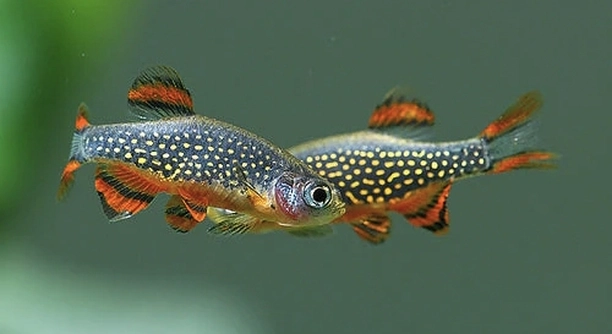
Have you ever thought about adding Celestial Pearl Danios to your home aquarium but felt unsure if they are the right choice for you? Their small size and vibrant colors make them popular among beginner and experienced hobbyists alike.
Before purchasing Celestial Pearl Danios, it is essential to consider their tank size requirements, water conditions, diet, social behavior, and compatibility with other fish species. Careful preparation ensures their health, longevity, and a stable aquarium environment.
Learning these key aspects will make your fishkeeping experience smoother and more enjoyable, giving you confidence in providing the best care for your new aquatic pets.
Understanding Tank Size Requirements
Celestial Pearl Danios are small fish, but they still need adequate space to thrive. A minimum 10-gallon tank is recommended for a small group of five to six fish. Crowding can cause stress, poor water quality, and aggression, even in peaceful species like these. It’s important to plan for future growth if you intend to expand your school. Their active swimming style means open spaces with hiding spots such as plants or small decorations are ideal. Avoid sharp or rough decorations that could harm their delicate fins. Consistent water parameters are easier to maintain in a properly sized tank. Overcrowding can lead to higher ammonia and nitrite levels, impacting their health quickly. Consider filtration and regular water changes as part of your tank preparation. A well-planned tank allows your Celestial Pearl Danios to display natural behaviors, stay healthy, and maintain their vibrant colors, making your aquarium visually appealing.
A proper tank size ensures that Celestial Pearl Danios remain active, healthy, and stress-free while reducing water maintenance issues and health risks.
Setting up the tank carefully with plants, open swimming areas, and hiding spots helps balance safety and activity. Regular water testing keeps ammonia and nitrites low. By spacing them appropriately, you reduce stress and support schooling behavior. Small adjustments in decor or fish numbers can improve their overall comfort. Planning ahead allows you to create an environment where they can show natural colors, socialize safely, and avoid common illnesses caused by overcrowding. These steps also make feeding easier and reduce conflicts.
Water Conditions and Parameters
Celestial Pearl Danios prefer slightly acidic to neutral water with a stable temperature. Keeping the water clean is essential for their long-term health.
Maintaining pH levels between 6.5 and 7.5 and a temperature of 72-78°F creates ideal conditions. Regular monitoring avoids sudden changes.
Water hardness and consistency also play a role in their well-being. They are sensitive to fluctuations, so frequent testing and partial water changes help maintain stability. Using a gentle filter prevents strong currents while supporting biological filtration. Dechlorinated water is necessary, and regular observation helps detect stress or illness early. Setting up water parameters correctly ensures that these small fish adapt quickly and exhibit natural behaviors. Stable conditions also reduce the risk of infections and improve their longevity. In community tanks, matching their water needs with compatible species is important to prevent conflicts and maintain overall tank harmony. By focusing on water quality, temperature, and pH balance, you create an environment that keeps Celestial Pearl Danios healthy, vibrant, and active for years.
Diet and Feeding
Celestial Pearl Danios eat small live or frozen foods, flakes, and micro-pellets. A varied diet keeps them healthy and vibrant. Overfeeding can harm water quality, so small portions once or twice daily are sufficient.
Providing a mix of high-quality flakes and occasional live foods supports growth, coloration, and overall health. They enjoy daphnia, brine shrimp, or microworms, which also encourage natural foraging behavior. Feeding in small amounts prevents uneaten food from decaying and affecting water parameters. Observing how quickly they consume food helps adjust portions and ensures no fish go hungry. Balanced nutrition helps maintain immune system strength, reduces stress, and enhances their shiny, speckled appearance.
Avoid feeding only one type of food. Monotonous diets can lead to malnutrition and weaker coloration. Rotating flakes, pellets, and occasional live or frozen treats creates a healthy, sustainable feeding routine. Careful portioning also prevents bloating or digestive issues. Regular feeding at consistent times helps them anticipate meals and supports social schooling behaviors. Healthy fish are active, show bright colors, and are less prone to disease, making proper feeding essential for both their well-being and a visually appealing aquarium.
Social Behavior and Tank Mates
Celestial Pearl Danios thrive in small schools of five or more. They are peaceful and prefer calm tank mates that won’t outcompete them for food.
Aggressive or much larger fish can stress or harm them. Suitable companions include small tetras, rasboras, or peaceful invertebrates. Observing interactions in the first weeks helps identify compatibility issues.
Schooling behavior is important for security and activity. A small group may hide or act skittish, so keeping at least five helps them feel safe and display natural behavior. They are generally non-territorial, but each fish benefits from space to swim freely and establish gentle social hierarchies. Introducing compatible species gradually reduces stress and allows all inhabitants to adjust. Plants, rocks, and gentle currents enhance their environment, giving shelter and exploration areas. Understanding social needs ensures a harmonious, lively tank where Celestial Pearl Danios can thrive alongside peaceful companions.
Breeding Considerations
Celestial Pearl Danios can breed in home aquariums if conditions are right. They prefer dense plants or spawning mops to lay eggs. Separation of adults from eggs prevents predation.
Spawning usually occurs in slightly acidic, soft water. Regular water changes and consistent temperature encourage breeding activity.
Common Health Issues
These fish are sensitive to poor water quality, which can lead to fin rot, ich, or fungal infections. Maintaining stable conditions reduces risks. Regular observation helps detect early signs of illness. Treating issues promptly with appropriate medications ensures recovery and protects the rest of the tank.
Tank Maintenance
Weekly water changes of 20-30% help maintain clean, stable conditions. Avoid sudden chemical changes that stress the fish. Proper filtration and monitoring keep ammonia, nitrites, and nitrates within safe limits. Clean substrate and decor regularly to prevent buildup that can harm water quality.
Choosing Healthy Fish
Look for active fish with bright colors, clear eyes, and intact fins. Avoid lethargic individuals or those showing spots or damage. Selecting healthy specimens ensures a strong, thriving school and reduces the likelihood of introducing disease into your tank.
FAQ
How many Celestial Pearl Danios should I keep together?
Celestial Pearl Danios are schooling fish and feel safest in groups of at least five or six. Keeping them in small schools reduces stress, encourages natural behavior, and prevents shyness. Larger groups of eight to ten are even better for displaying active swimming and social interactions.
Can they live with other fish?
Yes, but only with peaceful, similarly sized species. Avoid aggressive or much larger fish that may intimidate or harm them. Suitable tank mates include small tetras, rasboras, Corydoras, or shrimp. Always introduce new species gradually to monitor behavior and ensure compatibility.
What should I feed them?
A varied diet works best. Offer high-quality flake food, micro pellets, and occasional live or frozen foods like daphnia, brine shrimp, or microworms. Feed small amounts once or twice daily to prevent overfeeding and maintain water quality. Rotating food types helps support health, color, and activity levels.
How often should I clean the tank?
Partial water changes of 20-30% weekly are recommended. Clean substrate, plants, and decorations as needed to prevent buildup of waste and detritus. Maintaining a clean environment prevents disease, keeps water parameters stable, and allows fish to thrive. Filters should be rinsed regularly without disturbing beneficial bacteria too much.
What water conditions are best?
They prefer slightly acidic to neutral water, pH 6.5-7.5, and soft to moderately hard water. Temperature should be stable, ideally between 72-78°F. Avoid sudden changes in temperature, pH, or hardness. Stable, clean water supports health, encourages natural behavior, and reduces susceptibility to disease.
Can they breed in home aquariums?
Yes, Celestial Pearl Danios will breed if water is soft, slightly acidic, and consistently clean. Provide plants or spawning mops for eggs. Remove adults after spawning to prevent them from eating the eggs. Frequent water changes and stable temperatures help trigger breeding behavior and ensure fry survival.
How can I tell if my fish are healthy?
Healthy fish are active, display vibrant coloration, and swim confidently in groups. Eyes should be clear, fins intact, and there should be no unusual spots, fungus, or lethargy. Observing behavior daily helps detect stress or illness early. Prompt action prevents problems from spreading and maintains a thriving aquarium.
What common problems should I watch for?
Stress from overcrowding, poor water quality, or incompatible tank mates can lead to disease. Watch for signs like faded colors, clamped fins, erratic swimming, or white spots. Early detection, regular water testing, and proper diet are key to prevention and maintaining long-term health.
How long do Celestial Pearl Danios live?
With proper care, they can live 3-5 years, sometimes longer. Maintaining stable water conditions, providing a varied diet, and keeping them in suitable social groups maximizes their lifespan and ensures they remain active and healthy throughout their life.
Do they need special lighting or plants?
Moderate lighting is sufficient. They enjoy planted tanks with hiding spots. Live plants, moss, or fine-leaved vegetation provide shelter, reduce stress, and encourage natural behaviors. Decorations should be smooth to avoid fin damage, while still offering areas to explore and rest.
Is feeding at a consistent time important?
Yes, consistent feeding times help establish routine and reduce stress. Fish anticipate meals, which encourages activity and natural foraging behavior. Adjust portions according to appetite to avoid leftover food that can degrade water quality. Regular feeding supports health and vibrant coloration.
Can Celestial Pearl Danios adapt to different tank setups?
They are adaptable but thrive best in planted tanks with calm water and gentle filtration. They may be stressed in bare or heavily trafficked tanks. A well-balanced environment with hiding spots, open swimming areas, and compatible tank mates promotes long-term health and happiness.
What should I do if a fish appears sick?
Isolate the affected fish to prevent spread, check water parameters immediately, and treat with appropriate medication. Remove uneaten food and perform partial water changes. Observing closely helps determine if the issue is environmental, dietary, or disease-related, allowing for a targeted response.
How can I encourage natural behavior?
Maintain a small school, provide plants or hiding spots, and avoid aggressive tank mates. Occasional live or frozen foods encourage foraging. Gentle water flow and stable conditions support active swimming, social interaction, and natural behaviors such as exploring and shoaling.
Are they suitable for beginners?
Yes, but only if proper care is provided. Understanding tank requirements, water conditions, feeding routines, and social behavior is essential. Beginners should start with a small group in a stable, well-maintained aquarium, gradually learning to monitor water quality and recognize signs of stress or illness.
Can I keep them in a community tank?
Yes, if all species have compatible size, temperament, and water preferences. Avoid large or aggressive fish. Observing initial interactions helps prevent bullying or stress. Providing enough space, hiding spots, and a stable environment ensures harmony in a community setup.
What is the best way to introduce them to a new tank?
Acclimate slowly using drip or float methods to match water parameters. This reduces stress and prevents shock. Monitor their behavior for the first few hours, and provide plenty of hiding places. Gradual introduction allows them to adapt to the new environment safely.
How do I prevent overfeeding?
Feed small portions that the fish consume within a few minutes. Remove uneaten food promptly and vary diet to prevent nutritional imbalance. Overfeeding can lead to water quality issues, obesity, and digestive problems, making portion control a critical part of daily care.
Do they need specific water flow?
Gentle water flow is ideal. Strong currents can stress these small fish, while stagnant water may reduce oxygen levels. Proper filtration that creates mild movement ensures healthy oxygenation and prevents debris buildup without disturbing their natural swimming patterns.
Are there seasonal care changes?
Indoor aquariums usually remain stable year-round. Seasonal fluctuations in room temperature may require monitoring. Ensure heaters or thermostats maintain consistent temperatures. Regular checks prevent stress from temperature swings, keeping Celestial Pearl Danios active and healthy regardless of external seasons.
What signs indicate they are comfortable?
Active swimming, vibrant colors, social schooling, and regular feeding response are good indicators. Comfortable fish explore their environment, interact naturally, and display minimal hiding behavior. Observing these behaviors confirms that your tank setup, water conditions, and social grouping meet their needs.
Celestial Pearl Danios are small, colorful fish that can bring life and movement to a home aquarium. Despite their size, they require careful attention to tank conditions, diet, and social needs. Providing a proper tank with sufficient space, clean water, and gentle filtration ensures that they remain healthy and active. A well-maintained environment helps prevent common issues such as stress, disease, or poor coloration. Choosing a group of at least five or six fish supports natural schooling behavior, which makes them more confident and visually appealing. Even though they are peaceful, considering compatible tank mates is important to reduce stress and create a balanced, harmonious tank environment.
Feeding them a varied diet is another key factor in maintaining their health. Offering high-quality flakes, micro-pellets, and occasional live or frozen foods provides essential nutrients and encourages natural foraging behavior. Overfeeding should be avoided because leftover food can quickly affect water quality and lead to health problems. Regular observation during feeding helps ensure that all fish are eating properly and that no one is left behind. Consistency in feeding routines and portion sizes also supports their overall well-being, including strong immune systems, healthy growth, and bright coloration. A thoughtful approach to feeding contributes to long-term health and creates a lively and active aquarium community.
Maintaining stable water conditions is essential for the longevity of Celestial Pearl Danios. They are sensitive to sudden changes in pH, hardness, or temperature, so regular testing and partial water changes are necessary to keep their environment safe. Providing plants, decorations, and hiding spots not only enhances their comfort but also encourages natural behaviors. Monitoring the fish closely allows early detection of health issues, which can be addressed promptly to prevent escalation. By paying attention to tank size, social structure, diet, and water quality, you create an environment where Celestial Pearl Danios can thrive. Proper care ensures that these small fish remain healthy, vibrant, and active for years, making them a rewarding addition to any suitable aquarium.

Hello,
If you enjoy the content that we create, please consider saying a "Thank You!" by leaving a tip.
Every little bit helps us continue crafting quality advice that supports the health, happiness, and well-being of pets around the world, for pets of all shapes, sizes, and species.
We really appreciate the kindness and support that you show us!