
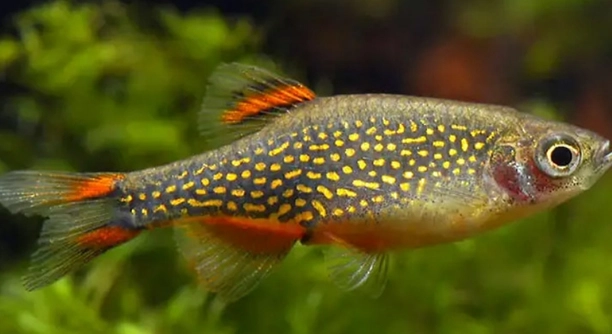
Celestial Pearl Danios are small, colorful fish that brighten up any aquarium. Their delicate nature makes it important to introduce them carefully into a new tank to ensure they remain healthy and stress-free.
Safely acclimating Celestial Pearl Danios involves gradually adjusting them to their new environment. This process reduces stress, prevents shock from sudden changes in water parameters, and supports their immune system, ultimately promoting long-term survival and well-being in captivity.
Learning proper acclimation techniques is essential for every aquarist. The following methods will guide you in keeping these tiny fish safe and thriving from the moment they enter your tank.
Preparing the Tank
Before bringing Celestial Pearl Danios home, make sure the tank is fully cycled and stable. Test the water parameters carefully, ensuring pH, ammonia, nitrite, and nitrate levels are within safe ranges. Add hiding spots like plants or small decorations to help them feel secure. Avoid sudden changes in temperature, as these fish are sensitive to stress and can be prone to illness if the environment is unstable. Keep lighting moderate and maintain a gentle water flow to mimic their natural habitat. Introduce beneficial bacteria to maintain water quality and reduce the risk of harmful spikes in ammonia or nitrites. Make sure filtration is efficient but not too strong, as these small fish prefer calm areas for swimming. A well-prepared tank will reduce stress and improve the chances of the fish adapting smoothly to their new surroundings. Take the time to adjust every detail, as small measures make a big difference in their acclimation.
Starting with a properly set-up tank ensures the fish will adjust without sudden stress.
Maintaining stable water conditions is critical. Celestial Pearl Danios thrive in tanks with consistent temperature, around 24–26°C, and slightly acidic to neutral pH, between 6.5 and 7.5. Introduce live plants, small rocks, or driftwood to create safe zones and reduce stress. Keep lighting moderate and ensure water flow is gentle. Test water frequently during the first weeks, and avoid overfeeding, which can pollute the water. Gradually introduce fish in small numbers, and monitor behavior closely. Stress indicators include hiding, loss of color, or erratic swimming. A well-prepared tank with stable conditions increases survival rates and supports healthy growth.
Acclimation Methods
Floating the bag for 15–20 minutes allows the water inside to slowly match the tank temperature.
Slowly mixing small amounts of tank water into the bag every 5–10 minutes helps the fish adjust to the new water chemistry.
After temperature and water chemistry have balanced, gently release the Danios using a net rather than pouring the bag water into the tank. This reduces the chance of contaminants entering. Observe the fish closely for the first few hours to ensure they are swimming normally and not stressed. Keep feeding light and monitor water quality, performing partial water changes if needed. Repeating this process for multiple fish can be done in stages to prevent sudden overcrowding and stress. Patience during acclimation ensures the fish settle comfortably and adapt without health issues, laying the foundation for long-term success in your aquarium.
Would you like me to continue with the next headers following the same format?
Monitoring Behavior
Observe your Celestial Pearl Danios closely during the first 24 hours. Look for normal swimming, healthy appetite, and interaction with other fish. Any signs of lethargy, hiding excessively, or unusual swimming may indicate stress or water issues.
Stress in Danios can result from sudden changes in environment, water chemistry, or temperature. If they appear inactive or cling to decorations, check water parameters immediately. Ensure the filter is working gently and maintain consistent lighting. Avoid overcrowding, as these fish need space to swim and explore. Feed small portions and remove uneaten food to prevent water pollution, which could further stress the fish.
Pay attention to schooling behavior. Celestial Pearl Danios are social and usually swim together. If one or more isolate themselves, consider separating them temporarily or reviewing tank conditions. Ensure that plants and decorations provide adequate hiding spots. Avoid making sudden adjustments to the environment during this period. Monitoring and addressing early signs of stress helps prevent illness and supports the Danios’ smooth adaptation.
Feeding Practices
Introduce food gradually in small amounts. Avoid overfeeding, as uneaten food can quickly degrade water quality.
Feed a mix of high-quality flake, micro-pellets, and occasional live or frozen foods to ensure balanced nutrition. Start with tiny portions, observing how quickly the fish eat. Feeding twice daily is sufficient, as overfeeding can lead to bloating and poor water quality. Remove any leftover food promptly to maintain a clean tank. Live foods like daphnia or brine shrimp stimulate natural hunting behavior and enrich their diet, supporting vibrant coloration and overall health.
Rotate food types to provide variety and prevent nutritional deficiencies. Include plant-based flakes alongside protein-rich options. Feed at consistent times to establish routine, which reduces stress. Observe how the fish respond to different foods and adjust portions accordingly. Providing a balanced diet ensures proper growth, maintains immunity, and encourages natural activity. Over time, proper feeding habits contribute to the overall well-being and longevity of Celestial Pearl Danios in your aquarium.
Water Quality Maintenance
Regular water changes are essential for keeping Celestial Pearl Danios healthy. Replace 20–30% of the tank water weekly to maintain stable conditions and remove toxins. Monitor ammonia, nitrite, and nitrate levels closely during the first few weeks.
Use a water conditioner to remove chlorine or chloramine from tap water. Consistent maintenance prevents stress-related illnesses and supports overall fish vitality. Keeping the tank clean and stable ensures your Danios thrive and reduces the risk of sudden health issues.
Temperature Stability
Maintain a steady water temperature between 24–26°C. Avoid sudden fluctuations, as these small fish are sensitive to changes.
Use a reliable heater and thermometer to monitor the tank. Sudden drops or spikes in temperature can weaken their immune system, making them more prone to disease. Keep the heater in a safe position, away from strong currents or decorations. Regularly check the thermometer and adjust the heater gradually if needed. Stable temperature conditions support proper metabolism, reduce stress, and encourage normal behavior, ensuring the Celestial Pearl Danios remain healthy and active.
Gradual Introduction of Tank Mates
Introduce new fish slowly to avoid aggression or overcrowding. Observe interactions closely to ensure harmony.
Observation and Adjustment
Regularly watch your Danios’ behavior and appearance. Make small adjustments in feeding, lighting, or water flow as needed to keep them comfortable.
FAQ
How often should I perform water changes for Celestial Pearl Danios?
Weekly water changes of 20–30% are ideal to maintain stable water quality. Regular partial changes help remove toxins like ammonia and nitrates, keeping the tank safe for the fish. Avoid changing too much at once, as sudden shifts can stress your Danios and disrupt beneficial bacteria.
What is the best temperature for these fish?
Celestial Pearl Danios thrive in a temperature range of 24–26°C. Sudden drops or spikes can weaken their immune system. Using a reliable heater and thermometer ensures stability. Gradual adjustments are important if temperature corrections are needed.
Can I keep them with other fish?
Yes, but choose peaceful, small species. Avoid aggressive or much larger fish that may stress or injure the Danios. Introduce new tank mates gradually and observe interactions carefully to maintain harmony in the aquarium.
How long should I acclimate new Danios?
Acclimation should last at least 1–2 hours using a drip or floating bag method. Slowly mix small amounts of tank water with the bag water to help them adjust to new chemistry and temperature. Gradual introduction reduces stress and prevents shock.
What should I feed them?
Feed a mix of high-quality flake, micro-pellets, and occasional live or frozen foods. Small portions twice daily are sufficient. Overfeeding can pollute water and cause bloating. Rotate food types to ensure balanced nutrition and maintain vibrant coloration.
How many Danios should be kept together?
Keep them in groups of at least six to encourage natural schooling behavior. Small groups may become shy or stressed. A larger group promotes activity, reduces stress, and allows them to display normal social interactions.
How do I know if my Danios are stressed?
Signs of stress include hiding, loss of color, erratic swimming, or loss of appetite. Stress may result from poor water quality, sudden temperature changes, or aggressive tank mates. Address issues promptly by checking water parameters, adjusting the environment, or separating aggressive fish.
Can I use tap water for my tank?
Yes, but always treat tap water with a conditioner to remove chlorine or chloramine. Untreated water can harm fish and disrupt biological filtration. Regular monitoring ensures safe water conditions, supporting healthy growth and behavior in Celestial Pearl Danios.
What tank size is appropriate?
A minimum 10-gallon tank is recommended for a small group. Larger tanks provide more swimming space and help maintain stable water parameters. Include plants, rocks, and hiding spots to reduce stress and mimic natural habitats. Proper space ensures the fish remain active and healthy.
How long do Celestial Pearl Danios live?
With proper care, they typically live 3–5 years. Stable water conditions, balanced diet, and minimal stress contribute to longevity. Regular observation and maintenance increase their chances of thriving and displaying natural behaviors throughout their lifespan.
Are live plants necessary in the tank?
Live plants are not strictly necessary but strongly recommended. They provide hiding spots, help maintain water quality, and reduce stress. Dense planting encourages natural behavior, offers cover, and creates a more comfortable environment, supporting overall health.
How do I prevent disease in my Danios?
Maintain stable water parameters, avoid overfeeding, and quarantine new fish before introducing them. Clean the tank regularly and remove uneaten food. Stress reduction through proper acclimation, compatible tank mates, and a well-structured environment minimizes disease risks.
Can I use artificial decorations instead of natural ones?
Yes, but ensure they are smooth and free of sharp edges. Danios may injure themselves on rough or jagged surfaces. Artificial decorations can provide hiding spots and enrich the tank, but complementing them with plants or substrate improves overall comfort.
How often should I test water parameters?
Test weekly during the first month and regularly afterward. Check ammonia, nitrite, nitrate, and pH levels. Early detection of fluctuations allows prompt corrections, preventing stress or health issues. Consistent monitoring is key to maintaining a healthy tank environment.
What is the best way to introduce multiple Danios at once?
Add all fish gradually after completing acclimation. Avoid overcrowding by introducing them in small groups if necessary. Observe behavior closely, and ensure adequate hiding spaces and swimming areas to reduce stress and support schooling behavior.
Can they live in soft water?
Yes, they prefer slightly soft to moderately hard water. pH should remain between 6.5 and 7.5. Sudden changes in hardness can stress the fish, so adjust gradually if needed. Stable conditions encourage healthy growth and natural behavior.
Are Celestial Pearl Danios good for beginners?
Yes, they are hardy if water quality is maintained, but they require attention to acclimation, feeding, and water stability. Their small size and peaceful nature make them manageable for those willing to maintain proper care routines.
How do I clean the tank without stressing the fish?
Perform partial water changes, use a gentle siphon, and clean surfaces without disrupting plants or decorations. Avoid removing all water at once, as this can shock the fish. Regular maintenance with minimal disturbance keeps them calm and healthy.
Is it necessary to quarantine new fish?
Quarantining new arrivals for 2–3 weeks helps prevent disease introduction. Monitor for signs of illness and treat as needed before adding them to the main tank. Quarantine protects the existing population and maintains overall tank health.
How can I encourage breeding?
Provide dense plants, slightly cooler water changes, and varied diet. Male Danios display brighter colors when ready to spawn. Remove eggs from adults to prevent consumption, and maintain stable, clean conditions to improve breeding success.
What should I do if a fish becomes sick?
Isolate the sick fish in a hospital tank, test water parameters, and administer appropriate treatment. Keep the main tank stable while addressing the illness. Prompt action increases recovery chances and prevents spread to other fish.
How long can they go without food?
Healthy adult Danios can go 2–3 days without food, but prolonged fasting is not recommended. Consistent feeding supports energy, immune function, and vibrant coloration. Small, frequent portions are best.
Can they live in a community tank?
Yes, with peaceful species of similar size. Avoid aggressive or fast-moving fish. Ensure sufficient hiding spots, plants, and swimming space to reduce stress. Monitoring interactions regularly maintains harmony.
How important is lighting for these fish?
Moderate lighting helps display natural colors without stressing the fish. Too bright or intense lighting may cause hiding and stress. Light duration of 8–10 hours daily supports normal behavior and overall well-being.
What are common signs of illness?
Signs include faded color, clamped fins, abnormal swimming, or loss of appetite. Early detection through careful observation allows timely treatment and reduces mortality. Maintaining stable water quality and reducing stress are preventive measures.
Can they adapt to different diets?
Yes, they can eat flake, pellet, frozen, or live foods. Variety ensures proper nutrition. Introduce new foods gradually to avoid digestive issues and observe acceptance before making permanent changes.
Are there any special considerations for tank size when adding plants?
Include enough open swimming space alongside plants. Dense planting reduces stress and provides hiding spots but avoid overcrowding, which can limit movement and disrupt natural behavior. Balanced layout improves fish health and activity.
How do I know if my tank is overstocked?
Signs include frequent poor water quality, aggressive behavior, and stress. Ensure adequate space per fish, sufficient filtration, and monitor water parameters regularly. Proper stocking supports health and longevity.
What is the best method for acclimating multiple fish?
Use the drip method or floating bag method in stages. Introduce tank water slowly into the bag while monitoring fish behavior. Gradual acclimation minimizes stress and promotes survival.
How can I reduce stress during water changes?
Change water gradually, maintain temperature, and avoid disturbing the substrate or decorations excessively. Partial changes minimize shock and support stability, keeping the Danios calm and healthy.
Can they tolerate slightly brackish water?
They prefer freshwater conditions. Even small amounts of salt can cause stress or health issues. Keep salinity at zero to maintain proper acclimation and long-term well-being.
How can I enhance their color naturally?
Provide a varied diet with live or frozen foods, high-quality flakes, and occasional vegetable matter. Stable water parameters and minimal stress also enhance natural coloration over time.
Is it necessary to aerate the tank?
Aeration is beneficial but not always required if there is adequate surface agitation. Proper oxygen levels support metabolism and health. Consider a gentle air stone if needed to improve circulation without stressing the fish.
How often should I check their behavior?
Daily observation is ideal. Watch swimming patterns, appetite, and interactions with tank mates. Early detection of changes helps prevent stress and illness. Consistent monitoring ensures they remain active and healthy.
Can juveniles be kept with adults?
Yes, but provide plenty of hiding spots to prevent bullying. Juveniles may be stressed if adults dominate territory. Proper tank layout and observation help maintain harmony.
Are Celestial Pearl Danios sensitive to medications?
Yes, small fish are more sensitive. Follow dosage instructions carefully, isolate treated fish if possible, and monitor closely. Overdosing or improper treatment can harm or kill them.
How do I avoid overfeeding?
Feed small amounts that can be consumed in 2–3 minutes, twice daily. Remove leftovers promptly. Avoid frequent treats that could pollute the tank. Controlled feeding ensures water quality and prevents health issues.
Can they live in unheated tanks?
They tolerate slightly cooler water, but temperatures below 20°C may cause stress and weaken immunity. Stable, moderate temperatures are preferable for optimal health.
What is the best substrate for their tank?
Fine gravel or sand works well. Smooth substrate prevents injury and supports plant growth. Avoid sharp or rough materials that could damage fins or scales.
How do I prevent algae overgrowth?
Regular maintenance, moderate lighting, and proper feeding reduce excess nutrients. Include live plants to compete with algae. Algae can be removed manually if it starts to spread.
Can they adapt to low-light aquariums?
Yes, but they may be less active. Moderate lighting supports natural behavior and coloration. Avoid extremes that could stress them or limit visibility of plants and decorations.
How important is tank placement?
Place the tank in a quiet area away from direct sunlight, drafts, or high traffic. Stable environmental conditions reduce stress and support long-term health.
Should I remove uneaten food immediately?
Yes, leftover food decomposes quickly, affecting water quality and increasing ammonia levels. Prompt removal helps maintain a safe and healthy environment for the Danios.
Can I use a sponge filter for these fish?
Yes, sponge filters provide gentle filtration, ideal for small, delicate Danios. They maintain water clarity and oxygenation without creating strong currents that could stress the fish.
How do I encourage natural schooling behavior?
Keep at least six Danios together in an appropriately sized tank. Provide open swimming space and consistent conditions. Observing group movement helps reduce stress and promotes activity.
What should I do if water parameters fluctuate?
Perform partial water changes, check filtration, and ensure the heater works properly. Make gradual corrections rather than sudden changes to prevent stress and maintain fish health.
Can they live with shrimp or snails?
Yes, peaceful invertebrates are compatible. Avoid aggressive or large species that could harm the Danios. Ensure hiding spots are available to prevent stress or predation.
Is tank cycling necessary before introducing them?
Yes, a fully cycled tank prevents toxic ammonia and nitrite spikes. Stability reduces stress and supports healthy adaptation of Celestial Pearl Danios.
How can I identify a healthy fish?
Bright coloration, clear eyes, smooth scales, normal swimming, and regular appetite indicate good health. Any deviation warrants observation or corrective action.
Can they tolerate a variety of foods?
Yes, they accept flakes, pellets, frozen, and live foods. Variety ensures nutrition and stimulates natural feeding behavior. Introduce new foods gradually.
How often should I clean decorations?
Clean lightly during water changes to avoid disrupting beneficial bacteria. Remove visible debris and algae without disturbing plants or substrate excessively.
Do they need a nighttime light cycle?
A natural day-night cycle supports normal behavior and reduces stress. Avoid constant light exposure, which may affect activity and health.
Can they live in nano tanks?
Yes, if properly maintained, but ensure enough swimming space, stable water conditions, and filtration suitable for small volumes. Overcrowding must be avoided.
What is the ideal pH range?
6.5 to 7.5 is optimal. Stable pH supports metabolism, health, and coloration. Sudden shifts can stress the fish.
How do I treat minor injuries?
Isolate the fish if needed, maintain clean water, and apply safe fish antiseptic. Monitor closely until fully healed.
Can they coexist with bettas?
Generally not recommended due to potential aggression. Bettas may target small, active Danios. Observe cautiously if attempting, with plenty of hiding spots.
How do I reduce stress during transport?
Keep them in a secure, dark container, maintain temperature, and avoid shaking. Minimize transport time and gradually acclimate upon arrival.
How often should I prune plants?
Trim as needed to maintain open swimming space and prevent overcrowding. Pruning supports healthy growth and reduces debris buildup.
What should I do if they refuse food?
Check water parameters, observe for stress or illness, and try offering live or frozen foods. Gradually reintroduce their regular diet once appetite returns.
Are they sensitive to noise or vibrations?
Yes, sudden loud noises or vibrations may cause stress. Keep the tank in a calm, stable location to support normal behavior.
Can I keep them with guppies?
Yes, small, peaceful fish like guppies are compatible. Ensure similar water conditions and avoid overcrowding to maintain harmony.
What is the best way to acclimate new tank plants?
Rinse thoroughly and introduce slowly to avoid altering water chemistry drastically. Check for pests or algae before planting.
Can they tolerate slight water hardness variations?
Yes, but gradual changes are preferred. Extreme hardness differences may stress the fish or affect coloration.
How can I prevent fin damage?
Avoid sharp decorations, aggressive tank mates, and rough handling. Maintain stable water quality to prevent infections that could affect fins.
Do they need a cover on the tank?
Yes, a lid prevents jumping and reduces contamination. Ensure proper ventilation for gas exchange.
Can they live with dwarf shrimp?
Yes, peaceful dwarf shrimp coexist well. Ensure adequate hiding spots and gentle filtration.
Is tank size more important than number of fish?
Both matter. Adequate space per fish and proper group size ensure healthy schooling behavior and reduce stress.
How do I remove uneaten live food safely?
Use a net or siphon carefully to prevent disturbing substrate or other fish. Prompt removal maintains water quality.
Can they live in planted vs. bare tanks?
Planted tanks provide hiding spots and natural enrichment. Bare tanks may require extra decorations to reduce stress.
How often should I clean the filter?
Rinse media gently during water changes as needed. Avoid over-cleaning to preserve beneficial bacteria essential for water quality.
What is the ideal stocking density?
At least six per 10 gallons is recommended. Provide additional space for larger groups to maintain proper schooling and reduce stress.
Can they tolerate mild currents?
Yes, gentle water movement is acceptable. Avoid strong currents that could stress or tire the fish.
Are they sensitive to sudden light changes?
Yes, sudden bright lights may cause stress. Gradually adjust lighting and maintain consistent day-night cycles.
How do I remove debris without stressing the fish?
Use a gentle siphon during water changes. Avoid sudden movements and disturbance of plants or substrate to keep them calm.
Can they live with Corydoras catfish?
Yes, small, peaceful bottom dwellers like Corydoras are compatible. They occupy different tank zones, reducing potential conflict.
Is live food necessary for growth?
Not strictly necessary, but occasional live foods improve coloration, stimulate natural behavior, and provide nutritional variety.
How do I prevent overcrowding?
Plan tank size and group numbers carefully. Avoid adding too many fish at once. Monitor growth and adjust stocking as needed.
Can they live in tanks without a heater in tropical climates?
They may survive if temperatures remain stable within 24–26°C, but heaters ensure consistency and reduce stress from fluctuations.
Are they prone to any specific diseases?
They can develop common freshwater issues like ich or fin rot if water quality is poor. Maintaining stability and cleanliness minimizes risk.
How often should I feed fry if breeding occurs?
Feed tiny portions 2–3 times daily with infusoria, baby brine shrimp, or finely crushed flakes. Regular feeding supports growth without polluting water.
What signs indicate successful acclimation?
Active swimming, normal appetite, vibrant colors, and interaction with tank mates indicate successful adjustment to the new environment.
Can they tolerate slightly acidic water?
Yes, pH around 6.5 is acceptable. Avoid rapid changes, as sudden shifts may stress the fish and affect health.
How do I introduce a single new Danio to a group?
Introduce gradually and observe interactions. Ensure plenty of hiding spots to reduce stress and prevent bullying by established fish.
Can they live in low-oxygen conditions?
No, they need well-oxygenated water. Adequate surface agitation or gentle aeration is necessary for their health.
Are they sensitive to heavy metals?
Yes, metals like copper or lead are toxic. Use water conditioners and test tap water to ensure safety.
How do I prevent algae from harming fish?
Control lighting, feed properly, and maintain water quality. Include live plants to compete with algae and provide hiding spots.
What should I do if they school too tightly?
Tight schooling often indicates stress. Check water parameters, tank mates, and environmental conditions to reduce anxiety.
Can they adapt to aquarium filters with strong flow?
They prefer gentle flow. If the filter is strong, use deflectors or adjust placement to prevent stress or fatigue.
Do they need specialized substrate?
No special substrate is required, but smooth gravel or sand supports plant growth and prevents injury.
How do I prevent fin rot?
Maintain clean water, avoid overcrowding, and ensure stress-free conditions. Treat early with appropriate medication if needed.
Are they sensitive to medications used for other fish?
Yes, small size makes them more vulnerable. Follow dosage carefully and isolate treated fish when possible.
Can they live in tanks with fluctuating light cycles?
Inconsistent light may stress them. Maintain a regular day-night cycle to support
Celestial Pearl Danios are small, peaceful fish that can bring color and life to a home aquarium. They are not overly demanding, but their delicate nature requires attention to detail when it comes to care. Proper acclimation, stable water conditions, and a carefully maintained environment are key factors in keeping them healthy. Even minor changes in temperature, pH, or water quality can cause stress, so it is important to monitor their tank closely. Maintaining a consistent routine for feeding, water changes, and observation helps ensure the fish remain active and display natural behavior. Their small size and peaceful temperament make them suitable for community tanks with other calm, compatible species. With the right care, Celestial Pearl Danios thrive in a home aquarium, providing a visually appealing and engaging addition to the aquatic setup. Paying attention to their specific needs makes a noticeable difference in their overall health and well-being.
A significant part of caring for these fish is understanding their social behavior. Celestial Pearl Danios are schooling fish, which means they feel more secure and exhibit normal activity when kept in groups. Keeping at least six individuals together encourages movement, reduces stress, and allows them to display their natural, vibrant coloration. Tank layout also contributes to their comfort; plants, rocks, and small hiding spots provide areas to retreat when they feel threatened or need to rest. Even simple elements like open swimming areas and gentle water flow make a difference. Observing their behavior daily allows for early detection of any issues, such as changes in appetite, color, or swimming patterns. Prompt adjustments to water quality, temperature, or tank setup can prevent minor problems from becoming serious health concerns. By creating an environment that mirrors their natural habitat as closely as possible, caretakers can ensure these fish remain happy and active.
Finally, attention to feeding and general maintenance is crucial for long-term success. Celestial Pearl Danios thrive on a varied diet, including high-quality flake foods, micro-pellets, and occasional live or frozen treats. Overfeeding can quickly affect water quality, so it is important to provide small, manageable portions and remove any uneaten food. Regular partial water changes, gentle cleaning of the substrate, and monitoring filtration help maintain a healthy environment. Keeping track of water parameters, such as pH, temperature, and hardness, ensures conditions remain stable and safe for the fish. While these measures may seem simple, consistent care and observation are what make the difference between a stressed, unhealthy fish and a thriving, vibrant one. By combining proper acclimation, social considerations, feeding, and maintenance, Celestial Pearl Danios can live comfortably, displaying their natural beauty and active behaviors for several years. This careful, patient approach allows anyone to enjoy these captivating fish while supporting their health and longevity in the home aquarium.

Hello,
If you enjoy the content that we create, please consider saying a "Thank You!" by leaving a tip.
Every little bit helps us continue crafting quality advice that supports the health, happiness, and well-being of pets around the world, for pets of all shapes, sizes, and species.
We really appreciate the kindness and support that you show us!