
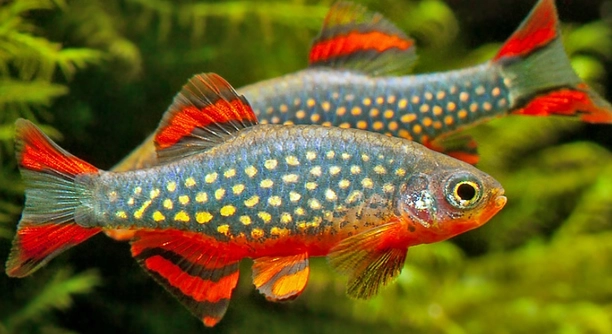
Do you ever find yourself wondering how to care for baby Celestial Pearl Danios in your aquarium? These tiny fish need proper feeding to grow healthy and strong, and their diet plays a crucial role in their early development.
Baby Celestial Pearl Danios primarily eat small, protein-rich foods such as infusoria, newly hatched brine shrimp, and finely crushed flake or micro-pellet foods. Providing a varied diet ensures optimal growth, strong immunity, and proper coloration during their early stages.
Maintaining a consistent feeding routine is key, and knowing the right foods can make all the difference in their development and overall health.
Feeding Basics for Baby Celestial Pearl Danios
Baby Celestial Pearl Danios require small, frequent feedings to support their rapid growth. In the first few weeks, they should be offered microscopic foods like infusoria or liquid fry foods. As they grow, finely crushed flake foods or micro-pellets can be introduced gradually. Consistency is important, as these tiny fish have fast metabolisms and can quickly show signs of malnutrition if underfed. Overfeeding can also be harmful, leading to water quality issues and digestive problems. Observing their behavior while feeding helps ensure each fry gets enough food without polluting the tank. Clean water and proper filtration are crucial when feeding baby fish, as uneaten food can quickly deteriorate water conditions. Maintaining a stable temperature and gentle water flow supports digestion and reduces stress. A balanced diet containing both protein and plant-based nutrients encourages vibrant coloration and healthy development, preparing them for life as adult fish in a community tank.
Proper feeding intervals prevent growth delays and keep water conditions safe for the fry.
Providing varied, nutrient-rich foods early on establishes healthy eating habits. It also reduces the risk of stunted growth. Fry that receive consistent, high-quality nutrition develop stronger immune systems and more vibrant colors. Incorporating different food types ensures they obtain all essential vitamins and minerals. Monitoring their feeding behavior can help identify health issues before they become serious. Small portions given multiple times daily are ideal for maintaining steady growth without overloading the tank’s filtration system. Some breeders prefer live foods like baby brine shrimp for their high protein content, while others supplement with prepared foods for convenience. Both approaches are effective if feeding is consistent and water quality is maintained. By combining these strategies, baby Celestial Pearl Danios grow robustly, developing natural behaviors and resilience. Over time, they adapt to a wider diet, making them easier to care for as adults.
Transitioning to Solid Foods
Gradual introduction of solid foods is important for fry survival. Small, crushed flakes or micro-pellets should be offered.
Once fry reach three to four weeks old, they can start eating larger particles and more substantial solid foods. Introducing these foods slowly prevents digestive stress and allows the fry to adapt comfortably. At this stage, high-quality flake foods, micro-pellets, and occasional live foods can be rotated to ensure complete nutrition. Maintaining small, frequent feedings helps prevent competition and ensures all fry receive adequate portions. Live foods remain beneficial, especially for promoting natural hunting instincts and encouraging active behavior. Observing the fry during feeding allows adjustment of portion sizes and frequency to match growth rates. Proper tank maintenance is essential, as uneaten solid foods can accumulate and affect water quality, increasing the risk of fungal or bacterial infections. By carefully monitoring the fry’s diet and environment, they develop into healthy, vibrant adults ready to thrive in a community tank. Consistency, variety, and attention to detail are key components in transitioning baby Celestial Pearl Danios to a stable, long-term feeding routine.
Ideal Water Conditions for Fry
Stable water conditions are essential for baby Celestial Pearl Danios. Temperature should remain around 24–26°C, with pH between 6.5 and 7.5. Gentle filtration and minimal water movement prevent fry from being stressed or injured.
Maintaining consistent water parameters supports growth and reduces disease risk. Frequent water changes, around 10–20% daily, help remove excess waste and keep ammonia and nitrite levels near zero. Using a sponge filter or air-driven filter is preferable, as it provides gentle filtration without sucking up the fry. Monitoring temperature and pH daily ensures a stable environment, preventing sudden shocks that can stunt growth or cause mortality. Clean water combined with proper feeding establishes a healthy foundation for developing fry.
Water hardness also influences fry development. Soft to moderately hard water is ideal, as it mimics their natural habitat. Avoid drastic fluctuations in any parameter, as baby Celestial Pearl Danios are highly sensitive. Regular observation of their behavior and water clarity can indicate when adjustments are needed. Maintaining these conditions consistently improves survival rates and encourages vibrant coloration as the fry mature.
Common Feeding Mistakes
Overfeeding is a frequent issue that harms water quality and fry health. Portion control is crucial to prevent uneaten food accumulation.
Feeding adult-sized portions or infrequent large meals can overwhelm the fry’s digestive system and pollute the tank. Providing small, measured amounts multiple times daily ensures fry consume all food without excess waste. Another mistake is offering inappropriate food sizes, which can lead to malnutrition or stunted growth. Using fine crushed flakes, micro-pellets, or live foods suited for fry supports proper development. Ignoring the importance of a varied diet also limits nutrient intake, affecting coloration, immunity, and overall growth. Careful attention to feeding amounts, frequency, and type prevents these issues and promotes a thriving population.
Temperature, water quality, and feeding schedule work together to influence growth and survival. Fry require a consistent routine, including regular observation for signs of stress or illness. Uneaten food should be removed promptly, and water changes must complement feeding to maintain optimal conditions. Rotating food types ensures balanced nutrition while promoting natural behavior. Using high-quality, easily digestible foods reduces the risk of digestive problems and keeps the fry active and healthy. A methodical approach to feeding and tank maintenance is essential for raising robust, vibrant baby Celestial Pearl Danios that develop into strong adult fish.
Best Live Foods for Fry
Live foods provide essential nutrients that promote growth and activity. Baby brine shrimp, microworms, and infusoria are ideal choices for fry.
These foods encourage natural hunting behavior and are easily digestible for tiny mouths. They also support immune system development and vibrant coloration, helping fry reach healthy adulthood.
Using Frozen and Prepared Foods
Frozen foods like baby brine shrimp or daphnia are convenient alternatives to live foods. They retain nutrients and reduce the effort of culturing live organisms. High-quality crushed flakes or micro-pellets can supplement nutrition, ensuring a balanced diet when live food is limited.
Feeding Frequency
Baby Celestial Pearl Danios require multiple small feedings daily. This helps prevent hunger, supports steady growth, and maintains water quality by reducing excess food.
What should I feed baby Celestial Pearl Danios in the first week?
In the first week, baby Celestial Pearl Danios need very small, protein-rich foods. Infusoria is ideal because it is tiny enough for their mouths. You can also use liquid fry foods if infusoria is not available. Feeding small amounts frequently, three to five times a day, ensures they get enough nutrition without overloading the tank. Avoid large particles, as fry cannot consume them and uneaten food can quickly pollute the water, increasing stress and risk of disease. Consistency is key for survival and healthy growth.
How often should I feed the fry?
Fry require multiple small feedings each day. Typically, three to five feedings spaced evenly throughout the day are sufficient. This schedule matches their fast metabolism and prevents periods of hunger that can stunt growth. Each feeding should provide only as much food as the fry can consume in a few minutes. Uneaten food should be removed immediately to maintain water quality. Gradually, as fry grow, you can reduce the frequency while increasing portion sizes. Regular observation of feeding behavior helps adjust the routine for optimal growth and health.
Can I feed only flake food to baby Danios?
Flake food alone is not sufficient for young fry. While crushed flake food or micro-pellets can be introduced gradually, they lack the small size and digestibility of live or liquid foods. Fry may struggle to eat flakes initially, leading to malnutrition. It is best to start with infusoria, baby brine shrimp, or microworms and slowly transition to flake foods as the fry grow. A mixed diet ensures they receive necessary proteins, vitamins, and minerals to develop strong bodies and vibrant coloration. Proper feeding variety reduces the risk of stunted growth.
Is live food necessary for healthy growth?
Live foods are highly beneficial for baby Celestial Pearl Danios. They are rich in protein, stimulate natural hunting instincts, and are easily digestible. While high-quality frozen or prepared foods can supplement their diet, live foods generally promote faster growth and stronger immune systems. Many breeders rely on live baby brine shrimp or microworms during the first few weeks to ensure fry reach their full potential. Introducing live foods regularly helps fry adapt to different textures and encourages active behavior. Consistency in feeding live foods contributes to overall health and vibrant coloration.
How do I transition fry to solid foods?
Transitioning should be gradual. Start offering finely crushed flakes or micro-pellets when fry are about three to four weeks old. Introduce solid foods alongside live or frozen options to prevent digestive stress. Observe their ability to eat and adjust portion sizes accordingly. Multiple small feedings remain important to avoid overfeeding and water pollution. By slowly increasing solid food intake, fry learn to consume a varied diet without risk of malnutrition. Consistent monitoring ensures each fry is eating enough while maintaining a clean tank environment. This step prepares them for long-term adult feeding.
What is the best way to avoid overfeeding?
Measure small portions before feeding to prevent excess. Observe fry closely and remove any uneaten food after a few minutes. Using a feeding schedule ensures they get enough without compromising water quality. Overfeeding can cause digestive issues and increase ammonia levels, which are harmful to fry. Rotating food types and sticking to recommended amounts prevents waste and supports healthy growth. Regular monitoring of water quality and fry behavior helps adjust feeding amounts if necessary. A disciplined approach reduces stress and promotes steady development.
Can I use frozen foods instead of live foods?
Frozen foods such as baby brine shrimp or daphnia are good alternatives when live foods are unavailable. They retain nutrients and reduce the effort of maintaining live cultures. Thaw frozen foods properly and rinse if necessary to remove excess salts. Frozen options can be combined with prepared micro-pellets or flakes to ensure balanced nutrition. While they may not stimulate natural hunting behavior as much as live foods, they provide essential proteins and vitamins for growth. Consistent feeding with frozen foods supports survival and proper development.
How long does it take for fry to eat adult-sized foods?
Fry usually start handling larger particles at three to four weeks old. By this age, they can gradually transition from microscopic foods to finely crushed flakes and micro-pellets. The process should be slow to avoid digestive stress. Observing their feeding behavior is essential to determine readiness. Some fry may take longer depending on growth rates. Providing a mixture of small and slightly larger foods helps them adapt comfortably. Regular feeding and monitoring ensure they get enough nutrition while preparing them for adult diets.
How important is water quality during feeding?
Water quality is critical for fry survival. Uneaten food quickly increases ammonia and nitrite levels, which are toxic. Using gentle filtration, performing small frequent water changes, and removing leftover food maintain safe conditions. Clean water reduces stress, prevents disease, and supports digestion. Feeding should always be balanced with tank maintenance. A stable environment enhances growth rates, coloration, and overall health.
What are signs of underfeeding or overfeeding fry?
Underfed fry appear thin, weak, and may grow slowly. Overfed fry show bloating, sluggish behavior, and excess food often accumulates in the tank. Monitoring appearance, activity, and water clarity helps identify feeding issues. Adjust portion sizes, frequency, or food type based on these observations. Maintaining balance promotes healthy, active fry with proper coloration.
This FAQ section provides practical guidance for feeding baby Celestial Pearl Danios, ensuring they grow strong, healthy, and vibrant. Consistency, observation, and careful selection of foods are key factors for successful fry rearing.
Raising baby Celestial Pearl Danios requires careful attention to their diet, water conditions, and overall environment. These tiny fish are delicate in their early stages, and proper care ensures they grow into healthy adults. Providing a balanced diet that includes live foods, frozen alternatives, and finely crushed flakes or micro-pellets is essential. Small, frequent feedings prevent hunger while avoiding overfeeding, which can quickly degrade water quality. Observing their behavior during feeding helps identify if any fry are struggling or not getting enough food. Consistency in feeding, combined with maintaining stable water parameters, supports strong growth, vibrant coloration, and a healthy immune system. It’s important to remember that even small changes in temperature, pH, or cleanliness can affect their development, so careful monitoring is necessary at every stage.
Water quality plays a major role in the success of raising fry. Ammonia, nitrite, and nitrate levels should be kept very low through gentle filtration and frequent partial water changes. Using sponge filters or air-driven filters ensures gentle water flow that won’t harm the fry while still keeping the tank clean. Regularly checking temperature and pH ensures a stable environment that mimics their natural habitat. Uneaten food should be removed promptly to avoid pollution, which can lead to disease or stress. Clean water also supports digestion, which is crucial for proper growth. By keeping the tank environment consistent and safe, the fry can feed, swim, and develop naturally without unnecessary stress or setbacks.
Monitoring and adjusting the feeding routine, diet variety, and tank maintenance over time will help the fry thrive. Transitioning them to solid foods should be gradual, and the type of food should be adapted as they grow. Live foods provide essential nutrients and encourage natural behaviors, but frozen and prepared options can supplement nutrition effectively. Paying attention to portion sizes and feeding intervals ensures each fry receives adequate nutrition while maintaining water quality. Observing their growth, coloration, and activity allows adjustments in care to meet their needs. With patience, consistency, and careful observation, baby Celestial Pearl Danios can develop into strong, healthy, and vibrant fish, making the process of raising them both rewarding and manageable.

Hello,
If you enjoy the content that we create, please consider saying a "Thank You!" by leaving a tip.
Every little bit helps us continue crafting quality advice that supports the health, happiness, and well-being of pets around the world, for pets of all shapes, sizes, and species.
We really appreciate the kindness and support that you show us!