
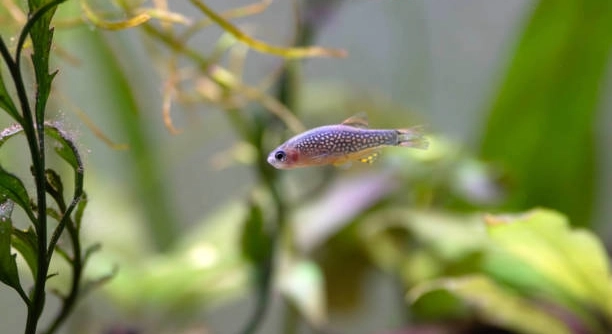
Are your aquarium plans including both Celestial Pearl Danios and Bettas? Many fish keepers enjoy vibrant, peaceful tanks, but combining species requires careful thought. Knowing their temperaments and environmental needs can prevent stress and maintain harmony.
Celestial Pearl Danios are generally compatible with Bettas, provided the tank is spacious and has plenty of hiding spots. Their small size and peaceful nature reduce aggression risks, making them suitable companions when proper precautions are followed.
Keeping these fish together requires attention to tank layout and monitoring behavior to ensure both species thrive comfortably.
Understanding Temperaments
Celestial Pearl Danios are small, peaceful fish that thrive in groups of at least six. They swim actively in the mid to upper levels of the tank and enjoy gentle currents. Bettas, on the other hand, are territorial and can be aggressive toward other fish, especially those with bright colors or flowing fins. Observing each fish’s behavior is crucial before combining them. The key is creating a balanced environment with plenty of hiding spots, plants, and decorations that allow the Danios to escape if the Betta becomes assertive. Tank size also matters. A minimum of 20 gallons is recommended to reduce stress and provide enough space for both species to establish their areas. Water conditions should be stable, with temperatures between 74 and 78°F, and slightly acidic to neutral pH levels. Feeding should be balanced, ensuring both species get adequate nutrition without overfeeding, which can affect water quality.
Careful observation ensures harmony and prevents stress for both species.
Even with peaceful species, monitoring interactions is necessary. Adjustments in tank setup or group size may be needed to maintain calm behavior consistently.
Tank Setup Tips
Provide dense planting and decorative hiding spots to reduce potential conflicts.
A well-planned tank encourages natural behavior and minimizes stress. Bettas need spaces to claim, while Danios benefit from open swimming areas and cover to dart through. Floating plants help Bettas feel secure and create shaded zones for Danios. Avoid placing tanks too close to windows or high-traffic areas, as sudden movements or light changes can trigger aggression. Filtration should maintain clear water without strong currents that can tire the Danios. Regular water changes are essential to keep both species healthy. Using driftwood or rock formations can create visual barriers that reduce direct confrontations. Positioning feeding zones in multiple locations prevents competition, especially if the Betta tries to dominate food access. Lighting should mimic natural cycles, giving both species a stable rhythm, and providing soft, indirect light can reduce stress. Observing daily interactions allows adjustments to placement of plants, decorations, or hiding spaces to ensure each fish feels secure and calm in the shared environment.
Feeding and Nutrition
Celestial Pearl Danios eat small flakes, micro pellets, and live or frozen foods. Bettas require protein-rich diets like pellets or frozen brine shrimp.
Providing a varied diet ensures both species get proper nutrition. Danios benefit from small portions several times a day, while Bettas need controlled feeding to prevent overeating. Balancing feeding schedules reduces competition and stress in the tank. Observing their eating habits helps identify health issues early. Using feeding rings or spreading food in different areas allows both species to access meals comfortably. Avoid overfeeding, as leftover food can pollute water and harm both fish.
Maintaining clear water is essential for digestion and overall health. Uneaten food should be removed promptly to protect water quality and prevent illness.
Proper diet and monitoring promote growth, vibrant colors, and long-term health, creating a stable environment for both Bettas and Celestial Pearl Danios to thrive together.
Monitoring Behavior
Watch for signs of aggression or stress regularly.
Even calm species can display territorial behaviors. Bettas may flare fins or chase smaller fish, while Danios may hide excessively. Early detection allows changes in tank layout, adding plants or decorations, or separating fish if needed. Consistent observation prevents escalation of conflicts.
Behavior patterns can shift with age, health, or tank conditions. Bettas may become more aggressive as they mature, and Danios may establish preferred swimming zones. Keeping a journal of interactions helps track trends and identify triggers. If stress is persistent, adjusting group sizes, adding hiding spots, or modifying feeding routines can reduce tension. Understanding subtle cues, such as rapid darting, fin clamping, or color changes, allows timely intervention to maintain harmony. Gradual acclimation for new fish also minimizes disruptions.
Water Conditions
Maintain stable water parameters to keep both species healthy. Temperature should stay between 74 and 78°F with a pH around 6.5 to 7.5.
Regular water changes of 20–25% weekly help prevent toxins and maintain clarity. Both species thrive in clean, well-oxygenated water with gentle filtration.
Tank Size and Space
A minimum of 20 gallons is recommended for compatibility. More space allows natural swimming patterns and reduces stress. Proper spacing and decorations help each species claim territories without constant confrontations. Providing both open areas and hiding spots encourages a balanced, peaceful environment for Bettas and Danios.
Breeding Considerations
Celestial Pearl Danios breed readily in community tanks. Bettas may become aggressive toward fry or overly curious, requiring monitoring.
Breeding requires attention to tank setup, separation if necessary, and careful observation. Spawning mops or dense plants protect eggs and fry. Managing interactions during this period ensures both species remain safe and stress-free.
FAQ
Are Celestial Pearl Danios aggressive toward Bettas?
No, Celestial Pearl Danios are naturally peaceful and do not typically show aggression. They tend to swim in groups and stay out of the Betta’s personal space. Problems usually arise only if the Betta is overly territorial or the tank is too small, limiting escape routes and hiding spots.
Can Bettas harm Celestial Pearl Danios?
Bettas may show curiosity or flare fins toward smaller fish. While not always harmful, some Bettas might chase or nip at Danios, especially if the tank is crowded or lacks hiding spaces. Observation is essential, and rearranging decorations or plants can reduce confrontations.
What is the ideal tank size for both species?
A tank of at least 20 gallons is recommended. This allows Danios to swim freely in groups while giving the Betta enough space to establish its own territory. More space reduces stress and prevents conflicts over limited swimming areas or food.
How many Celestial Pearl Danios should I keep with a Betta?
A group of six or more Danios works best. This ensures they feel secure and display natural schooling behavior, which distracts them from the Betta and prevents the Betta from singling out a fish. Smaller groups can increase stress and lead to aggression.
Do I need special decorations or plants for compatibility?
Yes, adding dense plants, driftwood, and hiding spots is highly beneficial. Danios can dart through cover to avoid the Betta, while the Betta can claim certain areas as its own. Floating plants also create shaded zones and reduce stress for both species.
What type of diet should I provide for both fish?
Feed Danios small flakes, micro pellets, and occasional live or frozen foods. Bettas require protein-rich pellets or frozen brine shrimp. Offering a varied diet ensures both species receive proper nutrition without competing aggressively for food. Feeding multiple areas prevents dominance.
How do I monitor stress or aggression?
Watch for chasing, fin clamping, rapid darting, or hiding. Danios that constantly hide or lose color may be stressed. Bettas flaring constantly or repeatedly targeting Danios may be aggressive. Daily observation helps identify issues early and allows adjustments in tank layout or group size.
Can both species breed in the same tank?
Danios breed readily in community tanks, while Bettas may pose a threat to fry if present. Using spawning mops or dense plants can protect eggs and fry. Careful monitoring during breeding ensures the safety and well-being of both species.
How often should I change the water?
Weekly water changes of 20–25% help maintain water quality. Both species need clean, well-oxygenated water. Stable temperature and pH levels are crucial. Uneaten food should be removed to prevent ammonia spikes that stress fish.
Are there signs that indicate I should separate the fish?
Persistent chasing, injury, or extreme stress are signs separation may be necessary. If the Betta continues aggressive behavior despite ample space and hiding spots, providing a separate tank or divider ensures the health and safety of both species.
Is it safe to introduce new fish later?
Introducing new fish requires gradual acclimation. New Danios or Bettas should be quarantined briefly to prevent disease spread. Adding fish slowly helps maintain established territories and reduces stress or aggression in the tank.
How can I reduce territorial disputes?
Distribute hiding spots, create visual barriers, and provide floating plants. Adjust feeding locations to avoid competition. Observing interactions daily helps identify triggers, allowing timely adjustments to tank layout, group sizes, or feeding routines.
Do water parameters affect compatibility?
Yes, stable temperature between 74–78°F and pH around 6.5–7.5 are ideal. Sudden changes can stress either species and increase aggression. Consistent monitoring with test kits ensures the tank environment remains suitable.
Can I keep other fish with Bettas and Danios?
Peaceful, non-fin-nipping species can be added carefully. Avoid large, aggressive, or fin-flaring fish. Compatibility depends on tank size, hiding spots, and observation of behavior. Gradual introductions help maintain harmony and prevent stress for all fish.
What is the best way to handle an aggressive Betta?
Provide additional hiding spots and visual barriers, and ensure plenty of swimming space. If aggression persists, consider using a tank divider or separate tank. Reducing stress and providing enrichment can minimize aggressive behavior over time.
Are there any health concerns when keeping both species together?
Stress from overcrowding, poor water quality, or aggressive behavior can lead to illness. Regular observation, proper feeding, and maintaining clean water are essential. Quarantining new fish helps prevent disease introduction. Healthy fish in a well-maintained environment usually coexist successfully.
Can temperature changes affect their behavior?
Yes, both species are sensitive to temperature fluctuations. Cooler water may slow Danios’ activity, while warmer water can increase Betta aggression. Keeping a stable range ensures both species remain active and reduces stress-related conflicts.
How do I know if my Betta is too aggressive?
Signs include repeated chasing, fin damage on Danios, and flaring at all tank inhabitants. Consistent aggressive behavior despite environmental adjustments indicates that separation may be required to protect smaller fish.
What is the role of tank layout in compatibility?
Tank layout is crucial. Open swimming areas for Danios and dense cover for hiding reduce conflict. Visual barriers, plants, and decorations help both species establish territories, prevent constant confrontations, and support natural behavior.
Can I mix juveniles and adults?
Mixing sizes requires caution. Juveniles are more vulnerable to aggressive behavior from adult Bettas. Providing ample hiding spots and monitoring interactions helps ensure the safety of smaller or younger fish.
How important is schooling behavior for Danios?
Schooling is essential for their well-being. Danios feel secure in groups and display natural behaviors. Proper schooling reduces stress and prevents one fish from being singled out by a Betta. Observing group cohesion helps maintain harmony in the tank.
What adjustments help new fish settle in?
Introduce fish slowly, rearrange decorations, and provide hiding spots. Floating plants and dimmed lighting reduce stress. Observing interactions closely during the first days helps identify potential conflicts early.
Are there visual cues to recognize stress in Danios?
Pale coloration, clamped fins, excessive hiding, and reduced swimming indicate stress. Early recognition allows quick adjustments to tank layout, water quality, or social grouping, preventing escalation and maintaining health.
How can I maintain harmony long-term?
Regular observation, stable water conditions, balanced feeding, and thoughtful tank layout support peaceful coexistence. Gradual changes, added hiding spots, and monitoring interactions help prevent stress or aggression over time, allowing both species to thrive together.
Final Thoughts
Keeping Celestial Pearl Danios and Bettas together is possible with careful planning and attention to detail. Both species have different temperaments and requirements, but a properly set up tank allows them to coexist peacefully. Danios are naturally active and enjoy swimming in groups, while Bettas are more territorial and require areas to claim as their own. Providing a tank with enough space, at least 20 gallons, is essential. This gives Danios room to school and move freely, while allowing the Betta to establish a territory without feeling crowded. Observing interactions closely in the early days helps identify any signs of stress or aggression before they escalate into serious problems. Using plants, decorations, and visual barriers allows both species to feel secure. Dense plants or driftwood provide hiding spaces for Danios, while floating plants and shaded zones help the Betta feel comfortable and less likely to chase other fish. The right combination of open swimming areas and hiding spots creates a balanced environment that reduces conflict and encourages natural behaviors for both species.
Feeding and nutrition play a crucial role in maintaining harmony in a shared tank. Celestial Pearl Danios thrive on small flakes, micro pellets, and occasional live or frozen foods. Bettas require a protein-rich diet, such as pellets or frozen brine shrimp. Offering food in multiple locations prevents competition and ensures both species receive proper nutrition. Monitoring feeding habits also allows early detection of health issues. Uneaten food should be removed promptly to maintain water quality, as leftover food can quickly pollute the tank and lead to stress or illness. Regular water changes of 20–25% per week help maintain stable water conditions, including temperature and pH, which are essential for both species. Keeping water clean and well-oxygenated supports their immune systems and prevents problems that could trigger aggression or stress. Attention to diet and water quality ensures the long-term health and vibrancy of both Bettas and Danios.
Behavior and monitoring remain important even after initial compatibility is established. Bettas may become more territorial over time, and Danios may develop preferred swimming zones that influence interactions. Watching for signs of stress, such as fin clamping, pale coloration, or hiding, helps prevent conflicts before they become serious. Tank layout adjustments, such as adding more plants, rearranging decorations, or increasing hiding spots, can reduce tension. Grouping Danios in larger numbers allows them to feel secure, and observing their schooling behavior ensures they are comfortable in the presence of a Betta. Gradual acclimation of new fish is also important to maintain balance. Consistent care, stable conditions, and thoughtful observation create a peaceful tank where both Celestial Pearl Danios and Bettas can thrive, displaying natural behaviors and vibrant colors over time. A well-maintained tank fosters harmony, reduces stress, and allows both species to coexist comfortably.

Hello,
If you enjoy the content that we create, please consider saying a "Thank You!" by leaving a tip.
Every little bit helps us continue crafting quality advice that supports the health, happiness, and well-being of pets around the world, for pets of all shapes, sizes, and species.
We really appreciate the kindness and support that you show us!