
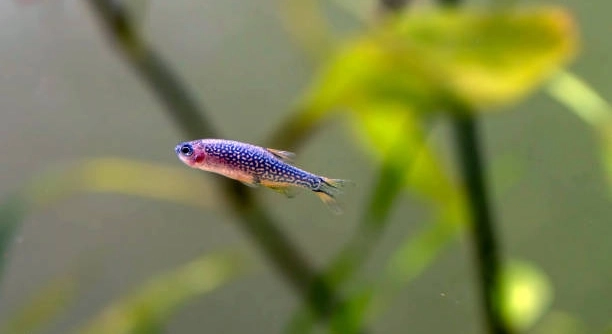
Do Celestial Pearl Danios prefer gentle movement in their aquatic home, or do they thrive in still waters? These small, colorful fish are popular for home aquariums, and understanding their natural tendencies can improve their well-being.
Celestial Pearl Danios generally prefer a mild current that mimics their natural stream habitats. Moderate water flow supports their activity levels, encourages healthy swimming patterns, and maintains optimal oxygenation, while excessive current may stress these delicate fish and disrupt their normal behavior.
Knowing the right flow for your tank helps maintain a peaceful and healthy environment for these vibrant fish. Their comfort in the water directly impacts their long-term health and vitality.
Understanding Celestial Pearl Danios’ Natural Habitat
Celestial Pearl Danios originate from slow-moving streams in Southeast Asia. Their natural environment features gentle currents, plenty of vegetation, and clear water. This setting allows them to swim actively without being overwhelmed by strong water flow. In home aquariums, mimicking these conditions is essential for their comfort. Overly strong currents can tire them quickly, causing stress and reducing appetite. They enjoy swimming among plants and hiding in small crevices, which provides security and encourages natural behaviors. Observing how they interact with the current in your tank can help you adjust water flow accordingly. Filtration systems that produce moderate movement are ideal, as they maintain water quality without creating turbulence. Properly replicating their habitat ensures that these small fish remain healthy, display their vibrant colors, and exhibit active behavior. Maintaining stable water parameters alongside gentle current is key to creating a supportive environment for Celestial Pearl Danios.
Maintaining a moderate current keeps your fish active and healthy while minimizing stress in their home tank environment.
A balanced tank setup combines a gentle flow with ample hiding spots, allowing Celestial Pearl Danios to explore freely. Plants, rocks, and decorations should be arranged to reduce strong currents in resting areas. This setup encourages natural swimming patterns and ensures fish can escape from faster flows. Proper water circulation prevents stagnant areas, which helps maintain oxygen levels and overall tank health. Observing how the fish respond over time allows you to fine-tune flow, creating a stable environment.
Adjusting Tank Flow for Comfort
Start with a low to moderate water flow to suit these small fish.
Gradually increasing flow lets the Danios adapt without causing stress. Adjust filter output or redirect current with decorations to control movement effectively.
Flow adjustments require careful observation. Too much current can push fish into corners or make feeding difficult, while too little may reduce oxygenation and activity. Test your setup by watching the fish over several hours or days. They should swim freely without signs of fatigue. Incorporating plants and gentle barriers helps create calm zones and areas of activity, giving them choices in how to interact with the water. Balancing flow with tank layout ensures a stable environment. Additionally, periodic monitoring of water quality ensures the current complements filtration and maintains healthy oxygen levels. Small tweaks in filter placement or using spray bars can make a significant difference. These adjustments allow Celestial Pearl Danios to thrive, encouraging natural behavior, bright coloration, and overall vitality.
Ideal Tank Setup for Celestial Pearl Danios
A tank between 20 to 30 gallons works well, providing enough space for swimming and plants. Dense vegetation and smooth decorations create hiding spots while maintaining moderate water flow for activity and comfort.
Arranging the tank with live plants, rocks, and driftwood allows these small fish to explore and feel secure. They prefer areas where they can dart through plants or rest behind decorations without being exposed to strong currents. A substrate that is smooth and non-abrasive protects their delicate fins while providing natural aesthetics. Positioning the filter or pump to produce gentle flow prevents turbulence, keeping the water oxygenated but calm. This setup encourages natural behavior, reduces stress, and allows the Danios to maintain bright coloration and healthy activity levels consistently.
Using a heater to keep water around 74–78°F ensures the Danios stay comfortable. Stable temperature and water quality, along with moderate current, create a supportive environment that promotes long-term health and vitality for these delicate fish.
Feeding and Activity Patterns
Celestial Pearl Danios thrive on small, frequent feedings of high-quality flakes, micro-pellets, or live foods.
Offering varied diet supports vibrant colors and maintains their energy for swimming against gentle currents. Observing feeding behavior helps gauge comfort levels.
They are naturally active throughout the day, often swimming in small groups. Feeding in multiple spots encourages movement and reduces competition. Live or frozen foods like brine shrimp or daphnia enhance their diet and stimulate natural hunting instincts. Maintaining consistent feeding times while monitoring consumption ensures that all fish receive adequate nutrition without overfeeding. Proper diet combined with moderate current keeps them healthy, energetic, and encourages display of their full colors and patterns. Gentle flow allows them to swim naturally while resting in calm areas when needed, creating a balanced, active environment.
Maintaining Water Quality
Regular water changes of 20–25% weekly keep the tank clean and stable. Testing parameters like ammonia, nitrite, and nitrate ensures a healthy environment for Celestial Pearl Danios.
Using a gentle filter maintains oxygenation while avoiding strong currents. Proper filtration helps prevent waste buildup and keeps water clear.
Compatible Tank Mates
Small, peaceful fish like neon tetras, rasboras, or pygmy corydoras work well with Celestial Pearl Danios. Avoid aggressive or larger species that may stress them.
Keeping similar-sized, calm fish allows for natural schooling behavior. Compatibility ensures all fish can swim comfortably without conflict or excessive competition for food.
Observing Stress Signs
Lethargy, clamped fins, or loss of color indicate stress in Danios. Monitoring behavior helps detect issues early.
Stress can stem from poor water quality, strong currents, or aggressive tank mates. Addressing the root causes promptly ensures the fish remain healthy and active.
FAQ
Do Celestial Pearl Danios need a strong current?
No, they thrive in gentle to moderate currents that mimic their natural stream habitats. Strong currents can exhaust them, making swimming difficult and increasing stress. Moderate flow keeps water oxygenated while allowing them to swim comfortably and exhibit normal behavior.
Can they live in a still tank?
Yes, they can survive in a mostly still tank, but some movement is beneficial. A small, gentle current helps maintain water quality, encourages activity, and reduces stagnant areas that can promote waste buildup or low oxygen levels.
What is the ideal water flow for a home aquarium?
The flow should be moderate, enough to create gentle ripples across the surface without forcing the fish into hiding or tiring them. Positioning the filter or pump output near a tank corner can diffuse the current while still promoting circulation.
How do I know if the current is too strong?
Signs include fish constantly struggling to swim, hiding behind plants or decorations, and avoiding certain areas of the tank. They may also show clamped fins, loss of color, or reduced appetite if stressed by strong flow.
Do decorations affect water flow?
Yes, plants, rocks, and driftwood can help diffuse the current. Creating calm zones allows Danios to rest while still benefiting from oxygenation. Strategic placement reduces turbulence and encourages natural swimming patterns.
Will other fish affect current preferences?
Aggressive or larger fish can create turbulence and make smaller Danios feel stressed. Peaceful, similar-sized species are ideal because they swim calmly, maintaining a more consistent water flow without causing panic or hiding behavior.
How often should I check water parameters?
Testing ammonia, nitrite, nitrate, and pH weekly is recommended. Stable parameters reduce stress and support healthy activity, complementing the effects of proper water flow. Sudden changes can be more harmful than gentle, consistent currents.
Does water temperature influence flow preferences?
Yes, they prefer 74–78°F. When water is too cold or warm, they may struggle more with current, reducing activity or showing signs of fatigue. Consistent temperature supports comfortable swimming and natural behavior.
Are live plants necessary for managing current?
While not strictly required, live plants help diffuse flow and provide shelter. They create areas where fish can rest and explore without being forced by strong currents. Plants also contribute to oxygenation and a more stable, balanced tank environment.
Can filtration systems create proper currents?
Yes, using a filter with adjustable output or a spray bar allows control over water movement. Positioning the filter correctly and using decorations to soften the flow ensures the current remains gentle yet effective for oxygenation and waste management.
How do I adjust current for small tanks?
In tanks under 20 gallons, redirect the filter output toward a wall or plant cluster to reduce flow speed. Even small adjustments can create a calmer area while maintaining circulation throughout the tank.
Will Danios adapt to changes in flow?
They can adapt gradually. Sudden changes in current can cause stress. Increasing or decreasing flow slowly over days allows them to acclimate while maintaining healthy swimming habits.
Is schooling behavior affected by current?
Yes, gentle currents encourage Danios to swim together naturally. Strong currents may scatter the group or force fish into hiding, disrupting social interaction and reducing activity levels.
How does current impact feeding?
Moderate flow helps distribute food evenly, allowing all fish to eat without competition or chasing behavior. Strong currents can push food to one side, causing some fish to miss meals or overeat in calmer areas.
Can I use air stones to create movement instead of a filter?
Air stones create bubbles and mild surface ripples, which can help oxygenate the water. However, they do not replace the water movement and filtration a proper filter provides. Combining both gives the best results for flow and water quality.
Should I change flow for breeding tanks?
Yes, reduce strong currents when breeding. Calm water allows eggs and fry to remain safe. Gentle movement is still beneficial to maintain oxygen levels, but intense flow can damage delicate eggs or fry.
Do Danios show preference for certain areas in the tank?
They often rest in calmer corners or behind plants while swimming actively in open areas with moderate current. Observing their movement can guide adjustments to flow, decorations, and feeding spots.
Is it harmful to leave the tank without flow for a day or two?
Short periods are usually fine if oxygen levels remain stable. Extended lack of flow can reduce oxygenation and allow debris to settle, which can negatively affect health over time.
Can temperature fluctuations worsen current-related stress?
Yes, sudden temperature drops or increases make fish less capable of handling flow. Consistent temperature supports their swimming ability and overall tolerance to moderate currents.
Do juvenile Danios have different flow needs?
Young fish may be more sensitive to strong currents. Providing calmer zones with low to moderate flow helps juveniles develop swimming skills without exhaustion or stress.
How do I balance flow with tank maintenance?
Ensure the filter promotes circulation while keeping calm resting areas. Combining gentle flow, regular water changes, and proper decorations maintains a stable, comfortable environment for both active and resting fish.
Can strong current affect coloration?
Yes, stress from excessive flow may dull their vibrant colors. Comfortable conditions with moderate movement help Danios display full, bright patterns consistently.
Are there seasonal changes in flow preference?
Not in a home aquarium with stable temperature and lighting. Danios maintain similar current preferences year-round if water parameters remain consistent and gentle flow is provided.
Does tank shape impact current?
Long tanks allow smoother circulation, while small or tall tanks can create localized strong currents. Adjust filter position and use decorations to diffuse flow effectively in different shapes.
Can multiple filters create better flow?
Yes, two filters at lower output can produce uniform circulation without overwhelming the fish. Using multiple devices helps distribute gentle flow throughout the tank evenly.
Should flow be adjusted for nighttime?
Reducing flow slightly at night can mimic natural conditions, allowing fish to rest more comfortably while maintaining oxygenation. Sudden changes should be avoided to prevent stress.
Do Danios prefer horizontal or vertical currents?
Horizontal currents along the tank length are preferable. Vertical flow can push them up or down unnaturally, causing fatigue or stress. Smooth, side-to-side water movement is ideal for natural swimming patterns.
Is it necessary to observe Danios daily?
Yes, daily observation helps detect stress, illness, or discomfort due to current, temperature, or tank mates. Early intervention ensures they remain healthy and active.
How long does it take for Danios to adjust to a new flow?
Adjustment can take several days. Gradual changes in current, combined with stable water parameters and proper tank layout, help them acclimate comfortably without stress.
Does water hardness affect flow preference?
Water hardness has little direct effect on flow preference, but stable parameters support overall health, making fish more resilient to moderate currents and reducing stress-related behavior.
Can substrate type influence current impact?
Yes, finer substrates reduce strong turbulence near the bottom, while coarse gravel may create small eddies. Choosing the right substrate helps maintain gentle water movement and protects fins.
How do I maintain balance between activity and rest?
Provide areas with gentle current for swimming and calm corners with plants for resting. Observation ensures the fish use both zones naturally, maintaining energy levels and reducing stress throughout the day.
What adjustments help stressed Danios in strong currents?
Add plants, rocks, or driftwood to break up flow, reduce filter output, and provide hiding areas. Gradual changes allow fish to regain comfort and resume normal activity.
Does lighting interact with current effects?
Bright lighting may encourage activity, making fish more aware of currents. Combining moderate light with gentle flow ensures natural swimming without overstimulation.
Is it safe to use decorations to completely block current?
Blocking all flow is not recommended, as circulation is necessary for oxygenation and waste management. Create calm zones while maintaining gentle movement elsewhere for a balanced environment.
Do Danios enjoy flow near the surface?
Yes, they often swim near the surface in moderate flow, exploring and feeding. Avoid strong surface turbulence, which can stress them or make eating difficult.
Can adjusting flow prevent disease?
Proper flow reduces stagnant areas, limiting waste accumulation and bacterial growth. Combined with good water quality, this helps prevent common illnesses and supports immune health.
How often should I tweak tank flow?
Adjust only when necessary, based on observation. Minor, gradual tweaks are safer than frequent changes, ensuring fish remain comfortable and stress-free.
Are all Celestial Pearl Danios affected the same way by current?
Individual tolerance varies slightly. Some may explore stronger flow more willingly, while others prefer calm zones. Observing the group allows for adjustments that suit most fish in the tank.
Can current influence breeding behavior?
Yes, gentle flow encourages natural swimming and pairing behavior, but strong currents may disrupt courtship or scatter eggs. Calm water zones are essential for successful breeding.
Is there a maximum flow speed recommended?
There is no exact speed, but flow should allow fish to swim comfortably without fatigue. Excessive velocity that forces constant effort is stressful and should be avoided.
Do seasonal changes outside the aquarium affect current needs?
No, indoor tanks with stable temperature and lighting maintain consistent flow requirements. The fish respond primarily to the controlled conditions inside their tank.
Can adding more Danios change current needs?
Yes, larger groups require slightly more circulation to distribute oxygen evenly. Careful adjustment ensures flow remains gentle while supporting active schooling behavior.
How does current interact with water surface agitation?
Moderate surface ripples improve oxygen exchange and simulate natural conditions. Too much agitation can create stress, making fish avoid certain areas. Balance is key for comfort.
Do Danios prefer calm corners or flowing areas during rest?
They typically rest in calmer zones behind plants or decorations while using flowing areas for active swimming. Providing both ensures natural activity-rest patterns and reduces stress.
Can current affect tank cleaning routines?
Yes, gentle flow prevents debris from settling in corners but may move particles around. Regular siphoning and monitoring keep the tank clean without disturbing the fish.
Should flow be adjusted during vacations or long absences?
Maintain moderate, stable flow. Avoid turning off equipment completely, as lack of circulation can harm oxygen levels and water quality over extended periods.
Does filter type matter for current management?
Yes, adjustable filters or sponge filters allow precise flow control. Using equipment suited to tank size and fish behavior ensures comfort and healthy swimming conditions.
Can Danios tolerate short bursts of strong flow?
Brief exposure is usually safe, but repeated or prolonged strong currents cause stress, reduce feeding, and may lead to injury or illness. Gradual adjustments are better.
Are artificial plants as effective as live plants for current control?
Yes, artificial plants can create calm zones, but live plants offer additional benefits like oxygenation and nutrient uptake, contributing to overall tank stability.
How do I balance flow with aquarium decorations?
Position rocks, driftwood, and plants to diffuse strong currents while maintaining gentle movement throughout the tank. Observation ensures the fish can swim and rest comfortably.
Can water additives affect flow tolerance?
Not directly, but maintaining proper water chemistry ensures fish remain healthy and better able to handle moderate currents without stress or illness.
Should I adjust current for newly introduced Danios?
Yes, start with gentle flow to reduce stress. Gradually increasing flow allows them to acclimate while maintaining normal activity and swimming behavior.
Does tank size influence current management?
Yes, larger tanks may require multiple flow sources for uniform circulation, while smaller tanks need careful positioning to prevent strong localized currents. Proper planning ensures balanced movement for all fish.
Can Celestial Pearl Danios survive with no current at all?
They can survive, but lack of movement may reduce oxygen levels and activity. Gentle circulation is recommended for long-term health, feeding, and natural behavior.
Are currents necessary for disease prevention?
Moderate flow reduces stagnant areas and promotes better oxygenation, indirectly helping prevent common illnesses. However, it cannot replace proper hygiene, feeding, and water monitoring.
Do juvenile and adult Danios have different flow needs?
Juveniles prefer calmer areas to develop swimming skills. Adults tolerate moderate flow better, but both benefit from a combination of gentle movement and resting zones.
Can over-filtration harm Danios?
Yes, excessive output can create strong currents that stress small fish. Using adjustable filters or diffusers helps maintain gentle, comfortable water movement.
Does current affect their swimming speed naturally?
Moderate flow encourages active, natural swimming without overexertion. Strong currents can force unnatural movement, causing fatigue and stress, while stagnant water reduces activity.
Is water depth a factor in current preference?
Yes, deeper tanks may have stronger vertical currents. Positioning filters and decorations carefully ensures horizontal, gentle flow suitable for natural swimming.
How do I monitor current effectiveness?
Observe swimming behavior, feeding, and resting patterns. Fish should swim freely, interact with flow naturally, and use calm areas without signs of fatigue or stress.
Can excessive currents lead to fin damage?
Yes, constant struggle against strong flow can cause tears, clamping, or wear on delicate fins. Proper adjustments prevent injury and maintain overall health.
Do water changes affect current management?
Large or rapid water changes can temporarily alter flow. Adjusting equipment afterward ensures stable circulation and reduces stress on fish.
Is it necessary to adjust flow for seasonal tank lighting changes?
No, lighting changes do not significantly alter current needs. Gentle, consistent flow combined with stable water parameters remains ideal.
Can multiple species in one tank complicate current needs?
Yes, combining species with different swimming abilities may require flow adjustments to ensure all fish remain comfortable without stress or competition.
Do Danios prefer current near the surface or bottom when resting?
They typically rest near the bottom or behind decorations, using calm zones to conserve energy while swimming actively in moderate surface currents.
How does water clarity relate to current?
Proper flow prevents stagnant debris accumulation, maintaining clarity. Calm water areas combined with gentle circulation support both visibility and fish health.
Is observing group behavior essential for flow adjustments?
Yes, watching the school allows you to identify stress points, preferred areas, and appropriate flow levels to suit the majority of fish in the tank.
Can seasonal temperature changes outside affect current needs indoors?
Not in a temperature-controlled indoor tank. Stable water conditions maintain the same gentle flow requirements regardless of external seasons.
Does water movement affect oxygen levels significantly?
Yes, moderate flow enhances oxygenation, supporting healthy respiration and overall activity. Stagnant areas risk reduced oxygen, impacting fish health.
How long can Danios tolerate temporary high flow?
Short bursts are manageable, but prolonged exposure leads to fatigue, stress, and potential injury. Gradual adjustments are safer for long-term well-being.
Do Danios interact differently with plants in flowing areas?
Yes, they often swim through open water in moderate flow and rest among plants or behind decorations, balancing activity and comfort naturally.
Can adjusting flow improve feeding efficiency?
Yes, gentle currents distribute food more evenly, allowing all fish to access meals without competition or stress. Strong currents may push food away from smaller fish.
Is monitoring color a good indicator of stress related to current?
Yes, faded colors, clamped fins, and hiding behavior indicate stress from strong flow or environmental issues. Adjustments restore natural appearance and comfort.
Can filter maintenance impact current stability?
Yes, clogged filters reduce flow, while sudden cleaning can temporarily increase turbulence. Maintaining filters ensures consistent, comfortable water movement for the fish.
Do Danios prefer consistent flow throughout the day?
Yes, stable flow supports normal behavior, feeding, and activity. Sudden fluctuations can cause stress and disrupt natural swimming patterns.
Can overpopulation affect current management?
Yes, crowded tanks may require slightly stronger circulation to prevent stagnation, but care is needed to avoid creating excessive stress for smaller fish.
How can I safely increase current if needed?
Gradually adjust filter output, redirect flow with decorations, or use diffusers to prevent sudden changes. Observing fish response ensures comfort and healthy activity.
Does water chemistry impact current tolerance?
Indirectly, stable pH, hardness, and temperature allow fish to handle moderate currents comfortably. Poor water chemistry increases stress and reduces flow tolerance.
Are Danios more active during certain times of the day?
Yes, they tend to be most active during daylight hours. Gentle flow during this time encourages natural swimming, while calmer zones allow rest at night.
Can current adjustments affect breeding success?
Yes, calm areas are necessary for egg laying and fry survival. Moderate flow elsewhere supports oxygenation without disturbing sensitive stages of reproduction.
Do different breeds of Danios have varying current needs?
Celestial Pearl Danios generally have similar preferences. Other Danio species may tolerate slightly stronger or weaker flow, but gentle, moderate movement suits most small, peaceful varieties.
Should flow be reduced during illness?
Yes, calm conditions reduce stress and allow fish to recover while maintaining necessary oxygenation and water quality.
Can external vibrations mimic strong currents?
Yes, tapping the tank or moving equipment near the tank can create sudden water movement that stresses small Danios. Minimizing vibrations helps maintain comfort.
How do I know if my adjustments are effective?
Observe swimming patterns, feeding behavior, color, and resting spots. Comfortably swimming, active, and brightly colored fish indicate successful flow management.
Is there a safe method to measure flow speed?
Using floating objects or specialized flow meters can give a rough estimate. Observing fish behavior is often the best practical guide for safe and effective flow adjustments.
Do Danios benefit from alternating calm and flowing zones?
Yes, it mimics natural conditions, allowing active swimming and rest. Strategic decorations help create this balance, supporting health and natural behavior.
Can overfeeding worsen current-related stress?
Yes, excess food can accumulate, creating stagnant areas. Moderate flow helps distribute food evenly, preventing localized stress and maintaining water quality.
Does tank height matter for current management?
Yes, taller tanks can create stronger vertical currents. Positioning filters and decorations to promote horizontal, gentle flow ensures safe swimming conditions for small Danios.
Do Danios adjust naturally to minor flow changes?
Yes, they can adapt gradually. Sudden shifts cause stress, but incremental changes allow comfortable acclimation and maintain activity and health.
Can background noise affect current preference?
Indirectly, vibrations or sudden sounds may startle fish, causing temporary avoidance of flowing areas. Reducing disturbances supports natural swimming behavior.
Are sponge filters suitable for current control?
Yes, sponge filters provide gentle flow and filtration, creating calm areas while ensuring water quality and oxygenation.
Should I consider flow when adding tank mates?
Yes, species that produce excessive movement or aggression may disrupt calm zones. Adjust flow to suit the majority while maintaining safety and comfort.
**Does tank cover affect water
Celestial Pearl Danios are small, vibrant fish that thrive in carefully managed aquariums. Understanding their preference for gentle to moderate water flow is essential for their health and well-being. In their natural habitat, these fish inhabit slow-moving streams with plenty of vegetation, which provides both shelter and a stable environment. Mimicking these conditions in a home tank is key to creating a comfortable space where the fish can swim naturally, explore, and rest without stress. Moderate currents help maintain oxygenation and prevent stagnant areas while still allowing the fish to enjoy active movement. A tank that combines gentle water flow, hiding spots, and plants allows these Danios to express their natural behavior and maintain bright coloration, which is an important indicator of overall health.
Maintaining water quality and stability in the aquarium goes hand in hand with managing the current. Regular water changes, careful monitoring of parameters such as ammonia, nitrite, nitrate, and pH, and appropriate filtration all contribute to a stable environment. The current produced by the filter should be enough to circulate water effectively without overwhelming the fish. Decorations like plants, rocks, and driftwood can help diffuse stronger currents, creating calmer zones where fish can rest. Observing the fish regularly is important to detect any signs of stress or discomfort, such as clamped fins, lethargy, or loss of color. These observations can guide adjustments to the water flow, tank layout, or feeding practices to ensure the fish remain comfortable and healthy. Small, consistent changes are better than sudden adjustments, as Celestial Pearl Danios respond better to gradual adaptation.
Feeding and activity patterns also interact with current preferences. These fish enjoy small, frequent feedings, which can be distributed evenly throughout the tank to encourage movement and reduce competition. Moderate currents help food circulate and stimulate natural swimming behavior, while calm zones allow the fish to rest when needed. The combination of proper flow, a balanced diet, stable water conditions, and thoughtful tank design promotes longevity, vitality, and overall well-being. By maintaining a moderate current, suitable tank layout, and attentive care, the aquarium becomes a stable, supportive environment for Celestial Pearl Danios. This attention to detail ensures that the fish remain active, healthy, and display their full vibrant colors, making the aquarium both visually appealing and a safe, comfortable habitat for the fish.

Hello,
If you enjoy the content that we create, please consider saying a "Thank You!" by leaving a tip.
Every little bit helps us continue crafting quality advice that supports the health, happiness, and well-being of pets around the world, for pets of all shapes, sizes, and species.
We really appreciate the kindness and support that you show us!