
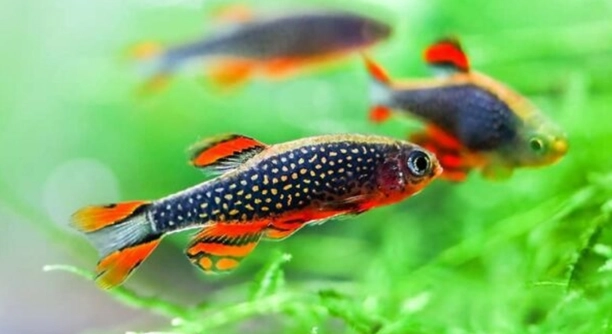
Have you ever noticed your Celestial Pearl Danios swimming oddly or floating awkwardly in your tank? These tiny, sparkling fish can seem delicate, and sometimes their movements may hint at hidden health issues that require attention.
Celestial Pearl Danios can develop swim bladder issues, which affect their buoyancy and swimming stability. These problems often arise from dietary imbalances, overfeeding, or infections, and prompt identification is essential to maintain the fish’s overall health and wellbeing.
Understanding the causes and signs of swim bladder problems can help you keep your Danios healthy. Small adjustments in diet and tank care make a significant difference in their daily life.
Common Causes of Swim Bladder Issues
Many Celestial Pearl Danios develop swim bladder problems due to simple factors in their daily care. Overfeeding is one of the most frequent issues, as excess food can expand in the gut and press against the swim bladder. Uneven or poor-quality diets also contribute, especially if the fish consume too many dry flakes or foods high in filler. In some cases, sudden temperature changes or poor water quality can stress the fish, weakening their digestive system and leading to buoyancy problems. Even infections, including bacterial or parasitic infections, may impact the swim bladder indirectly by affecting internal organs. Observing your fish carefully for unusual swimming patterns, floating on one side, or sinking can help you identify problems early. Adjusting feeding habits, offering high-quality foods, and keeping the tank stable can prevent most cases. Regular water changes and monitoring conditions reduce the risk of infections that may worsen swim bladder issues.
Overfeeding and poor water conditions are major contributors to swim bladder problems in Celestial Pearl Danios. Proper care and a balanced diet are key preventive measures.
Once swim bladder issues appear, small changes can make a big difference. Feeding peas or lightly blanched vegetables may help ease digestion, while slightly adjusting water temperature can improve metabolism. Isolating affected fish temporarily reduces stress from tankmates. Consistency is important, as repeated overfeeding or sudden environmental changes often prolong recovery. If symptoms persist, consulting a vet experienced with fish health can provide targeted treatment, including medications for infections. Even small tanks need stable conditions, as these tiny fish are sensitive to fluctuations. Observing feeding behavior, checking for bloating, and keeping the tank clean help prevent future problems. Patience is required, as swim bladder recovery is gradual. With careful attention, most Danios regain normal swimming patterns, allowing them to thrive and display their characteristic shimmering colors and active personalities.
Signs to Watch For
Unusual swimming patterns are the easiest way to spot swim bladder issues. Look for floating sideways, sinking, or struggling to maintain position in the water.
Early recognition helps prevent complications and supports quicker recovery. Changes in appetite, bloating, or lethargy often accompany swimming difficulties, providing additional clues that intervention is needed. Monitoring these behaviors allows for timely adjustments in diet or tank conditions, reducing the stress on the fish. Observing multiple fish can help determine if the issue is isolated or affecting more of the tank. Consistent habits, such as feeding small portions and keeping the water stable, are essential. Acting early ensures that corrective measures are effective, and affected Danios regain their normal swimming and buoyancy.
Swim bladder problems may start subtly, with a Danio floating slightly higher or lower than usual. Over time, the imbalance becomes more noticeable, with fish tilting or struggling to swim straight. Bloating or visible abdominal swelling often accompanies the issue, along with reluctance to feed. Environmental stressors like temperature swings, water hardness, or ammonia spikes can aggravate these problems, making careful tank maintenance critical. Even minor infections can impact internal organs, interfering with buoyancy. Addressing issues promptly with dietary adjustments, gentle water changes, and stress reduction measures supports recovery. Tracking progress daily allows you to see improvements or detect worsening symptoms early. Over time, proper care restores normal swimming, letting Celestial Pearl Danios resume their natural, lively movements. Consistency in feeding and water management is vital for long-term health and prevention.
Preventing Swim Bladder Problems
Keeping your Celestial Pearl Danios healthy starts with careful feeding. Avoid overfeeding and stick to small portions. High-quality, easily digestible foods reduce the risk of bloating and digestive issues that can affect the swim bladder.
Balanced diets are essential for maintaining proper buoyancy. Offering a mix of micro pellets, occasional live or frozen foods, and vegetables like peas ensures the fish get the nutrients they need without stressing their digestive system. Monitoring their eating habits helps prevent leftover food from fouling the water, which can also lead to stress and health problems. Tank conditions must remain stable, with consistent temperature and clean water. Even minor changes in pH or hardness can impact their internal organs. Observing your Danios daily allows you to spot early signs of discomfort or bloating, letting you adjust feeding or environment quickly to prevent swim bladder issues.
Water quality plays a crucial role in prevention. Frequent water changes, proper filtration, and testing for ammonia, nitrites, and nitrates keep the environment safe. Avoid overcrowding, as stress from too many fish can weaken immunity and trigger digestive problems. Gentle aeration ensures oxygen levels remain steady. Introducing new fish or plants gradually helps maintain stability. A stable, clean tank combined with careful feeding minimizes the chances of swim bladder problems, allowing your Danios to swim normally and remain active. Keeping an eye on water parameters and fish behavior ensures long-term health and buoyancy control.
Treating Swim Bladder Issues
Immediate dietary adjustments can help relieve swim bladder discomfort. Feeding cooked peas or specialized sinking foods can ease bloating and improve digestion.
Adjusting water temperature slightly can support metabolic function, making recovery smoother. Isolating affected fish reduces stress and prevents bullying from tankmates. Observing their swimming patterns helps track improvement, while regular water changes maintain optimal conditions. In mild cases, these simple interventions often restore normal buoyancy within days. Avoid sudden feeding changes or medications without guidance, as these can cause more stress. Patience and consistent care are key to helping Danios regain balance, ensuring they return to active, healthy swimming.
For persistent swim bladder problems, professional intervention may be necessary. A veterinarian familiar with fish can diagnose underlying infections or organ issues contributing to buoyancy problems. Medications or treatments are sometimes required to target bacterial or parasitic causes. Meanwhile, maintain excellent tank conditions and a controlled diet to support recovery. Avoid overcrowding and minimize stressors, including sudden temperature shifts or aggressive tankmates. Monitoring daily progress allows you to adjust care routines promptly. Even with treatment, recovery can take time, so consistent observation and gentle care are essential. By combining veterinary guidance with proper home care, most Celestial Pearl Danios can regain normal swimming and thrive.
Feeding Adjustments for Recovery
Switching to easily digestible foods helps your Danios regain normal buoyancy. Cooked peas, small amounts of daphnia, or high-quality sinking pellets reduce bloating and stress on the swim bladder.
Avoid overfeeding during recovery. Feed small portions once or twice a day and remove any uneaten food. Consistency helps the digestive system reset and supports faster improvement in swimming patterns.
Water Temperature and Tank Stability
Slightly raising or lowering the water temperature can help improve metabolism and digestion. Stable, clean water reduces stress and prevents additional health issues. Maintaining proper oxygen levels and avoiding sudden fluctuations keeps your fish comfortable, allowing the swim bladder to recover naturally over time.
Monitoring and Observation
Watch your Danios closely for changes in swimming behavior or appetite. Early detection of any setbacks allows for prompt adjustments in care. Regular observation ensures that treatments and feeding adjustments are effective and that recovery continues smoothly.
Isolating Affected Fish
Separating affected fish in a small, stable tank can reduce stress from tankmates. This controlled environment supports digestion and recovery while you monitor their condition closely.
What are the main signs of swim bladder issues in Celestial Pearl Danios?
Swim bladder problems usually show up as unusual swimming patterns. Fish may float on one side, sink to the bottom, or struggle to stay upright. Bloating in the abdomen, loss of appetite, and lethargy are also common signs. Monitoring these behaviors daily helps catch issues early and improves recovery chances.
Can diet alone fix swim bladder problems?
Diet plays a big role, but it is not always enough. Feeding cooked peas or easily digestible foods can relieve mild bloating and improve buoyancy. However, if the issue is caused by infection, stress, or water quality, dietary changes alone may not fully resolve it. Proper tank care and observation are also important.
How quickly do Danios recover from swim bladder issues?
Recovery depends on the cause and severity. Mild cases caused by overfeeding or minor bloating may improve within a few days. More serious problems, including infections or organ-related issues, can take weeks. Consistent care, stable water conditions, and proper feeding accelerate recovery and reduce the risk of relapse.
Is it safe to medicate fish for swim bladder issues?
Medication should only be used if recommended by a veterinarian. Antibiotics or antiparasitic treatments may be necessary if an infection is detected. Overuse or improper medication can stress the fish further. Gentle home care like diet adjustments and stable water conditions often help mild cases without the need for drugs.
Should I isolate a Danio with swim bladder problems?
Isolating affected fish in a small, quiet tank can reduce stress from tankmates. A controlled environment supports digestion and allows you to monitor feeding and behavior closely. Isolation also prevents bullying or accidental injury while the fish is weak or struggling with buoyancy.
How important is water quality in preventing swim bladder issues?
Water quality is critical. Poor water conditions, sudden temperature changes, or high levels of ammonia and nitrites can stress Danios and trigger digestive or organ problems. Frequent water changes, proper filtration, and consistent monitoring of pH and hardness help keep fish healthy and prevent swim bladder problems from developing.
Can stress cause swim bladder problems?
Yes. Stress from overcrowding, aggressive tankmates, sudden temperature fluctuations, or excessive handling can weaken a Danio’s immune and digestive systems. Even minor stressors over time can lead to buoyancy issues. Maintaining a calm, stable tank environment reduces stress and helps prevent swim bladder problems.
Are some Danios more prone to swim bladder problems than others?
Younger fish or very small individuals are often more sensitive. Fish with genetic predispositions or previous health issues may also be at higher risk. Providing stable conditions, balanced diets, and careful observation ensures these more vulnerable fish are protected and less likely to develop problems.
Can swim bladder issues return after recovery?
Yes. Recurrence often happens if the root cause, such as overfeeding, poor water quality, or stress, is not addressed. Maintaining proper feeding routines, clean water, and low-stress conditions helps prevent future episodes and keeps Danios swimming normally.
When should I seek professional help?
If dietary adjustments and tank care do not improve buoyancy within a few days, or if symptoms worsen, consulting a veterinarian is recommended. Persistent bloating, unusual swimming, or lethargy may indicate infections or organ problems that require professional treatment. Early intervention increases the chances of full recovery.
How can I prevent swim bladder problems long-term?
Consistent feeding schedules, high-quality food, stable water conditions, and careful monitoring are key. Avoid overfeeding, sudden changes in temperature, and overcrowding. Regularly observe your fish for early signs of stress or digestive problems. Preventive care ensures Danios remain active, healthy, and free from swim bladder issues.
Are live foods helpful for recovery?
Live foods like daphnia can stimulate digestion and help relieve mild constipation. Use them in small amounts to avoid overfeeding. They provide nutrients and encourage natural foraging behavior, which supports digestive health and reduces pressure on the swim bladder.
Swim bladder problems in Celestial Pearl Danios can be worrying, but they are usually manageable with the right care. These tiny fish are sensitive, and their buoyancy is closely linked to diet, water quality, and stress levels. Overfeeding, poor-quality food, and sudden changes in tank conditions are often the main triggers. Observing your fish closely for unusual swimming patterns, bloating, or reduced appetite can help catch issues early. Small adjustments, like feeding easily digestible foods or cooked peas, can often resolve mild cases. Keeping water clean and stable reduces additional stress on their digestive system and swim bladder. Even minor changes in pH, hardness, or temperature can affect their internal organs, so consistent monitoring is important.
For more persistent swim bladder issues, isolation and supportive care are essential. Moving an affected Danio to a smaller, stable tank reduces stress from tankmates and allows for careful observation. Maintaining optimal water conditions and controlling feeding help the fish recover more quickly. If symptoms continue despite these measures, professional guidance from a veterinarian experienced with fish may be necessary. They can identify underlying infections or organ problems and suggest appropriate treatments. Patience is key because recovery can take days or even weeks depending on the cause. Gradual improvement in swimming behavior, appetite, and buoyancy is a good sign that the fish is on the path to recovery.
Prevention is always better than treatment. Providing a balanced, high-quality diet and avoiding overfeeding are the most effective long-term strategies. Regular water changes, proper filtration, and careful monitoring of temperature and water parameters create a safe environment that supports healthy digestion and buoyancy. Minimizing stress by avoiding overcrowding and sudden disturbances also helps keep swim bladder problems at bay. By combining careful feeding, clean water, and attentive observation, you can ensure your Celestial Pearl Danios remain active, vibrant, and free from swim bladder issues. Long-term care not only prevents recurring problems but also supports the fish’s overall health, allowing them to display their natural behaviors and shimmering colors in the tank.

Hello,
If you enjoy the content that we create, please consider saying a "Thank You!" by leaving a tip.
Every little bit helps us continue crafting quality advice that supports the health, happiness, and well-being of pets around the world, for pets of all shapes, sizes, and species.
We really appreciate the kindness and support that you show us!