
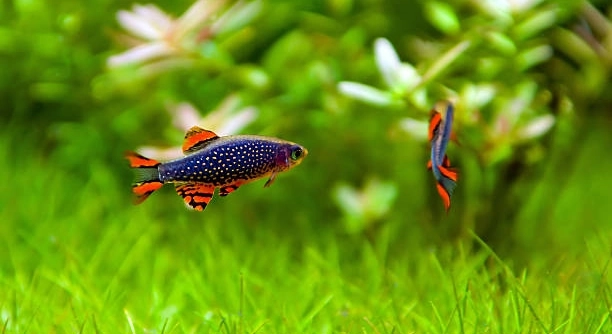
Male and female Celestial Pearl Danios are small, vibrant fish often found in home aquariums. Many hobbyists enjoy keeping them, but distinguishing between the sexes can be tricky for those new to this species.
Male Celestial Pearl Danios are generally more slender with brighter, more intense coloration, while females are slightly rounder, particularly when carrying eggs, and display softer, less vivid patterns. Observing body shape and color intensity provides reliable sex differentiation.
Learning to identify males and females will improve breeding success and tank harmony. Recognizing these differences enhances your understanding and care of these delicate fish.
Physical Differences Between Male and Female Celestial Pearl Danios
Male Celestial Pearl Danios are usually slimmer and display brighter, more vivid colors than females. Their fins are slightly longer, and their overall body shape is streamlined. Females tend to be rounder, especially near the belly, which becomes more noticeable when they carry eggs. The difference in coloration is often the easiest way to tell them apart, as males have richer blue tones and more distinct red spots, while females appear paler. Observing these traits over time helps confirm the sex of your fish, as lighting and stress can temporarily alter appearance. Size can also be a clue, with females generally growing slightly larger and fuller-bodied than males. Watching behavior in groups can assist, too, as males often display mild territorial tendencies or more active swimming patterns, while females are calmer. Proper observation ensures accurate identification and improves care.
Recognizing these physical traits is essential for proper tank management and breeding practices. Accurate sexing makes a visible difference in fish behavior and tank dynamics.
By carefully monitoring coloration, body shape, and fin length, you can confidently distinguish males from females. Noticing subtle changes over time helps you understand growth patterns and reproductive readiness, allowing you to manage the tank more effectively. Observing interactions also provides insights into individual fish personalities and social structure. Recording traits like size, color intensity, and body fullness ensures long-term accuracy when identifying new or young fish. Combining visual inspection with behavioral cues gives a complete picture, improving both breeding success and general care. This approach minimizes mistakes and keeps your tank environment balanced and healthy.
Behavioral Differences to Watch
Male Celestial Pearl Danios are more active swimmers and often display subtle territorial behavior.
Females usually stay in the middle or bottom of the tank, moving in a calmer, more deliberate manner. Males often chase each other briefly during feeding or when showing off their colors, which is part of establishing hierarchy but rarely causes harm. Observing these interactions makes it easier to spot which fish are dominant and which are more passive. Pairing behavior also differs, as females may approach males for brief interactions during breeding periods, while males perform small display routines to attract attention. Noting these tendencies is particularly useful in community tanks, where multiple fish species coexist. Awareness of these patterns helps you anticipate mating behavior and maintain harmony. Recognizing the differences in swimming patterns and interactions allows for better tank management and monitoring of health or stress signs.
Behavioral observation complements physical identification, giving a clearer understanding of sex distinctions. Males and females show predictable patterns that are subtle but reliable over time. Watching them daily, you can identify breeding readiness, prevent unnecessary stress, and ensure a balanced social structure in your tank. For example, males displaying bright colors and more active movements usually indicate health and vigor, while females’ calmer behavior helps maintain peace among groups. These insights allow careful planning of breeding setups and provide a safer, more enjoyable environment for your fish. Combining both behavioral and physical cues ensures accurate identification and improves overall care quality, making your Celestial Pearl Danios thrive.
Breeding Considerations
Breeding Celestial Pearl Danios requires recognizing males and females accurately. Males display brighter colors and active swimming, while females are rounder and calmer. Correct pairing improves spawning success and reduces stress in the tank environment.
Selecting healthy, mature fish is essential. Males should have vibrant coloration and a sleek body, while females need a well-rounded belly, signaling readiness to lay eggs. Tank conditions must be stable, with clean water, consistent temperature, and gentle filtration. Providing plants or spawning mops encourages egg-laying and protects eggs from accidental consumption. Observing interactions helps determine compatibility before introducing multiple pairs to prevent aggression or stress-related behaviors.
During spawning, males chase females gently, displaying colors and performing subtle dances. Females deposit eggs on plants or spawning mops, with males immediately fertilizing them. Removing adults after spawning prevents predation. Proper monitoring ensures higher survival rates and reduces complications. Adjusting feeding and maintaining water quality are crucial for fry development. Consistent observation of behavior and physical traits supports a successful breeding program.
Tank Setup and Environment
Celestial Pearl Danios thrive in planted tanks with plenty of hiding spots. Stable water parameters are essential, with moderate filtration and gentle water flow.
Providing a temperature range of 22–26°C supports healthy activity and breeding. pH should remain slightly acidic to neutral, around 6.5–7.0, and ammonia, nitrite, and nitrate levels must be controlled. Plants, moss, and small caves mimic natural habitat, offering shelter and reducing stress. Substrate should be soft to avoid injury, and lighting kept moderate to prevent overheating and encourage natural behavior. Frequent small feedings of high-quality food maintain energy levels.
Community tank considerations are important. Celestial Pearl Danios coexist well with small, non-aggressive species. Avoid large or aggressive fish that may intimidate or harm them. Monitoring social dynamics prevents bullying or overcrowding. Separating fry and adults ensures survival, while plants provide additional hiding spaces. Regular water changes maintain quality, reducing disease risks. Balancing temperature, pH, and social interactions creates an environment where both males and females display natural behavior, encouraging healthy growth and reproduction over time.
Feeding Differences
Male and female Celestial Pearl Danios often have slightly different appetites. Females, especially when carrying eggs, tend to eat more frequently and in larger quantities.
Males usually consume smaller amounts at a time but remain active hunters of microfoods. Monitoring feeding helps maintain health and body condition for both sexes.
Observing Growth Patterns
Females generally grow slightly larger and rounder than males, particularly in the belly area as they mature. Males remain more streamlined, with faster color development. Tracking size and shape over time allows accurate sex identification and ensures proper nutrition and tank management.
Color Intensity Variations
Males display brighter, more vivid colors, which often become more pronounced during social interactions or breeding periods. Observing these changes helps distinguish them from females.
FAQ
How can I quickly tell a male from a female Celestial Pearl Danio?
Males are slimmer, with brighter blue coloring and more vivid red spots on their bodies. Females are rounder, especially in the belly area, and their colors are softer. Observing both shape and coloration over several days gives the most accurate identification.
Do females change color during breeding?
Yes, females often display slightly darker colors or a faint pinkish hue in the belly when ready to spawn. This change is subtle but helps signal reproductive readiness. Males, on the other hand, intensify their colors to attract females during the breeding period.
Is size a reliable way to determine sex?
Size alone is not completely reliable, but it can help. Females tend to be slightly larger and fuller-bodied than males, particularly as they carry eggs. Males remain more streamlined, with slightly smaller overall body mass. Observing multiple traits together is the most accurate method.
Do behavior patterns indicate sex?
Yes. Males are generally more active and may display mild territorial behaviors, chasing other males or performing subtle dances to attract females. Females are calmer, often staying in the middle or lower regions of the tank. Watching interactions over time confirms sex differences.
Can young Celestial Pearl Danios be sexed?
Juveniles are harder to distinguish because coloration and body shape are not fully developed. It’s best to wait until they are at least four to six months old, when males show brighter colors and females begin to round out.
Will diet affect appearance or coloration?
A high-quality diet supports vibrant colors and overall health. Males may appear duller if underfed, while females may not develop a full, rounded belly without proper nutrition. Regular feeding of balanced foods ensures both sexes maintain their natural appearance.
Do males fight with each other?
Males can show brief chasing behavior, especially during feeding or breeding periods, but it is usually not harmful if there is enough space. Observing tank dynamics and providing hiding spots helps reduce stress and prevents injuries.
How can I encourage breeding?
Pairing healthy males and females in a well-planted tank with stable water parameters encourages spawning. Males display their colors and perform small dances, while females lay eggs on plants or spawning mops. Removing adults afterward prevents egg predation.
Are there risks in keeping multiple males together?
Multiple males can compete, showing chasing and territorial displays. This usually does not cause harm if the tank is large enough and has plenty of plants or hiding spaces. Overcrowding increases stress, so careful observation is necessary.
How often should I check for health issues when sexing?
Daily observation is ideal. Changes in coloration, behavior, or appetite can indicate stress or illness. Recognizing these early allows prompt action, keeping both males and females healthy and maintaining reliable identification over time.
Can lighting affect color perception?
Yes. Strong or poor lighting can make males appear less vivid or females appear brighter than usual. Observing fish under consistent, moderate lighting ensures accurate sex identification.
Do stress or tank conditions change behavior or appearance?
Stress can dull colors in males and cause females to appear thinner or less active. Maintaining stable water temperature, pH, and cleanliness is crucial to allow natural behavior and clear physical traits to show.
Should I separate males and females outside of breeding?
It is not necessary for general care. Males and females usually coexist peacefully if the tank is spacious, planted, and maintained. Separation is only recommended during breeding control or if aggressive behavior appears.
How can I tell if a female is ready to lay eggs?
A round, slightly pinkish belly and calm behavior are good indicators. Females may approach males or move around plants in preparation. Monitoring these cues helps determine the optimal time for breeding.
Do males lose color after breeding?
Males may temporarily appear less bright after breeding but usually regain intensity within a few days if healthy. Regular observation and proper nutrition support rapid recovery of natural coloration.
Are there signs of illness that mimic sex differences?
Yes, stress, illness, or poor water conditions can dull colors, reduce body fullness, or change behavior, which may mimic sex differences. Always consider health and environment before concluding sex identification.
How long does it take to confidently identify the sex of Celestial Pearl Danios?
With careful observation of shape, coloration, size, and behavior, most fish can be accurately sexed within a few weeks, especially once they are mature and well-fed in a stable tank environment.
What is the most reliable combination of traits for sexing?
The best approach combines body shape, belly fullness, coloration intensity, fin length, and behavior. Observing all these traits together ensures accurate identification and helps plan breeding or tank management effectively.
Final Thoughts
Understanding the differences between male and female Celestial Pearl Danios is essential for anyone keeping these fish. Correctly identifying the sexes helps with tank management, breeding efforts, and maintaining harmony among the fish. Males are typically slimmer, more vividly colored, and display slightly longer fins. Females are rounder, especially when carrying eggs, and have softer coloration. These physical differences are the easiest to spot over time, but observing behavior and growth patterns is equally important. Paying attention to both appearance and activity levels ensures accurate identification and allows you to provide the right care. Consistent observation over weeks helps confirm sex and prevents mistakes that can cause stress or overcrowding in the tank.
Breeding Celestial Pearl Danios requires careful planning and understanding of their natural behaviors. Males perform small display routines to attract females, while females respond by choosing suitable spots for egg-laying. Providing a planted tank with hiding spaces and stable water conditions encourages natural behaviors. Temperature, pH, and water quality should be monitored regularly to maintain a healthy environment. Feeding both males and females high-quality, nutrient-rich foods supports coloration, growth, and reproductive readiness. Proper tank setup and observing interactions between fish reduces stress and increases spawning success. Removing adults from the spawning area after eggs are laid helps protect the eggs and ensures a higher survival rate for the fry.
Observing Celestial Pearl Danios closely also offers insight into their social structure and behavior. Males can show mild territorial tendencies, chasing each other or displaying colors during feeding or breeding periods, while females remain calmer. Recognizing these patterns is important for maintaining balance in the tank. Over time, you will notice subtle changes in size, color, and behavior that indicate health, breeding readiness, or stress levels. Combining physical traits, behavior, and environment observation allows for accurate sexing and promotes healthier, happier fish. Understanding these differences enhances your care and allows the fish to thrive in a stable, well-maintained tank environment.

Hello,
If you enjoy the content that we create, please consider saying a "Thank You!" by leaving a tip.
Every little bit helps us continue crafting quality advice that supports the health, happiness, and well-being of pets around the world, for pets of all shapes, sizes, and species.
We really appreciate the kindness and support that you show us!