
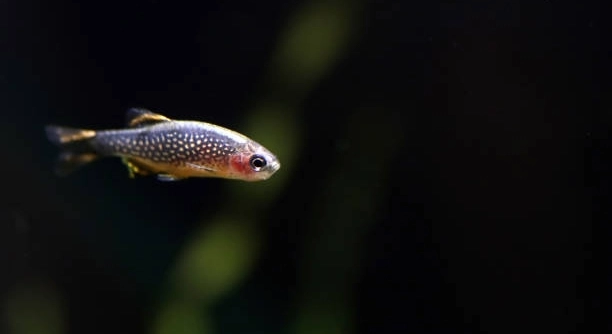
Celestial Pearl Danios are small, colorful fish that brighten up any freshwater aquarium. Their delicate size and peaceful nature make them a joy to care for, but feeding them the right diet is essential for their health and longevity.
Feeding Celestial Pearl Danios Betta food is generally not recommended as a staple. Betta food is high in protein and fat, which can overwhelm the danios’ smaller digestive systems and lead to health complications over time.
Ensuring the right nutrition for your danios is important for their growth and vibrant colors. The following guide will help you make informed choices for their diet.
Why Betta Food Isn’t Ideal for Celestial Pearl Danios
Betta food is designed for a carnivorous fish with a large appetite and a high-protein requirement. Celestial Pearl Danios are omnivores with small stomachs, which makes them sensitive to overly rich diets. Feeding them Betta food regularly can cause bloating, constipation, and long-term digestive issues. Their natural diet in the wild includes tiny insects, micro-crustaceans, and plant matter, which provide balanced nutrients in small portions. Even high-quality Betta flakes or pellets contain concentrated protein that is difficult for danios to digest efficiently. While a tiny pinch occasionally might not harm them, making it a staple can lead to obesity, shortened lifespan, and duller coloration. Keeping their diet varied with specialized danio flakes, micro-pellets, or live and frozen foods is the best way to maintain their health. Observing how they respond to new foods can prevent overfeeding and nutritional imbalance. Feeding carefully helps these tiny fish stay active and vibrant.
Occasional use of Betta food as a treat is acceptable, but it should never replace their primary diet.
Introducing a diet suited to their needs ensures better growth, immunity, and coloration. Over time, providing proper nutrition prevents common health issues. Regularly rotating foods like daphnia, brine shrimp, and algae-based flakes keeps them engaged and healthy, supporting their natural feeding behaviors. Monitoring portion sizes and avoiding high-fat options helps maintain optimal body condition, keeping the danios lively. Their small mouths and quick metabolism require careful attention, as overfeeding can lead to water quality problems, which in turn affects their overall well-being. A consistent, balanced diet fosters a thriving aquarium environment, benefiting both the fish and the ecosystem of the tank.
Safe Feeding Alternatives for Celestial Pearl Danios
Micro-pellets, flakes, and tiny frozen foods are ideal for daily feeding.
High-quality flakes or pellets designed for small tropical fish provide balanced nutrition and prevent digestive strain. Live or frozen foods like brine shrimp, daphnia, and mosquito larvae mimic their natural diet and support growth. Feeding small portions multiple times a day ensures the fish eat efficiently without leftover food polluting the tank. A varied diet enhances color, energy, and overall health, while supporting natural foraging behavior. Avoid large, dense foods meant for bigger fish, as they are hard for danios to chew and digest. Maintaining water quality is easier when their diet is controlled, helping prevent stress-related illnesses. Paying attention to their appetite and adjusting portions accordingly ensures the best results, keeping the tank clean and the fish healthy. Regular observation helps detect early signs of dietary issues.
Feeding Celestial Pearl Danios properly starts with understanding their nutritional needs and choosing foods suited to their size and metabolism. Live foods offer protein and movement that stimulate natural hunting instincts. Micro-pellets and specialized flakes ensure essential vitamins and minerals are supplied consistently. Combining these options prevents monotony and encourages a healthy appetite, which is crucial for growth and coloration. Avoiding high-fat or oversized foods protects them from obesity and digestive problems. Splitting meals into two or three small servings per day mimics their natural grazing habits and reduces uneaten food. Monitoring the tank for leftover particles helps maintain clean water, which directly impacts their health. Over time, this balanced approach supports longevity and vitality, keeping them energetic, colorful, and resistant to disease. Careful feeding not only nurtures their bodies but also enhances their behavior, making them more active and interactive within the tank.
Monitoring Your Danios’ Health
Regular observation is essential to ensure your Celestial Pearl Danios remain healthy. Watch for changes in color, activity, and appetite, as these can indicate dietary or environmental issues that need prompt attention.
Noticing subtle changes in behavior can prevent serious problems. Lethargy, loss of color, or reduced swimming may signal overfeeding, poor water quality, or unsuitable food. By keeping a consistent feeding schedule and providing balanced nutrition, you reduce stress and promote long-term well-being. Observing their eating habits helps determine portion sizes and identify any fish that may be struggling to compete for food, ensuring all members of the school remain healthy and active.
Checking water quality alongside diet is equally important. High ammonia or nitrate levels can affect digestion and immunity, while proper filtration and regular water changes create a stable environment. Pairing clean water with a suitable diet keeps your danios vibrant, energetic, and resistant to common illnesses. Maintaining these routines is key to their overall longevity and happiness in the aquarium.
Signs of Overfeeding
Overfeeding can cause bloating, swim issues, and water quality problems in your aquarium. It is important to feed small amounts and monitor consumption carefully.
Excess food leads to uneaten particles settling at the bottom, which quickly decomposes and increases ammonia and nitrate levels. High nutrient levels can trigger algae growth and create an unhealthy environment for your fish. Physically, overfed danios may appear swollen, with reduced swimming agility and lethargy. Consistent observation allows adjustments in feeding amounts before serious issues arise, keeping the tank clean and the fish healthy.
Balancing feeding portions with observation is the most effective way to prevent overfeeding. Even healthy foods can become harmful if given in excess, and small fish like Celestial Pearl Danios are particularly vulnerable. By serving controlled portions and splitting meals into two or three small servings, you ensure they eat everything offered without waste. Monitoring the tank for leftover food also helps maintain clean water and prevents digestive stress. A careful feeding routine combined with water maintenance protects your fish from obesity, digestive issues, and related health problems, supporting their long-term vitality and active behavior.
Adjusting to New Foods
Switching your danios to a proper diet should be gradual. Introduce small amounts of flakes or micro-pellets alongside their usual food.
Observe how they react to each new option. If they accept it well, slowly reduce Betta food over several days to prevent digestive upset.
Benefits of Live and Frozen Foods
Live and frozen foods provide protein and nutrients closer to what Celestial Pearl Danios would eat naturally. Options like daphnia, brine shrimp, and microworms improve digestion, coloration, and energy levels. Regular inclusion in the diet encourages natural hunting behaviors and prevents boredom. Mixing these foods with high-quality flakes or micro-pellets ensures a balanced diet while keeping meals varied. Small portions delivered multiple times per day support healthy metabolism and reduce leftover waste in the tank. This approach maintains water quality and promotes a thriving aquarium environment for your danios.
Maintaining a Feeding Schedule
A consistent feeding routine prevents overfeeding and ensures all fish receive proper nutrition. Adjust portions according to tank size and number of fish.
FAQ
Can Celestial Pearl Danios eat Betta pellets occasionally?
Yes, small amounts of Betta pellets can be given as an occasional treat, but they should not replace their main diet. Betta food is rich in protein and fat, which can overwhelm the smaller digestive system of danios. A tiny pinch once in a while won’t harm them, but frequent feeding can cause bloating, constipation, and long-term health problems. It is best to focus on foods specifically designed for small tropical fish while using Betta food sparingly.
What types of food are best for Celestial Pearl Danios?
Flakes, micro-pellets, and tiny frozen or live foods like brine shrimp, daphnia, and microworms are ideal. Flakes and micro-pellets provide consistent vitamins and minerals, while live and frozen foods mimic their natural diet, encouraging natural hunting behaviors. Mixing different options keeps the diet balanced and prevents monotony.
How often should I feed my danios?
Small, frequent feedings are best. Feeding twice or three times daily with small portions ensures that all fish get enough without leaving excess food in the tank. Overfeeding can reduce water quality and cause digestive issues. Observing their appetite and adjusting portions helps maintain their health and activity.
Can Betta food change my danios’ color?
Feeding Betta food regularly is unlikely to enhance their coloration. In fact, the high protein and fat content can stress their digestive system and lead to duller colors over time. Proper flakes, micro-pellets, and live foods that include carotenoids and other color-enhancing nutrients are better for maintaining vibrant hues.
Is it safe to switch diets suddenly?
No, sudden changes in diet can cause stress and digestive upset. Introduce new foods gradually by mixing them with the current diet. Slowly increase the new food portion over several days while reducing the old food. This approach prevents bloating, constipation, and refusal to eat.
How can I tell if my danios are overfed?
Signs of overfeeding include bloated bellies, lethargy, and leftover food accumulating in the tank. Overfed danios may also swim slower or struggle to compete for food. Monitoring portion sizes and feeding frequency is essential to avoid these issues and maintain both fish health and water quality.
Do danios need live food to stay healthy?
While not strictly necessary, live food is highly beneficial. It provides essential nutrients, stimulates natural foraging instincts, and improves activity levels. Including live or frozen foods a few times per week enhances their diet and supports growth, energy, and coloration.
Can I mix Betta food with danio flakes?
Yes, mixing small amounts occasionally is acceptable during transitions or as a treat. The primary focus should remain on a diet tailored for Celestial Pearl Danios. Flakes and micro-pellets provide balanced nutrition without the risks of overloading their system.
What happens if I feed only Betta food?
Feeding exclusively Betta food can lead to obesity, digestive problems, and a shortened lifespan. Their metabolism and digestive system cannot handle the high protein and fat content consistently. Long-term reliance on Betta food may also weaken immunity and cause dull coloration.
How do I keep my danios interested in their food?
Vary their diet by rotating flakes, micro-pellets, live foods, and frozen options. Serving small portions multiple times per day mimics natural grazing habits and keeps them active. Observing their behavior during feeding ensures all fish get the nutrition they need without overfeeding.
Are frozen foods as good as live foods?
Frozen foods are a convenient and safe alternative to live foods. They retain essential nutrients and reduce the risk of introducing parasites or diseases. Thawing before feeding and offering in small portions ensures your danios can consume them easily.
How important is portion control?
Portion control is critical for small fish like Celestial Pearl Danios. Overfeeding not only affects digestion but also water quality. Using tiny amounts that can be eaten within a few minutes prevents waste buildup and keeps the tank clean. Regular observation helps fine-tune feeding amounts.
Can juvenile danios eat Betta food?
Juvenile danios are even more sensitive than adults. Betta food should generally be avoided for young fish because the high protein and fat content can cause serious digestive problems. Stick to finely crushed flakes, micro-pellets, and suitable live foods for healthy growth.
What is the best feeding routine for a community tank?
Feed small amounts multiple times a day, offering a mix of flakes, micro-pellets, and occasional live or frozen foods. Ensure all species in the tank receive food appropriate for their size and metabolism. Observation is key to prevent overfeeding and maintain harmony among different fish.
How long can danios go without Betta food?
They do not need Betta food at all. Their nutritional needs are met through flakes, micro-pellets, and live or frozen foods. Omitting Betta food entirely is safe and recommended for long-term health and proper growth.
Are there any risks from occasional Betta treats?
Occasional Betta treats are generally safe if given in very small amounts. The key is moderation. Overuse can cause digestive issues, bloating, and poor water quality, which affects overall health. Always monitor the response after feeding new treats.
How do I introduce new foods successfully?
Start with tiny portions mixed with familiar foods. Gradually increase the new food while reducing the old food over several days. Observe the fish to ensure they are eating and adjusting well. Slow introduction minimizes stress and digestive problems.
What should I avoid feeding my danios?
Avoid high-fat, large-sized, or hard-to-digest foods, including Betta food as a staple. Also avoid human food or processed items. Stick to flakes, micro-pellets, and suitable live or frozen foods designed for small tropical fish.
How important is water quality with diet changes?
Water quality is closely tied to feeding. Uneaten food decomposes, increasing ammonia and nitrate levels, which stress fish and affect digestion. Regular water changes, proper filtration, and careful portion control keep the tank clean and support healthy growth.
Can diet affect danio behavior?
Yes, poor nutrition or overfeeding can reduce activity, cause lethargy, and affect schooling behavior. A varied, balanced diet encourages swimming, foraging, and interaction within the school, keeping them lively and healthy.
Do danios need vitamins or supplements?
High-quality flakes and micro-pellets usually contain the necessary vitamins and minerals. Occasionally offering live or frozen foods adds natural nutrients. Supplements are rarely needed unless advised by a professional due to specific deficiencies.
How do I prevent digestive issues?
Feed appropriate portions of small, easily digestible foods. Introduce new foods gradually and avoid high-fat options like Betta food as a staple. Monitor water quality and remove leftover food to maintain a healthy digestive system.
Can danios eat algae-based foods?
Yes, including algae-based flakes or spirulina supplements provides plant-based nutrients and fiber. These foods support digestion, color, and overall health, complementing protein-rich options like live or frozen foods.
What are the signs of a healthy diet?
Bright coloration, active swimming, normal appetite, and consistent growth indicate a proper diet. Clear eyes, strong fins, and healthy body shape are additional markers that your feeding routine is working well.
How do I rotate foods effectively?
Offer flakes or micro-pellets one day, frozen foods another, and live foods a few times per week. Rotating types keeps meals balanced, provides essential nutrients, and encourages natural foraging behavior without overfeeding.
Are there differences between male and female dietary needs?
Males and females generally require similar nutrition. Females may benefit slightly from more protein during breeding periods, but their primary diet remains consistent with flakes, micro-pellets, and live or frozen foods.
How do I handle picky eaters?
Introduce new foods gradually, mixing them with familiar options. Offering movement with live or thawed frozen foods can stimulate interest. Patience and consistency usually encourage acceptance over time.
Can I rely solely on flake food?
High-quality flakes can meet most nutritional needs but should be complemented with occasional live or frozen foods for enrichment and natural foraging behavior. Diversity improves health and prevents dietary deficiencies.
How much live food should I give?
Small portions a few times per week are sufficient. Overfeeding live foods can upset water quality and digestion. Rotate with flakes or micro-pellets to maintain a balanced diet.
Is it okay to feed at irregular times?
Consistency supports digestion and reduces stress. Feeding at roughly the same times each day helps danios anticipate meals and maintains a healthy metabolism. Irregular feeding can lead to overeating or wasted food.
How can I tell if a new food is harmful?
Monitor their behavior, appetite, and physical appearance. Signs like bloating, lethargy, or color changes indicate digestive or nutritional issues. Remove the new food immediately and adjust the diet as needed.
Can overfeeding affect lifespan?
Yes, chronic overfeeding increases the risk of obesity, digestive problems, and weakened immunity, which can shorten lifespan. Proper portion control is critical for longevity.
Should I change their diet seasonally?
No strict seasonal changes are needed. Focus on a balanced, varied diet year-round. Adjust portion sizes slightly if metabolism changes with temperature, but maintain consistent food types for stability.
Can danios share food with other species?
Yes, but ensure the food is appropriate for all tank inhabitants. Small flakes or micro-pellets work for mixed species tanks, while Betta food or large pellets may not suit smaller fish.
How do I prevent overeating in a community tank?
Feed small portions multiple times, observing all fish. Remove uneaten food quickly. Providing multiple feeding spots helps reduce competition and ensures everyone eats without overfeeding.
What is the safest long-term diet?
A mix of high-quality flakes, micro-pellets, and occasional live or frozen foods is the safest approach. This ensures balanced nutrition, supports natural behaviors, and prevents health issues associated with Betta food or other inappropriate diets.
How long does it take to transition from Betta food?
A gradual transition over 7–10 days is usually sufficient. Start by mixing small amounts of appropriate flakes or pellets with Betta food and slowly increase the new diet while reducing the old.
Are all micro-pellets the same?
No, quality and nutrient composition vary. Choose pellets labeled for small tropical fish, ensuring they contain balanced protein, vitamins, and minerals suited to Celestial Pearl Danios.
Can I feed frozen foods daily?
Daily frozen feeding is not necessary. Small amounts a few times per week provide protein and enrichment. Relying solely on frozen foods may create imbalance; combine with flakes and micro-pellets for consistency.
How can I maintain tank hygiene during feeding?
Feed small portions, remove uneaten food promptly, and perform regular water changes. Proper filtration and avoiding overfeeding help maintain water quality, preventing digestive issues and stress in your fish.
Do danios need food supplements for breeding?
High-quality flakes and live or frozen foods are usually sufficient. Additional supplements can be used sparingly if recommended for breeding success, ensuring females receive adequate protein for egg development.
What are common mistakes in feeding danios?
Overfeeding, using inappropriate foods, sudden diet changes, and ignoring water quality are common mistakes. Portion control, varied diet, and careful observation prevent these problems and support healthy, vibrant fish.
Can I use crushed Betta pellets as a substitute?
Occasional crushed Betta pellets are acceptable but should not replace flakes or micro-pellets. Frequent use risks digestive stress and nutritional imbalance, making it unsuitable as a main diet.
How do I balance protein and plant matter?
Flakes or micro-pellets provide balanced nutrients, while live and frozen foods supply protein. Adding algae-based flakes or spirulina ensures plant-based fiber and nutrients, maintaining overall dietary balance.
What is the ideal portion size per feeding?
Feed only what they can consume in 2–3 minutes. Tiny pinches or micro-pellets work well. Adjust based on tank size, fish number, and observation of leftover food.
Can stress affect feeding behavior?
Yes, stressed danios may eat less or stop eating. Maintaining clean water, proper diet, and compatible tank mates helps reduce stress and encourages healthy feeding behavior.
Do danios need variety in textures?
Yes, combining flakes, pellets, and live or frozen foods offers different textures, stimulating natural foraging instincts and preventing boredom, while supporting healthy digestion.
How do I store their food safely?
Keep flakes, pellets, and frozen foods in sealed containers in a cool, dry place. Avoid moisture and prolonged exposure to air to prevent nutrient loss and spoilage.
Can I feed human food like vegetables?
Occasionally, finely blanched vegetables like peas can supplement fiber. Avoid processed or seasoned foods, as they can harm digestion and water quality.
How do I track dietary effects?
Observe color, growth, activity, appetite, and health. Adjust feeding types, portions, and frequency based on these indicators to maintain a thriving aquarium environment.
Are commercial diets reliable?
High-quality commercial flakes and micro-pellets are reliable when labeled for small tropical fish. Check ingredients and nutrient content to ensure suitability for Celestial Pearl Danios.
Can dietary mistakes be corrected?
Yes, adjusting portion sizes, switching to appropriate foods, and improving water quality can reverse most negative effects, restoring health and vitality if addressed promptly.
Do danios have individual preferences?
Yes, some may prefer flakes, others live or frozen foods. Offering a variety accommodates individual preferences and ensures all fish get balanced nutrition.
What is the safest way to introduce new treats?
Offer very small amounts mixed with familiar food, monitoring reactions. Gradually increase if accepted to avoid stress or digestive issues.
Can overfeeding affect water parameters?
Yes, uneaten food decomposes, raising ammonia and nitrate levels, stressing fish and affecting health. Proper portion control and monitoring maintain stable water conditions.
Are supplements necessary for coloration?
Not usually. High-quality flakes and occasional live or frozen foods provide sufficient nutrients for bright colors. Supplements may help only if deficiencies are present.
How do I encourage reluctant eaters?
Use movement in live or thawed frozen foods, mix with familiar options, and maintain a calm feeding environment. Patience often encourages acceptance.
Can danios tolerate short fasting periods?
Yes, skipping one day occasionally is safe. Short fasting can aid digestion, but consistency is important for overall health.
Are feeding routines different for large tanks?
Portion size should be scaled to fish numbers. Feed small amounts at multiple spots to ensure even distribution and prevent overfeeding.
What is the impact of improper diet long-term?
Long-term improper diet can lead to obesity, digestive disorders, dull coloration, weakened immunity, and reduced lifespan. Balanced, varied nutrition is essential for longevity.
How do I balance multiple species in one tank?
Feed small, species-appropriate portions in different locations. Monitor interactions to ensure all fish receive adequate nutrition without overfeeding or stress.
Do temperature changes affect feeding?
Yes, cooler water slows metabolism, requiring slightly smaller portions. Warmer water increases metabolism, but maintain consistent feeding habits to prevent overfeeding.
How often should I reassess diet?
Reevaluate feeding every few weeks by observing growth, color, activity, and water quality. Adjust types, portions, and frequency as needed.
Can danios survive on flakes alone?
They can survive, but variety with live or frozen foods improves health, activity, and coloration. Flakes alone provide basic nutrition but may lack enrichment.
What is the maximum Betta food per week?
A very tiny pinch once or twice per week is safe. More frequent use risks digestive problems and nutritional imbalance.
How do I prevent picky eating?
Offer a variety of appropriate foods, small portions, and consistent feeding times. Gradually introducing new foods encourages acceptance and balanced nutrition.
Can diet influence breeding success?
Yes, proper protein levels, vitamins, and minerals support egg development and overall reproductive health. A varied diet improves breeding outcomes.
How do I know if a frozen food is fresh?
Check packaging for expiration, signs of freezer burn, and proper storage. Thaw safely before feeding to prevent digestive issues.
Are there special considerations for juvenile fish?
Juveniles require finely crushed flakes, micro-pellets, and small live foods. Avoid Betta food, which is too rich for their delicate digestive systems.
Is it okay to feed only one type of flake?
Occasional use is fine, but variety ensures balanced nutrition, stimulates natural foraging, and supports growth, color, and activity.
How important is feeding location in the tank?
Multiple feeding spots prevent competition and ensure all fish eat. Observing fish while feeding helps detect issues early.
Can I give small amounts of Betta food during breeding?
Sparing use is fine to provide extra protein, but it should not replace a balanced diet or dominate daily feeding.
How do I introduce plant-based foods?
Finely chopped or blanched vegetables and algae-based flakes can supplement fiber and nutrients. Introduce slowly to ensure acceptance and digestion.
Are feeding mistakes reversible?
Yes, switching to appropriate foods, adjusting portions, and maintaining water quality can restore health and prevent long-term damage.
How do I prevent overfeeding in groups?
Feed in multiple locations with small portions, monitor consumption, and remove uneaten food promptly. Adjust based on tank population.
Can diet affect stress levels?
Yes, inadequate or inappropriate food can stress fish, affecting activity, immunity, and behavior. Proper diet supports overall well-being and reduces stress.
Do danios require daily feeding?
Yes, but small, controlled portions are sufficient. Occasional missed feeding days are safe, especially if portion sizes are correct.
What are the signs of nutritional deficiency?
Pale coloration, slow growth, low activity, and weakened fins may indicate deficiencies. Adjust diet to include varied flakes, micro-pellets, and live or frozen foods.
How do I make sure all fish get fed?
Observe during feeding, spread food across the tank, and ensure portions are small enough for everyone to eat. Rotate types to maintain interest and balance.
Are there any foods to avoid completely?
Avoid Betta food as a staple, human-processed foods, large pellets, and high-fat items. Stick to flakes, micro-pellets, and suitable live or frozen options.
Can frozen foods replace live foods?
Yes, frozen foods are convenient and safe, offering similar nutrients without the risk of parasites. Rotate with flakes for a balanced diet.
How do I know if my feeding routine works?
Healthy color, active swimming, normal appetite, and no leftover food indicate a successful
Feeding Celestial Pearl Danios properly is key to keeping them healthy, active, and colorful. These small fish have delicate digestive systems that require a diet different from larger or more carnivorous species like Bettas. While Betta food can be offered occasionally in tiny amounts, it should never replace a diet designed for small tropical fish. Overfeeding or relying on inappropriate food can quickly lead to digestive problems, bloating, and even shorter lifespans. Observing how your danios respond to their diet, along with monitoring water quality, helps prevent these issues and ensures a stable, thriving aquarium environment. Careful feeding routines also reduce stress in the tank and support the natural behavior of the fish, such as schooling and foraging.
A balanced diet for Celestial Pearl Danios typically includes high-quality flakes or micro-pellets that provide essential vitamins and minerals, complemented by occasional live or frozen foods like brine shrimp, daphnia, and microworms. These additions mimic their natural diet and offer protein without overloading their small digestive systems. Including algae-based or plant-focused foods ensures they receive fiber and plant nutrients, which help digestion and maintain color. Offering small portions multiple times a day is ideal, as it prevents uneaten food from accumulating and affecting water quality. Rotating different food types keeps the diet interesting, encourages natural hunting behavior, and ensures that the fish receive a wide range of nutrients. This variety also helps maintain optimal energy levels, promoting active swimming and social interaction within the school.
Consistency, observation, and moderation are the most important factors in feeding Celestial Pearl Danios. Maintaining a proper schedule, monitoring portions, and gradually introducing new foods reduces stress and prevents digestive issues. Even occasional treats like crushed Betta pellets should be given sparingly and never replace primary food sources. Paying attention to physical signs such as color, swimming activity, and appetite allows you to adjust the diet when necessary, ensuring each fish thrives. Combining these feeding practices with clean water and regular tank maintenance supports long-term health, vibrant coloration, and overall vitality. With proper care, Celestial Pearl Danios can live full, healthy lives while remaining a lively and colorful addition to any aquarium.

Hello,
If you enjoy the content that we create, please consider saying a "Thank You!" by leaving a tip.
Every little bit helps us continue crafting quality advice that supports the health, happiness, and well-being of pets around the world, for pets of all shapes, sizes, and species.
We really appreciate the kindness and support that you show us!