
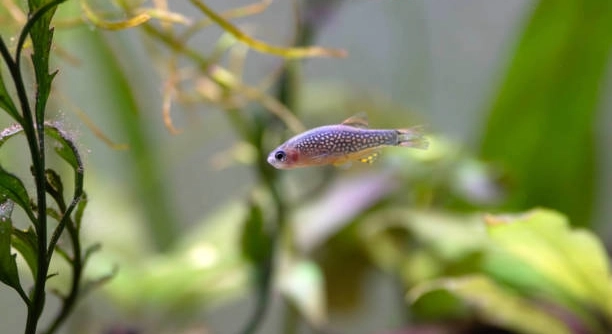
Celestial Pearl Danios are small, vibrant fish that bring life to any freshwater tank. Observing their behaviors can be rewarding, as these tiny fish often display unique ways of interacting with each other and their environment.
Celestial Pearl Danios show affection through gentle nuzzling, synchronized swimming, and following behavior. These actions signal bonding and trust among individuals, creating a sense of familiarity and comfort within their group. Understanding these cues helps in maintaining a harmonious aquarium.
Recognizing these signs can deepen your appreciation for their social nature and enhance the way you care for them.
Recognizing Affectionate Behavior
Observing Celestial Pearl Danios closely reveals subtle gestures that indicate attachment. They often swim side by side, brushing against one another lightly or circling in tandem. These coordinated movements are more than coincidence—they demonstrate trust and comfort within the group. Danios may also linger near your presence, watching the tank environment attentively. When feeding, they can approach slowly and consistently, showing recognition and reassurance. Tail flicks, gentle nudges, and soft body movements are common, signaling a willingness to engage socially. Over time, these behaviors create a pattern that highlights the fish’s preference for certain tank mates. Recognizing these actions allows you to better understand their needs and reactions. By adjusting tank arrangements or providing more space, you can foster an environment where affection and social behavior thrive. Paying attention to these small gestures can improve tank harmony and enhance your care routine for these delicate, expressive fish.
These signs are reliable indicators of trust, showing which individuals are comfortable and secure in their surroundings.
Affectionate behaviors also serve practical purposes. Swimming together and nudging encourage movement and exploration, which support physical health. These interactions strengthen social bonds, reducing stress and aggression within the tank. Over time, this cohesion creates a calmer, more balanced environment, benefiting all inhabitants. Careful observation helps you notice changes in behavior, allowing early intervention if health or social issues arise. Providing plants, hiding spots, and adequate space encourages natural interactions. Even slight changes in lighting or feeding routines can affect their social patterns, so consistency is key. By recognizing and supporting affectionate behavior, you promote a healthy and engaging tank ecosystem, making your Celestial Pearl Danios more active and responsive. Their subtle signs of connection enhance both their wellbeing and the enjoyment of observing them daily.
Encouraging Positive Interaction
Simple adjustments can encourage bonding among your Danios. Regular feeding schedules, gentle handling of water changes, and appropriate tank companions all contribute to a stable environment.
Creating conditions for positive interaction requires attention to space, water quality, and enrichment. Proper temperature and filtration maintain health, while plants and decorations offer hiding spots and stimulate exploration. Grouping Danios with compatible species reduces stress and allows social behaviors to develop naturally. Observing reactions to minor changes helps refine the setup, ensuring comfort for all fish. Over time, consistent care reinforces trust and increases the frequency of affectionate behaviors. Structured environments with predictable routines make Danios more confident, encouraging swimming patterns that demonstrate bonding, nudging, and following behaviors. Even small gestures, like synchronized swimming, reflect their growing sense of security and attachment. By fostering these conditions, you create a tank where social interaction is supported, leading to healthier, more active, and engaged Celestial Pearl Danios. Understanding their preferences ensures long-term harmony and satisfaction within their aquatic environment.
Feeding and Affection
Celestial Pearl Danios often show affection during feeding by swimming close to one another and nudging gently. This behavior signals trust and comfort. Observing their responses during mealtime helps identify which fish have stronger social bonds and which prefer more space.
During feeding, Danios display synchronized movements and subtle nudges toward each other. They may wait for others to approach before eating or swim in patterns that reflect companionship. These actions indicate familiarity and a sense of security within the group. Ensuring a calm feeding environment reduces competition and allows these affectionate behaviors to emerge naturally. Over time, recognizing these patterns strengthens your understanding of their social dynamics and improves the overall harmony of the tank.
Affectionate gestures around food also reduce stress and promote healthier eating habits. Fish that feel secure are less likely to hide or act aggressively. Providing consistent feeding routines and observing interactions allows you to encourage these positive behaviors. Gentle distribution of food across the tank helps prevent dominance and ensures all Danios feel included. Supporting this social aspect enhances both their physical health and social cohesion, creating a more engaging and balanced environment for your small, vibrant fish.
Tank Environment and Social Bonds
Proper tank setup supports the social and affectionate behaviors of Celestial Pearl Danios. Plants, hiding spots, and adequate space encourage interaction and reduce stress while maintaining a comfortable environment for all fish.
A well-structured tank fosters natural behavior and strengthens bonds. Dense vegetation and decorations provide shelter and stimulate exploration, allowing Danios to interact safely. Open swimming areas let fish engage in synchronized movements and gentle nudges without feeling threatened. Regular maintenance of water parameters, such as temperature, pH, and filtration, ensures health and comfort, preventing stress that can inhibit social behavior. Observing how individuals respond to tank layout helps adjust the environment to support closer bonds. Proper lighting and minimal disturbances allow the fish to feel secure while exhibiting affectionate behaviors naturally. Consistent monitoring and small improvements create an ideal space where social interaction thrives.
Maintaining a balanced environment reduces conflict and encourages connection among Danios. Structured spaces and predictable conditions allow natural behaviors to flourish. Plants, hiding areas, and stable water parameters contribute to comfort, while open swimming areas promote bonding, following, and gentle nudging. Providing these conditions ensures your fish remain active, confident, and socially engaged within their habitat.
Recognizing Signs of Stress
Celestial Pearl Danios may show stress through erratic swimming, hiding, or loss of color. Monitoring their behavior closely helps identify discomfort. Early observation allows for adjustments in tank conditions to maintain their wellbeing and preserve social interactions.
Changes in appetite or reduced interaction are also signs of stress. These behaviors indicate the fish may feel unsafe or unwell. Adjusting water quality, providing hiding spots, or reviewing tank companions can help restore comfort and encourage normal social behaviors.
Pairing and Group Dynamics
When grouping Celestial Pearl Danios, maintaining even numbers and compatible personalities is important. Imbalances can lead to aggression or isolation. Observing interactions over several days ensures that the fish establish bonds without stress. Adjusting tank layout and providing ample space encourages cooperative swimming, following, and gentle nudging, which are core affectionate behaviors. Group dynamics influence feeding, movement, and rest patterns. Balanced groups develop trust and comfort more quickly, while overcrowding or incompatible pairings may cause tension. By carefully observing and supporting positive interactions, the tank becomes a stable environment where Danios can exhibit natural, affectionate behaviors. Creating these conditions supports their social structure, allowing you to recognize which individuals show stronger bonds and how relationships evolve over time.
Seasonal Behavior Changes
Danios may alter social and affectionate behaviors with changes in light, temperature, or seasonal cycles. Tracking these shifts helps maintain a healthy environment.
FAQ
How do Celestial Pearl Danios show affection to each other?
They often swim side by side, nudge gently, or follow one another around the tank. Synchronized swimming and gentle contact are the most common signs. These actions indicate trust, comfort, and a preference for certain companions within the group.
Can they show affection toward humans?
Yes, they may approach the glass when you are nearby or follow your movements. This behavior reflects recognition and trust. While subtle, consistent attention to your presence shows that the fish are comfortable and secure with their environment.
What behaviors indicate stress instead of affection?
Erratic swimming, hiding, loss of color, and reduced appetite are common stress indicators. Unlike affectionate behaviors, stressed Danios avoid interaction, may dart around, or isolate themselves. Monitoring these behaviors helps ensure the tank remains safe and supportive for all fish.
Does tank size affect their affectionate behavior?
Yes, a proper tank allows free swimming and interaction. Overcrowding can increase stress and reduce bonding, while sufficient space encourages synchronized swimming, gentle nudging, and overall social cohesion among the Danios.
How does tank setup influence their social bonds?
Plants, decorations, and hiding spots provide security and encourage exploration. Open swimming areas allow for bonding behaviors like following and nudging, while structured spaces reduce aggression. Consistent water parameters support health, which directly impacts social comfort.
Can feeding routines enhance their affectionate behavior?
Regular, calm feeding encourages synchronized movements and gentle nudging. Fish that feel safe during feeding are more likely to display trust and interaction with others, strengthening group bonds and reducing competition-related stress.
How do seasonal changes affect their behavior?
Changes in light, temperature, or routine can alter social interactions. Affectionate behaviors may decrease if conditions are inconsistent, while stable cycles support trust, following, and coordinated swimming, keeping the social structure healthy.
Is it necessary to pair them with other species?
Pairing with compatible species can enhance social behavior if the environment supports safety and comfort. Aggressive or territorial companions may suppress affection, while peaceful species allow natural bonding to continue without disruption.
How can I encourage stronger bonds between my Danios?
Providing consistent feeding, ample space, plants, and hiding areas encourages interaction. Observing responses to tank adjustments helps strengthen social ties. Ensuring stable water quality, temperature, and minimal disturbances supports affectionate behaviors and overall wellbeing.
How long does it take for Danios to show affection?
It varies depending on their acclimation, group dynamics, and environment. Typically, within days to weeks, subtle signs like following, nudging, and synchronized swimming become noticeable, especially in a stable, stress-free tank with adequate space and enrichment.
Can affection help reduce aggression?
Yes, when fish feel secure and bonded, aggression decreases. Affectionate behaviors like nudging and synchronized swimming create familiarity, reducing territorial disputes and fostering a more harmonious tank environment.
Do individual personalities affect social behavior?
Absolutely. Some Danios are naturally more social and affectionate, while others may be shy. Observing individual tendencies allows better tank management and pairing strategies, ensuring a balanced and cohesive group dynamic.
Are there signs that affection is lacking?
Isolation, avoidance, and lack of synchronized swimming may indicate insufficient bonding or stress. Adjusting tank layout, group composition, or enrichment can encourage positive interactions and restore social behavior.
Can water quality impact affectionate behavior?
Yes, poor water conditions increase stress and reduce social interactions. Stable temperature, clean water, and proper filtration are essential for maintaining natural bonding behaviors and overall health.
Is following behavior always a sign of affection?
Usually, yes, especially when combined with gentle nudging or synchronized swimming. However, constant chasing without breaks can indicate stress or dominance, so observation of context is important to interpret behavior accurately.
How important is group size for affection?
A balanced group size allows natural interactions. Too few may limit social bonding, while overcrowding can lead to stress and aggression. Maintaining the right number ensures consistent opportunities for affectionate behavior.
Can affectionate behavior be encouraged with environmental enrichment?
Yes, adding plants, hiding spots, and open swimming areas provides stimulation and security. Enrichment encourages natural interaction patterns, strengthens bonds, and reduces stress, supporting healthier social behavior.
Do Danios form long-term bonds?
They tend to form preferred social connections within the group. These bonds influence swimming patterns, following behavior, and gentle nudging, contributing to overall stability and comfort in the tank environment.
Are there differences between males and females in showing affection?
Males often display more noticeable synchronized swimming and following behaviors, while females may show subtler signs of connection. Both genders participate in bonding, but the intensity and style can vary depending on personality and group composition.
Can affection be measured or quantified?
Indirectly, yes. Tracking frequency of following, nudging, and coordinated swimming can indicate social comfort. Observing these patterns over time helps assess relationships and overall group wellbeing.
What should I do if some Danios are not showing affection?
Evaluate tank conditions, group composition, and stress factors. Providing additional space, hiding spots, or compatible companions can encourage interaction and improve social comfort among less active individuals.
How does age affect affectionate behavior?
Younger Danios may be more active and playful, showing frequent following and nudging. Older fish may display subtler signs but still form social bonds, responding to familiar companions with gentle interactions.
Is affection important for their health?
Yes, social bonding reduces stress, encourages natural activity, and supports overall wellbeing. Affectionate behaviors contribute to a stable, balanced environment, which is essential for healthy growth and long-term vitality.
Can observation of affectionate behavior indicate tank problems?
Changes in normal bonding behaviors may signal stress, illness, or environmental issues. Noticing reduced interaction, hiding, or aggression allows early intervention to correct conditions and restore a healthy, comfortable habitat.
Do Danios ever show affection through color changes?
Slight intensification of color may occur during social interaction, signaling comfort or recognition of companions. Observing these subtle changes can provide additional insight into their social state and emotional wellbeing.
How can I maintain affectionate behavior long-term?
Consistent care, balanced groups, stable water conditions, and appropriate enrichment sustain positive interactions. Regular observation ensures that social bonds remain healthy, allowing Danios to continue displaying natural, affectionate behaviors over time.
What are common mistakes that reduce affectionate behavior?
Overcrowding, poor water quality, aggressive tank mates, inconsistent feeding, and lack of hiding spots can all inhibit bonding. Addressing these issues promotes comfort, security, and natural social behaviors.
Can affection be a sign of breeding readiness?
Sometimes. Gentle following and nudging may coincide with courtship behaviors, but affection alone does not guarantee breeding. Observing additional signs like pairing near plants or specific mating movements provides clearer indication.
Is it normal for affection to fluctuate?
Yes, behavior may vary with environment, group dynamics, feeding, or health. Temporary changes are normal, but consistent observation ensures no underlying issues affect social bonds or wellbeing.
Can I influence affectionate behavior through tank rearrangement?
Strategic placement of plants, decorations, and open spaces encourages following and synchronized swimming. Adjustments should be gradual to avoid stress, supporting stronger social bonds over time.
How do I know if my efforts to encourage affection are working?
Increased synchronized swimming, gentle nudging, following, and reduced hiding indicate success. Observing these behaviors regularly confirms that your environment supports trust, comfort, and natural social interactions among Danios.
Does affection impact feeding order or priority?
Yes, bonded fish may feed side by side, allowing calmer distribution of food. Affection can reduce competition, ensure fair access, and maintain harmony during mealtimes.
How quickly do affectionate behaviors appear in new tanks?
It depends on acclimation, group compatibility, and environment. Generally, subtle behaviors appear within days, while stronger social bonds develop over weeks with stable, stress-free conditions.
Are all affectionate behaviors positive?
Mostly, yes, but excessive chasing may indicate dominance or stress. Observing context ensures accurate interpretation of nudging, following, and synchronized swimming as healthy bonding behaviors.
Can observation of affection enhance my experience as a caretaker?
Yes, recognizing and understanding these behaviors increases enjoyment and awareness. Observing social interactions provides insight into the fish’s wellbeing and strengthens your ability to maintain a balanced, harmonious tank.
Do Danios ever show affection at night?
They may rest near preferred companions, maintaining proximity even in low light. Subtle nighttime bonding indicates comfort and trust, reinforcing established social connections within the group.
Can affection be used to identify preferred companions?
Yes, fish that frequently follow, swim together, or nudge gently typically prefer each other. Recognizing these bonds helps in managing group dynamics and ensuring harmony in the tank.
Does age or size affect affectionate behavior?
Younger or smaller fish may display more playful interactions, while older or larger Danios show gentler, calmer behaviors. Both age and size influence the intensity and style of bonding.
Are there signs of over-affection or stress related to social bonding?
Excessive chasing, constant nudging, or inability to rest may indicate tension or imbalance. Monitoring interactions ensures that affection remains healthy and stress-free for all individuals.
How can I encourage shy fish to participate in bonding?
Providing hiding spots, gradual introduction to companions, and consistent feeding routines builds confidence. Shy fish often join interactions once they feel secure and comfortable in the environment.
Is it possible for Danios to reject companionship?
Yes, some individuals may prefer minimal interaction. Recognizing personal tendencies allows you to manage group composition, ensuring all fish remain comfortable while maintaining overall social harmony.
Does the number of fish in the tank influence affection?
A balanced number supports natural social behaviors. Too few may limit interactions, while overcrowding increases stress and competition, reducing affectionate gestures like following and gentle nudging.
Are affectionate behaviors consistent across all tanks?
No, behaviors vary based on environment, group dynamics, tank setup, and individual personalities. Observing each tank’s unique interactions helps tailor care and optimize social comfort.
Can observing affectionate behavior help prevent bullying?
Yes, understanding bonds and hierarchy allows you to identify isolated or stressed fish. Early intervention, such as adding space or adjusting companions, reduces aggression and promotes harmony.
Do affection levels change after breeding?
Yes, bonding may temporarily shift as priorities focus on eggs or fry. Post-breeding, affectionate behaviors often resume once the group stabilizes and normal routines continue.
How does water movement affect affectionate behavior?
Moderate currents support swimming and coordination. Excessive flow may stress fish, reducing synchronized swimming and following, while calm, well-circulated water promotes bonding and social comfort.
Can affection be taught or trained?
Not in a strict sense, but consistent care, stable routines, and a comfortable environment encourage natural bonding behaviors, making affectionate actions more predictable and observable.
Do Danios communicate affection vocally or visually?
Mostly visually, through body movements, color changes, following, and nudging. These subtle cues signal comfort, trust, and social connection within the group.
Are affectionate behaviors inherited or learned?
Both. Genetic predisposition influences social tendencies, while environmental factors, group interactions, and routine experiences shape how affection is expressed and developed over time.
Can affection improve overall tank health?
Yes, social bonding reduces stress, promotes activity, and encourages natural behaviors. A cohesive group exhibits healthier habits, supporting physical wellbeing and a balanced aquatic environment.
Does tank decoration placement influence affectionate behavior?
Yes, decorations create secure spaces and encourage natural interactions. Open areas allow synchronized swimming and gentle nudging, while hiding spots reduce stress and support trust among the fish.
How long should I observe to confirm affectionate behavior?
Several hours over multiple days provide a clear picture. Observing different times of day ensures consistent patterns of following, nudging, and synchronized swimming are accurately identified.
Can affection prevent isolation of certain individuals?
Yes, recognizing social bonds allows adjustments to tank layout or group composition. Encouraging interaction prevents isolation and ensures all Danios feel secure and included.
Are there subtle cues of affection I might miss?
Yes, gentle nudges, synchronized swimming, and slight color intensification may go unnoticed. Close observation helps identify these subtle, meaningful social interactions.
Do tank lighting conditions impact affection?
Proper lighting supports natural activity and comfort. Too dim or harsh light can stress fish, reducing following, nudging, and synchronized swimming behaviors, while balanced lighting encourages visible bonding.
Can affectionate behavior indicate general happiness?
Yes, frequent interaction, coordinated swimming, and gentle nudging reflect comfort and contentment, suggesting the fish are secure and well-adjusted in their environment.
Are there ways to document or track affectionate behavior?
Yes, keeping a journal of interactions, feeding responses, and group dynamics helps identify patterns, assess social bonds, and monitor overall wellbeing for better tank management.
Can affection indicate readiness for breeding?
Sometimes. Affectionate following and nudging may accompany mating interest, but additional behaviors such as plant interaction or spawning activity confirm readiness more reliably.
Do Danios show affection toward all tank mates equally?
No, preferences exist. Some individuals form stronger bonds with specific companions, while others remain more independent. Observing these preferences ensures proper care and harmony within the group.
Is it normal for affection to fluctuate throughout the day?
Yes, activity levels and environmental conditions cause natural variation. Patterns typically remain consistent overall, with occasional fluctuations due to feeding, light, or interactions.
Can affection be a tool for monitoring health?
Yes, reduced interaction or avoidance may indicate illness or stress. Observing affectionate behaviors helps detect problems early, allowing prompt care to maintain overall health.
Are certain tank mates better for encouraging affection?
Peaceful, similarly sized fish encourage social behaviors. Aggressive or fast-moving species can disrupt bonding and reduce synchronized swimming or following behaviors. Selecting compatible companions supports natural interactions.
Does tank cleaning affect affectionate behavior?
Yes, routine cleaning should be gentle. Sudden changes, strong currents, or removal of hiding spots can stress fish, temporarily reducing affectionate gestures until the environment stabilizes.
Can affection signal dominance?
Occasionally, following or nudging may relate to hierarchy. Observing context, frequency, and responses clarifies whether behaviors are affectionate or linked to dominance within the group.
Do environmental noises impact affectionate behavior?
Loud or sudden noises can startle fish, reducing interaction and comfort. A calm, consistent environment supports natural social behaviors and encourages regular bonding patterns.
Is affection more pronounced in some tanks than others?
Yes, factors like space, layout, group composition, and water quality influence how often and clearly affectionate behaviors are displayed. Observation allows tailoring the environment for optimal bonding.
Can affectionate behavior be overinterpreted?
Yes, context matters. Following or nudging may appear affectionate but could signal stress or dominance. Consistent observation ensures accurate interpretation of social behaviors.
Do Danios retain memory of preferred companions?
Yes, they recognize familiar individuals and may show increased following, synchronized swimming, or gentle nudging toward them, reinforcing long-term bonds within the group.
Are there signs that affectionate behavior is healthy?
Frequent synchronized swimming, gentle nudges, calm feeding, and stable group interaction indicate positive social bonds. These behaviors reflect comfort, security, and wellbeing among the fish.
Can affection be influenced by feeding order?
Yes, fish that feed together often strengthen bonds. Consistent distribution of food reduces competition and encourages positive social interaction during mealtime.
Do environmental enrichments encourage stronger affection?
Yes, plants, hiding spots, and open swimming areas support natural bonding behaviors. Enrichment stimulates interaction, reduces stress, and promotes visible signs of trust and comfort.
Is following behavior always positive?
Mostly, yes, when combined with gentle nudges or coordinated swimming. Excessive chasing without breaks may indicate stress or dominance rather than affection.
Can affection be encouraged through gentle observation?
Yes, calm presence and consistent routines allow fish to feel secure, increasing chances of synchronized swimming, nudging, and other signs of social bonding.
Do Danios show different affectionate behaviors depending on age?
Younger Danios may be more active and playful, while older fish show calmer, subtler interactions. Both display bonding, but intensity and style vary with age.
How important is consistency in supporting affectionate behavior?
Consistency in feeding, water quality, and environment maintains trust and comfort. Predictable conditions encourage synchronized swimming, nudging, and other natural bonding behaviors.
Can affectionate behavior improve overall tank harmony?
Yes, when fish feel secure and bonded, aggression decreases, social interactions increase, and the overall environment becomes calmer and healthier for all inhabitants.
Do Danios show affection in all tank areas?
Mostly in open swimming spaces or near familiar companions. Hiding spots are used for security, but interactions often occur where fish feel safe and unthreatened.
Can affection indicate comfort with new tankmates?
Yes, gradual following, gentle nudging, and synchronized swimming toward newcomers show acceptance and reduced stress, signaling the development of social bonds over time.
Are affectionate behaviors impacted by water temperature changes?
Yes, sudden or extreme fluctuations can reduce social interactions. Stable temperature supports normal activity, coordinated swimming, and other bonding behaviors.
How do I differentiate affection from territorial behavior?
Affection is gentle, synchronized, and involves mutual engagement, while territorial behavior is aggressive, chasing-focused, and may result in hiding or avoidance by other fish. Context and responses clarify the distinction.
Can affection be used to identify isolated or stressed fish?
Yes, lack of following, nudging, or interaction indicates potential isolation or stress. Observing these patterns allows for adjustments in environment or group composition.
Do Danios show affection when resting?
Yes, they may rest near preferred companions, maintaining proximity and signaling comfort and trust, even during periods of low activity or reduced light.
Are some Danios naturally more affectionate?
Yes, individual personalities affect behavior. Some are more social and interactive, while others are reserved. Recognizing these differences helps manage tank dynamics and care strategies effectively.
Can affection be influenced by human presence?
Yes, consistent, calm interaction encourages recognition and trust. Fish may follow movements outside the tank or approach during feeding, demonstrating comfort with their caretaker.
How do I track affectionate behavior over time?
Keeping a log of interactions, feeding responses, and social patterns helps identify trends, changes, and overall group cohesion, supporting long-term tank management.
Can affectionate behavior indicate environmental comfort?
Yes, regular synchronized swimming, following, and nudging suggest the fish feel secure, supported by stable water conditions, sufficient space, and compatible companions.
Does water clarity affect social behavior?
Clear water enhances visibility and interaction, encouraging following, nudging, and synchronized swimming. Murky or dirty water may reduce these behaviors due to stress or limited perception.
**Are affectionate behaviors more visible during certain times of day
Final Thoughts
Celestial Pearl Danios are small but expressive fish that display a wide range of social behaviors. Observing their interactions reveals subtle signs of trust and comfort, from gentle nudging to synchronized swimming. These behaviors are not only fascinating to watch but also important indicators of their wellbeing. Recognizing and supporting these interactions can make a noticeable difference in the harmony of the tank. Providing a stable environment, including proper tank size, water conditions, and compatible companions, encourages natural bonding. Even minor adjustments, such as adding plants or open swimming spaces, can significantly enhance the frequency and visibility of affectionate behavior. Over time, you learn to recognize individual personalities and preferences, allowing for more thoughtful care and attention to each fish. Understanding their social cues also helps in identifying potential stress or discomfort early, allowing for corrective measures before problems escalate. The subtlety of their interactions makes careful observation essential, as small gestures like nudges, following, or slight color changes often communicate more than larger or more obvious behaviors.
Affectionate behavior in Celestial Pearl Danios is closely tied to environmental stability. Maintaining consistent water temperature, quality, and filtration supports both physical health and social comfort. Regular feeding routines, combined with a calm and predictable atmosphere, help reduce stress and encourage interaction among the fish. Tank layout plays a critical role as well. Plants, hiding spots, and open swimming areas provide security and opportunities for natural behaviors to develop. Well-placed decorations and sufficient space reduce aggression, giving fish room to engage in following, gentle nudging, and other signs of bonding. Observing how groups respond to these conditions helps refine tank management, ensuring that each individual feels safe and included. Adjusting tank composition, adding enrichment, and monitoring social dynamics allows affection to develop naturally. While personality and age differences exist among individuals, even shy or reserved fish can gradually participate in social interactions when the environment supports confidence and comfort. Over time, consistent care reinforces bonds, resulting in a more cohesive and stable group.
Finally, understanding and supporting the affectionate behavior of Celestial Pearl Danios enhances both the fish’s wellbeing and the overall experience of caring for them. Close observation, thoughtful tank management, and attention to subtle social cues allow you to respond to changes effectively and foster a comfortable environment. These small fish, while delicate, are highly expressive, and their natural behaviors can reveal a great deal about their comfort and social preferences. Encouraging affection promotes reduced stress, more balanced group dynamics, and healthier, more active fish. By supporting their social interactions, you create a tank that is not only visually vibrant but also emotionally stable for its inhabitants. Observing and responding to their signals strengthens the bond between the caretaker and the fish, making daily care more engaging and rewarding. Over time, these efforts lead to a thriving, harmonious tank where each Celestial Pearl Danio can display natural, affectionate behavior safely and consistently. Maintaining awareness of their needs, personalities, and social preferences ensures that the environment remains balanced and enriching, providing a long-term, positive experience for both the fish and their caretaker.

Hello,
If you enjoy the content that we create, please consider saying a "Thank You!" by leaving a tip.
Every little bit helps us continue crafting quality advice that supports the health, happiness, and well-being of pets around the world, for pets of all shapes, sizes, and species.
We really appreciate the kindness and support that you show us!