
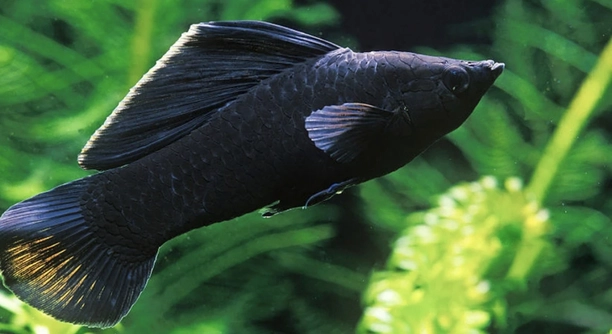
Relocating a Black Molly fry to a new tank can be an exciting yet delicate process. Observing their behavior and environment closely ensures they adapt well and remain healthy in their new surroundings.
After relocating Black Molly fry, it is crucial to monitor water temperature, clarity, and pH levels consistently. Observing feeding patterns, swimming behavior, and interactions with tank mates helps identify stress, illness, or environmental issues early for proper intervention.
Paying attention to these details will support the fry’s growth, health, and adjustment, making your aquarium a safe and thriving environment for them.
Monitoring Water Conditions
Keeping the water stable is the first step after relocating Black Molly fry. I always make sure the temperature stays consistent, as sudden changes can stress them. Checking pH, hardness, and ammonia levels daily helps prevent illness. Clear, well-filtered water supports healthy growth, and observing how fry react to small changes can show early signs of discomfort. Overfeeding can cloud the water, so I feed small amounts multiple times a day. Removing uneaten food quickly keeps the tank clean. Aeration and gentle currents encourage normal swimming behavior. Light cycles should remain consistent to maintain their internal rhythms. Even minor adjustments, like adding a small plant for hiding, can improve their sense of security. Monitoring these factors regularly ensures the fry remain active, feed well, and adjust properly to the new tank.
Water quality directly impacts the fry’s health, so consistent observation is essential to prevent sudden stress or illness.
Slow and steady observation allows you to notice subtle behavioral changes. It helps detect illness, feeding issues, or environmental stress early. Adjusting water parameters carefully improves survival rates. Black Molly fry thrive in stable, clean conditions with consistent care. Tracking changes over the first days can prevent long-term problems and supports overall growth.
Observing Behavior and Interaction
Fry behavior shows how well they adapt. I watch swimming patterns, grouping, and response to food. Stress often appears as hiding, erratic swimming, or reduced feeding. Active, curious fry are usually healthy.
Feeding times reveal interaction levels and potential competition among fry.
Noting interactions between fry and older fish is important. Sometimes, older Mollies can intimidate or accidentally harm fry, so separation may be necessary. Fry that remain isolated, refuse food, or show sluggish movement may be struggling. I document their behavior each day to see patterns. Providing plants, hiding spots, and calm water flow encourages natural behavior and reduces stress. Gradual observation helps identify any necessary adjustments in tank setup, feeding routines, or social arrangements. Recognizing early signs of stress or conflict ensures timely action, improving survival and growth. Consistent monitoring creates a safer, more supportive environment where fry can develop normally, learn to feed properly, and interact with each other without unnecessary risk.
Feeding and Nutrition
Feeding Black Molly fry small, frequent meals helps them grow quickly. I use finely crushed flake food and tiny live foods to ensure they can eat easily. Overfeeding is avoided to maintain water quality.
Providing high-quality, appropriately sized food is critical for fry development. I prepare a mix of crushed flakes, micro-pellets, and occasionally freshly hatched brine shrimp. Feeding four to five small portions daily allows all fry to access food without overcrowding. Monitoring who eats and who doesn’t helps identify weaker fry early. Uneaten food is removed promptly to prevent water contamination, which can lead to stress or illness. I adjust the amount based on their growth and activity levels, keeping portions small enough to avoid waste. A varied diet ensures proper nutrition, promotes healthy coloration, and supports strong immune systems.
Watching feeding behavior gives insight into health and social dynamics. Fry that consistently struggle to reach food may need separation or extra feeding. Tracking who eats first can indicate natural hierarchy, while consistent hunger in certain fry signals intervention. Observation allows adjustments in diet or portion size and helps maintain water quality. Over time, proper feeding encourages uniform growth, reduces stress, and strengthens survival chances, especially in mixed-age tanks.
Maintaining a Safe Environment
Fry need hiding spots to feel secure. I place small plants and decorations to reduce stress. Gentle water flow prevents exhaustion and ensures a calm environment.
Tank layout affects safety and development. Fry are vulnerable to stronger fish, sharp objects, or sudden currents. I arrange plants, floating cover, and smooth surfaces to create zones where fry can hide and explore freely. Open areas allow swimming practice, while dense vegetation provides refuge during feeding or when older fish are present. I also monitor filtration to prevent fry from being sucked in or trapped. Lighting is adjusted gradually to mimic natural cycles, avoiding sudden brightness that can stress them. Regular checks for sharp edges or loose objects prevent injuries, and consistent water movement encourages proper exercise without overwhelming them. This combination of structure, cover, and gentle currents fosters healthy growth and confidence in the fry.
Recognizing Stress Signs
Fry often show stress through hiding, erratic swimming, or loss of appetite. I keep a close eye on these behaviors, as early detection allows quick adjustments to their environment.
Changes in water quality, sudden movements, or aggressive tank mates can trigger stress. Observing their daily activity helps me spot these signs before they impact health.
Adjusting Tank Conditions
Temperature fluctuations or high ammonia levels affect fry survival. I test water regularly and make small, gradual changes to keep conditions stable. Adjusting flow, lighting, and filtration gently prevents unnecessary stress.
Preventing Illness
Healthy fry are active and responsive. I watch for discoloration, lethargy, or clamped fins. Removing sick individuals promptly reduces the risk of spreading disease.
FAQ
How often should I feed Black Molly fry?
I feed my fry small portions four to five times daily. They have tiny mouths and need frequent meals to grow properly. Overfeeding is avoided, as leftover food can foul the water and stress the fry. I adjust portions gradually as they get bigger.
What types of food are best for fry?
Crushed flake food, micro-pellets, and freshly hatched brine shrimp work well. I rotate these to provide balanced nutrition. Occasionally, I use finely chopped vegetables, like blanched spinach, for added vitamins. Variety helps fry develop strong immune systems and healthy coloration.
How can I tell if fry are stressed?
Stress shows through erratic swimming, hiding excessively, or reduced appetite. I observe daily activity closely. Sudden changes in water temperature, overcrowding, or aggressive tank mates can cause stress. Early detection helps me adjust their environment to keep them healthy.
When should I separate fry from older fish?
Older Mollies can intimidate or accidentally harm fry. I separate fry if I notice chasing or competition at feeding times. Using a breeding net or a small partition allows fry to feed safely and reduces the risk of injury.
How often should water be tested?
I test water daily during the first weeks after relocation. Temperature, pH, hardness, ammonia, and nitrate levels are monitored closely. Consistent testing helps me prevent sudden environmental changes that could harm the fry.
What is the ideal tank setup for fry?
I provide hiding spots with plants and smooth decorations. Gentle water flow and gradual lighting changes create a calm environment. Open areas allow swimming and exercise, while dense cover gives safety when fry feel threatened. This setup encourages healthy behavior and growth.
How do I handle sick fry?
Any fry showing discoloration, lethargy, or clamped fins are removed immediately. I place them in a quarantine tank for observation and treatment. Isolating sick fry reduces disease spread and gives them a better chance to recover.
Can fry tolerate sudden temperature changes?
No, they are very sensitive. I make small, gradual adjustments to prevent stress. Sudden heat or cold shocks can lead to illness or death, so I monitor the heater and keep the temperature stable.
How long does it take for fry to start swimming confidently?
Most fry become active within a few days if conditions are stable. I notice gradual improvement in swimming strength and coordination as they grow. Providing space, gentle flow, and hiding spots encourages confident movement.
Is it necessary to track feeding and behavior?
Yes, keeping a simple daily record helps me spot problems early. I note who eats first, who hides, and any signs of illness. Tracking behavior ensures fry grow uniformly and prevents small issues from becoming serious.
How important is water clarity for fry?
Clear water is crucial. Cloudy or dirty water increases stress and can lead to disease. I remove uneaten food promptly and maintain proper filtration to keep the tank clean. Clear water also makes it easier to observe fry behavior and health.
What is the best way to introduce fry to a new tank?
I acclimate them slowly, using the drip method or gradually mixing tank water. Sudden changes can shock fry, affecting their feeding and behavior. Careful introduction reduces stress and helps them adapt more quickly to their new environment.
How can I encourage healthy growth?
Balanced nutrition, stable water conditions, and safe tank mates are key. I provide hiding spots, monitor stress signs, and feed appropriately sized portions multiple times daily. Observing their behavior lets me make adjustments early, ensuring consistent growth.
What should I do if fry are not eating?
I check water conditions and reduce stress factors first. Offering live or finely crushed foods often stimulates appetite. Isolated fry may need temporary separation to feed without competition. Patience and careful monitoring usually resolve feeding issues.
Are there signs of aggression among fry?
Occasionally, some fry nudge or chase others during feeding. I monitor these interactions closely. Minor competition is normal, but persistent bullying may require separating the aggressors to prevent injury or stunted growth.
How long should I maintain close observation?
At least the first two to three weeks after relocation are critical. I check water, behavior, and feeding daily. Continuous observation during this period helps prevent stress, illness, and ensures fry are adjusting well.
Is it okay to keep fry in the same tank as adults long-term?
It depends on the adult fish’s temperament. I usually separate fry until they grow large enough to avoid aggression. Keeping them together too early can lead to injury or uneven growth due to competition.
How can I reduce stress during tank maintenance?
I perform gentle water changes, avoid sudden movements, and maintain a calm environment. Using soft nets and slow adjustments to water parameters helps minimize stress. Consistency in routine keeps fry comfortable and secure.
What is the best lighting schedule for fry?
I provide consistent, moderate lighting, usually 10-12 hours daily. Sudden bright lights can stress fry. Mimicking natural day-night cycles helps regulate feeding, growth, and behavior. Gradual changes in lighting during maintenance reduce shock.
How important are plants for fry?
Plants provide hiding spots and a sense of security. I use fine-leaved or floating plants to allow swimming practice while offering refuge. Plants also improve water quality and reduce stress, contributing to overall fry health.
Relocating Black Molly fry requires careful attention to detail, as they are delicate and sensitive to environmental changes. Observing their behavior, feeding habits, and interactions with other tank mates is essential for their survival. During the first days in a new tank, fry are particularly vulnerable to stress, which can manifest through erratic swimming, excessive hiding, or a reduced appetite. Maintaining consistent water conditions, including temperature, pH, and cleanliness, plays a major role in minimizing stress and encouraging healthy development. Small adjustments to their environment, such as adding plants, creating hiding spots, or ensuring gentle water flow, can make a significant difference in how comfortable and secure the fry feel. Paying close attention to these factors early on helps prevent long-term health problems and allows the fry to adapt more successfully to their new surroundings.
Feeding is another critical component in raising healthy Black Molly fry. Small, frequent meals are necessary because fry have tiny mouths and high energy requirements. A combination of finely crushed flakes, micro-pellets, and occasional live foods such as freshly hatched brine shrimp provides balanced nutrition. Observing which fry eat first and which struggle can help identify weaker individuals and guide any necessary adjustments in feeding strategy. Removing uneaten food promptly ensures water quality remains high, which is crucial for preventing illness. Over time, consistent observation of feeding behavior not only supports proper growth but also strengthens the fry’s immune system, making them more resilient against potential environmental stresses or minor changes in the tank. Proper nutrition combined with a clean, stable environment forms the foundation for healthy, active fry that grow evenly and develop strong, natural behavior patterns.
Finally, patience and consistent monitoring are key to successfully managing Black Molly fry after relocation. Daily checks of water parameters, behavior, and interactions can reveal early signs of stress, illness, or nutritional issues, allowing timely intervention. Fry thrive in stable conditions where they feel safe and can explore without risk of harm from aggressive tank mates or sudden changes. Providing a well-structured tank with plants, smooth surfaces, and gentle currents promotes natural activity while reducing unnecessary stress. Over the first several weeks, careful attention to these details ensures the fry grow steadily, remain healthy, and develop confidence in their new environment. By combining proper feeding, safe tank conditions, and ongoing observation, it is possible to support the fry’s overall well-being and encourage a thriving, balanced community in the aquarium. Consistency, patience, and careful care are the foundations for raising strong and healthy Black Molly fry.

Hello,
If you enjoy the content that we create, please consider saying a "Thank You!" by leaving a tip.
Every little bit helps us continue crafting quality advice that supports the health, happiness, and well-being of pets around the world, for pets of all shapes, sizes, and species.
We really appreciate the kindness and support that you show us!