
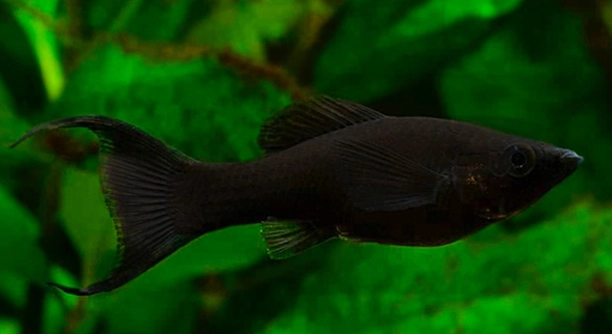
Fry are delicate creatures, and their early environment plays a crucial role in shaping social interactions. Small changes in tank setup and management can have noticeable effects on how fry behave together and develop over time.
Optimizing tank dynamics involves regulating population density, maintaining consistent water quality, providing adequate hiding spaces, and ensuring balanced nutrition. Proper lighting, gentle water flow, and compatible tank mates contribute to reduced stress, increased activity, and enhanced social cohesion among fry.
Implementing these strategies can create a healthier, more interactive environment for your fry, encouraging natural behavior and long-term well-being in their aquatic habitat.
Tank Size and Fry Density
The size of your tank has a direct impact on fry behavior. Smaller tanks can quickly become overcrowded, leading to increased stress, competition for food, and aggressive interactions. Larger tanks provide more space for exploration and reduce conflicts. Maintaining a balanced fry-to-tank ratio ensures each fish has room to swim and grow without constant confrontation. Overcrowding can also lead to poor water quality, which affects health and behavior. Spacing out fry in multiple tanks or adding dividers can be an effective solution for high-density populations. Observation is key; watch for signs of stress such as hiding, rapid gill movement, or chasing. Adjusting the number of fry or tank size early can prevent long-term social problems. A properly sized tank encourages natural schooling, feeding patterns, and reduces territorial disputes. In my experience, even a small increase in space dramatically improves fry interactions and reduces aggression across the group.
Fry density affects social structure. Too many fry in one tank creates stress and disrupts natural behavior patterns.
Providing enough space allows fry to establish territories naturally and encourages healthier social interactions. Fry can swim freely, interact safely, and develop skills necessary for adult life. Proper tank sizing supports growth and reduces the likelihood of long-term behavioral issues. Observing how fry move and interact helps determine if adjustments are needed, ensuring a balanced and supportive environment.
Water Quality and Stability
Consistent water parameters are essential for fry health. Rapid changes in temperature, pH, or ammonia levels can trigger stress responses and reduce social activity. Maintaining stable water conditions ensures fry feel secure, encouraging exploration and interaction.
Poor water quality leads to stress, illness, and increased aggression among fry, which can have lasting effects on their social behavior.
Regular testing and adjustments are crucial. Using filters, performing partial water changes, and monitoring chemical levels keep the environment clean and stable. Fry are sensitive to sudden changes, so introducing water slowly during maintenance helps prevent shock. Clean water supports natural feeding behavior and encourages fry to interact without fear. In my tanks, even slight fluctuations caused noticeable tension among fry, while stability allowed them to form small groups and engage more freely. Observing behavior in relation to water parameters helps identify issues early. Maintaining stable water quality is not just about health—it directly influences how fry learn social cues, share space, and respond to each other, laying the foundation for well-adjusted adult fish.
Hiding Spaces and Tank Layout
Providing hiding spots reduces stress and aggression among fry. Plants, rocks, and small decorations create safe zones, allowing timid fry to rest and explore without constant pressure from dominant individuals.
Hiding spaces give fry control over their environment. When they can retreat, shy fry gain confidence, and aggressive fry learn boundaries. Using plants or small caves helps fry practice social behavior while minimizing injuries. Open areas combined with structured cover create a balance, encouraging exploration and interaction. In my tanks, adding even a few small decorations transformed the social dynamics. Fry became more active, chased less aggressively, and overall stress levels visibly dropped. Observing where fry gather can guide future adjustments to layout for optimal behavior.
Strategic placement of hiding spots encourages natural schooling and reduces competition. Fry move freely between safe zones, establishing territories and learning social cues in a secure environment. Proper layout ensures fry can access food and interact without constant conflict.
Lighting and Daily Rhythm
Consistent lighting schedules support fry development and social behavior. Natural-like day and night cycles reduce stress and encourage regular activity, feeding, and rest patterns.
Sudden changes in light intensity or duration can cause panic, hiding, or aggressive bursts. A balanced cycle helps fry recognize safe periods to explore, interact, and feed. In my tanks, I maintain a 10-12 hour light period with soft intensity. Fry respond better to predictable patterns, forming small groups and moving together naturally. Lighting also enhances visual cues, helping fry recognize peers and avoid conflicts. Gradual transitions in light, rather than sudden on/off changes, keep fry calm and encourage healthier interactions over time. Consistent daily rhythm promotes overall well-being and supports social learning.
Water Flow and Circulation
Gentle water movement encourages fry to swim naturally without causing stress. Strong currents can tire them out, while stagnant water reduces oxygen levels and limits interaction opportunities.
Proper circulation distributes nutrients and oxygen evenly, creating a healthier environment. I adjust filter flow carefully, observing fry behavior to ensure movement is comfortable and not overwhelming.
Feeding Practices
Regular, small feedings reduce competition and aggression. Overfeeding or large meals can lead to bullying and uneven growth, while consistent portions encourage cooperative behavior.
Compatible Tank Mates
Choosing compatible species prevents predation and stress. Aggressive or much larger fish can intimidate fry, affecting social learning and growth.
Observation and Adjustment
Monitoring fry behavior daily helps identify stress or aggression early. Timely adjustments in layout, population, or feeding maintain a balanced and harmonious environment.
FAQ
How often should I feed fry to improve social behavior?
Fry respond best to small, frequent feedings rather than one or two large meals. Feeding three to four times a day in measured amounts prevents competition and reduces aggressive chasing. In my tanks, I notice that fry stay calmer and interact more when food is spread out evenly. Using micro pellets or finely crushed flakes ensures every fry gets access, which minimizes stress. Feeding at the same times each day helps fry establish a predictable routine, supporting healthy social patterns and reducing anxiety in shy individuals.
What is the ideal water temperature for fry social interactions?
Maintaining a stable temperature is essential. Most tropical fry thrive between 24-28°C (75-82°F). Sudden temperature shifts can stress fry, causing hiding, erratic swimming, or aggression. I use a reliable heater with a thermostat to keep fluctuations minimal. Stable water promotes activity and encourages fry to explore, interact, and establish social hierarchies naturally. Even a one or two-degree change can noticeably alter behavior, so monitoring temperature daily is critical. Fry are more likely to gather in groups and engage in normal social behaviors when they feel physically comfortable in their environment.
How can hiding spots influence fry behavior?
Hiding spaces reduce stress by giving shy or smaller fry safe zones away from dominant individuals. Plants, rocks, and small caves allow retreat, helping fry regulate interactions. I place decorations strategically, balancing open swimming areas with cover. Fry learn social cues safely while practicing movement and territory management. Too few hiding spots can lead to constant chasing and stress, while too many can fragment groups. Observing where fry spend most of their time helps adjust placement. Well-structured hiding areas encourage exploration, confidence, and cooperative behavior, supporting healthier social dynamics over time.
Can tank lighting affect fry activity and socialization?
Yes, consistent light schedules help fry recognize day and night cycles, reducing stress and irregular behavior. I maintain a 10-12 hour light period with gentle intensity. Sudden bright lights can trigger panic or hiding, while predictable lighting encourages regular feeding and interaction. Gradual transitions between light and dark periods allow fry to adapt naturally. Proper lighting also improves visibility, helping fry identify each other and reducing accidental aggression. Over time, a stable cycle encourages grouping, schooling, and normal exploration behaviors, making the tank environment more harmonious and less stressful.
How important is water quality in shaping fry social behavior?
Water quality is crucial. High ammonia, nitrites, or inconsistent pH levels stress fry and increase aggression. I perform regular partial water changes and test chemical levels frequently. Clean, stable water supports feeding, swimming, and interaction. Fry in poor conditions may hide excessively, bully weaker individuals, or fail to develop proper social skills. Filters, aeration, and slow water circulation help maintain oxygenation and cleanliness. Observing fry behavior alongside water parameters allows for quick adjustments, creating a safe, supportive environment. Healthy water ensures fry can focus on exploring and engaging naturally rather than coping with environmental stress.
Should fry be separated by size or age?
Grouping fry of similar size reduces bullying and competition. I separate significantly smaller fry to prevent stress from larger, more dominant peers. Age differences also influence behavior, as older fry tend to be more assertive. Careful observation helps decide when separation is necessary. Keeping fry together without significant size differences encourages balanced social interaction. When size differences are unavoidable, using dividers or additional tanks maintains harmony. This approach allows shy or smaller fry to feed and explore safely, supporting confident, cooperative behaviors and preventing long-term behavioral issues caused by constant stress or dominance disputes.
What role does tank decoration layout play in fry social development?
Strategic layout affects movement, territory, and interaction. I arrange plants and rocks to create pathways, open areas, and hiding spots. Fry use these spaces to establish territories, practice social hierarchy, and interact safely. Poorly designed layouts can concentrate activity in one area, leading to competition and stress. A mix of open swimming space and structured hiding zones encourages natural exploration, schooling, and peer recognition. Observing fry movement allows adjustments to optimize space use and social interactions. Thoughtful layout ensures fry develop confidence, reduce aggression, and maintain a stable social environment.
How can I tell if fry are stressed or unhappy?
Signs include hiding constantly, rapid gill movement, erratic swimming, or frequent chasing. I monitor feeding behavior and interaction patterns for changes. Stress often results from overcrowding, poor water quality, or inadequate hiding spots. Adjusting the environment usually improves behavior. Stress affects growth, health, and social learning, so early detection is essential. Maintaining consistent routines, stable water, and balanced tank dynamics helps fry remain active, confident, and socially engaged.
Does introducing compatible tank mates improve fry social behavior?
Yes, gentle, similar-sized species encourage normal social behavior without predation risk. I avoid aggressive or larger fish that intimidate fry. Compatible tank mates provide visual and interactive cues, helping fry develop social skills, explore territory, and learn boundaries. Gradual introductions reduce stress and allow fry to adapt naturally. In my experience, careful selection strengthens social cohesion and reduces bullying. Proper tank mate choice supports overall health, feeding balance, and a calmer, more interactive environment.
How often should I observe fry behavior to maintain harmony?
Daily observation is best. I note interactions, aggression, hiding patterns, and feeding response. Frequent monitoring allows timely adjustments to layout, population, feeding, or water conditions. Consistent checks prevent long-term stress and ensure fry develop strong social skills. Observation is an ongoing part of managing a harmonious tank environment.
Final Thoughts
Creating a supportive environment for fry requires attention to multiple factors, including tank size, water quality, hiding spaces, and feeding routines. Each element plays a significant role in shaping social behavior, and small adjustments can lead to noticeable improvements. Observing how fry interact under different conditions allows for better management and encourages healthier development. In my experience, even minor changes, such as adding a few small plants or adjusting water flow, can reduce aggression and increase confident exploration. Providing enough space for swimming, retreating, and feeding gives fry control over their environment, which is critical for establishing natural social patterns. Maintaining consistency in daily routines, water parameters, and feeding schedules helps fry feel secure, promoting cooperative behavior and reducing stress.
Tank dynamics are not only about physical setup but also about understanding fry behavior and needs. Stable water conditions support activity, growth, and interaction, while frequent fluctuations can trigger stress and disrupt social hierarchies. Fry rely on predictable environments to learn boundaries and practice social skills, so consistent observation and adjustments are key. Proper lighting and circulation also influence activity levels, ensuring fry have both safe hiding zones and open areas for movement. Attention to diet, portion sizes, and feeding frequency helps minimize competition and fosters balanced interactions among fry. Over time, carefully managed tank conditions encourage small groups to form naturally, allowing fry to establish territories, explore, and engage with each other without fear or constant conflict.
Ultimately, fostering healthy social behavior in fry is a combination of thoughtful tank setup, attentive care, and consistent observation. Each tank will have unique needs, so tailoring the environment to your fry’s responses is essential. By monitoring behavior, making gradual adjustments, and maintaining stable conditions, you can support natural development and reduce aggression. Over the months, fry in well-managed environments exhibit increased confidence, improved feeding patterns, and stronger social cohesion. Attention to these details not only benefits the fry’s growth but also ensures a calmer and more harmonious tank. Creating such an environment may take patience, but the results are evident in the lively, interactive, and well-adjusted behavior of your fry.

Hello,
If you enjoy the content that we create, please consider saying a "Thank You!" by leaving a tip.
Every little bit helps us continue crafting quality advice that supports the health, happiness, and well-being of pets around the world, for pets of all shapes, sizes, and species.
We really appreciate the kindness and support that you show us!