
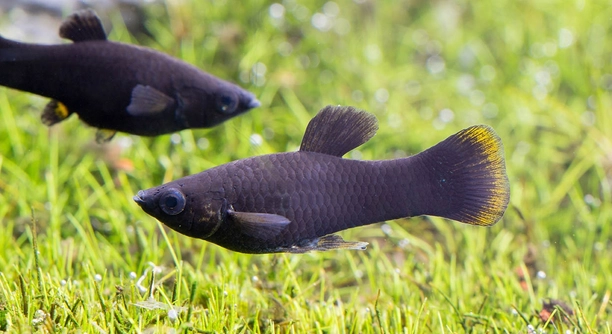
Black molly fish often gather near the air stone in home aquariums. They seem to enjoy the gentle current and constant supply of oxygen, making this spot a popular gathering place for these peaceful community fish.
Black mollies group near the air stone primarily due to increased oxygen levels and water movement. The constant flow creates a comfortable environment for swimming and feeding, supporting their social behavior and reducing stress in a captive aquarium setting.
Observing this behavior can reveal important details about their health and tank conditions, helping you maintain a happy, balanced aquarium environment.
Why Black Mollies Prefer the Air Stone
Black mollies naturally seek areas with higher oxygen levels, which makes the air stone an ideal spot for them. The bubbling motion creates small currents that allow the fish to swim with ease. In my own tank, I noticed that when the air stone is running, black mollies tend to gather there more often than anywhere else. This behavior seems consistent regardless of how many other fish are in the tank. The constant oxygen flow is crucial for their gill function, helping them remain healthy and active. Additionally, the gentle current created by the bubbles provides a mild form of exercise that keeps them strong without tiring them. Observing them interact around the air stone gives a glimpse into their natural instincts, as they appear calmer and more social near this feature. These small adjustments in tank setup can make a significant difference in maintaining healthy fish behavior.
The air stone also helps circulate water, which prevents stagnation and keeps the tank cleaner.
Keeping black mollies near the air stone improves their overall wellbeing. They show more natural swimming patterns, less stress, and more frequent social interactions. By simply ensuring the air stone is functional and positioned well, you can create a healthier and more dynamic environment for them. In my experience, even minor changes, like moving the stone slightly or adjusting the air flow, result in noticeable differences in behavior. The fish often cluster around it during feeding and resting periods, which suggests they find comfort in the aerated area. Consistent placement allows them to develop predictable routines, making it easier to monitor their health and notice any unusual behavior. Overall, the air stone not only benefits the water quality but also encourages the fish to interact naturally. Observing these patterns helps improve tank management and provides insights into their needs, ensuring your mollies thrive in a supportive environment.
Maintaining Proper Oxygen Levels
Proper oxygen levels are essential for black mollies to thrive, especially in smaller aquariums where natural water movement is limited.
Regularly checking air stone output and adjusting airflow can prevent low oxygen zones. In my tank, I ensure the bubbles reach all corners by using a small, quiet pump. Placement matters, as a stone too close to decorations may limit circulation. Combining this with live plants helps maintain a stable oxygen balance. Monitoring fish behavior, like hovering near the surface or clustering around the stone, indicates oxygen needs. This simple routine keeps the fish healthy and reduces stress-related illnesses, ensuring they remain active and social in the tank. Regular maintenance, including cleaning the air stone, prevents blockages that could disrupt oxygen flow. These steps collectively create a supportive environment that mimics natural conditions. By maintaining proper oxygenation, black mollies show more vibrant colors, better appetite, and consistent swimming habits, making tank management smoother and more rewarding.
Observing Their Behavior
Black mollies often linger near the air stone when exploring the tank. The bubbles attract them, and they seem to enjoy the gentle movement of the water. Their social interactions are more frequent in this area.
Watching my mollies, I noticed they often swim in small groups around the air stone. They appear calmer and more active at the same time. Occasionally, one will dart through the bubbles while others hover nearby. This grouping behavior seems instinctive, likely related to safety and oxygen availability. The constant movement also gives them exercise without forcing them to swim against strong currents, which might tire them. I find it fascinating how consistently they choose the same spots for resting, feeding, and playing.
The area around the air stone also shows clearer signs of hierarchy. Dominant fish take prime positions near the strongest bubbles, while younger or smaller mollies stay at the edges. Over time, I’ve observed subtle shifts in positioning, especially when new fish are added. This pattern indicates social structure, which helps reduce conflict. By observing these behaviors, it becomes easier to understand their needs, predict movements, and manage feeding times. The air stone effectively becomes a central point for activity, improving both social interaction and individual wellbeing within the tank.
Positioning the Air Stone
Proper placement of the air stone impacts the tank’s oxygen distribution and fish behavior. A central location allows bubbles to reach all areas efficiently.
In my tank, placing the air stone slightly off-center ensures that water movement reaches corners where black mollies often linger. This positioning prevents stagnant zones and distributes oxygen evenly, keeping all fish healthy. Adjusting the height slightly changes how the bubbles interact with the surface, affecting circulation. Small shifts can influence where the fish swim and cluster. Combining this with decorations that don’t block flow allows for both hiding spots and open swimming areas. The result is a tank where oxygen is evenly available, and fish behavior remains natural and balanced.
Bubble Attraction
Black mollies are drawn to the constant stream of bubbles from the air stone. The movement creates a gentle current that they seem to enjoy swimming through.
The bubbles also provide a sense of security. Fish often gather near them, especially during feeding or resting times, making it a lively part of the tank.
Health Benefits of Air Stones
Consistent aeration from the air stone supports gill function and reduces stress for black mollies. Adequate oxygen helps maintain vibrant colors, steady appetite, and active swimming. In my experience, fish near the air stone seem less prone to lethargy or unusual behavior. Even small tanks benefit greatly, as oxygen circulation reaches areas that would otherwise be stagnant. Regular monitoring of fish behavior around the stone helps identify early signs of health issues. Cleaning the air stone periodically prevents blockages, ensuring continuous oxygen flow. The simple addition of a properly positioned air stone improves overall wellbeing and supports natural behaviors.
Social Grouping
Black mollies often form small clusters near the air stone. This grouping encourages interaction, reduces stress, and supports natural schooling behavior.
FAQ
Why do black mollies always stay near the air stone?
Black mollies are attracted to areas with higher oxygen levels. The air stone creates bubbles that improve oxygen circulation, making it easier for them to breathe. In my tank, I’ve noticed they also enjoy the gentle current, which allows them to swim with minimal effort while staying active.
Can too many bubbles stress black mollies?
Yes, strong bubbles or excessive water movement can overwhelm them. They prefer gentle currents that simulate natural conditions. In my experience, adjusting airflow to a moderate level keeps them comfortable. Too much agitation can cause them to hide or act skittish, reducing social interactions.
Do air stones improve tank health overall?
Absolutely. Air stones promote even water circulation, which prevents stagnant areas and reduces the buildup of debris. They also help distribute nutrients and oxygen throughout the tank. Regularly cleaning the stone ensures consistent performance, which directly benefits both black mollies and other tank inhabitants.
Is it normal for black mollies to cluster only at the air stone?
Yes, this is natural. The air stone provides both oxygen and gentle water movement. Observing them in these clusters shows normal social and environmental behavior. In my experience, clustering decreases when other areas of the tank offer similar conditions or when feeding occurs elsewhere.
How can I encourage black mollies to explore other areas of the tank?
Adding live plants, decorations, and hiding spots in different locations can create appealing environments. Adjusting water flow slightly and offering food in other areas encourages movement. I often place small treats near corners, and the fish gradually spread out while still returning to the air stone for oxygen.
Do black mollies ever get bored near the air stone?
They generally seem content, especially if the bubbles create gentle movement. However, variation in environment and feeding routines helps maintain natural behavior. In my tank, rotating decorations or changing airflow slightly keeps them active and curious without causing stress.
Should the air stone run all the time?
Yes, continuous aeration maintains oxygen levels and water circulation. Turning it off for long periods can create low-oxygen zones. In my experience, leaving it on 24/7 supports consistent fish behavior, keeps water cleaner, and ensures black mollies remain calm and healthy.
Can air stones help prevent disease in black mollies?
Indirectly, yes. Good oxygenation reduces stress, which is a major factor in susceptibility to illness. Proper circulation also prevents accumulation of waste and harmful bacteria. I’ve found that fish in well-aerated tanks show fewer signs of illness and are more energetic.
How do I know if my air stone needs cleaning?
If bubble output decreases or becomes uneven, it’s time to clean it. Mineral buildup and debris can block airflow. I soak mine in a mild vinegar solution every few weeks, then rinse thoroughly, restoring consistent bubbles that black mollies rely on for comfort and activity.
Are there alternatives to air stones for oxygenation?
Yes, filters with strong water movement, sponge filters, or undergravel systems can help. In smaller tanks, an air stone is often the simplest and most efficient option. I use an air stone alongside a gentle filter to maintain steady oxygen levels and healthy water conditions.
Can air stones affect feeding behavior?
Yes, fish often associate the air stone area with comfort and socializing. I’ve noticed my mollies tend to eat near the stone when food is sprinkled there, but they will also explore for treats in other areas if encouraged. Strategic placement can influence feeding patterns.
Do black mollies ever ignore the air stone?
Occasionally, if oxygen levels are uniform throughout the tank or if they are busy exploring. In my experience, they always return to the stone periodically, especially when resting or during low activity periods, showing it remains a preferred spot for safety and comfort.
How do I choose the right size air stone?
It depends on tank size and number of fish. Larger tanks or more mollies need bigger or multiple stones for consistent oxygenation. I match the stone size to the tank’s volume and adjust airflow until the bubbles provide gentle, even movement without stressing the fish.
Can air stones help black mollies in community tanks?
Yes, they benefit all tank mates by improving oxygen levels and circulation. In my community tank, I’ve seen peaceful interaction increase when fish can spread out around the air stone. It creates a comfortable environment for multiple species while supporting natural social behaviors.
Do black mollies prefer any specific type of air stone?
They respond best to stones that produce fine, consistent bubbles. Coarse bubbles create too much current and can scare them. I use a small, round stone that disperses bubbles evenly, providing a calm and inviting area for swimming and social interaction.
What is the best placement for an air stone in a black molly tank?
Slightly off-center or near the middle works well, allowing bubbles to reach all areas. Avoid placing it too close to decorations that block flow. I position mine where it creates gentle currents across the tank, ensuring oxygen is evenly distributed and fish can move freely.
How do I monitor black mollies’ oxygen needs?
Watch their swimming and clustering behavior. If they gather at the surface or near the stone excessively, oxygen may be low. I check water movement and airflow regularly, adjusting as needed. Consistent observation ensures the tank environment stays comfortable and supports natural activity.
Can air stones improve breeding conditions?
Yes, stable oxygen levels and gentle currents support healthy reproduction. In my experience, black mollies are more active and less stressed near well-placed air stones, which encourages mating behavior and successful fry development. Proper aeration creates an ideal environment for breeding in captivity.
Do air stones affect water temperature?
Indirectly, bubbles can slightly increase surface agitation, improving gas exchange, but they do not significantly change water temperature. I maintain temperature separately with a heater, ensuring consistent conditions while the air stone promotes oxygenation and circulation.
Is there any maintenance schedule I should follow?
Clean the air stone every few weeks and check tubing and pumps regularly. Replace worn parts as needed. I’ve found this simple routine keeps bubbles consistent and black mollies comfortable. Regular upkeep prevents blockages and supports a stable, healthy tank environment.
What should I do if black mollies still avoid the air stone?
Check water quality, flow strength, and placement. Adjusting these factors often encourages them to use the stone. In my tank, minor changes to bubble direction or adding small plants nearby made a noticeable difference, bringing them back to their preferred oxygen-rich area.
Can multiple air stones be used in a single tank?
Yes, especially in larger tanks or with many fish. Multiple stones ensure even oxygen distribution and reduce crowding. I’ve added a second stone in my larger tank, which improved circulation and allowed black mollies to spread out while still benefiting from bubbles.
Do black mollies interact differently around the air stone than elsewhere?
Yes, they tend to show more social and natural behaviors near the stone. In my observations, they swim in small groups, play gently in the currents, and appear more confident. This area becomes a central point for activity and social interaction, reflecting their instincts.
How can I tell if the air stone is benefiting my black mollies?
Active swimming, bright coloration, consistent appetite, and social clustering near the bubbles are good indicators. I also notice fewer signs of stress or hiding behavior. Proper use of an air stone supports both health and natural behavior, making it an essential feature in my tank.
Can air stones reduce algae growth?
Indirectly, yes. Increased circulation prevents stagnant spots where algae often thrive. In my tank, areas with strong bubble movement stay cleaner, reducing maintenance while creating a healthier environment for black mollies and other aquatic life.
Are there risks to using an air stone?
Minimal risks exist if placed incorrectly or airflow is too strong. Overly vigorous bubbles can stress fish or disrupt decorations. I ensure gentle, even airflow and check placement regularly to maintain a safe and comfortable environment for black mollies.
How long do air stones typically last?
With regular cleaning and proper care, most air stones last several months to a year. I replace mine when bubble output decreases despite cleaning, ensuring consistent oxygenation for my fish. Proper maintenance extends lifespan and ensures reliable performance.
Can air stones be used with other filtration systems?
Yes, they complement filters, sponge systems, and undergravel setups. In my experience, combining an air stone with a gentle filter improves oxygenation, circulation, and water quality, supporting black mollies’ health while keeping the tank balanced and vibrant.
Do black mollies prefer surface bubbles or submerged ones?
They respond best to submerged fine bubbles, which create gentle currents without overwhelming them. I’ve noticed my fish spend more time around these areas, swimming through and hovering nearby, showing comfort and natural behavior patterns around properly functioning air stones.
What signs indicate an air stone is too strong?
Fish may hide, dart erratically, or avoid the area. I noticed this when first installing a high-flow stone, so I adjusted airflow until swimming became smooth and natural. Observing behavior helps maintain comfort while still promoting oxygenation.
How often should I check the air stone?
At least weekly. Monitoring bubble output and adjusting for consistent flow ensures black mollies remain comfortable. I include this as part of my regular tank maintenance routine, which keeps both fish and water conditions optimal.
Can air stones support other species with black mollies?
Yes, most community fish benefit from improved oxygenation and gentle currents. In my tank, peaceful species interact comfortably around the bubbles, showing that air stones provide universal benefits without favoring one species over another.
Do air stones affect water pH or chemistry?
Indirectly, by improving gas exchange and circulation, they help maintain stable conditions. I’ve noticed reduced stagnation and more even nutrient distribution, which contributes to a balanced environment. Proper aeration supports chemical stability while promoting fish health.
Is it normal for black mollies to nibble at the bubbles?
Yes, occasionally. They seem curious and playful around rising bubbles. In my experience, this behavior is harmless and indicates comfort with their environment, adding a little entertainment to their daily routine.
Can air stones help in newly set-up tanks?
Definitely. They promote oxygenation and circulation in new water, supporting fish adaptation and reducing stress. I always run an air stone during initial setup to ensure stable conditions for black mollies from day one.
Do air stones make a noticeable difference in small tanks?
Yes, even small tanks benefit from improved oxygenation and circulation. In my 20-gallon tank, black mollies are more active and less stressed when an air stone runs continuously, demonstrating its importance regardless of tank size.
What are the best maintenance tips for long-term use?
Clean regularly, replace worn stones, check airflow, and monitor fish behavior. In my experience, these simple steps ensure consistent oxygenation, support health, and keep black mollies comfortable while reducing overall tank problems.
Black mollies are fascinating little fish to watch, especially when you notice how much they enjoy being near the air stone. It is clear that they are drawn to this area because of the constant flow of bubbles and the extra oxygen it provides. In my tank, I have seen them gather in small groups around the stone, swimming calmly through the gentle currents. The air stone creates a space where they feel secure and comfortable, which is important for their overall health and behavior. This behavior is not just entertaining to observe, but it also tells a lot about their needs in a captive environment. By paying attention to how often and how long they stay near the air stone, you can better understand what makes them feel safe and what adjustments might help improve the tank conditions. It is interesting to notice small differences between individual fish too, as some seem to prefer hovering directly in the bubbles, while others stay on the edges of the flow.
Keeping black mollies healthy involves more than just providing food and clean water. The air stone is a simple tool that significantly enhances their environment. It keeps oxygen circulating evenly throughout the tank and prevents water from becoming stagnant, which can help reduce stress and keep the fish more active. In my experience, black mollies that spend time around a well-functioning air stone are brighter in color, swim more confidently, and display more social behavior. The gentle currents created by the bubbles give them exercise, which supports their muscles and keeps them agile. I have also noticed that younger or smaller mollies tend to stay closer to the stone when other fish are more dominant, suggesting that the area provides a sense of safety. Observing their interactions and patterns can help in maintaining a balanced community tank, as you can make small changes to improve water circulation or reposition decorations to support natural behavior.
Maintaining an air stone is straightforward but important for long-term benefits. Regular cleaning prevents blockages and ensures consistent bubble flow, which is critical for keeping the fish comfortable and healthy. In my tank, I check the stone every few weeks and adjust the airflow if needed. Placement also matters, as a well-positioned air stone can allow bubbles to reach all corners of the tank, providing oxygen where it is needed most. Over time, black mollies develop predictable patterns around the stone, making it easier to notice changes in behavior that could indicate stress or health issues. Overall, the air stone plays a quiet but essential role in supporting a healthy and natural environment for black mollies. It is one of those small, simple features that makes a noticeable difference in their daily activity, social interaction, and overall wellbeing, making it worth attention for anyone keeping these fish.

Hello,
If you enjoy the content that we create, please consider saying a "Thank You!" by leaving a tip.
Every little bit helps us continue crafting quality advice that supports the health, happiness, and well-being of pets around the world, for pets of all shapes, sizes, and species.
We really appreciate the kindness and support that you show us!