
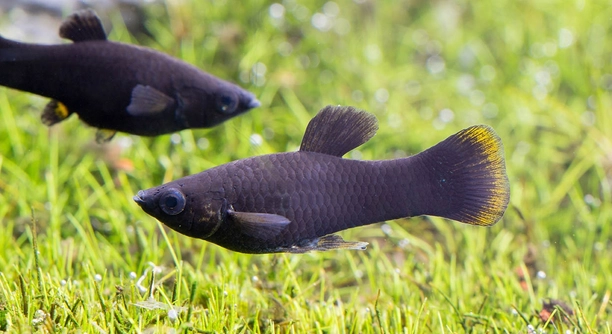
Fry are delicate creatures that respond quickly to changes in their environment. Observing their behavior during first light exposure can reveal a lot about their health, stress levels, and natural instincts in the water around them.
Fry respond to initial light exposure in several measurable ways, including increased swimming activity, orientation toward light, temporary hiding, changes in feeding behavior, heightened startle responses, color shifts, and adjustment of body position, all indicating sensory adaptation and survival instincts.
These early reactions may seem small, but they provide crucial insight into fry development and overall tank conditions. Understanding them can help you support healthier growth and well-being for your young fish.
Increased Swimming Activity
When fry are first exposed to light, many begin swimming more actively. This movement is often sudden and noticeable. The light stimulates their senses, encouraging exploration and interaction with their environment. Active swimming helps them locate food, assess safety, and establish early habits that will shape their development. Over time, this behavior becomes more coordinated, as their muscles strengthen and reflexes improve. Observing these movements provides insight into their energy levels and overall health. It also helps identify fry that may be weaker or stressed, as they tend to swim less or hesitate. Tank conditions like water quality, temperature, and light intensity directly influence how fry respond, so careful monitoring is essential. By providing consistent, gentle light exposure, fry can gradually adjust without excessive stress. Watching them navigate their surroundings can be surprisingly informative, showing natural instincts that might not be apparent under dim or inconsistent lighting.
Active swimming helps fry build strength, develop coordination, and explore their environment while signaling overall health and adaptation to first light exposure.
Understanding these early behaviors is important because it sets a baseline for growth and monitoring. It also allows adjustments in care to ensure fry thrive, from feeding schedules to light management. Observing their activity patterns daily can reveal subtle changes that indicate either positive development or potential issues that need attention.
Orientation Toward Light
Fry often turn toward light sources instinctively, responding to visual stimuli in their environment.
This orientation guides movement, feeding, and interaction. Light acts as a cue, helping fry find food or avoid shaded, unsafe areas. Over time, this behavior strengthens their spatial awareness. Fry that consistently orient toward light usually show better growth rates and stronger swimming patterns, while those that do not may need closer monitoring. Adjusting the intensity and duration of light exposure can help fry acclimate safely, avoiding stress or disorientation. Observing how fry respond can also reveal variations among individuals, highlighting differences in sensory development. By paying attention to these responses, caretakers can improve tank setups, including placement of hiding spots and feeding areas, to support natural instincts. This behavior is subtle but meaningful, offering clear insight into fry well-being. Proper management ensures that orientation toward light contributes positively to their daily routines and overall health, laying a foundation for future survival skills.
Temporary Hiding
Fry often hide when first exposed to light. This is a natural response to sudden change, helping them feel safe. Hiding allows them to adjust gradually without stress, reducing the risk of injury or exhaustion while they adapt to new stimuli.
Hiding behavior is an instinctive protective mechanism. When light suddenly enters the tank, fry may retreat among plants, rocks, or substrate. This gives them time to process the new environment and reduces exposure to potential threats. Over the first few days, this behavior usually decreases as fry become more accustomed to the light. Hiding also prevents unnecessary energy use during early development, allowing fry to grow stronger and more coordinated before actively swimming. Observing these patterns helps identify stress levels and ensures the tank setup provides enough cover for comfort and security. Proper hiding spaces improve survival rates and promote healthy development.
Fry that hide excessively may indicate overly intense light or poor water conditions. Adjusting lighting gradually and maintaining optimal water quality can reduce hiding behavior. Consistency in care and observation ensures fry adapt safely while still exploring and feeding normally. Tracking these patterns helps predict long-term behavior and overall health, giving a clearer picture of which fry may need additional support or intervention during early growth stages.
Changes in Feeding Behavior
Fry sometimes eat less or pause feeding under bright light. This shift reflects caution and sensory adjustment, allowing them to respond safely to environmental changes.
Light exposure can alter feeding timing and appetite. Some fry delay feeding to assess surroundings, while others may nibble cautiously instead of eating freely. This behavior is temporary, usually normalizing within days as fry adapt. The adjustment helps fry conserve energy while their sensory systems develop and avoid unnecessary risk. Tank conditions, including light intensity and placement of food, influence how quickly they resume normal feeding. Observing feeding patterns alongside activity levels provides insight into overall health, energy, and stress management. Ensuring fry have accessible food and safe spots encourages steady growth.
Careful monitoring of feeding changes is important. Gradually increasing light intensity, providing evenly distributed food, and maintaining water quality help fry return to normal feeding habits. Fry that recover quickly demonstrate healthy adaptation, while prolonged reluctance may indicate environmental stress or illness. Tracking feeding patterns also helps predict growth rates, social behavior, and energy levels. Adjustments like splitting feedings into smaller portions or adding shaded areas can improve comfort, ensuring fry develop steadily without unnecessary stress. These steps create a balanced environment for both growth and early behavioral learning.
Heightened Startle Responses
Fry often react quickly to sudden changes in light. Quick movements or darting around are common. This behavior is part of their survival instinct, helping them avoid perceived threats during early development.
Repeated exposure usually reduces startle reactions. As fry adjust, they become more confident in navigating their environment. Observing these responses helps gauge stress levels and overall sensory development.
Color Shifts
Fry can show temporary color changes when exposed to light. These shifts help with camouflage, communication, and adaptation. The intensity of color change depends on light strength, tank conditions, and individual fry health. Monitoring these changes provides insight into stress levels and environmental comfort.
Adjustment of Body Position
Fry frequently tilt, rise, or sink in response to light. These movements help them stabilize, regulate buoyancy, and sense surroundings accurately. Proper positioning supports feeding efficiency and swimming coordination while they adapt to the light conditions.
Coordination and Balance
Early light exposure helps fry refine swimming balance. Movement becomes smoother as they respond to environmental cues, strengthening muscles and motor skills necessary for survival and growth.
FAQ
Why do fry hide when exposed to light?
Fry hide as a natural protective response. Sudden light can feel threatening, triggering instinctive behavior. Hiding helps them conserve energy, reduce stress, and gradually adjust to new sensory input. Providing plants, rocks, or small shelters supports comfort and encourages healthy exploration.
How long do fry typically hide?
Most fry reduce hiding within a few days as they acclimate to light. The duration varies depending on individual temperament, tank setup, and light intensity. Gradual increases in brightness and consistent care can speed up adaptation. Monitoring behavior helps detect any persistent stress that may require adjustments.
Why do fry swim more actively under first light exposure?
Increased activity is a response to sensory stimulation. Light triggers exploration, feeding behavior, and muscle development. Active swimming also helps fry orient themselves, practice coordination, and establish early patterns of movement important for long-term growth.
Can light exposure affect feeding behavior?
Yes, fry may eat less or pause feeding initially. This is normal and allows them to assess surroundings safely. Feeding patterns usually normalize once fry adjust. Ensuring food is accessible and providing shaded areas encourages steady feeding and reduces stress.
Why do fry show color changes under light?
Color shifts are natural responses to environmental stimuli. They can indicate stress, camouflage, or adaptation. Monitoring color changes can provide insight into overall health and environmental comfort, helping ensure optimal tank conditions.
What causes fry to tilt or adjust their body position?
Adjusting body position helps fry maintain balance, regulate buoyancy, and orient to surroundings. This behavior supports proper swimming, feeding, and navigation. Observing these movements indicates coordination development and overall well-being.
Do fry eventually stop startling at light changes?
Repeated, gentle exposure reduces startle responses. As fry become familiar with light patterns, movements become smoother and less reactive. Monitoring startle reactions provides insight into stress levels and sensory development over time.
How can I make light exposure safer for fry?
Gradual increases in brightness, consistent lighting schedules, and safe hiding spots reduce stress. Observing behavior and adjusting conditions ensures fry adapt without negative effects, promoting healthy growth and overall well-being.
Are there signs that light exposure is too intense?
Yes, excessive hiding, loss of appetite, erratic swimming, or prolonged color changes may indicate stress from light. Adjusting intensity, adding cover, or reducing exposure time helps fry regain comfort and normal activity patterns.
Does orientation toward light affect growth?
Yes, fry that actively orient toward light often locate food efficiently, explore safely, and develop stronger coordination. Supporting this behavior by arranging light and food strategically encourages healthy growth and overall adaptation in the tank environment.
How long should fry be exposed to light daily?
Exposure should mimic natural daylight cycles, usually around 10–12 hours per day. Gradual adjustments and monitoring ensure fry adapt safely, maintaining healthy activity levels, feeding habits, and sensory development.
Can fry learn to adapt to brighter light over time?
Yes, gradual increases in intensity help fry adjust without stress. Observing responses and making incremental changes supports adaptation, reduces hiding, and encourages more confident swimming and feeding behavior.
Why is monitoring fry behavior important during first light exposure?
Behavior reflects health, stress, and adaptation. Tracking swimming activity, hiding, feeding, color shifts, and startle responses helps ensure environmental conditions are suitable, guiding adjustments that support growth and long-term survival.
What are the most important adjustments to make for fry under light?
Key adjustments include controlling brightness, providing hiding spaces, maintaining water quality, and observing feeding patterns. Small, consistent changes help fry adapt safely, reduce stress, and develop healthy coordination and survival instincts over time.
Can fry behavior predict future health?
Yes, early reactions to light often indicate energy levels, coordination, and stress resilience. Fry that adapt well generally show steady growth, healthy swimming, and regular feeding, while persistent abnormal behaviors may require closer observation or intervention.
Final Thoughts
Observing fry during their first exposure to light can teach a lot about their development and overall health. Each reaction, whether swimming actively, hiding, or changing color, is a small signal about how they are adjusting to their environment. These early behaviors are natural and expected, but they can vary widely between individual fry. Some may dart around immediately, while others may hide for longer periods. Neither response is automatically wrong; both are part of their instincts and survival mechanisms. Understanding these reactions helps in creating a stable, safe environment that allows them to grow and develop at a healthy pace. Over time, consistent observation of these patterns can reveal which fry are more resilient and which may need extra care or gentle adjustments to lighting and tank setup.
Providing proper conditions during early light exposure is crucial. Gradual introduction of light and the inclusion of hiding spots or shaded areas can reduce stress and encourage positive adaptation. Water quality, temperature, and feeding schedules also play a role in how fry respond. Even small changes, like adjusting the intensity of a lamp or adding more plants, can have noticeable effects on their comfort and behavior. Monitoring their feeding patterns alongside swimming and hiding behaviors is particularly helpful because it reflects both physical health and stress levels. Fry that maintain a steady appetite while gradually exploring the tank are usually thriving, whereas prolonged hiding, erratic movements, or color changes can indicate that environmental conditions need attention. Taking these observations seriously can help prevent long-term issues and ensure that fry reach developmental milestones successfully.
Paying attention to fry behavior during first light exposure also supports long-term care strategies. By noting how they react, it becomes easier to plan for future stages of growth, including increased swimming space, feeding routines, and social interactions within the tank. Each reaction, from body adjustments to startle responses, contributes to understanding their sensory development and coordination. Caretakers can use this knowledge to create predictable, comfortable environments that foster healthy instincts and reduce stress. While fry may seem fragile at this stage, careful observation and gentle management can make a significant difference in their survival and growth. Over time, these early adjustments build the foundation for strong, confident, and active fish that are well-prepared for the next stages of life in the aquarium.

Hello,
If you enjoy the content that we create, please consider saying a "Thank You!" by leaving a tip.
Every little bit helps us continue crafting quality advice that supports the health, happiness, and well-being of pets around the world, for pets of all shapes, sizes, and species.
We really appreciate the kindness and support that you show us!